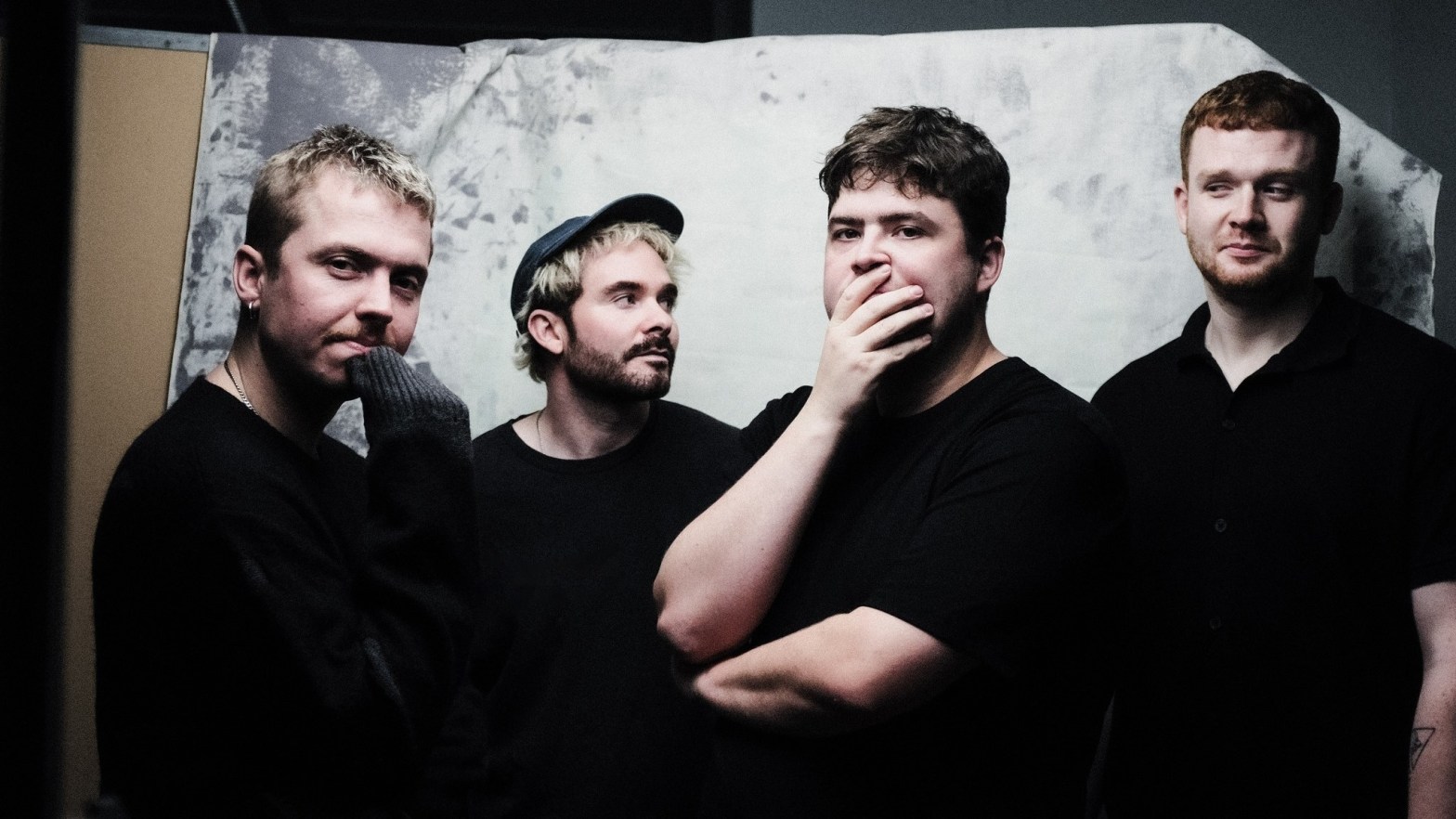
Since their 2020 debut Bedroom, bdrmm have been a band in constant motion, refusing to be boxed in by traditional shoegaze tropes. While that first album wrapped listeners in a cocoon of reverb-drenched introspection, 2023’s I Don’t Know signalled a shift—embracing elements of krautrock, post-punk, and electronic experimentation. In my review of that album, I noted how it was obvious the band were relishing exploring what was sonically possible and what they were capable of as musicians.
Now they are back with Microtonic and this time the Hull-based quartet have leaped headfirst into a world of pulsating beats, haunting textures and electronica. The band themselves are only too aware of the progress they have been making saying this about the album.

“I think this is the best thing we’ve ever done; it’s a proper step up. The last album was essentially like a bridge between the two albums. With that one we knew what we were trying to do but with this one we’ve fully cracked it.”
It’s time to drop the needle and dive in.
Opening with a menacing synth pulse that sounds like it was lifted from a John Carpenter score, ‘goit’ immediately sets the album’s uneasy tone. The introduction is sparse, built on industrial clicks and an ominous undercurrent of static. When the beat drops, it’s clear bdrmm aren’t just experimenting with electronic textures—they’re revelling in them. The rhythm section is rigid and mechanical, with a busy hi-hat pattern that wouldn’t feel out of place in a techno set. Then, Working Men’s Club frontman Sydney Minsky-Sargeant enters the mix with a vocal delivery that oozes detached cool, his spoken-word cadence adding a dystopian edge. Lyrically, ‘goit’ is cryptic, fragmented phrases tumbling over each other like overheard snippets of a dream. It’s quite the opening—restless, dark, and disorienting.
Next up is the single ‘John on the Ceiling’. This track sees bdrmm blending their signature dreamlike melancholy with the motorik propulsion of krautrock. The bassline is the engine, locked into a relentless groove while shimmering guitars weave in and out of the mix like ghosts. The song’s title hints at dissociation—an out-of-body experience. As the song progresses, the production becomes increasingly dense. Delayed guitars cascade over one another, reverbed synths swirl, and the vocals drift further into the ether. By the time the final minute hits, the track has morphed into something nearly psychedelic—looped melodies spiralling upwards before dissolving into a cavernous reverb tail.
We head into what I consider the euphoric peak of Microtonic next. If ‘John on the Ceiling’ felt like floating outside yourself, ‘Infinity Peaking’ is full surrender to the void. The track starts with a simple, pulsing synth arpeggio, soon joined by layers of warm, shimmering pads. The rhythm here is crucial. A four-on-the-floor kick drum thuds persistently, anchoring the track even as it expands into more abstract realms. The vocals, delivered in a hushed murmur, repeat mantras rather than verses, reinforcing the track’s trance-like quality. If My Bloody Valentine had ever collaborated with Underworld, it might have sounded something like this.
After the euphoric rise comes a track built on tension. ‘Snares’ oscillates between paranoia and catharsis. The drum programming here is intricate, with skittering percussion weaving through deep, droning synths. The guitars are distant, almost vaporous, barely cutting through the haze. I love the way the track builds. It starts in a hushed whisper before swelling into something frantic and overwhelming. The climax is a maelstrom of whooping synths and crushing beats, evoking a feeling of being trapped in a storm of your own making.
Collaboration is a big strength of bdrmm in general and they continue that spirit on ‘In the Electric Field’ featuring Olivesque from the amazing NightBus. It’s perhaps the most ethereal moment on the record. Olivesque’s vocals float like mist over a sparse, ambient soundscape. There’s a glacial beauty here—soft, undulating synths and beats like a punch in the face creating a hypnotic and dreamlike state. Is this a meditation on modern disconnection, the sensation of being present but not truly there? Just a thought.
As the album’s title track, ‘Microtonic’ serves as both its centrepiece and manifesto. The name itself suggests an exploration of microtonality and true to its title, the track revolves around a looping, ever descending synth line that feels slightly “off,” constantly shifting in minuscule, almost imperceptible ways. Textural details creep in. Guitar shimmers while the bass rages. This is music designed to hypnotize. The beat remains steady, unchanging, while layers of sound morph and evolve around it. There’s a weightlessness here, a sensation of floating through an unfamiliar dimension.
It’s off on a trip through the looking glass next with ‘Clarkycat’. The title references a fictional drug from the cult comedy Nathan Barley, a scathing and prophetic satire about media culture. This gives us a huge clue about the song’s intent—it’s a hallucination, a synthetic trip through a warped reality. The song opens with a glitched-out synth arpeggio, twitching and flickering unpredictably. The notes are detuned, stumbling over each other. The bass is distorted and lurching, oscillating like a drunken heartbeat. Halfway through, the song takes a dramatic turn. The beat vanishes, leaving behind a cavernous echo where only the arpeggiated synth remains, but now it’s even more unstable. Then—BAM. The beat slams back in. The bass distorts further as we head towards the comforting close.
After the chaos of ‘Clarkycat’, ‘Sat in the Heat’ provides a much-needed exhale. This is Microtonic at its most minimalistic, a meditative track that stretches out like a long summer afternoon where time feels slow and heavy. A soft, repetitive guitar motif forms the backbone of the track, drenched in warm reverb and looped. The synth is grand and lush underneath, subtly shifting in intensity, adding a meditative quality. The glitchy beat brings to mind some of Thom Yorke’s solo work as does the soaring guitar line that takes the track home.
Named after an actual dried-up lake in Australia, ‘Lake Disappointment’ is relentless, driving forward with an almost menacing energy. This feels like an out-of-control acid house party all squelchy bass and nervous shuddering beats that scream anxiety. The effected vocals are something new as well. Slightly pitched down they provide a certain anonymity. Theres no way you would recognise this as a bdrmm track if you went in blind. That is testament to how far this band have come.
The album’s closer is its most haunting, a stripped-down requiem that lingers like the last embers of a fire. The vocals are barely above a whisper, fragile and intimate. The bass gently pulses like a heartbeat while the synth plays ambient chords in sympathy. The electronica aspect involves a looped vocal part over glitchy, jumpy textures. It’s a perfect end to this grand experiment.
What’s clear to me is this isn’t just bdrmm dipping their toes into electronic waters—this is full submersion, a reimagining of what they can be. If I Don’t Know asked existential questions, Microtonic feels like the answer: an album both deeply personal and sonically expansive.
With Microtonic, bdrmm have crafted their most daring, fully realized work yet. It’s an album that refuses to be easily categorized, blending shoegaze, techno, and ambient influences into something wholly unique. This isn’t just an evolution—it’s a full-scale transformation. And the best part? They’ve only just begun.
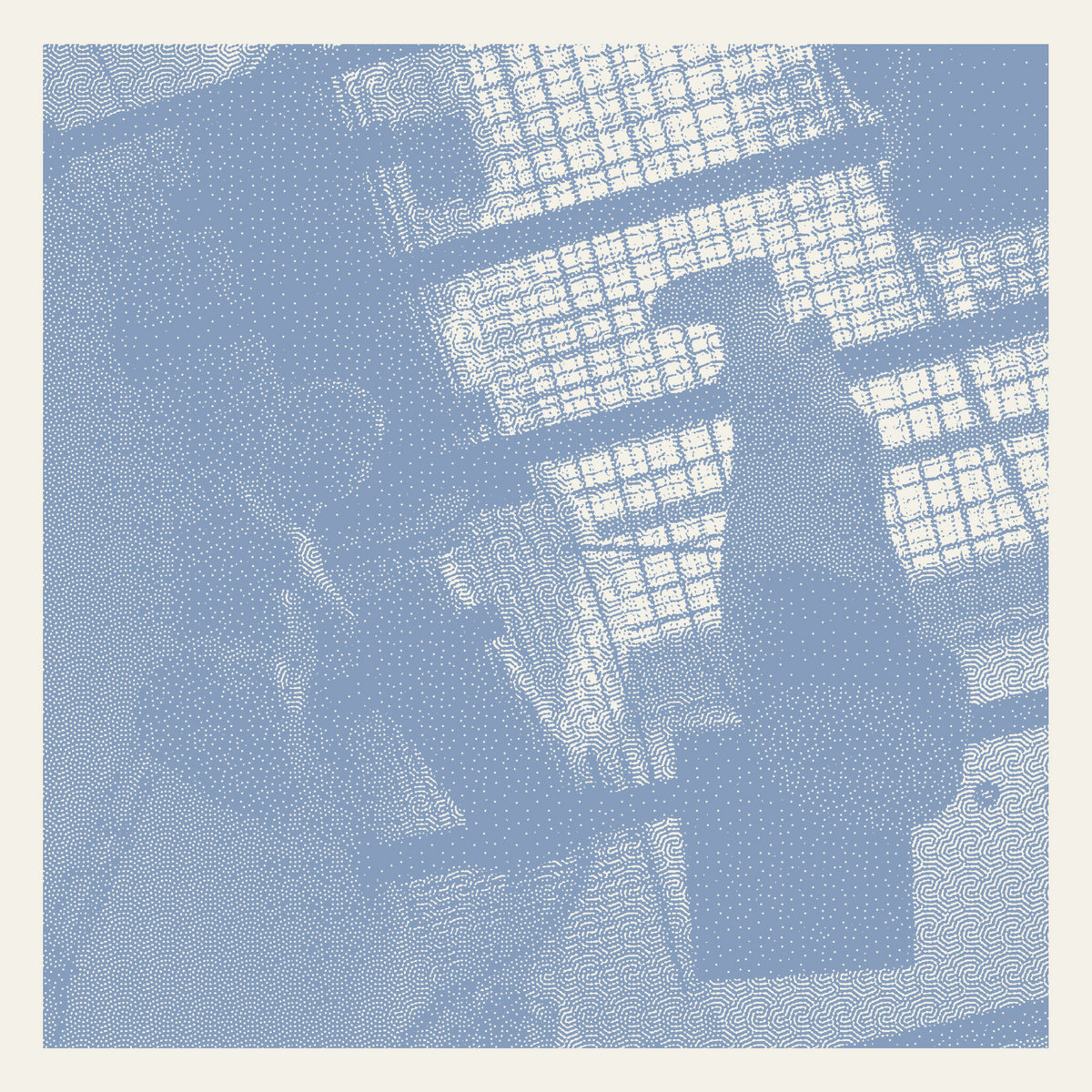
Microtonic is out now via Rock Action Records and is available from the bdrmm Bandcamp page as well as your favourite indie record shop.

You can follow bdrmm on social media here…

Photo credit
Titouan Massé
Discover more from Static Sounds Club
Subscribe to get the latest posts sent to your email.
 Static Sounds Club