Dreamback – Landscape

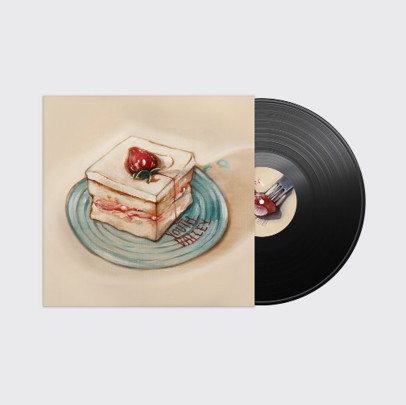
I’ve had a soft spot for Dreamback for a good while now. From the early promise of Escape through Asleep and Awake, Jamie Duddy has kept finding fresh ways to shape his songs while keeping the heart of the project intact. Now, when we come to this second album, Landscape, it feels like those earlier ideas have settled into something more assured. Jamie is still pulling from the worlds of shoegaze, post rock, ambient music and slowcore, yet the record has a gentler confidence about it. For those new to Dreamback, Jamie brings his wife Laura in with her beautiful voice giving  the album an added warmth too. You can hear that closeness in the way Laura’s voice appears throughout, never overplayed, always right where the music needs it.

There is a lovely honesty in the way Jamie has described these pieces as instinctive and immediate. You feel that from the start. This album plays as a seamless listening experience.

Let’s hit play and dive in.

‘Quiet’ begins in exactly the right place setting the tone with patience and restraint. Duddy lets the atmosphere gather around the guitars, dipping in and out. It’s an assured almost therapeutic start and you can feel the stress leave your body.

Laura’s voice welcomes us into ‘Indolamine’ next. You may have caught this one on my April DKFM show. I already had a lot of time for this amazing track, and within the flow of the album it feels even better placed. There is a little more urgency in it, a little more colour in the guitar sound, and it brings welcome movement after the hush of the opener. Dreamback have often found that sweet spot between dream pop softness and a rougher shoegaze edge, and this track sits right in it.

‘New Day’ has a new age feel to it. Duddy has long had a good ear for taking simple chord shapes and giving them emotional weight, and this feels like another example of that gift. The wash of the heavily reverbed guitar creates a luscious canvas to paint on. The music opens out here, as if a curtain has been pulled back just enough to let some light in,

By the time the title track arrives, Landscape has settled into its own character. ‘Landscape’ holds the centre of the record with quiet confidence. There is a steadiness to it, and I like the way Jamie keeps the arrangement open and uncluttered. It might just be my unconscious bias but this track has a very Scottish feel to its lead guitar line which I love.

‘Seratonin’ brings a slight change in energy. The title suggests chemical imbalance and emotional swings, and the music has that same flicker to it. There is a nervousness in the fuzzed-out guitar phrasing that keeps the song unsettled, and that unease gives the album a useful jolt at just the right moment.

Then comes ‘Mercury’, which feels moodier and more elusive. Dreamback have always been good at suggesting a mood with very little, and this is one of the clearest examples here. Jamie keeps the piece lean, Laura’s voice moves through it with great care, and fuzzy guitar lines give a nice counterbalance.

‘Shadows’ goes even further inward. At just over two minutes it could easily have felt slight, yet Jamie gives it shape and purpose. The song feels hushed, private, and a touch haunted, with the kind of home recorded closeness that suits Dreamback so well. You can almost hear the room around the instruments.

There is a lovely sense of late-night stillness to ‘Midnight Plus Two’. This is where the slowcore side of Dreamback comes nearest the surface, with every note given space to breathe. Laura’s vocal sounds extra deliberate, and that keeps the whole song suspended in a very delicate place.

‘Dash’ is a quick burst, and it is placed smartly in the running order. Constructed from reversed guitar parts it gives the second half of the album a flash of motion just when it needs it. Even in such a short space Jamie manages to say plenty, which has always been one of his real strengths.

After that quick turn, the beautiful ballad ‘Reflections’ slows the pulse again and feels like one of the emotional hinges of the record. Dreamback have often worked with memory, sleep, and blurred feeling, and this track gathers those ideas into something quietly affecting. The acoustic guitar work here is subline and a real highlight of the album.

One of my favourite turns on the album comes with ‘Saturday Morning’. After the midnight hues of the previous stretch, this feels warmer, gentler, and somehow more private. Knowing Jamie and Laura are making this music together gives the track an added sweetness, as if you are hearing the album step out of their dream space and into lived space, if only for a moment.

Whilst ‘Lullaby’ is over quickly, it really does leave a mark. The softness of Dreamback can sometimes hide how carefully these records are put together, and this song is a fine example of that touch. The arrangement is light as clouds, the feeling stays tender, and the result is one of the album’s most moving moments.

Closing on ‘Valentine’ feels right for an album made with this kind of care. There is affection in Dreamback’s music, and here it comes through in a way that feels truly heartfelt. To finish the record with a piece that feels intimate and complete is a small closing gesture that says everything it needs to.

What I enjoy most about Landscape is how settled it feels in Dreamback’s own language. Duddy has spent the last few releases trying different routes through dream pop, ambient texture, post rock space and understated song writing, and this album gathers those ideas into a set that feels personal from start to finish. Laura’s voice remains one of the quiet joys of the project, adding softness and human closeness without ever breaking the mood. You come away from Landscape feeling as though you have spent time somewhere carefully arranged, lived in, and full of feeling. By the end, Dreamback have changed the scenery around you.

Landscape is out now. You can check it out over on the Dreamback Bandcamp page.

You can follow Dreamback on social media here…

Modern Time Machines – No Heart of Gold

Modern Time Machines have been building their own corner of Los Angeles shoegaze since 2007, blending dream pop softness with a more offbeat, filmic streak. Across releases like Continuity Girl and MTM, they have picked up praise for the way they pair feedback, melody and atmosphere without losing sight of the song itself. Their story has also moved beyond the usual band path, taking in radio support, a memorable appearance on The Eric Andre Show, soundtrack work, and a collaboration with the late Allee Willis. This new single also introduces an expanded lineup, with Diana Christine Hereld and Arlene Ziodria joining longtime members Ben Golomb, Mike Morgan, and Olya Volkova.

‘No Heart of Gold’ feels rich with mood from the first few seconds. The fuzzy lead guitar cuts through those soft, airy washes with real purpose, while the vocals stay gentle and close, supported by lush harmonies that give the song extra depth. What I like most is the way the chorus opens up. It soars, yet keeps that darker tone tucked inside it, which gives the whole track a slightly gothic edge without ever pushing too hard. There is a real sense of balance here. The band let the textures bloom, though the melody always stays front and centre.

You can check out the video below. Interesting wee tidbit for ya, I’ll let Ben explain.

“I’m actually wearing my late friend Allee Willis’ shoes in the video – I was able to get them at her estate sale. Allee had wore them at our songwriting session together on our last single, “Ornamental.””

Taken as a whole, ‘No Heart of Gold’ sounds like a strong next step for Modern Time Machines. It carries the atmosphere you want from a band like this, though it also feels clear, focused and emotionally direct. If this single is a sign of what this lineup can do together, there is plenty here to look forward to.

‘No Heart of Gold’ is out now. You can check it out over on the Modern Time Machines Bandcamp page.

You can follow Modern Time Machines on social media here…
Fir Cone Children – St Vincent – Single Premiere

One of the real joys of following Fir Cone Children for so long is hearing how Alexander Donat keeps finding fresh pages to add to this family songbook. When I first spent time with the project around Waterslide at 7am, the songs thrived on close observation, turning school days, pets, games and little household scenes into bright guitar led pieces full of joy. By the time you reached Today There’s No Tomorrow and The Urge To Overtake Time, the pace had sharpened and a little more shade had begun to pass through the writing. Then came Jig of Glee, ‘Your Voice’, and ‘Gearshifting’, where his daughters were older, the emotions carried more weight, and Donat let his own point of view sit more openly in the songs.

That whole history flows beautifully into the next chapter of the Fir Cone Children story with ‘St Vincent’. This single feels like the next natural phase because whilst the family thread is still right at the centre, now the child who inspired the songs steps up to the microphone and joins the song.

Donat explains a bit of the back story for us.

“The song was inspired by a concert I took my first daughter to see. We saw St. Vincent and her band on their ‘All Born Screaming’ tour in Berlin. It was my 12-year-old’s very first rock concert. Since she’d been listening to St. Vincent CDs in her bedroom since she was only six or seven, this show held special significance; it wasn’t just any band on stage. Seeing the sparkle in my daughter’s eyes was fantastic.”

Let’s hit play and head to the gig.

Musically, ‘St Vincent’ carries plenty of the traits that have made this project such a fixture on Static Sounds Club over the years. The guitar arrives coated in fuzz, while the wider synth wash gives the track that open, airy feeling Donat does so well. This is the gaziest I’ve heard FCC. Then the voices come in. Father and daughter in perfect harmony. Donat sings with his familiar mix of warmth and urgency, while Liisu brings a gentler touch that changes the whole colour of the song. Her voice gives the track a fresh lift and, for those of us who have followed Fir Cone Children through so many releases, there is something deeply moving in hearing that new family voice come through. When the chorus opens out, man, the whole thing rises. It soars! You get the rush of a first rock show, the glow of a shared memory and the slight daze that follows a night that changes you a little.

What gives ‘St Vincent’ its real emotional impact for me is where it sits in the bigger Fir Cone Children story. ‘Your Voice’ gave us Alexander as the father looking on, full of nerves, pride and love. ‘St Vincent’ is the next step in that journey. Laila is no longer only the spark for the song. She’s core to its sound, part of its feeling, part of the future of this little universe Donat has been building for years. As the opener for the next album, it points toward a record that could bring even more closeness, more family detail and more heart without losing that fuzzy melodic rush that makes Fir Cone Children feel so alive. After all these years, Donat still knows how to keep this project fresh. With Liisu beside him, ‘St Vincent’ is the sweetest fruit!

‘St Vincent’ is out now via Blackjack Illuminist Records. Make sure you follow their Bandcamp page. The next Fir Cone Children album is due for an 8th May release. This will be album number twelve for the project and its title is Vs. The Real World.

You can follow Fir Cone Children on social media here…
doused – Sckrpnch EP

Philadelphia undoubtedly punches way above its weight when it comes to producing shoegaze bands. The sheer number of top tier bands emanating from that amazing city is mind blowing. Among them are doused, a band I’ve been following since their 2021 debut album Murmur. That debut gave them a foothold, the singles released after kept their name moving, and now their new EP sckrpnch arrives after four years sounding leaner, sharper and more sure of itself. Emma Hansson, Mike Wolfe and Vince Duong still work with the same core ingredients of shoegaze, dream pop, post punk and new wave, yet this EP feels more fully realised than anything they’ve released to date.  

doused have always understood that volume means more when a tune can survive underneath it. On sckrpnch that balance is everywhere. You get sweetness and abrasion in the same breath, and the band make it sound easy. Parallels will be drawn to the titans of the scene My Bloody Valentine but hey, that’s ok. The band have “Rip off yr idols” emblazoned on a slip sleeve for their debut album. They are fully conscious that, like folk music, shoegaze is just another musical tradition to be carried on by the next generation. Gatekeepers can go sit in the corner.

Let’s drop the needle and let it wash over us.

Opening piece ‘preamble’ lasts barely a minute. It has the mood of a half-remembered intro tape from some older underground show, something intimate and a little ominous. By the time it folds into the next track you are fully inside doused’s world.

From there ‘dull yr knife (on my skull)’ comes in with real bite. The guitars have a hard edge to them, almost serrated, and the rhythm section gives the song a proper shove from underneath. The vocal sits in the middle of the noise with poise, neither buried nor overlit. Perfectly balanced. You can tell there is a strong pop instinct here, tucked inside all that scrape and swell. The melody sticks fast. So does the title, which feels ugly, funny and faintly menacing all at once.

The title track keeps the pressure up and pares the whole thing down into something short, fast and bruising. ‘sckrpnch’ has that lovely quality great noisy pop can have where every second feels packed and urgent yet nothing feels cluttered. The bass gives the song a thick backbone, Duong’s drums snap it into shape, and the synth touches stop it from turning into pure blunt force. I love how the band let the vocal lines peek through the racket rather than trying to sit above it. That choice gives the song shoegaze allure.  

Then comes ‘xoxo’, which for me is where the EP really opens up. You can hear doused enjoying the meeting point between sweetness and abrasion here without making a big show of it. The melody has a bright sting to it, almost candy coated on first contact, yet the guitars keep rubbing against that surface until the whole thing feels frayed at the edges. There is something wonderfully sly about naming a song ‘xoxo’ and then loading it with this much grit. It also says a lot about doused as writers. They know how to bend familiar pop language into something strange enough to feel fresh. It was a no brainer to include this one on my April DKFM Shoegaze Radio Show.

At over six minutes, ‘eyelash’ gives the band space to stretch the EP’s ideas into a bigger shape. The guitars just explode out the speakers; there’s no reason why they should still sound so delicate and warm. But they do, feedback licking round the spaces in between like punctuation marks in the ether. Beneath it all is an emotional pop ballad with hooks for days. This is the one I find myself coming back to again and again as it blows my tiny mind. The guitar solo in the closing section just fighting with the feedback to make a sound like a galaxy crying is insane. The ethereal outro acts as a segue into the final track while capturing the melody in skeletal form.

Closing track ‘slug’ does something smart by refusing to treat that longer piece as the grand final statement. Instead, doused end with something more compact and wiry, a track that gets in, does its damage and leaves. The guitars sound filthy in the best way, the drums keep everything taut, and the vocal delivery has a detached cool that suits the song’s title perfectly. There is a grim little swagger to ‘slug’ that I really enjoyed. It closes the EP with a smirk, which feels exactly right for a band whose songs keep one eye on the hook and the other on the amp.

Across these six tracks, doused show they are a band who know exactly how much volume to apply and when to let a melody cut through the grime. sckrpnch is a brief EP, yet none the less memorable for it. Far from it. The guitars scrape and flare, the rhythms stay tight, and underneath all that noise sits a strong instinct for melody that gives each song its own afterlife. Four years on from Murmur, this feels like the work of a band returning with a clearer sense of purpose and a firmer grip on their sound. Every choice feels considered, from the short sharp shock of the title track to the slow burn ache of ‘eyelash’ and the wiry final jab of ‘slug’. By the time it ends, sckrpnch has done exactly what its title promises. Prepare to be knocked out!

sckrpnch is out now on vinyl via The Funeral Party. You can check it out over on the doused Bandcamp page.

You can follow doused on social media here…
Angine De Poitrine – Vol II

It’s time to tackle the band of the moment. Love em or hate em there’s no avoiding Angine De Poitrine at the moment. For me, that’s such a good thing.

You can laugh at the polka dots, the oversized heads and the absurd back story for about a minute but when they start playing, everyone’s jaw drops. What first looks like wacky theatre quickly gives way to the more startling truth that Klek de Poitrine and Khn de Poitrine are astonishing world class musicians. To make music this tight, this knotted and this physical is hard enough in ordinary clothes. To do it while sealed inside those cumbersome costumes makes the duo seem even more locked in, as if the restriction sharpens their concentration. Man, they might actually be aliens.

Plenty of bands can cause a stir with novelty and gimmicks. Very few can back it up with songs this strong. Their debut album Vol I announced Angine de Poitrine as a real force and I had a lot of time for it. Theres just no denying the sheer force of nature that is ‘Sherpa’. Though, for me, its best material sat heavily toward the front. Vol II sorts that out straight away. This is all killer, no filler. Every piece earns its place, every loop de doop has a point, and every turn opens another angle in the rhythm. Today where the plodding dad rock of Oasis is once again seeping into a younger generation, Angine de Poitrine feel like a breath of fresh air. They are true originals with real energy, real movement and real musical ability. You can hear a future in this album rather than a turgid rerun of the past.

I tried to get a quote from the band about what it was like moving from Vol I to Vol II with a growing online storm following them. They had this to say.

“Brr dooooooot frnnnnnk arrrrrrrrrrrrksss boffffff deeeeeeeeeeeeeee”

I jest of course, couldn’t resist. Let’s drop a long-awaited needle (man it took ages to able to get a copy on vinyl) and dive into their world.

‘Fabienk’ gets the album moving with a pulse that feels both strict and loose, which is one of this duo’s great strengths. Klek lays down a groove that keeps circling with machine like insistence, while Khn threads these bent, needling guitar lines across the top in shapes that never quite land where your ear expects. The loop does the anchoring, but the life of the track comes from the way the pair keep stretching against and around it. The main riff is super catchy but all these other little accents flicker in and out as well. The guitar seems to tease a hook, then twist it into another form before it settles. For all the odd timing in play, the thing that hits first is how much fun it is.

The central figure of ‘Mata Zyklek’ is one of the densest things they have written. It has that circular quality that makes you want one more pass, then another, then another, and Klek knows exactly how to feed that instinct without letting the groove sit still. How do they manage to perform at this speed? His drumming is all force and judgment. Every hit feels chosen. Khn answers with riffs galore as well as weird alien chants. It’s almost as if the guitar is speaking in its own language. What really sells the track is the duo’s command of dynamics. They know when drop in and out and seeing Khn perform his dance on the loop station at his feet makes you appreciate them even more. The costumes may make people smile, but this is the sort of playing that would stun you in the total darkness of a venue.

There is a wonky brightness to ‘Sarniezz’ that makes it one of the quickest rushes on the record. The groove has a spring in it, almost playful in the way it hops forward, yet the detail inside the arrangement is fierce. Klek keeps nudging the beat from different sides, giving the track a sense of imbalance without ever letting it tip over. Khn uses that footing to throw out one curling phrase after another, each one slightly warped, each one catchy in a way that sneaks up on you. This is where the duo’s humour and skill sit together most naturally. You hear the absurdity in the tones and the vocal noises, but you also hear musicians who know exactly what they’re doing.  

By the time ‘Utzp’ lands, Vol II is already flying, and this is the point where the record shows how many languages Angine de Poitrine can fold into their sound without losing themselves. There is a lopsided polka dance feel to the opening pattern, something you might hear on a Camper Van Beethoven track. But it’s not long before the piece grows sharper and more aggressive. Khn’s playing here is a marvel. He shifts from clipped melodic fragments to fast runs and stacked lines without losing the thread, while Klek keeps everything rooted with a beat that feels both heavy and agile. The false stops are handled brilliantly. Each return lands with more force, and the track builds and builds to a frenzy that should be impossible given how they’re dressed.

‘Yor Zarad’ has a tougher edge. The opening exchange between drums and string attack is so sharply timed that it feels almost visual. Once the main riff comes in, the track pushes forward with a lean, muscular swagger that gives the album one of its hardest blows. What I love here is the way Angine de Poitrine turn that complexity into energy you can dance to. Plenty of technically minded bands can leave you admiring the technique and forgetting the actual song. Klek and Khn never fall into that trap. ‘Yor Zarad’ hits with the directness of something you could throw yourself around a room to, even as its structure keeps mutating underneath. That balance between instinct and control is all over Vol II, and this track might be the clearest example of it.

‘Angor’ closes the record in a way that says a lot about how much the duo have grown. On Vol I, I always found the back half a little less packed with knockout moments than the opening stretch. Here, the closer feels fully worthy of what comes before it. This is something else altogether. More like some sci fi battle theme than the psyche wig outs we’ve heard so far. By the final minutes, you are hearing a band who understand exactly how to end a record like this. My god they left it all on the tape. It leaves Vol II sounding complete, not merely finished.

By the end of Vol II, the real achievement becomes impossible to miss. Angine de Poitrine have taken the promise of the first record and stretched it across a full album with strength, purpose and a real clarity from start to finish. Every track brings its own shape, its own rhythm and its own strange kind of release, yet the whole thing still holds together as one complete statement. Klek and Khn can dress it all up in dots, masks and cosmic nonsense, though none of that would matter for a second without musicianship of this level. This album proves they are far more than a viral curiosity. All the gatekeeping commentary I’m seeing online “they’re fooling you” “You’re being had” holds zero water. They are making some people in the music world uncomfortable, and rightly so. They are one of the most original and thrilling bands making guitar music right now, arriving with ideas, energy and the kind of skill that leaves most revivalist rock looking tired on arrival. Vol II feels like the sound of a band fully realising their sound and to me it seems like they have so much more up their spotty sleeves

Vol II is out now on vinyl via Spectacles Bonzai. You can check it out over on the Angine de Poitrine Bandcamp page.

You can follow Angine de Poitrine on social media here…
Photo Credit

Constantin Monfilliette

deary – Birding

deary and me go back a ways. I’ve picked up every one of their releases on vinyl, right from that ‘Fairground single. I loved what they did on Sonic Cathedral, and when I played ‘Alfie’ on my DKFM Shoegaze Radio show last month it felt like that this London trio had found their sound and were ready for that all important debut album. Now it’s here via Bella Union. Birding feels like a real step forward. Rebecca “Dottie” Cockram, Ben Easton and Harry Catchpole sound completely at ease with themselves across these eleven songs, and that ease gives the record its strength. Cockram explains the choice of Birding as the album title.

“I got really into reading about birds and all these historical stories and poetry about them. You find these beautiful images of birds that represent hope, but they’re also animals. Some of them eat their own young. Some of them, like vultures and crows, are a sign of death to some people. They represent all these different elements, which I think sum up a lot of the album.”

The band sound at ease all the way through Birding. The haze and glow of the earlier releases are still present, but the writing feels firmer now and the themes reach further in. This is a record shaped by grief, self-reflection, care, innocence and the damage people do to each other and the world around them. Even with those heavy ideas at its core, it never loses its sense of beauty. Let’s drop the needle and I’ll tell you all about it.

‘Smile’ opens the album with, what I’d call, a gentle force. The first thing that strikes you is how much sharper the band sound here. The guitars have bite, the drums land with more weight, and Dottie pushes the vocal right to the front. The lyrics deal with violence against women and the fear and anger that comes with living alongside those headlines. The song carries urgency in every part of its arrangement. The words come quickly, almost breathlessly, giving the whole thing a hard emotional edge. It is a bold and beautiful way to begin.

After that intensity, ‘Seabird’ opens the space around the record. The beat gives it a subtle swing while the guitars spread out into something broader and more luminous. The Robin Guthrie influence is on show here to great effect. I loved this one as a single and it still feels huge in the album sequence. There is a real sense of soaring through the sky in the way it moves, yet it still holds onto the ache that sits underneath so much of Birding. That balance between uplift and sadness is one of deary’s strongest qualities, and ‘Seabird’ shows it beautifully.

With ‘Baby’s Breath’ the mood turns more intimate. The title suggests delicacy and the song does have that softness, but there is enough grit in the guitars and enough uncertainty in the tone to stop it from feeling too fragile. The result is a song that feels very close and very human, as though you are hearing someone think through difficult feelings in real time.

At just over two minutes, ‘Gypsophila’ works as a brief clearing of the air. It gives the album a moment to breathe without losing momentum. The soft and velvety textures they create here are luscious. It leaves behind a soft trace and keeps the flow of the album moving with real care.

‘Blue Ribbon’ blooms from the outro with a nod to the eighty’s synth pop sound. I’m a huge fan of the way they use the bass on this track. Pushing it forward in the main but pulling it back in those quieter passages for full effect. Dottie really gets to show her range here, from the breathy linking sections to the powerful and punctuated “I believed in you”. It’s a vivid demonstration of the journey this band have been on that they now find themselves producing songs of this calibre.

Then comes ‘Garden Of Eden’. This was a complete left turn the first time I heard it, Taking the lead more from Laura Marling than Liz Fraser. It’s an acoustic almost quintessentially English folk song. By all thoughts this shouldn’t work but, by god, it absolutely does. Its utterly beautiful and almost had me in tears first listen. I’d love to hear more of this from deary. Maybe a short folk ep in their future.

I was already fond of ‘Alma’ before hearing the full album, and it only grows in stature here. This is one of the warmest songs on Birding, with a melody that opens up in a way that feels almost cleansing. Dottie has described it as a song tied to growth and self-care, and that comes through in the music. There is a generosity to it, but also a sense of looking back at earlier versions of yourself with honesty and compassion. It leans closer to dream pop than some of the heavier moments here, yet it still feels completely in keeping with the rest of the record.

Placed after ‘Alma’, ‘No Sweeter Feeling’ gives the album one of its gentlest passages. The melody has an easy grace to it, and there is a softness in the vocal that feels deeply sincere. Built on a trip hop beat (Portishead anyone) what I like most is that the band never let that sweetness become sentimental. There is always something slightly shaded beneath the surface, which keeps the emotion believable and lets the song hold its shape.

By the time ‘Terra Fable’ arrives, Birding begins to turn inward again. There’s an almost all-consuming darkness in its atmosphere. The song takes its time, evolving slowly revealing its many textures. It feels like it could have come from one of those early Cocteau Twin albums but for its trip hop beat which is really pleasing to the ear when it arrives.

‘Alfie’ is undoubtedly the emotional centre of the record and it absolutely earns that role. Having played it on my radio show last month, I already knew it was special, but in the full sequence it lands even harder. Written around the loss of Ben’s family dog, the song grows far beyond that starting point into something much wider about grief, memory and the strange way love stays present after someone is gone. The running time gives deary space to let the emotion build slowly, and they use that space well. By the end it feels huge, with the band pushing everything outward until the song seems to open into the sky.

The title track, ‘Birding’, closes the album with a lovely sense of proportion. It does not try to outdo what came before it. Instead, it gathers the album’s ideas into one final moment of reflection. The themes of care, vulnerability and learning from what life has done to you all still sit here, but expressed with a light touch. It feels like the right ending for a record so concerned with paying attention, whether that is to nature, to memory, or to the softer parts of yourself.

Birding is an album that keeps in constant contact with the feelings that drove the band to write these songs. deary understand song shape, texture and emotional pacing at a very high level, and they know when to lift a lyric in the middle of all that beautiful noise. For those of us who have followed them from the Sonic Cathedral days to this Bella Union debut, there is something deeply satisfying in hearing them reach this point. Spend time with Birding and it keeps giving more back. That feels fitting for a record named after the act of really looking.

Birding is out now via Bella Union. You can check it out over on the deary Bandcamp page.

You can follow deary on social media here…
Thought Bubble – Who’s To Say?

Thought Bubble have become one of those acts I look forward to hearing from because they always seem to arrive with fresh ideas and a slightly different angle on their own sound. Back on A Made Up World I wrote about the trust at the heart of the trio and the way Peter Gelf’s arrival opened up a richer storytelling side to the band. That still feels true here, only Who’s To Say? pushes that further again. Chris Cordwell, Peter Gelf and Nick Raybould sound fully settled in this version of Thought Bubble now, confident enough to stretch a song well past the five minute mark and let each piece find its own pace. Coming out of Shropshire with a run of releases already behind them, including Universe Zero, Mostly True and last year’s A Made Up World, they have built a catalogue that keeps growing without circling the same idea twice.

That sense of progression is apparent on Who’s To Say because this album feels broader in scope and a touch more pointed in what it wants to talk about. Earlier Thought Bubble releases often invited you into strange little corners of memory and imagination. This one still does that, though now the world outside the window keeps pressing in. You hear it in the titles, you hear it in the tension between the electronics and the voice, and you hear it in the ever evolving arrangements.

‘Let The Light’ opens the album and it has a ceremonial quality, with Cordwell’s electronics setting a mood that feels searching and slightly uneasy before Gelf’s voice enters with warmth and gravity. What I like most here is the way the track keeps revealing new details. Little tones hover at the edge of your hearing. Raybould’s percussion gives the piece shape without ever pinning it down too tightly. You get a sense of movement and unease at once. As an opener it works beautifully because it sets out the album’s main idea early. This is music looking for something decent and steady in a world that feels increasingly frayed.

From there Thought Bubble turn to ‘Small Things And Sandwiches’, which may well be their most bonkers song title yet. It has wit before you even press play, though the song itself carries more bite than playfulness. The brighter opening gives you a false sense of comfort, then the track starts to roughen up around the edges. Gelf delivers the lines with a knowing weariness that suits the theme perfectly. Everyday life rubs up against public noise and empty spectacle. The electronics flash and grumble while the guitar textures add a wiry psychedelic tension. By the closing stretch the song feels gloriously frayed, as if the band are letting the whole thing tilt just enough to mirror the absurdity of the world it describes.

The album tightens its focus on ‘We Know Where This Leads’, and the title alone tells you plenty. This is one of the record’s sharpest pieces, both musically and thematically. The pulse underneath the song has a nervous insistence to it, as though it already knows the outcome and cannot stop moving toward it. Gelf’s vocal phrasing is especially good here. He sounds measured, almost resigned, which gives the song even more force. The electronics do a lot of quiet work in the background, sketching a cold frame around the melody. You can hear Thought Bubble’s gift for songwriting very clearly on this one. For all the textures and ideas in play, the song still lands in a direct way.

‘Lightfoot’ changes the temperature a little. After the pressure of the previous track, this one feels more reflective and oddly tender. The subject comes through with respect and curiosity, and the music follows suit. There is a brightness in some of the higher notes that gives the song an open quality, while the central electronic figure stays calm and grounded beneath it all. I found myself really taken with the way Thought Bubble handle the mood here. Gelf’s voice sits right in the middle of that, carrying the story with a quiet dignity. It gives the album an emotional hit at exactly the right moment.

Then comes ‘I’ll Buy Your Oranges’, which is where the record gets wonderfully odd in the best possible way. Thought Bubble have always been good at stepping sideways when you expect them to go straight on, and this track is a fine example of that instinct. There is something playful in its movement, something rooted in curiosity and character, yet it never tips into novelty. The melodies are sly and memorable, and the arrangement has that open ended experimental spirit that lets the band wander where they please while still keeping the song intact. You can hear why this trio works so well together.

‘Your Call’ lands with a grin and a grimace at the same time. It is one of the funniest songs here on the surface and one of the bleakest underneath. Anyone who has spent too long trapped in a call queue will feel this one in their bones. The repetition is the point. The sparseness is the point. The bass and percussion lock into a pattern that feels maddeningly circular, while the voice becomes part complaint, part deadpan observation. Thought Bubble are very smart in how they shape this track. They understand that the dull cruelty of modern systems doesn’t need melodrama. Instead, it needs pointed accuracy. This song has that. It catches the petty dehumanising nonsense of daily life with real precision and turns it into something darkly enjoyable.

By the time we reach ‘A Man Split In Two’, the album is ready to stretch out again and leave you with something larger and stranger. At just over eight minutes, the closing track feels like both a return and an expansion. We come back to the “Lightfoot” thread, though the tone now is more unsettled, more spectral. The vocals sit further back, almost swallowed at times by the electronic haze around them, which suits the subject beautifully. This is one of those Thought Bubble endings that does not tie everything up neatly. The sounds gather, hang in the air, and keep shifting shape until the song finally loosens its grip.

What stays with me about Who’s To Say? is how fully it commits to its own way of speaking. Thought Bubble never sound interested in easy hooks or neat little summaries of what they do. They trust atmospheres they create, repetition, and above all they trust the song. That trust has served them well before, though this album feels especially strong because it joins their experimental side to some pointed observations about modern life, frustration, memory and identity. It leaves you with plenty to think about, though more importantly it gives you seven richly drawn pieces of music that reward your attention every time you return. For a band this prolific, that level of consistency is seriously impressive. Who’s To Say? keeps asking questions long after it ends, and that is exactly why it says so much.

Who’s To Say is out now. You can check it out over on the Thought Bubble Bandcamp page.

You can follow Thought Bubble on social media here…

Photo Credit

Dan Raybould

Silk – Auralux – Single Premiere

A year ago or so, Silk arrived as one of those side projects that that I just got right away. If you’ve been following along here on Static Sounds Club, you’ll already know Michael Smyth first caught my attention through Virgins, a band I rated so highly I ended up naming them my album of the year in 2024. When Smyth first introduced Silk through the premiere of ‘Faze’, the project came through as denser, more inward and more consumed by volume than his previous work, while still holding tight to melody and emotional weight. That first taste felt like an opening statement. Since then each new release has added another piece to the picture, and now with ‘Auralux’ we’re hearing Silk stretch further again, with the full mini album waiting just ahead. Rest assured, I’ll be reviewing that in full very soon.

Smyth has spoken very clearly about what drives this project.

“There is no beauty in perfection, it feels fake and manufactured to me. I want the record to feel real, so this is the sound of visceral self expression.”

You can hear that instinct all through ‘Auralux’. This is music made by one person taking full control of the writing, playing and recording, and you feel that intimacy straight away. The song has scale, force and sheer physical heft, yet it still feels personal, as if every layer has been pushed into place by hand rather than polished into submission.

What strikes you first is the way the guitars arrive in numbers. They do not simply open the song, they spread across it. The opening seconds feel glazed in speckled light, with shimmering lines stacking over one another until the whole thing starts to glow. Then the pressure builds. The drums come in huge. The fuzz thickens. The whole track swells into something full bodied and physical. You feel the force of the arrangement in your chest it’s wild.

In the verses, the guitars and vocals seem to answer one another call and response style, each phrase met by another surge of texture or melody. It gives the song dynamics without making it feel restless. The vocal sits low in the mix, almost folded into the body of the track, which is how shoegazers do it. Makes you listen harder. Then the chorus opens up and Silk goes all in. Layers of fuzz pile upward, dreamy lead lines flash through the distortion, and the whole thing seems to billow around Smyth’s voice. It is a huge moment, but it never loses its sense of feeling.

You can hear the blood, sweat and tears in the production. This sort of music lives or dies on atmosphere, and Smyth knows exactly how much to give each part. The reverse reverbs and dense layers never feel decorative. They help shape the song’s emotional climate. The opening shimmer, the dense middle weight, the way the chorus seems to rise up in sheets, all of it serves the feeling of the track. You can hear why Silk has been building such strong momentum across the past year.

Silk continue to build something special here. ‘Auralux’ gives you shimmer, weight, grief, release and that glorious moment where melody and noise become inseparable. It feels like a song made with total belief in the emotional power of volume. You can hear that throughout. You can also hear the hurt in it. Most of all, you can hear Silk coming into focus through Auralux.

Auralux will be released via Blowtorch Records and Shoredive Records. You can check out the singles over on the Silk Bandcamp page.

You can follow Silk on social media here…

Wildernesses – Growth

I love me a band that blends genres, especially genres I’m passionate about. Enter Wildernesses. This band blend the crescendo dynamic of post rock with meaningful indie vocals and the wide-eyed glow of shoegaze. You can totally hear the years behind it. You can hear the losses, the work, the friendships and the patience. The album Growth benefits from that immensely. London has produced plenty of bands who know how to build their own atmosphere, yet Wildernesses bring something more human to the table. Their songs hold close to real lives and real memories, and that gives the whole album a sense of weight that never feels forced. With links to Late Night Fiction, We Never Learned To Live and Earth Moves, the band already carried strong musical histories into this project, but Growth feels like the moment those separate paths finally found a shared language.

The band are Phillip Morris (vocals, guitar), Sam Howe (guitar), Mark Portnoi (bass) and Ryan Browne (drums). You can hear their sense of shared purpose all over this record. The production gives the band plenty of room keeping everything grounded even when the songs reach for something bigger. Morris put it well when speaking about the album:

“Growth is the result of over two years of writing, refining and learning together as a band. The title reflects both life’s way of shaping us and our own journey as a group.”

Let’s dive in and see where in the wilderness we end up.

The opening cut ‘Sleepless’ sets the tone with real assurance. The guitars glow in the opening section. You can feel the late-night stillness in it, but also the agitation that sits underneath. When it opens up it does it gradually like its welcoming you in. It begins the album in a way that tunes your ear in the band first and foremost. It’s a glorious post rock number and it had me on first listen.

From there, ‘Happy Hollow’ naturally evolves out the echoes. There is a lonely inwardness to this one that feels very specific, as though the song is watching someone disappear into their own thoughts in real time. The arrangement has a gentleness to it, yet there is power in the guitars and in the way the vocals sit within the mix. I also want to “watch the X-Files all night” which helps lol.

By the time ‘[dread.]’ arrives, the energy is coming up. The title tells you plenty, but the band still leave space for the feeling to build in its own way. The song has a jittery, nervous energy as it whips along at pace. Only slowing for those expansive verses. I can imagine this one going off live.

‘English Darkness’ was already one of the key songs leading into the album, and hearing it in the context of the album flow only strengthens it. There is a haunted, regional quality to the song that gives it real identity. You can sense place all over it. Home, memory, mental strain and family history seem to sit together, uneasy bedfellows. The band never overplay those themes, rather they let the mood build through tone and pacing, and that restraint gives the song its force. It feels bruised, thoughtful and sharply observed.

One of the most striking titles on the record belongs to ‘Terrible Bloom’, and the song lives up to it. This is where desire and unease seem to wrap themselves around one another. The guitars feel fuller here, the emotional weather thickens, and the band lean into their more intimate sound without losing the largesse that has carried the album so far.

After that, ‘Maintenance’ brings a slightly different energy. There is wit in the writing here, but it comes with a tiredness that many listeners will recognise straight away. Small habits, private rituals and the strange business of keeping yourself going all sit inside the song. The band handle that idea with a lovely lightness of touch. The collage mask concept from the video makes sense once you hear the track in the wider context of the album.

Placed where it is, ‘Cassino’ works as a pause and a reflection. As another instrumental piece, it gives you a moment to think about what you’ve just heard while still adding to the emotional thread. The band don’t use it as filler track. Instead, it feels like a moment of family memory being held up to the light and turned over slowly. The textures are patient; the mood stays close. It is a smart piece of sequencing.

‘Four Hour Drive’ remains one of the strongest songs here, and it still cuts deep. Knowing it grew from a photograph of Morris’s father and grandfather gives it even greater weight. The drums drive this one. Setting the pace right from the outset. You can hear distance in it, but also duty, tenderness and the quiet pressure of inherited feeling. The arrangement is beautifully judged.

The album comes to a close with ‘Summertime, 1917’, and what a way to finish. Hidden love letters discovered during a house renovation already make for a remarkable point of origin, but the band treat that story with real care. It feels intimate and far away at the same time. Morris delivers the vocal with a sense of distance that suits the subject, while the band build around him with a patient hand. As a closer, it gathers together the album’s recurring concerns of grief, inheritance, care, memory and endurance in a way that feels full and deeply satisfying.

What stays with you after Growth ends is how fully Wildernesses commit to emotional detail. These songs are full of ordinary objects, family traces, small acts of survival and private reckonings, and that gives the record a rare honesty. The band understand scale as well as restraint. They know when to let a guitar ring out and when to leave room around a line. More importantly, they know how to make personal material feel open enough for your own memories to enter. That is what gives Growth its power. It feels rooted in grief and care, yet it keeps reaching toward connection. For a debut, that is some achievement. Wildernesses have made a record that keeps unfolding in your mind, and the title proves perfectly chosen because these songs keep growing for years to come.

Growth is out now via Floodlit Recordings. You can check it out over on the Wildernesses Bandcamp page.

You can follow Wildernesses on social media here…
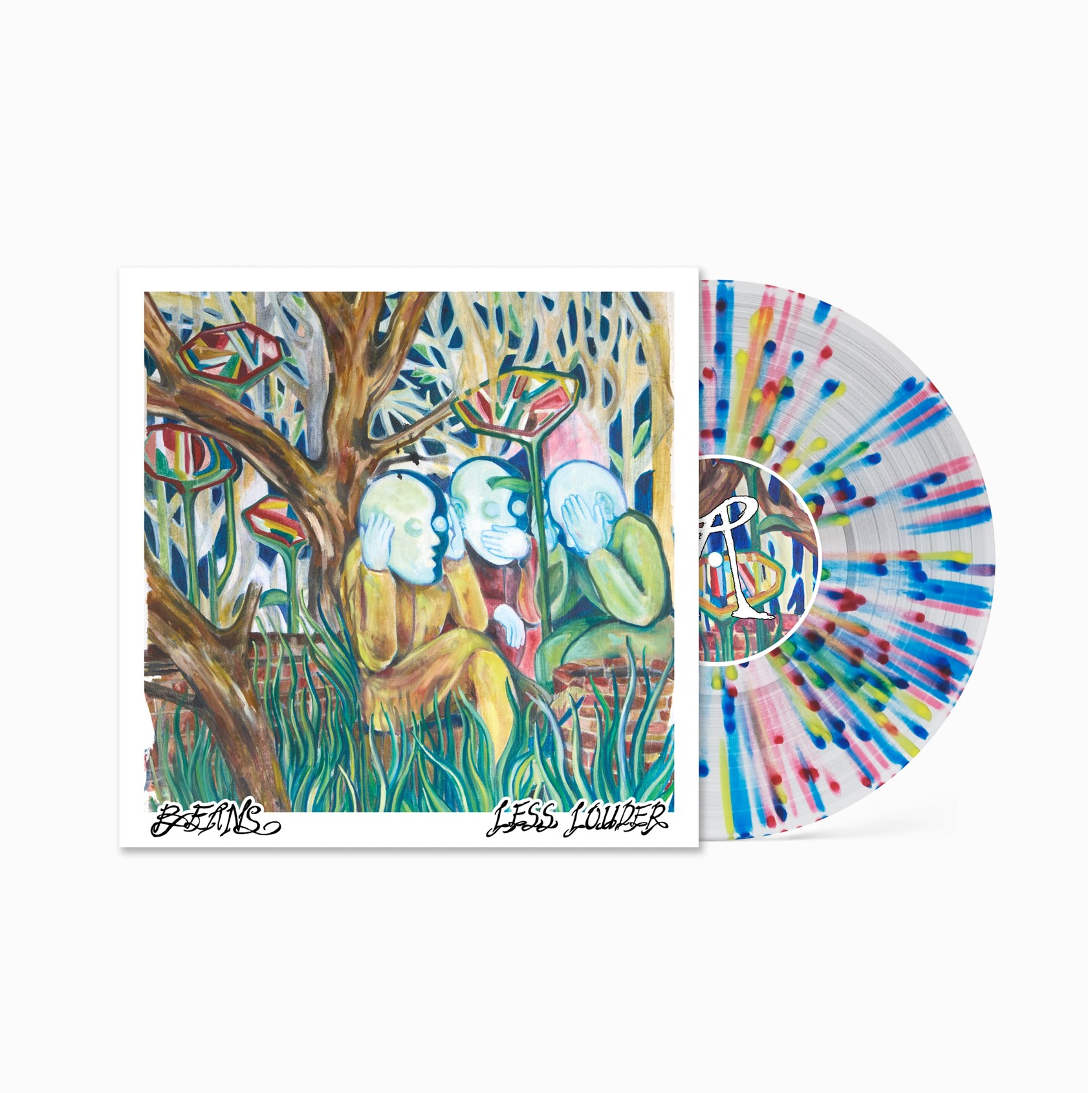
Photo Credit

Joey Atchison

Studio Kosmische – Caramel

For me Studio Kosmische has always been a musical project built on curiosity and affection for sound. Dom Keen approaches music with the ears of someone who loves the past enough to keep asking fresh questions of it, and that makes this new 7 inch on Feral Child Recordings such a smart idea. ‘Caramel’ already carries real weight in kosmische history, first appearing on Cluster’s 1974 LP Zuckerzeit, where Hans Joachim Roedelius and Dieter Moebius gave it that playful, slightly off-centre charm which still feels so alive all these decades later. What Keen does here is take that source material and treat it with care while also letting his own instincts shape the mood. You can hear the respect for the original, though you can also hear someone enjoying the freedom that comes with pulling an old piece of music into a new setting.

On the A side, ‘Crème Caramel’ opens things with a light touch that suits the title beautifully. Keen leans into the sweetness already sitting inside the composition and brings out its soft edges with a warm, glowing tone that feels intimate on first listen. The arrangement has a gentle pulse to it, enough to keep the track moving while still giving the melodic details room to swirl around. What I really like here is the sense of balance. Nothing feels overworked. Each sound is placed with care, and that gives the piece a calm confidence. If you know the Cluster version, you will recognise its bones straight away, though Keen gives it a smoother surface and a modern sort of warmth.

Flip it over and ‘Salted Caramel’ gives the idea a sharper edge. The sweetness is still there, though now it is being pushed against something more savoury and a little more mischievous. Keen introduces more bite into the textures and that change in flavour makes this pairing work as a proper two-sided statement rather than a simple alternate take. The rhythm feels a touch firmer, the atmosphere a little less cosy, and the whole thing has more eery tension running through it. You start to hear how flexible the original composition really is. One side offers softness and glow, the other brings a faint tang and a drier character. That contrast gives the single its shape and will keep you coming back for another go round on the turntable.

Keen has not chosen this piece at random. You can sense a real understanding of why ‘Caramel’ has endured and why it still speaks to musicians drawn to the kosmische sound. These reworks do exactly what a good reinterpretation should do. They send you back to the source with fresh ears while standing up on their own terms. For listeners already tuned into Roedelius, Moebius and that wider kosmische lineage, this will feel like a lovely nod. For anyone coming to the song for the first time, it works just as well as a small beautifully considered release that shows how much can be said in two short instrumental pieces.

Some singles are easy to admire once and file away. This one keeps you lingering over every last spoonful. Lip smacking good!

Caramel is out on Tuesday 31st March via Feral Child Recordings. You can check it out over on the Studio Kosmische Bandcamp page once it’s released.

You can follow Studio Kosmische on social media here…