
Hotline TNT began as the brainchild of Will Anderson, a project that balanced heartbreak with distortion and made fuzz feel deeply personal. They emerged quietly yet quickly became something of a secret handshake among fans of shoegaze and noisy pop in general.
Debut album Nineteen in Love landed in 2021, recorded mostly by Will himself. It sounded raw in the best way. Bedroom production, clipped drums, walls of guitar fuzz that sometimes buried the vocals so deep you had to lean in. But there was real melody fighting its way through, and that battle made it stick. It caught ears across indie circles, showing a songwriter willing to blur the edges until only the feeling mattered.
Then came Cartwheel in 2023, and something shifted. The fuzz was still there, but the songs stepped out from behind it. Hooks felt sharper, choruses bigger, and the vocals less hidden. It felt like a record trying to balance two impulses: stay noisy and vulnerable, but also reach out, pull people in. Reviews called it “fuzz-pop built to last” and fans noticed how the songs stayed with you long after the reverb faded.
Meanwhile the band’s live shows became part of the story. Reports of ear-splitting volume, melodies peeking out through walls of feedback, and a growing sense that this wasn’t just a bedroom project anymore. Hotline TNT was becoming a band in the fullest sense.
That brings us to Raspberry Moon. Their third album, but really the first one that feels built as a band from the ground up. Written and recorded together, played loud in the same space, not pieced together alone at home. You can hear that difference straight away: guitars still hiss and hum, but the songs breathe, the choruses lift, and the vulnerability feels clearer, closer. It’s a record that doesn’t drop the noise but knows when to hold it back.
Let’s drop the needle and see where it takes us.
The album kicks off with ‘Was I Wrong?’. The vocals front and centre over a fuzzed out lone guitar. Then about a minute or so in dense layers of overdrive arrive that feel sculpted rather than raw. The drums hit with real weight, giving the track muscle it might have lacked on earlier records. There’s a tension between that melodic bassline and the burn of the guitars that keeps the song moving. The solo isn’t a technical showcase but it lands with impact, cutting through rather than floating above. This is a gentle hello to this album and the full band approach is evidently a winner.
Up next ‘Transition Lens’ is a short tone poem linking into the next track. The synth textures feel glassy and slightly cold, almost a palate cleanser after the opener. It gives the ears a moment to reset, which helps the next song hit harder.
‘The Scene’ wastes no time. A sharp riff cuts through, immediate and biting. The drums snap tight, propelling everything forward. Vocals feel resigned, almost weary, as if the words are being forced out. The brevity of the lyrics adds to that sense of exhaustion. Guitars hover between jangle and fuzz, never settling fully into either. The whole track sits under two and a half minutes but feels complete. It captures that tired frustration of being part of something you’re not sure you even want. You catch glimpses of influence here: a bit of Sugar’s crunch, a flash of MBV tremolo. The bass carries its own melodic weight, keeping things grounded. It’s short, punchy and leaves just enough unresolved to keep you thinking about it after it ends.
My album highlight and single ‘Julia’s War’ bursts in next. Right away you hear the difference: vocals brought right to the front. The chorus begs to be shouted back by a crowd. Fuzz isn’t draped over everything. Here it’s used to lift and push the hooks. The guitar line circles around the vocal melody, creating a tight interplay that keeps the ear hooked. Drums play it relatively straight, adding force without distraction. The song structure feels classic, almost power pop, but filtered through their shoegaze instincts. Na na na backing vocals add a ragged charm, as if recorded live in a small room. It’s a rare moment of lightness that still holds weight. I think I took an instant like to this song because you can hear a band playing together, rather than tracks layered piece by piece. It feels like a highlight not because it’s the loudest or most distorted, but because it’s the most open. A genuine step forward in songwriting. I salute you Mr Anderson!
We’re into ‘Letter To Heaven’ next where its all about the jangle. Guitars ring rather than roar, leaving room for the melody to stretch out. Lyrics lean into reflection rather than frustration, giving it a slightly softer tone. The solo arrives unexpectedly, bright rather than heavy, and it fits perfectly. Drums keep a steady mid-tempo pace, giving the song a gentle push forward. There’s an almost nostalgic feel, like flipping through old photos you’re not quite ready to let go of. Production choices matter here: reverb gives the track a floating quality without muddying it. Background vocals quietly double the lead, adding depth without drawing attention. It’s the kind of song that sneaks up on you rather than demanding your attention. The shift to a minor chord before the last chorus is subtle but powerful, catching the listener off guard emotionally. It feels honest, not forced. The end fades rather than finishes, leaving an echo rather than a period.
A darker mood settles in from the first note on ‘Break Right’. Bass anchors everything, thick and insistent. Drums lock into a steady, almost hypnotic rhythm. Guitars cut like rusted metal, less about heaviness and more about texture. Vocals sound distant, as if sung through clenched teeth. The lyrics are blunt, more spoken than sung, adding to the rawness. There’s a sense of contained anger, never boiling over but always close. Small details matter: a brief guitar squeal, a cymbal hit slightly out of time. The track doesn’t rush, letting tension build and settle. When the chorus hits, it doesn’t lift but digs deeper. It’s not cathartic release, it’s quiet confrontation. The ending doesn’t resolve, it simply stops, leaving a question mark hanging in the air.
A bright riff opens ‘If Time Flies’, almost hopeful. Production pulls back on distortion, letting the melody breathe. Vocals sound clearer, carrying a tone somewhere between regret and acceptance. Lyrics paint small images rather than big statements, letting listeners fill in the blanks. Bass takes a more melodic role, weaving around the guitar lines. Drums hold steady, never flashy, serving the song. The chorus feels like it opens up a window, letting in fresh air. Subtle backing vocals add warmth without turning saccharine. You hear influence here from classic indie pop, but it’s filtered through their fuzzed sensibility. It ends softly rather than crashing out, leaving space for reflection. It feels quietly confident, never straining to impress.
As we head into ‘Candle’ guitars fizz, not quite clean, not quite dirty. Drums pulse like a quickening heartbeat, giving the track momentum. Vocals sit gently in the mix, neither shouting nor whispering. Lyrics lean toward romantic rather than bitter, a shift from earlier tracks. A mid-song instrumental section drifts pleasantly, guitars layering textures rather than riffs. Production brings out small details: a string squeak, a breath before a line. The chorus feels comforting, like a warm room after cold rain. Even the distortion feels soft around the edges, more embrace than attack. Bass keeps things moving, adding subtle melodic shifts that reveal themselves on repeat listens. There’s a real dotted line drawn here to the early sound of Teenage Fanclub. Which as we all know is the best era of the band.
‘Dance The Night Away’ immediately stands out with its more pop driven intro. A lighter touch immediately stands out. Guitars chime rather than buzz, giving the track a floating quality. Drums skip along, adding bounce without forcing the tempo. Vocals feel conversational, almost like overheard thoughts. Lyrics evoke images rather than stories, leaving interpretation open. It’s a rare moment of brightness that still feels grounded. Small melodic flourishes keep the ear interested, rewarding closer listening. Bass moves higher up the neck here, adding unexpected colour. Production keeps everything crisp, letting instruments breathe. There’s a sense of quiet joy, but it’s never overplayed. The ending circles back to the opening riff, tying it neatly together. It feels like a necessary pause before diving back into heavier waters.
‘Lawnmower’ has an intimate start, almost like you’re in the room with them. Acoustic guitar takes the lead, strummed plainly without effects. Vocals sound closer than anywhere else on the record, catching breaths and imperfections. Lyrics lean confessional, not dramatic but honest. Small touches appear: a gentle electric guitar line, a quiet bass note. The song doesn’t build to a climax but stays quiet, asking you to lean in. It’s a reminder of the songwriting underneath the fuzz. Even the occasional string buzz or slightly off beat adds to the humanity of it. The emotional weight isn’t in what’s said, but what’s left unsaid.
The album closes out on ‘Where U Been?’. Slow burn from the start. Guitars roll in like distant waves rather than crash. Drums keep a steady march, giving the track gravity. Vocals stretch out words, letting them hang. Lyrics suggest distance and return, questions rather than answers. Bass moves deliberately, adding depth rather than speed. Guitars layer gradually, building tension rather than volume. There’s an undercurrent of melancholy that never tips into despair. The final minute lets feedback swell, not as chaos but as resolution. It feels like closing a chapter, not erasing it. The last chord hangs, echoing in the silence that follows. It feels like the only way this record could end: unresolved, but somehow complete.
Raspberry Moon feels like the moment Hotline TNT truly becomes a band. You can hear them in a room together, guitars talking to each other, drums pushing and pulling, bass weaving around the edges. It’s less about piling fuzz sky-high and more about choosing where it matters. That lighter touch doesn’t make it tame. It makes it human. Where past records felt like solitary confessions wrapped in distortion, this one opens up. The hooks step forward, the choruses breathe, and the songs carry a quiet confidence that only comes from playing side by side. The feedback still buzzes underneath, but now it lifts the melody rather than burying it.
Raspberry Moon is a record that shows growth without forgetting where it started. One that proves vulnerability can be louder than distortion.
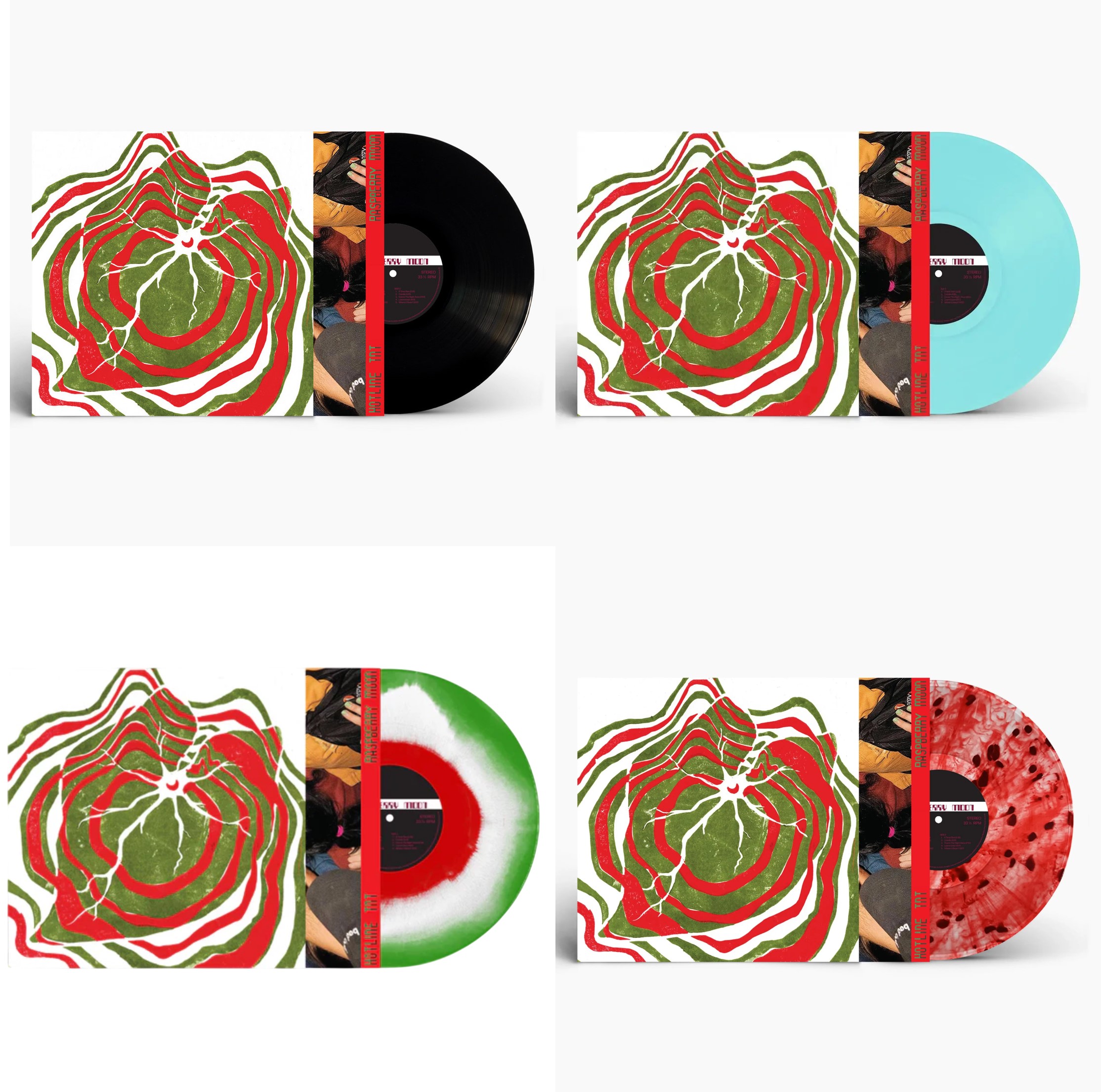
Raspberry Moon is out now via Third Man Records on a number of lovely vinyl variants. You can check it out on the Hotline TNT Bandcamp Page.

You can follow Hotline TNT on social media here……
Discover more from Static Sounds Club
Subscribe to get the latest posts sent to your email.
 Static Sounds Club