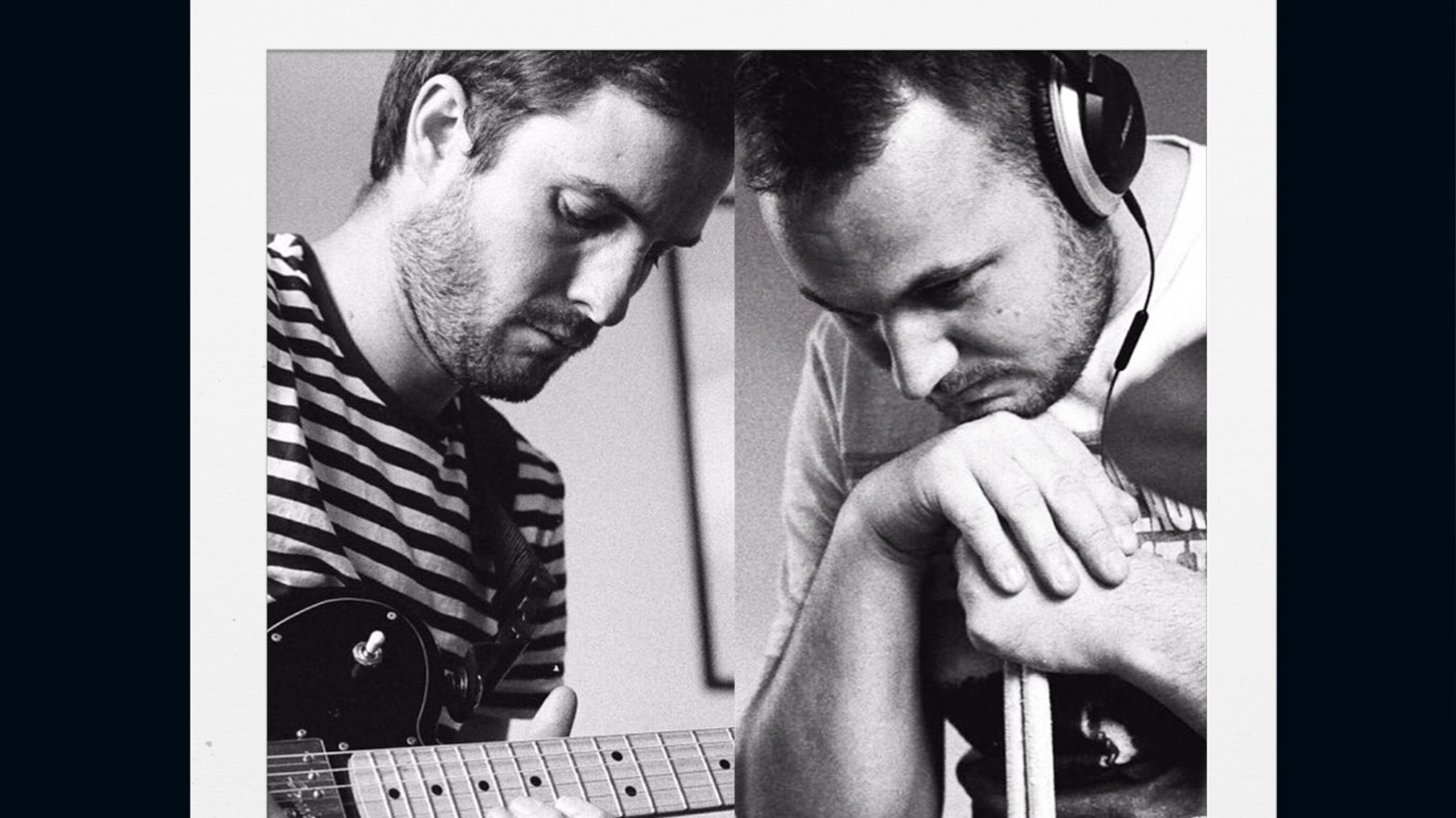
I’ve really come to relish a really good psychedelic album. I love losing myself in the music and letting it take me on a journey in my head, free of the influence of lyrics. It’s like the soundtrack to your own movie. That is where Nook & Cranny place you with Karma Waters, a record that unfolds less like a collection of tracks and more like a long conversation between two musicians who know each other instinctively. Based in London but carrying a sense of the universe with them, Dean Cass and Matt Sullivan have built a world here that feels like nowhere I’ve never visited before.
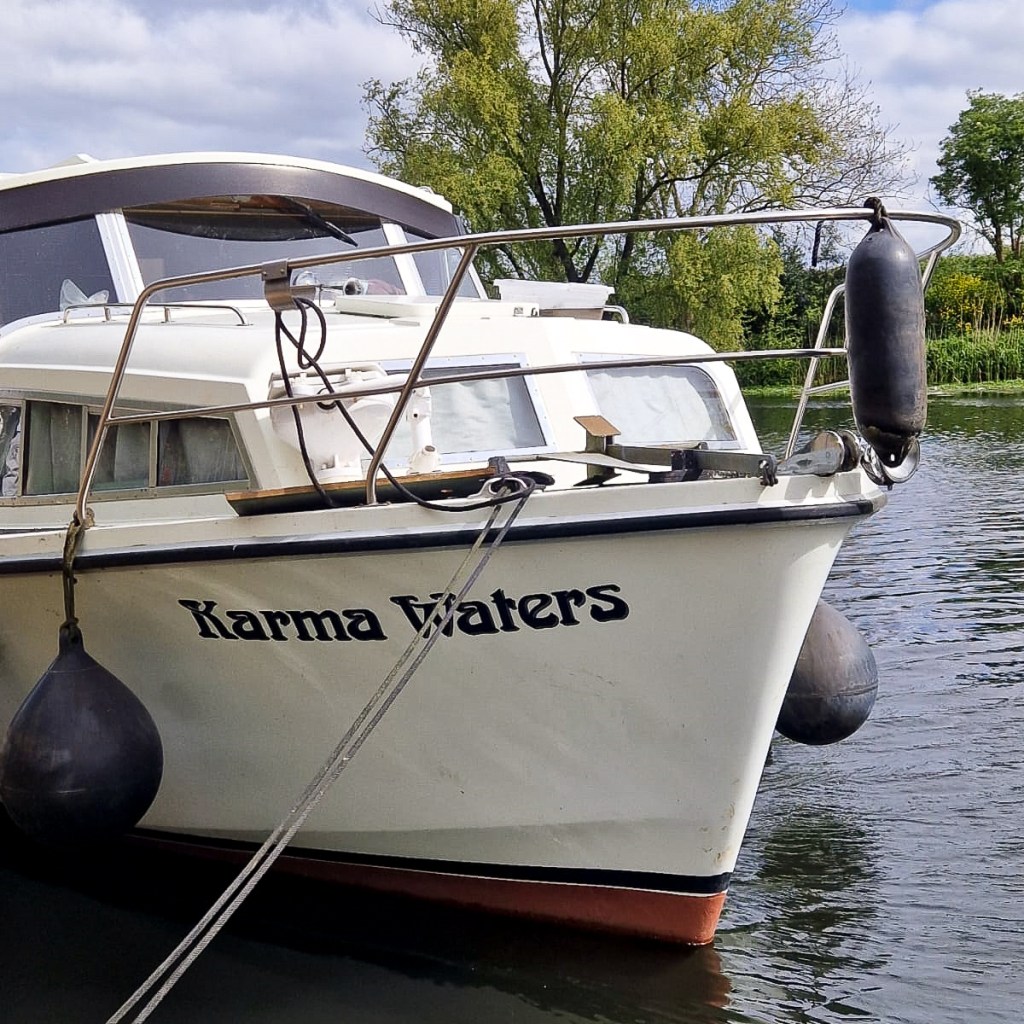
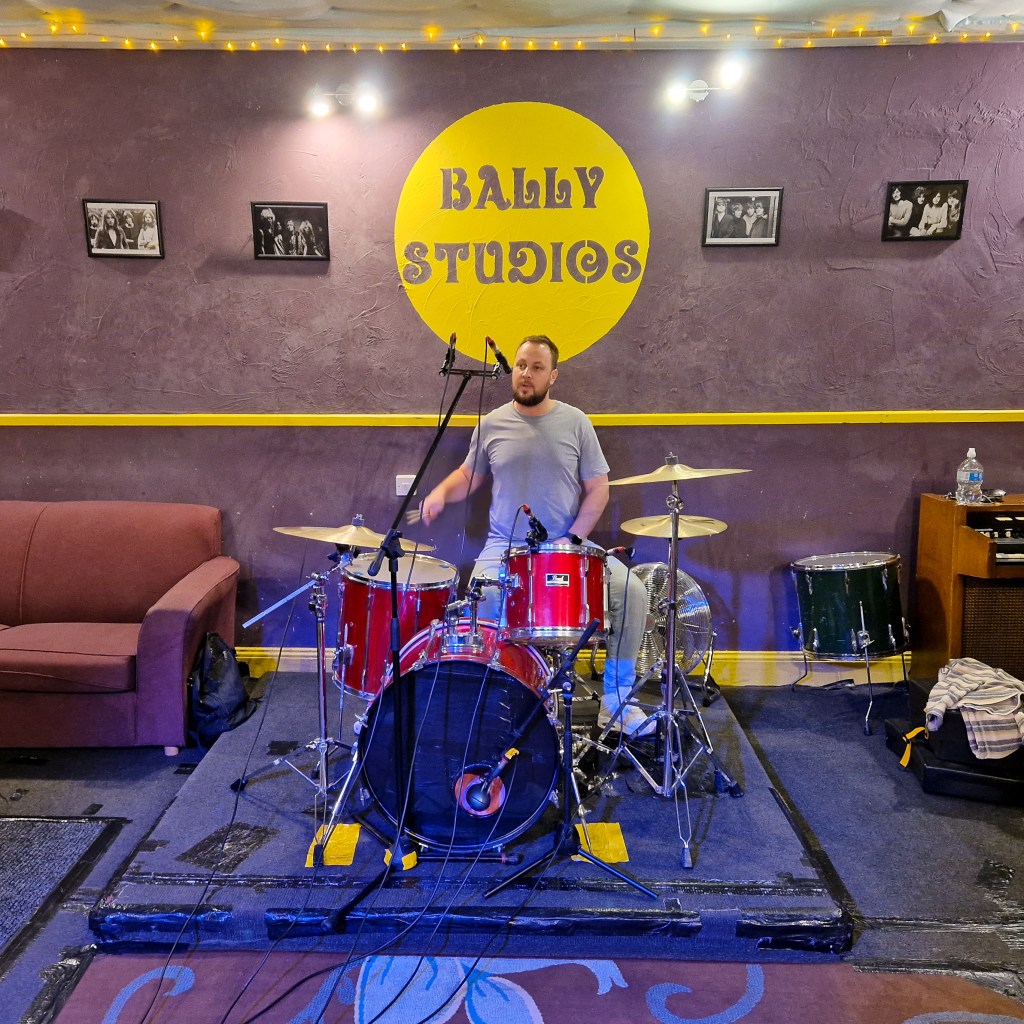
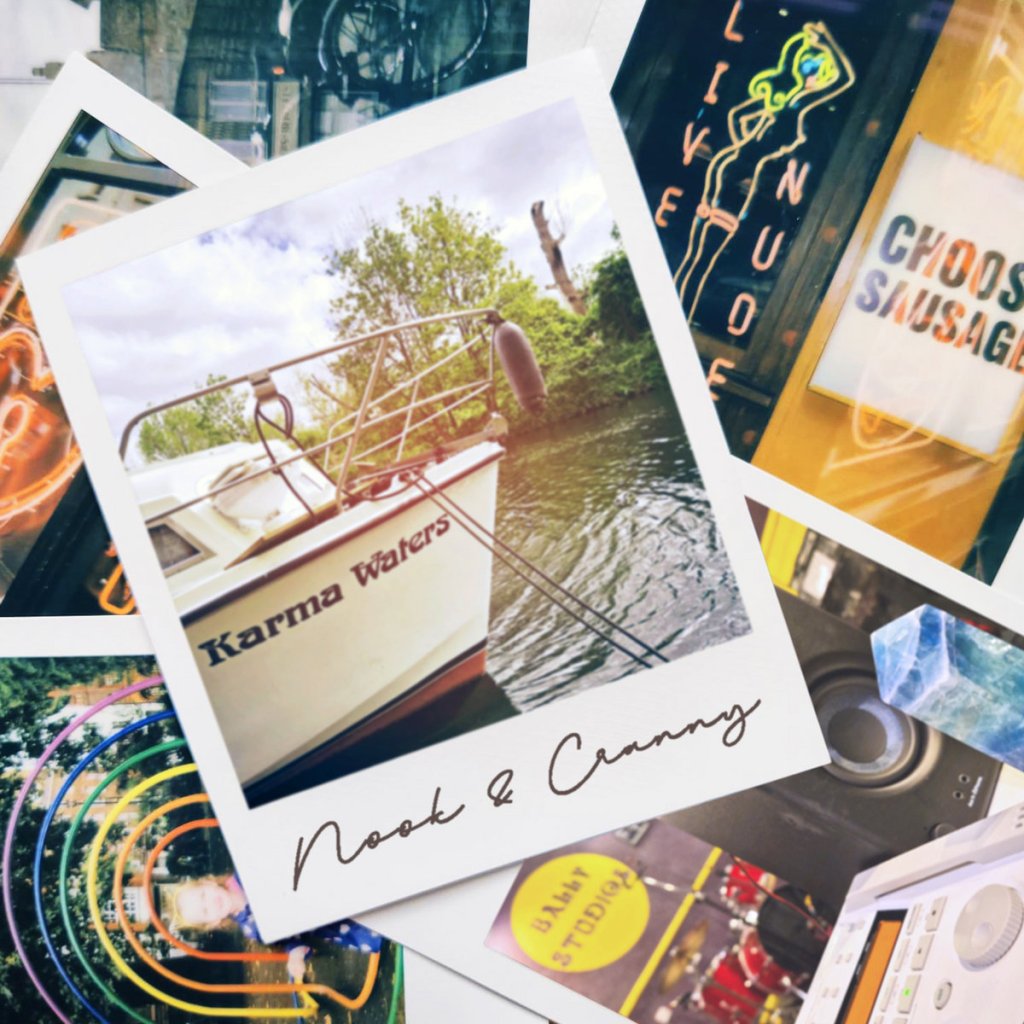
The pair first crossed paths back in 2009 in Fremantle, Australia, before both eventually settling in London and spending years together in projects like Silent Republic, Moon, and Astral Lynx. You can hear that shared past in how unforced everything feels. Nook & Cranny began as a side project, a chance to simply jam without expectation, but Karma Waters captures the moment when that freedom was allowed to stretch into something more intentional. Recorded across four improvised sessions at Bally Studios in early 2024, the album leans fully into instinct. Guitars and drums were tracked live with no rehearsal, later shaped and refined with minimal overdubs at Matt’s Flighthouse studio. Even the title comes from chance. Karma Waters was the name of a boat moored beside the studio canal, a small detail that somehow ends up feeling central to the record’s character. Here’s how the lads describe the album.
“Karma Waters is a sprawling cinematic & instrumental journey exploring themes of space & time, reminiscent of late 60’s/early 70’s era Pink Floyd. The intention of the album was to capture two musicians in the “flow state”.”
“The guitars & drums for all songs on the album were improvised & recorded live during jam sessions with no prior writing or rehearsing, with minimal overdubs (such as bass, synth and samples) added later.”
Let’s set sail on Karma Waters and see where the four winds take us.
‘We Choose To Go To The Moon’ opens the album and immediately sets the scale of what you are stepping into. It doesn’t rush to make a point. Instead, it slowly lifts off, Dean’s drumming settling into a steady, exploratory motion while Matt’s guitar lines circle and expand. There is a sense of anticipation here, like the moment before leaving solid ground. The JFK speech samples add to that. Themes emerge, recede, then return slightly altered. This is my first step into the world of Nook & Cranny and already I’m hooked.
The title track ‘Karma Waters’ deepens that feeling of movement. There’s a gentle ebb and flow to it, as if we have fallen from the sky and are now slowly twisting and turning in the open ocean. No fear, no panic just being. Guitar tones ripple outward, bass lines quietly anchoring everything beneath the surface. This feels like floating, not drifting aimlessly, but being carried by something you trust. The improvisational core is clear, yet nothing feels loose or unfocused. It is two people listening closely, responding in the moment.
‘Heir To The Throne’ introduces a slightly darker undercurrent. The rhythm tightens, the guitar takes on a more insistent voice, and there is a sense of tension in the narrative, though it never spills into aggression. If the earlier tracks felt like departure and travel, this one feels like arrival somewhere charged with expectation. There’s an irresistible ascending melody motif that appears near the end that just melted me. This is a massive album highlight for me.
By the time ‘Lucid Eye’ comes into view, the album feels fully awake. There is clarity here, a sharpening of focus. The interplay between drums and guitar feels almost conversational, each phrase answered with another that nudges the music forward. It brings a sense of awareness, like suddenly realising where you are in the journey. Small details become more noticeable. A shift in cymbal work. A subtle change in tone. It invites close listening, rewarding patience with moments that feel quietly revelatory.
‘Mercury’ leans back into motion, quicker on its feet, more fluid. There is something itchy and restless about it, a sense of changeability that suits its name. The guitar lines shimmer and bend, never settling for long, while the rhythm section keeps everything just grounded enough to stop it floating away completely. It feels like a turning point, the album acknowledging impermanence before moving on.
At a meagre (in comparison) three minutes, ‘Primitive Pistols’ is the shortest piece on the record, and it works almost like a palate cleanser. The drums feel like they are dying to rip loose but restrain themselves. The energy here is different. Less expansive, more physical. It arrives, makes its point, and steps aside, resetting our ears for what follows.
‘Found & Lost At Sea’ returns to long form exploration, becoming the emotional centre of the album. There is a searching quality to it, a sense of scanning the horizon. The music rises and falls, sometimes feeling assured, sometimes uncertain. It captures that strange duality of being both confident in your direction and aware of how easily you could lose it. The improvisation feels especially alive here, like the band are discovering the track alongside you.
‘Embryo’ feels like a moment of renewal. There is a gentleness to how it unfolds, themes forming slowly, as if being tested before they are allowed to grow. It carries a sense of possibility, the idea that something new is taking shape beneath the surface. The restraint shown here is striking. Nothing is overstated. Everything has its own space on the sound stage. Everything is allowed to breathe.
The album closes with ‘Distant Galaxy’, and it feels like a natural conclusion rather than a grand finale. Expansive without being overwhelming, it pulls together the record’s recurring ideas of travel, reflection, and space. The sounds stretch outward, creating a feeling of looking back at everything you have passed through from a great distance. When it finally fades, there is no sharp ending, just a sense of arrival and acceptance.
What makes Karma Waters so absorbing is not just its sound, but the way it invites you to create your own internal story. Because it is wholly instrumental, the narrative is yours to shape. One listen might feel cosmic, another grounded and earthly. That flexibility feels intentional, born from the way these pieces were first created in the moment, without a fixed destination. By the end, the album leaves you calm, attentive, and quietly changed. Like standing by still water and noticing how much has shifted beneath the surface while you were watching the reflections.
Karma Waters is out now via Flighthouse Records. You can check it out over on the Nook & Cranny Bandcamp page.
You can follow Nook & Cranny on social media here…
Discover more from Static Sounds Club
Subscribe to get the latest posts sent to your email.
 Static Sounds Club