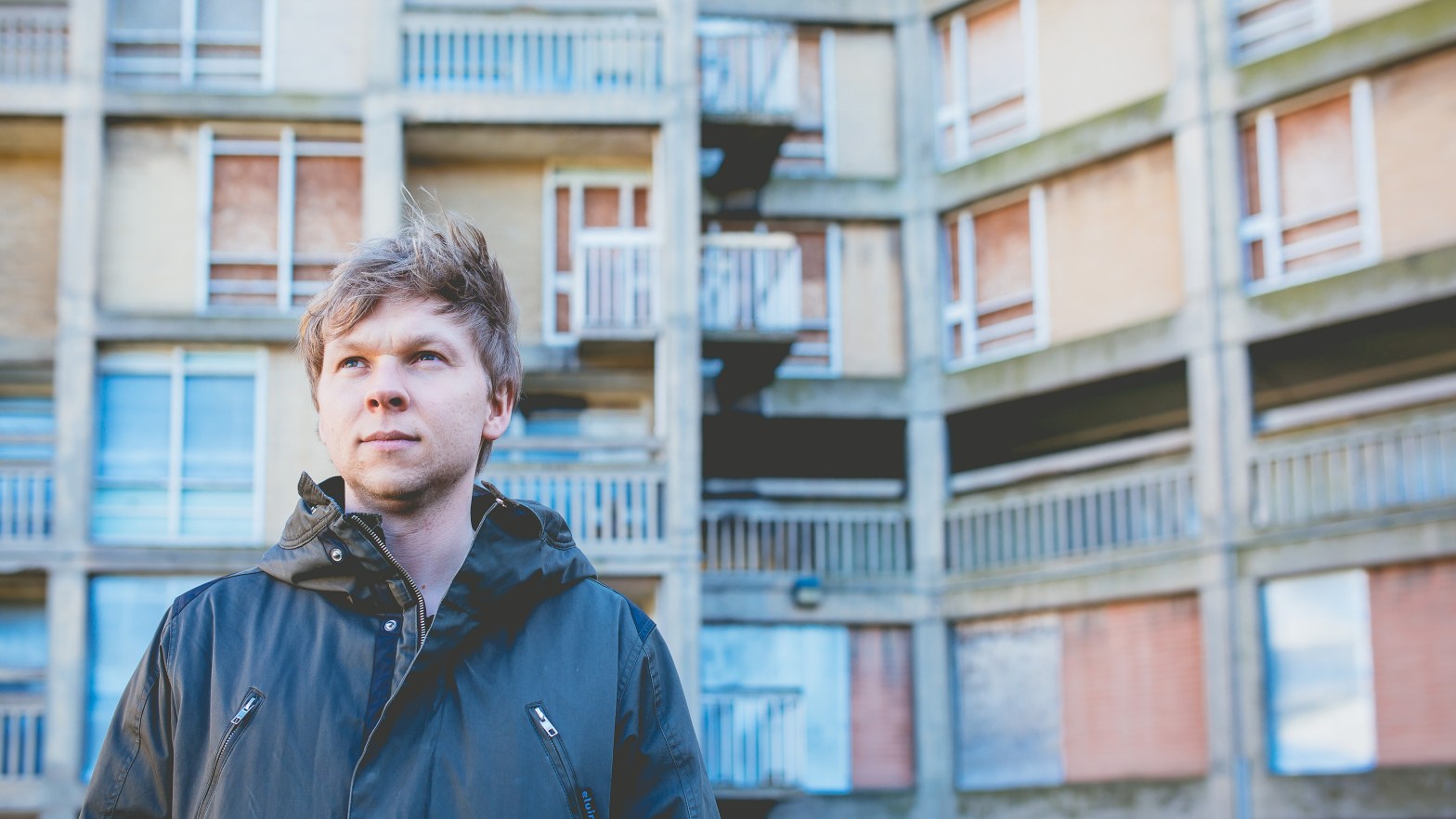
Rosenthal came to me through one song. ‘A Dream’ arrived in the Static Sounds Clubhouse with its glowing guitars. I loved it immediately and had to play it on my DKFM Radio Show, and once a song makes its way onto the show, it tends to stay in my head for a while. Hearing the full debut album Luna now feels like being invited to walk further into a place that first caught my attention through one beautifully judged glimpse.
Behind Rosenthal is Danish songwriter and multi-instrumentalist Jeppe Kiel Revsbech, joined here by Ask Kjaergaard on guitar and Asker Bjork on drums. Jeppe’s route to this album reaches back through a childhood surrounded by hymns, a teenage fascination with the melancholier side of pop music and years spent playing drums in bands before stepping forward with songs of his own. Those threads sit close to the surface of Luna. The name Rosenthal translates as rose valley, and it suits music that holds beauty and hurt so closely together. Luna moves through dream pop, electronic rhythm, shoegaze guitar colour and the kind of yearning pop language that links Jeppe back to discovering The Cure, Cocteau Twins and New Order late at night through MTV. Yet this album has a personality of its own from the opening seconds. These songs are intimate and generous, built around fear, reassurance, longing, loss and the little flashes of light that help you find your feet again.
Jeppe has spoken about his wish for Rosenthal to reach people, saying,
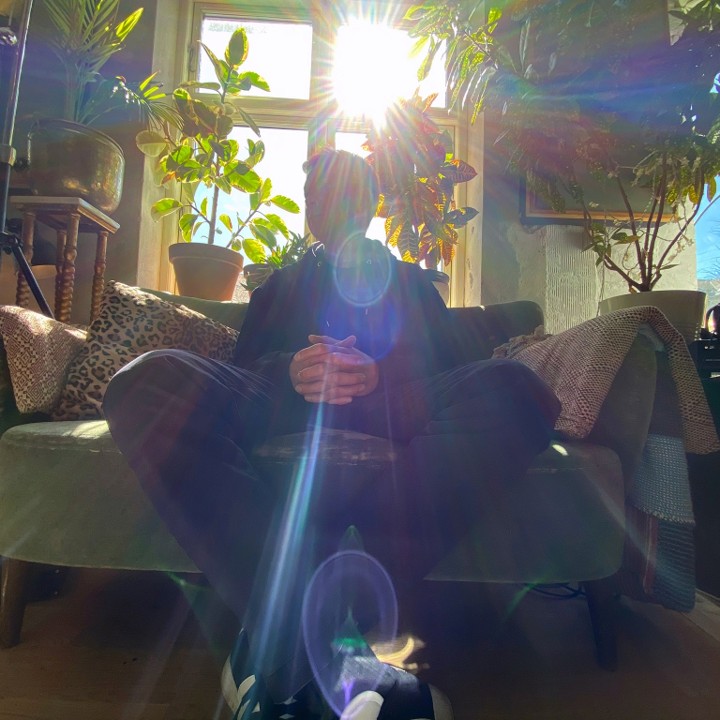
“I hope people will find it soothing. My father was a minister and when he was preaching in church, he was kind of comforting people, trying to bring some uplifting thoughts about how the word is, and I think that in a way that’s what I’m doing. While it’s not a religious message I’m putting out, hopefully I’m putting across that life is really complex and that’s the same for all people, but there are some things you can cling on to.”
Having already fallen for ‘A Dream’, I came to the full record hoping that feeling would be waiting elsewhere inside it. Let’s see where it takes us.
There is a quiet confidence to the way ‘Heart’ opens the album. The bass picking out the melody reminding me of The Cure or New Order. Then sparkling guitar lines flicker above the beats while the bass keeps everything grounded, allowing Jeppe’s voice to enter with a softness that immediately draws you close. It’s a song reaching towards someone whose thoughts have grown heavy, offering brightness through sound rather than grand gestures. As my first experience of the album proper, it’s the point where I realised the single had led me somewhere worth staying. The warmth I had heard in that first song was already here, right at the entrance to the record.
The support offered in ‘Heart’ becomes more personal on ‘Afraid of Stairs’. Jeppe wrote the song with his nephew in mind, seeing in him some of the sensitivity he recognised from his own childhood. That background gives the track a lovely tenderness, as though its melody has been built to reassure rather than overwhelm. The electronic details and flowing rhythm keep it light on its feet, while its emotional purpose gives it depth. For a song dealing with fear, it has a striking gentleness about it. Rosenthal understands that courage can begin with someone beside you saying that the next step is possible.
The title track, ‘Luna’, opens another aspect of the record. The arrangement feels more delicate here, as the album turns its attention towards renewal and the comfort of looking upwards after a difficult spell. Its organic feel brings you closer to Jeppe’s voice and the feeling behind it. This was the point where Luna began to feel like a complete world rather than a collection built around the song I already knew. Although the arrangement is sparse the melody is full of hope and belonging.
Then comes ‘A Dream’, the song that brought me here in the first place. Hearing it inside the album gives me a new appreciation for it. On the show it worked instantly, a song with enough melodic lift to catch your ear with that pulsing dream pop opening. Within Luna, it arrives after the gentle reassurance of the opening tracks and feels like an emotional release. The guitars open out; the bass gives the song a lovely weight and Jeppe’s vocal carries the feeling of finding shelter with another person while the weather closes in outside. Playing this on DKFM felt like sharing a song I had just found and already trusted. Hearing it now among the rest of the album confirms why it made such an impression in the first place.
‘Intermezzo’ gives the record a short clearing after that high point. It serves as a small change of pace, a space where the first half of the album can settle before Rosenthal moves into heavier feeling. There is a real understanding of album sequencing here. A song such as ‘A Dream’ has a glow that needs a little room around it, and this brief piece provides exactly that. It also marks the point where my own relationship with the record changes. The song that introduced me to Rosenthal has passed, and the second half now has to carry me somewhere new.
It does so immediately with ‘Lashes’. The synths turn colder, the bass becomes more pronounced and the mood closes around a song shaped by unreturned desire. Here you hear more of the darker pop inheritance that sits within Rosenthal’s music, with echoes of the bands Jeppe encountered during those late-night music television discoveries of his youth. The voice remains close and human throughout, which stops the song becoming distant or decorative. ‘Lashes’ is written from the part of longing that refuses to disappear simply because you know it will remain unanswered.
Up next ‘Void’ is given room to sit with loss and the questions that follow it. The album seems to widen around this song, with the instrumentation creating distance and wonder while Jeppe’s singing keeps the feeling personal. Coming to Rosenthal as a new listener, I found this one particularly revealing. ‘A Dream’ had introduced a songwriter capable of beauty and melodic warmth, while ‘Void’ shows his willingness to leave difficult emotions open and unsettled. It is a patient piece of writing, allowing its sense of absence to fill the space at its own pace.
Reversed synth pads lead us into ‘The Home Stretch’, and their unsteady arrival feels like a welcome opening in the air after the searching weight of the previous track. The final song turns towards release and freedom, gathering the record’s concerns without forcing them into a tidy answer. That feels right for an album concerned with the complexities Jeppe has spoken about throughout his writing. You do not finish Luna feeling that every fear has disappeared or every loss has found an explanation. You finish with the sense of having moved through them alongside someone who understands the value of a hopeful melody.
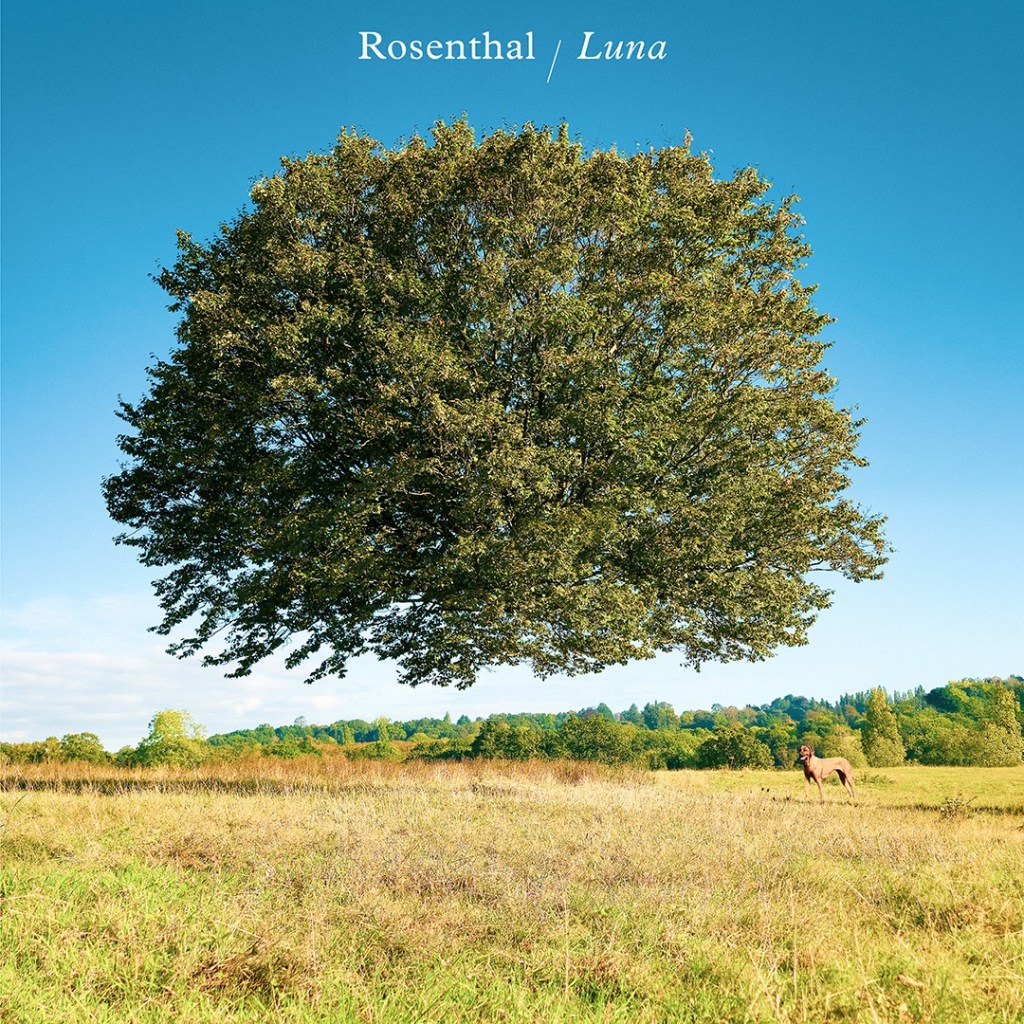
My route into Rosenthal began with a track that caught my ear strongly enough to earn its place on the DKFM show. That alone would have been a lovely discovery. Luna makes it feel like the beginning of a much more rewarding connection. Jeppe Kiel Revsbech has made a debut album that knows how to be accessible while carrying questions about fragility, affection, loneliness and the ways we steady one another. First impressions can lead you to some wonderful places. ‘A Dream’ opened the door for me, while Luna gave me every reason to remain inside Rosenthal’s music. This is an album I can imagine returning to on quiet evenings, on radio playlists and in those moments when a song offering comfort feels especially welcome. Jeppe set out to make music people could connect with. From my first play of ‘A Dream’ to the closing notes of this debut album, Rosenthal has made that connection feel entirely natural. Luna shines most brightly when you allow its songs to keep you company after dark.
Luna is out now via AfterImages. You can check it out on all your usual streaming services.
You can follow Rosenthal on social media here…
Discover more from Static Sounds Club
Subscribe to get the latest posts sent to your email.

