
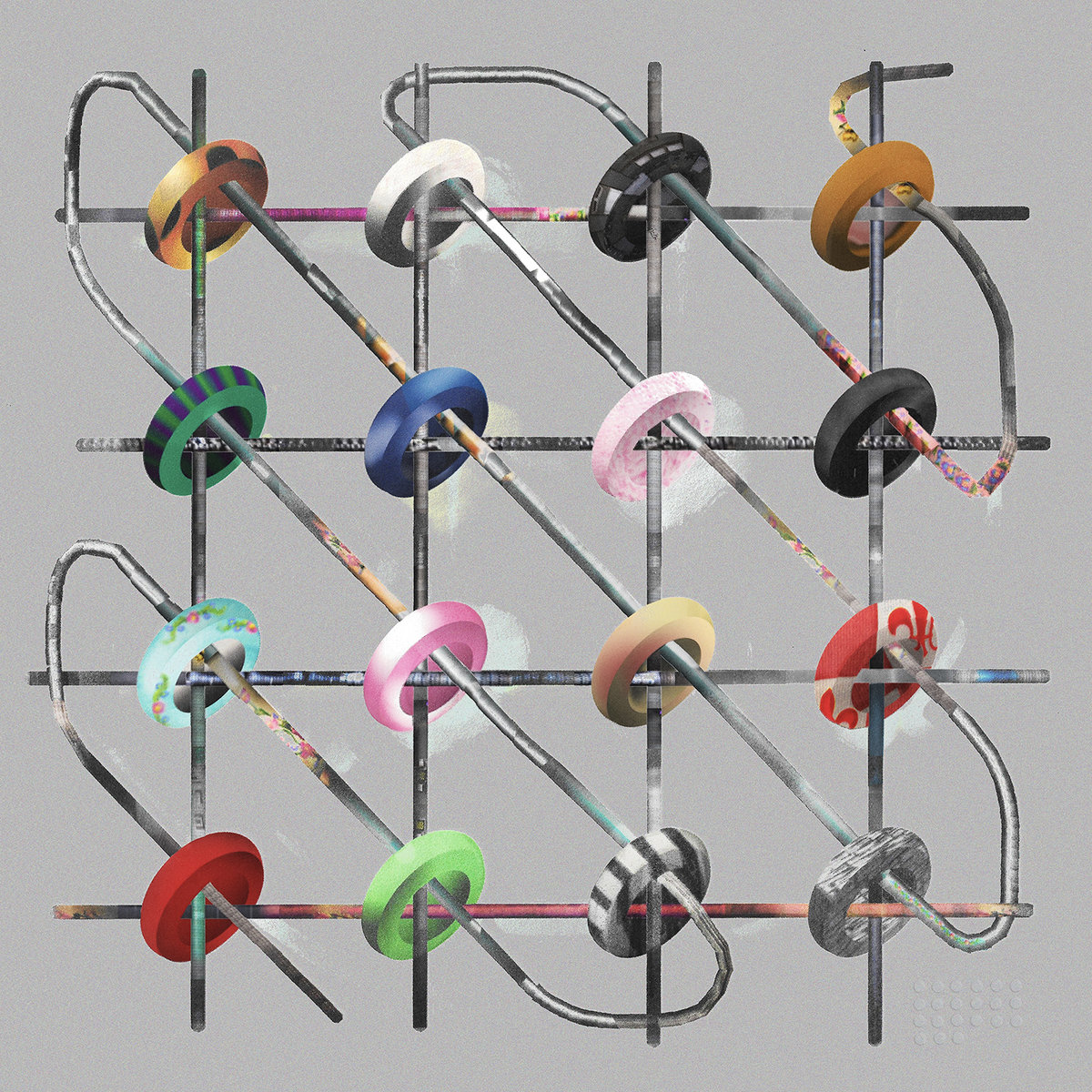
A few years ago, Feeble Little Horse fell into my world with their debut album proper Hayday. I was obsessed immediately. That was followed by Girl with Fish which pushed their name well beyond the Pittsburgh DIY scene and introduced a wider audience to a group that could twist shoegaze, noise rock and indie pop into something truly unique. Since then, they have toured relentlessly, signed to Saddle Creek and continued refining a sound that refuses to sit inside any one genre. With founding member Ryan Walchonski now departed, Sebastian Kinsler, Lydia Slocum and Jake Kelley return as a trio on Bitknot. Rather than filling the gap, they use the opportunity to rethink how these songs are built. The guitars remain huge, the melodies remain irresistible, yet electronic textures now play an equal role in shaping the record. If Girl with Fish hinted at where Feeble Little Horse could head next, Bitknot arrives with a clear sense of purpose.
Let’s drop the needle and see where it takes us.
The opening moments of ‘Doorway’ throw you straight into that new direction. Feedback gives way to thick guitar chords before quickly giving way to a strange pause that leaves Lydia Slocum’s voice hanging in space. That stop start tension becomes one of the song’s greatest strengths. Jake Kelley’s drumming keeps everything tightly controlled while layers of distortion gradually creep back into the picture. Slocum sings with a conversational honesty that makes every lyric feel close enough to touch. By the closing seconds you already have a sense that this album intends to play with our expectations.
Barely giving you time to catch your breath, ‘Poison’ appears. The song packs an astonishing amount into such a short running time. Warbly synth and almost folk guitar play off each other puzzling and exciting in equal amounts. You can almost picture the band writing this one with the intention of squeezing every possible idea into the smallest available space. It feels restless, impatient and completely addictive. Every listen reveals another small production detail hidden beneath the surface.
That intensity melts into ‘Rewind’, one of the album’s brightest moments. The guitars loosen their grip while shimmering synth textures begin taking centre stage. Slocum’s vocal sits gently above the arrangement, delivering a melody that quietly lodges itself in your head long after the song finishes. You can hear the band’s affection for great pop music throughout the track. Every hook lands naturally while the surrounding electronics constantly shift shape, giving the song a playful quality that rewards repeated listens. To say this song is beautiful isn’t doing it justice.
By the time ‘Shady’ arrives the album is already refusing to stay in one lane. The guitars regain their warbly edge and the rhythm section pushes everything forward with a gentle shuffle. Kinsler has always known how to make guitars sounds that are strangely welcoming and that balance continues here. The hook arrives almost before you expect it, disappearing again just as quickly. That brevity becomes part of the appeal. The band leave you wanting another minute instead of stretching the idea beyond its natural life.
Anyone who caught my recent radio show will already know how much I enjoyed ‘Dior’. Hearing it again within the context of the full album only strengthens its impact. This is Feeble Little Horse writing one of their most immediate songs without sacrificing any of their personality. Beneath the riffs sits an uncomfortable look at envy, social comparison and the strange pressure that comes from constantly measuring yourself against carefully filtered online lives. Slocum delivers those feelings with humour and honesty, making the song feel deeply personal while remaining wonderfully catchy. The playful production touches, including the memorable censored moment, stop the heavier themes from becoming overwhelming. You find yourself singing along before fully appreciating what the lyrics are actually saying.
‘Paris’ acts almost like an interlude, although calling it filler would miss the point entirely. Its brief running time creates breathing room after the emotional rush of ‘Dior’. Strange electronic fragments, treated guitars and distant vocal textures pass through the mix like disconnected thoughts. This is another piece of their world building in music.
One of the most affecting moments arrives with ‘Cradle’. The arrangement slows just enough to allow every instrument room to shine. Slocum’s performance carries a quiet tenderness as the band explore grief and the difficult process of sitting with painful emotions rather than searching for an easy distraction. The guitars here don’t swell into thick walls of sound so they never overwhelm the vocal. Instead, they wrap themselves around it, allowing the emotional weight of the song to grow naturally. It feels reflective without becoming sentimental, offering one of the clearest examples of how much Feeble Little Horse have matured as songwriters. By this point you begin to realise that Bitknot is holding together remarkably well, each song feeding naturally into the next while steadily expanding the album’s central ideas.
As the second half begins, ‘Upside Down’ feels like somebody has plugged fresh circuitry into the album. This is pure synth pop through a feeble little horse kinda filter. The synths flicker around the edges while Kelley’s drums keep everything firmly grounded. The contrast between mechanical sounds, pitched up vocal parts and organic playing becomes one of the song’s greatest pleasures. The vocals glide across the top carrying equal measures of uncertainty and determination. Every element feels carefully placed, creating one of those songs that reveals another hidden layer every time you return to it.
That momentum feeds perfectly into ‘Guts’, a track that perfectly sums up what makes this band such an absorbing listen. The opening seconds introduce warped synth textures before thick guitars suddenly arrive to reclaim the spotlight. It would have been easy for those competing ideas to fight each other, yet the arrangement feels completely natural. Slocum continues examining uncomfortable emotions with striking openness, giving the song an emotional centre beneath all the sonic experimentation. You can hear how much confidence the trio now have in their own instincts. Every strange production choice earns its place.
There is something wonderfully restless about ‘Shopping’. The song takes the familiar habit of endlessly scrolling through carefully curated online lives and turns it into something deeply personal. Slocum’s lyrics paint vivid pictures of comparison, insecurity and wanting pieces of somebody else’s identity, while the band surround those feelings with some of the album’s biggest hooks. The synths create a tidal wave, the guitars roar with purpose, the rhythm section drives everything forward and yet the melody remains effortlessly memorable. It’s easy to understand why this has become one of the record’s defining moments. Few bands are writing about modern life with this level of honesty while still delivering songs that you immediately want to play again.
Everything reaches its conclusion with ‘DMT’, which takes its title from the album’s recurring themes of death, money and technology rather than psychedelia. The song grows steadily darker as layers of guitars, electronics and processed vocals collide with increasing intensity. Slocum sounds almost overwhelmed by the forces surrounding her while Kinsler and Kelley steadily tighten the screws behind her. The closing minutes become genuinely overwhelming in the best possible way, wrapping noise, melody and frustration into one final release of tension. It feels like the logical destination for everything that has come before, bringing together the album’s fascination with human connection, consumer culture and the uneasy relationship between our physical and online lives.
One of the qualities I admire most about Bitknot is how naturally it balances accessibility with experimentation. Every song contains a melody that lingers long after the album has finished, yet those hooks are constantly interrupted by strange textures, sudden edits and production ideas that keep you listening closely. The guitars still possess the fuzzy warmth that first drew so many people towards Feeble Little Horse, though they now share equal importance with synths, samples and electronic manipulation. Rather than feeling stitched together from different influences, everything serves the same emotional purpose. The record continually asks where genuine human connection still exists when so much of modern life takes place through screens, algorithms and endless consumption. Those questions never feel heavy handed because the songs themselves remain full of humour, vulnerability and genuine heart.
Having followed this band for the past few years, Bitknot feels like the point where every piece of the puzzle clicks into place. The trio have sharpened their songwriting without sanding away the rough edges that made them so appealing in the first place. They still sound playful. They still sound unpredictable. They simply understand their own identity with greater clarity than ever before. Whether you arrive here through shoegaze, indie rock, noise pop or pure curiosity, this is an album that rewards your attention from beginning to end. Every return uncovers another thread woven into the knot, making Bitknot a record well worth getting tangled up in.
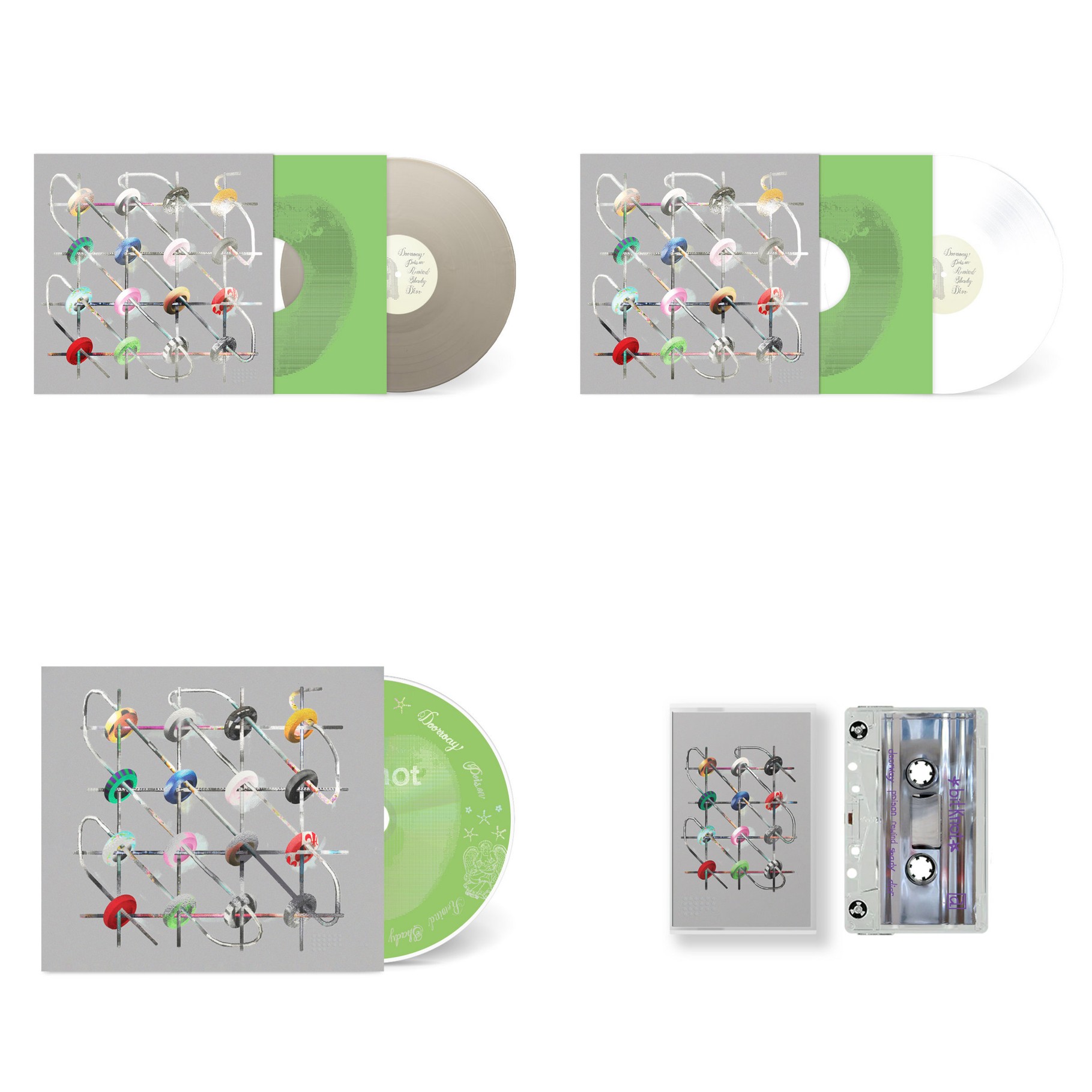
Bitknot is out now via Saddle Creek Records. You can check it out over on the Feeble Little Horse Bandcamp page.
You can follow Feeble Little Horse on social media here…
Discover more from Static Sounds Club
Subscribe to get the latest posts sent to your email.

