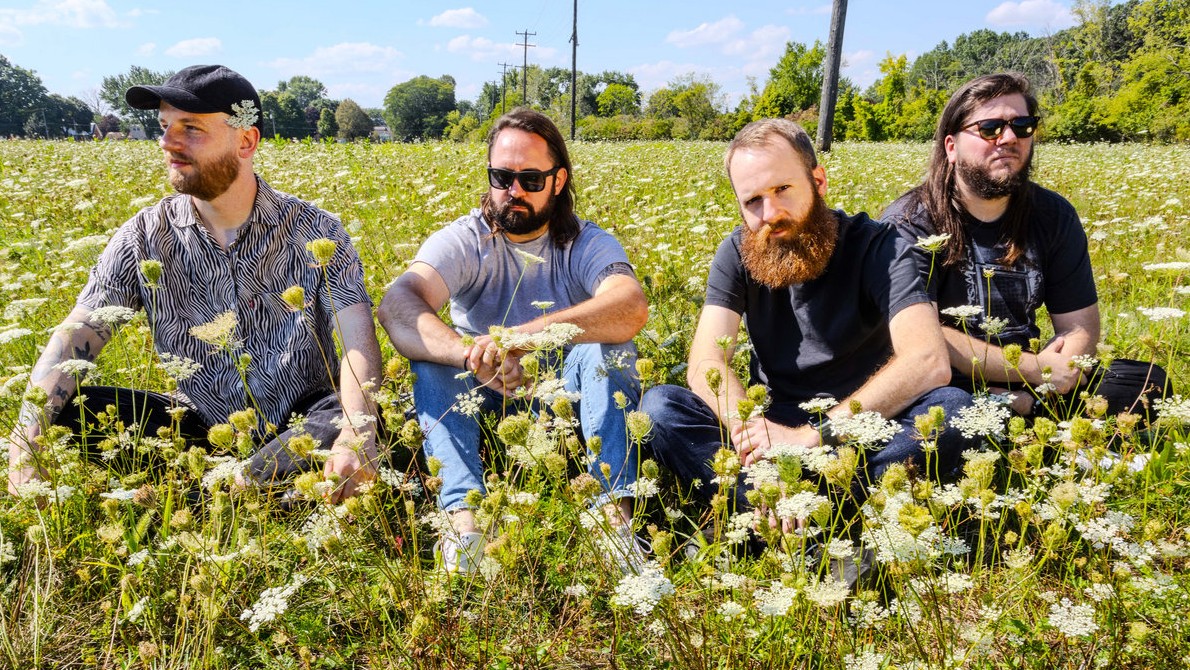
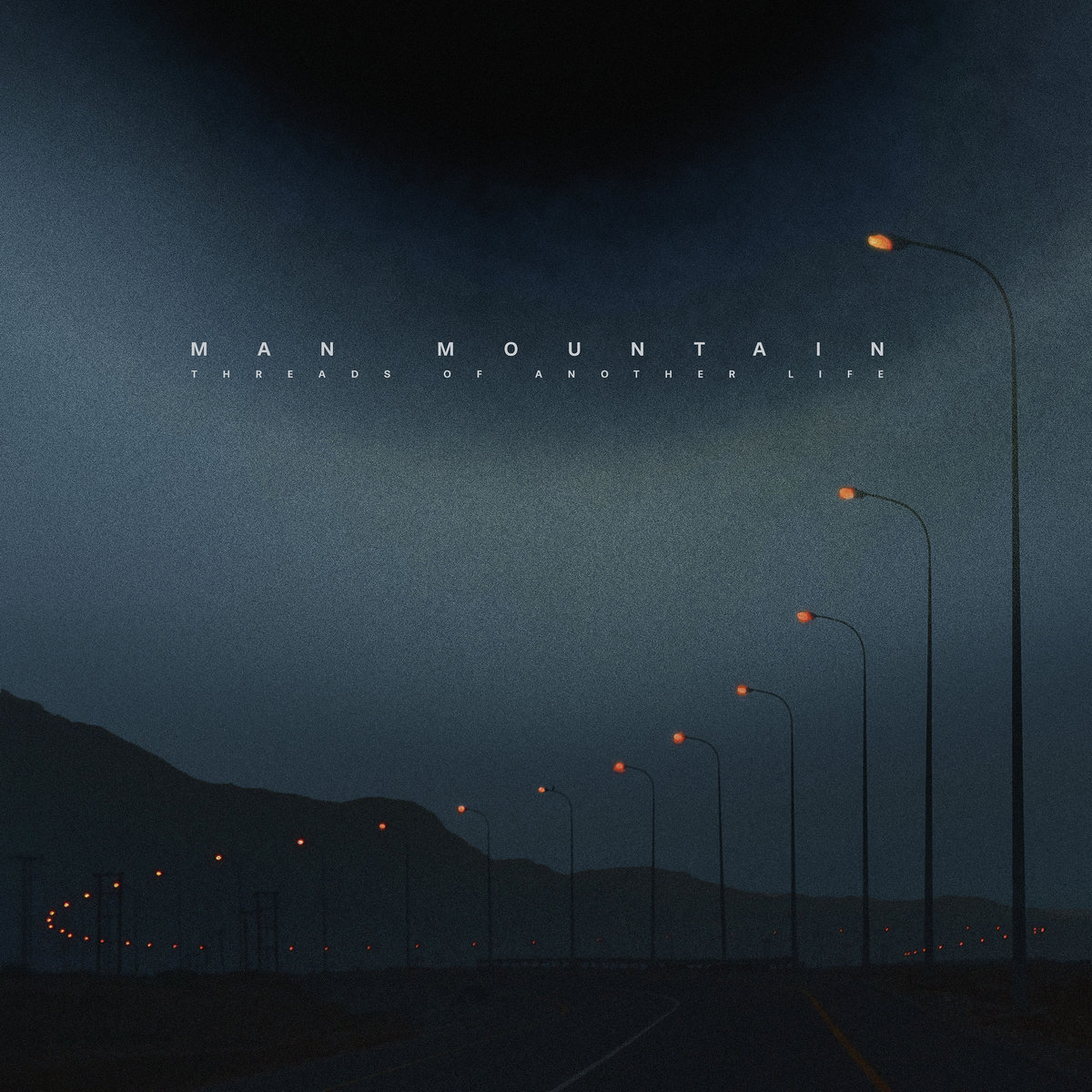
Eight years sit between Man Mountain’s debut album, Infinity Mirror, and its follow up, Threads Of Another Life. That gap contains more than the usual passage of time between records. The Southeast Michigan instrumental post rock quartet had to work through pandemic isolation, personal grief and the strange distance of remote collaboration. Mike Reaume and Bryan Cowles on guitar, David Reaume on bass and Jacob Goins on drums turned those experiences into seven ageless pieces arranged in the order their shared story unfolded.
Man Mountain’s roots reach back to 2012, when the project began with two musicians playing songs by The Appleseed Cast in a basement. Their first EP, To Call Each Thing By Its Right Name, arrived in 2013, followed by the standalone piece ‘To Be Made As New’ in 2015. Infinity Mirror came three years later through Spartan Records and established the long builds, layered guitars and patient sense of release that have stayed central to the band. Threads Of Another Life returns to those foundations with a deeper emotional range and a denser sound. The album draws ambient guitar, shoegaze textures and a strong rhythmic pulse into one continuous account of a period none of its members could simply leave behind. The seven tracks move through wonder, uncertainty, comfort, loss and acceptance, with recurring guitar ideas providing a thread between those feelings. By the final minutes, the album has passed through several emotional states and retained a clear musical identity.
Let’s drop the needle and I’ll tell you all about it.
‘Astralis’, meaning “of the stars”, slowly comes to life like the night sky appearing after dusk. A central guitar figure emerges first, then flecks of light begin appearing around it as the other guitar adds detail. Reaume’s bass and Goins’ drums hold down an escalating backbone, keeping the music grounded while the upper register guitars reach outwards. The group take their time over the opening, allowing every new layer to register before the next one arrives. That patience gives the louder passages a genuine sense of lift. There is awe in the arrangement, joined by a hint of uncertainty that keeps the music emotionally open. It is a glorious start and an immediate reminder of how much Man Mountain can say through instruments alone.
The slow evolution continues through ‘Bright Oblivion’, where bursts of distorted guitar punctuate the silvery sheen of the main melody. Those heavier entries arrive with purpose, briefly roughening the surface before the cleaner tones reassert themselves. David Reaume’s bass really comes to life here. It develops a counter melody beneath the guitars and gives the song a second line for your ear to follow. That bass movement lifts the whole arrangement and prevents the gradual build from feeling predictable. Around the midpoint, the band open everything up and the song explodes into life. The guitars widen, the drums gain force and the earlier restraint suddenly makes sense as preparation for this release. This is the first full display of what the quartet can do when every part arrives at the same emotional peak.
‘Liminal Void’ changes the album’s pace through a three-minute ambient passage that acts as a bridge while taking the record somewhere new. The title points towards an in between state, and the music seems to suspend ordinary ideas of forward motion. Tones hover, fade and return with small changes, giving you time to absorb the force of the preceding track. I find myself thinking of Sigur Rós here, particularly their ability to make open space feel emotionally charged. Man Mountain use that space with similar confidence. The piece also performs an important structural role, resetting your ears before the album enters its most comforting section. Its brevity gives every detail extra weight, and it stands comfortably among the band’s best work.
That sense of suspension resolves into ‘Halcyon Dream’, the album’s happiest and most peaceful piece. Chiming guitars provide the structure while Goins weaves an intricate rhythmic pattern around them. The drums keep changing the angle of the melody, adding motion while preserving the warmth at the song’s centre. Each new guitar layer feels connected to the opening figure, so the build moves with clarity. The band let the music rise in measured stages until the whole arrangement feels illuminated. Even at its most exultant, the track retains its sense of safety. You can settle into it, follow the details and enjoy the simple pleasure of its central melody. This is the album highlight for me and the track I keep returning to first.
‘Absence / Descent’ carries us into the record’s bleakest stretch. The guitar tones darken from the outset, and the sombre drumming gives each chord a heavier emotional consequence. Its title separates loss from the movement that follows it, and the arrangement seems to inhabit both conditions. The guitars circle around one another with a severity that recalls The Cure at their most desolate. The instruments take on the emotional pressure that a vocal line might otherwise provide. Distortion gathers around the melody until the music feels raw at its edges. The band maintain their control as the guitars become torrid and the drums press harder beneath them. Coming after the comfort of ‘Halcyon Dream’, this descent feels especially stark and gives the album’s sequence much of its emotional force.
At more than seven minutes, ‘Generation Loss’ has space to develop through several distinct sections. Each passage sends the song in a new direction while remaining connected to the central theme. Guitar figures introduced early are revised as the arrangement progresses, sometimes moving to a different register and sometimes returning with greater weight. This repeated use of familiar material makes the piece feel like memory being altered each time it is recalled. The rhythm section keeps the transitions coherent, with the bass providing a line through the changes and the drums controlling the increase in intensity. Man Mountain keep adding pressure until the separate motifs begin to meet. The closing wall of sound feels earned because the song has shown you where each element began. It is a substantial piece that rewards close listening, especially when you start recognising how its earlier ideas reappear inside the climax.
The closing track, ‘Impermanence’, brings the album’s musical and emotional concerns together in one final breath. Tumbling guitar chords contain a clear sense of hope, and the complementary drums keep the farewell moving at a calm pace. Melodies from across the record seem to leave faint impressions here, giving the finale the feeling of looking back with clearer eyes. The band approach acceptance as an active process, something reached after confusion, comfort and grief have all been allowed their proper space. The piece has enough time to acknowledge everything that came before it. Its louder sections retain warmth, and the quieter details carry a sense of renewal. The ending feels like a “see you later” shared between people who understand that every ending feeds another beginning. It closes the record with acceptance and leaves a small light burning beyond the final note.
Threads Of Another Life turns five difficult years into music that feels considered, personal and deeply connected. Man Mountain let the emotional sequence guide the arrangements, giving every gradual rise and heavy release a reason to exist. Wurst’s production keeps the guitars expansive and preserves the bass melodies and drum patterns that give these songs their internal movement. Smith’s mastering adds scale and retains the rougher edges. The album carries grief, distance and change, then allows hope to emerge through the way its four musicians respond to one another. That wordless approach leaves room for your own experiences to enter the record, which may explain why different passages continue to reveal themselves after repeated plays. Man Mountain have returned with an album built from interrupted lives and enduring connection, and every one of its threads leads somewhere worth following.
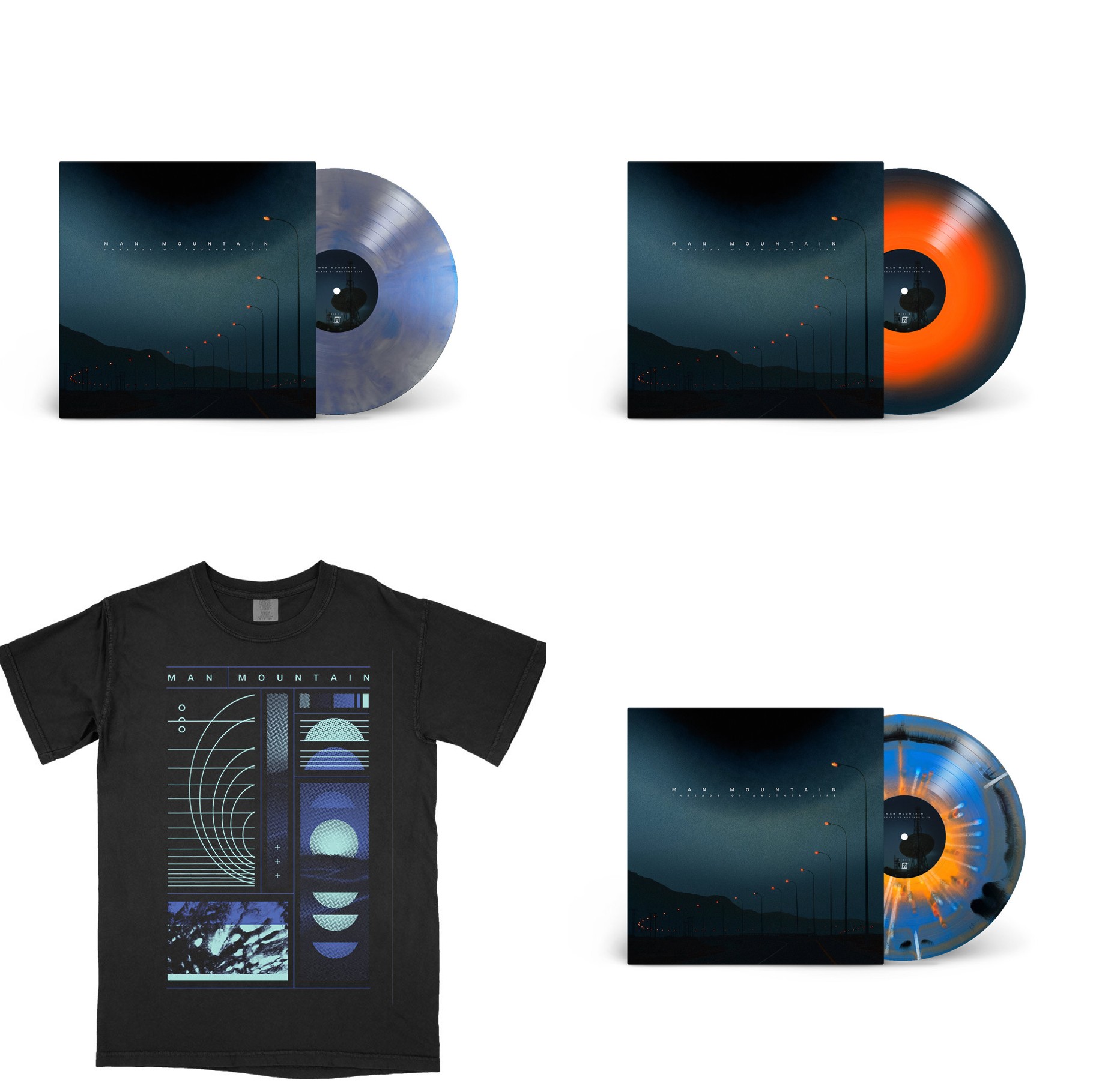
Threads Of Another Life is out now via Spartan Records. You can check it out over on the Man Mountain Bandcamp page.
You can follow Man Mountain on social media here…
Discover more from Static Sounds Club
Subscribe to get the latest posts sent to your email.

