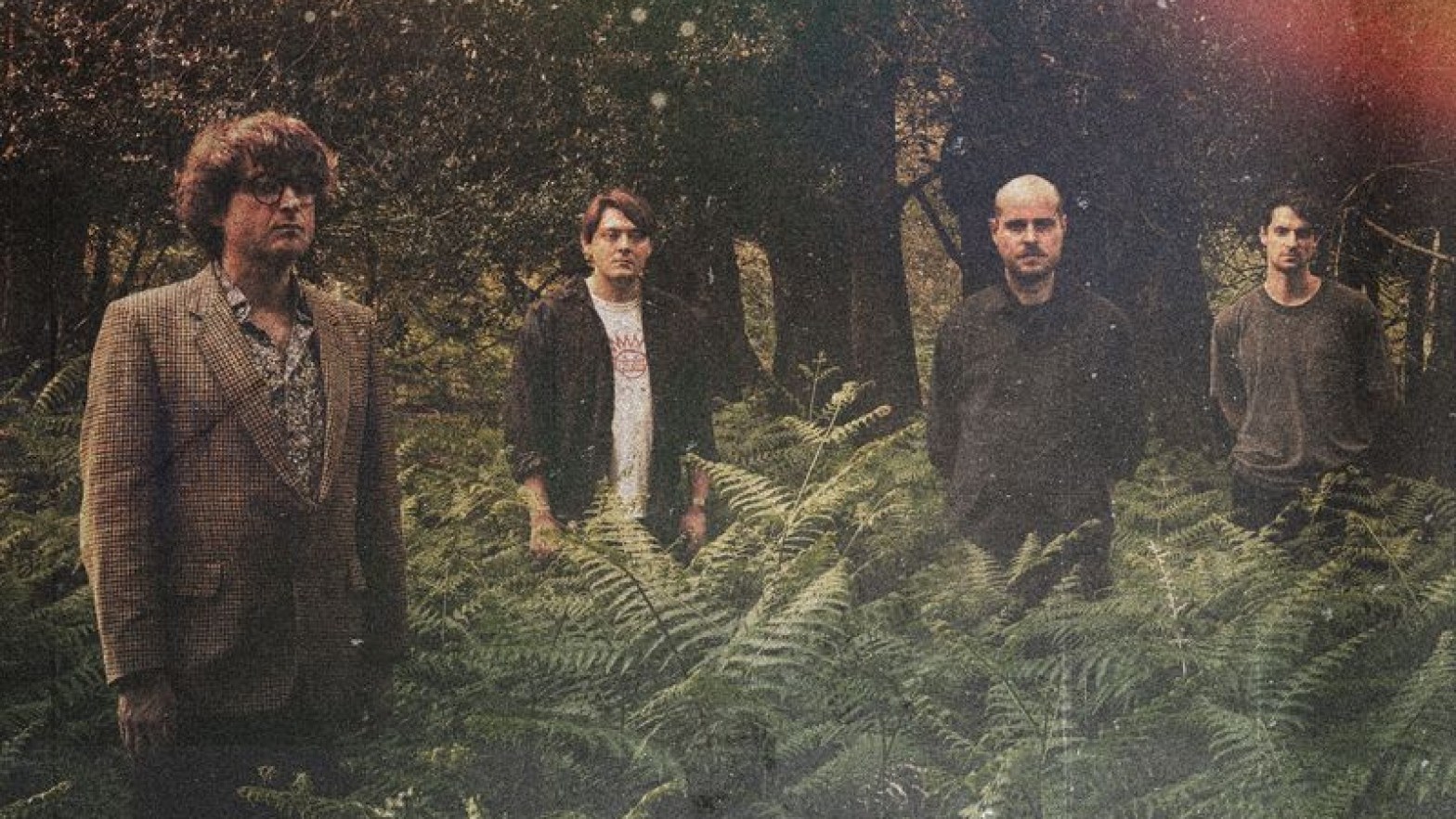
Shadow Flowers centres on singer, guitarist and songwriter Aaron Mills, whose earlier work with Burning House included the Tracer EP and 2019 album Anthropocene. Bassist Patrick White shares that history, joining Mills here alongside drummer Ash Babb for Shadow Flowers’ debut album, Blood Book. That established musical relationship gives these ten songs a strong foundation, and Mills uses it to explore a considerable range of ideas. Shoegaze and grunge provide the opening invitation, with orchestral pop, acoustic balladry and experimental passages all finding their place as the record develops. For our first encounter with Shadow Flowers here on the blog, there is plenty to get acquainted with.
Mills gives a useful insight into his approach to recording when he says,
“You can imagine something now and have a machine produce it, exactly as specified. The job is to leave it unresolved. A Fender Tweed amp at breakup sounds like the glass is about to split, and that’s the part worth keeping.”
You can hear the appeal of those rough edges throughout the album, particularly in the relationship between the guitar distortion and the softer melodies. Its arrangements encourage you to listen into the songs, following the smaller instrumental parts as closely as the big guitar passages.
Let’s dive in and explore this amazing album.
Pounding drums and wailing feedback announce ‘Paraselene’, an opening that gets straight to the heavier end of my musical tastes. If Whirr and Luster feature regularly in your listening, you will find plenty to enjoy in the density of these guitars. The drums give that mass of sound a firm direction, keeping the song moving beneath the feedback. Mills has connected the track with grief and the ways memory changes, taking its title from the optical phenomenon in which refracted moonlight produces the appearance of another moon. That idea offers an interesting way into the music, where a recognisable melody exists within layers of distortion. Then the guitar solo arrives and my ears go straight to Billy Corgan. The phrasing adds a more overtly expressive guitar voice to the shoegaze weight, opening up another aspect of Mills’s playing within the first song. It’s a thoroughly convincing start, and that solo gives you an early indication of how much ground the album might cover.
The melody in ‘Pickpocket’ is the sort that would sit happily in Nothing’s repertoire. Mills has a lovely feel for a vocal line that remains memorable within a heavy arrangement, and here the guitars give it considerable substance. I particularly like the stutter into the chorus. It’s a small structural decision with a sizeable effect on the listening experience. The discordant guitar solo is equally well judged, its simple phrasing allowing the tone of each note to do the work. Between that solo and the recurring hesitation before the chorus, ‘Pickpocket’ keeps giving your ear something specific to return to.
A slight reduction in intensity brings us into ‘Touching’, where the band’s more intimate side begins to emerge. There is still plenty of guitar weight, with a brighter sparkle running through the backing that changes the atmosphere around it. My first thought was of a dream pop band and a shoegaze band playing the same song together. Both approaches remain audible, sharing the melody and giving it different qualities. The heavier layers lend the song fullness, while the brighter details make the arrangement feel more open. You find yourself listening to the relationship between those layers, noticing how the gentler sounds remain present within the larger arrangement. It also makes ‘Touching’ an effective third track, extending what we have already heard and preparing us for the broader musical interests that follow.
‘Joy’ brings a clear affection for the dramatic pop arrangements associated with Phil Spector’s sixties productions. I have heard Cyanide Sisters work in similar territory with real success, and Shadow Flowers approach it with an equally persuasive sense of melody and scale. The strings are central to the appeal here. Their sweep brings Mercury Rev’s Deserter’s Songs to mind, giving the song an orchestral richness that feels entirely at home alongside Mills’s writing. After the opening run of guitar heavy tracks, it’s a pleasure to hear the band express themselves through this different set of sounds. The emotional breadth remains familiar, carried now by the strings and the fullness of the arrangement. ‘Joy’ also gets a great deal done within a relatively compact song. It gives the album a new colour and leaves you ready to hear where Mills takes it next.
Chiming bells and soaring strings give ‘The New Year’ a seasonal appeal that I warmed to immediately. There is a real Christmas feeling to this one, with the bells contributing brightness and the orchestral parts allowing the song to grow into something enormous. Over six minutes, the arrangement develops gradually enough for you to appreciate that growth. Each stage adds to the sense of occasion, and the running time gives the music space to reach its full scale. Mills’s melodic instincts keep the identity of Shadow Flowers clear throughout, even as the instrumentation takes us further into orchestral pop. I love that confidence.
The acoustic guitar in ‘Brown Eyes’ brings us closer again, and its position after ‘The New Year’ makes that change feel especially welcome. Mills has already demonstrated his appetite for large arrangements, and this sombre ballad gives us another perspective on his songwriting. Pedal steel appears in small touches, its lingering sound adding a gentle ache around the acoustic foundation. Those details are enough to preserve the elegance of the preceding tracks while giving the song its own character. The scale here comes from the emotional weight of the arrangement and the space allowed around its parts. I like how naturally it belongs on the record. You can follow a clear melodic sensibility from the distorted opening through the strings and into this quieter setting, which says a great deal about the strength of the writing. ‘Brown Eyes’ gives that continuity one of its clearest expressions.
At just over two minutes, ‘Ghost Ship’ concentrates on texture. Feedback, glitches and synth pads fill the space, creating a brief passage in which the sounds themselves become the main focus. Calling it a tone poem feels appropriate. Its placement also works well. I appreciate an interlude that has a clear role within an album, and this one contributes to the pacing as well as the atmosphere. Shadow Flowers give themselves a couple of minutes to experiment, then carry that curiosity forward.
The Smashing Pumpkins connection returns in ‘Smile Lines’, where the bass becomes one of my favourite details on the record. Listen to the places where it follows the vocal melody. That doubling lends the sung line an extra physical presence, drawing your attention to the tune through two different sounds at once. Further back, a fluttering organ lends the track an eerie fairground quality. I love that wee detail. Between the bass movement and the organ, ‘Smile Lines’ offers plenty to investigate beneath its broader guitar sound. The Pumpkins comparison provides a useful starting point, with those individual instrumental choices giving the song its own appeal.
‘Aino’ takes its time, opening with pounding drums and a sound that brings a hurdy gurdy to mind. That combination establishes an unusual character before the guitars open out across the speakers. Once they arrive, the bass provides a counter melody that reminds me of the feel of Ultra Vivid Scene’s ‘Mercy Seat’. It’s a particularly satisfying part to follow, giving the music a trajectory and a second melodic line for your ear to enjoy. The whole thing carries itself with an earned confidence, and I find the rhythm hard to sit still through. There is ample room for the band to develop these ideas, including a noise section that suggests their affection for My Bloody Valentine. The eventual move into a mellow acoustic ending then gives the song a different final character. You have travelled through several distinct arrangements by that point, and the quieter finish allows their effect to settle.
After all that, ‘The Show’ provides a beautifully judged farewell. Its shimmer has a nocturnal quality, with a gentle melodic centre that suits the album’s closing moments. The strings are particularly lovely here, carrying enough expression to feel almost like another voice within the song. The bass again works closely with the vocal melody, reinforcing particular movements and giving the voice a warm foundation. Mills and his collaborators have paid attention to how each part supports the song, and the closer benefits from that care. It leaves me with the melody and the strings still in mind, which feels exactly right for a record with this much affection for both.
What I enjoy most about Blood Book is the continuity of feeling across its many changes in instrumentation. The heavy guitars of ‘Paraselene’, the orchestral reach of ‘The New Year’ and the acoustic sadness of ‘Brown Eyes’ all belong to the same musical outlook. Mills writes melodies that accommodate those different settings and the wider recording team give the arrangements their individual character. Grief and altered memory provide a stated point of entry through ‘Paraselene’, and the music that follows offers its own mixture of force, intimacy and reflection. There is a lot to enjoy in the smaller decisions too. Give yourself the full album, in order, and allow those details to accumulate. Shadow Flowers have made a debut with plenty worth revisiting, and Blood Book deserves another read.
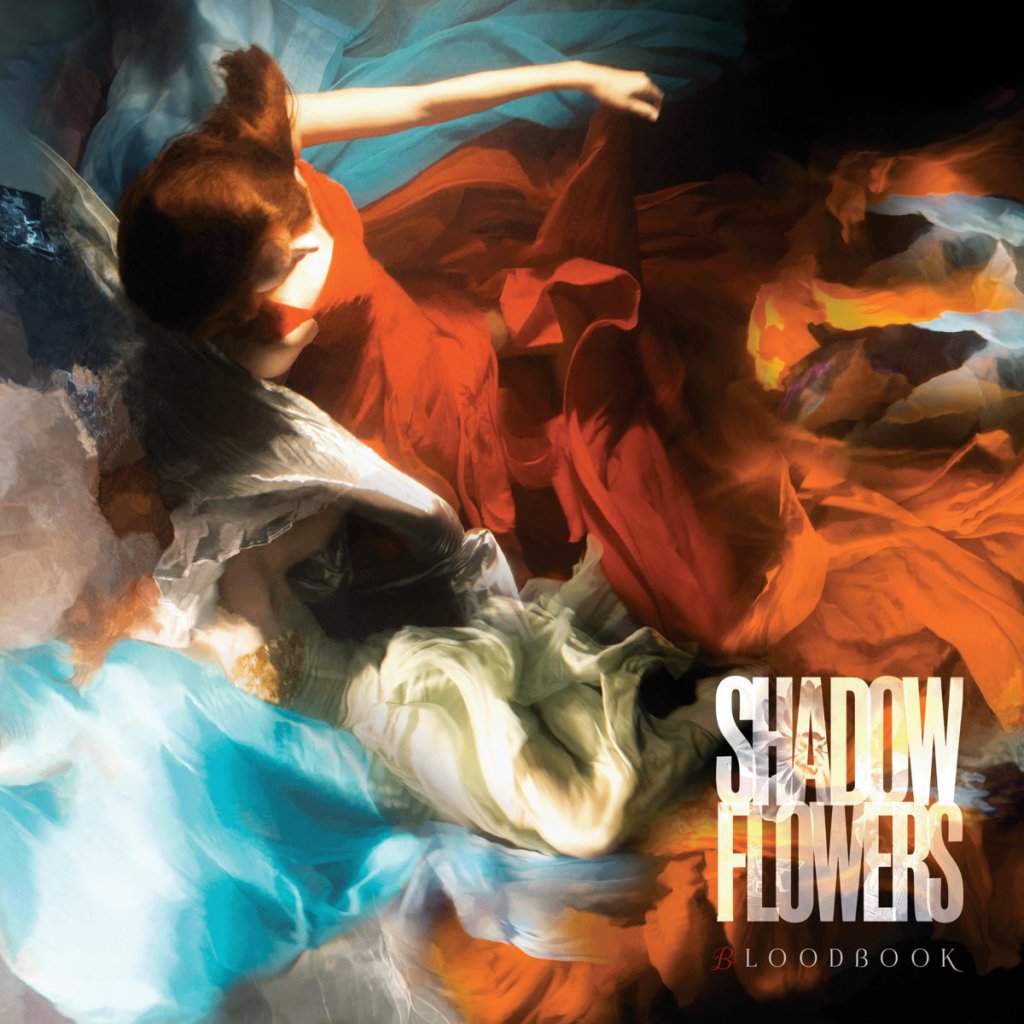
Blood Book is out now. You can check it out over on the Shadow Flowers Bandcamp page.
You can follow Shadow Flowers on social media here …
Photo Credits
Ash Babb
Discover more from Static Sounds Club
Subscribe to get the latest posts sent to your email.

