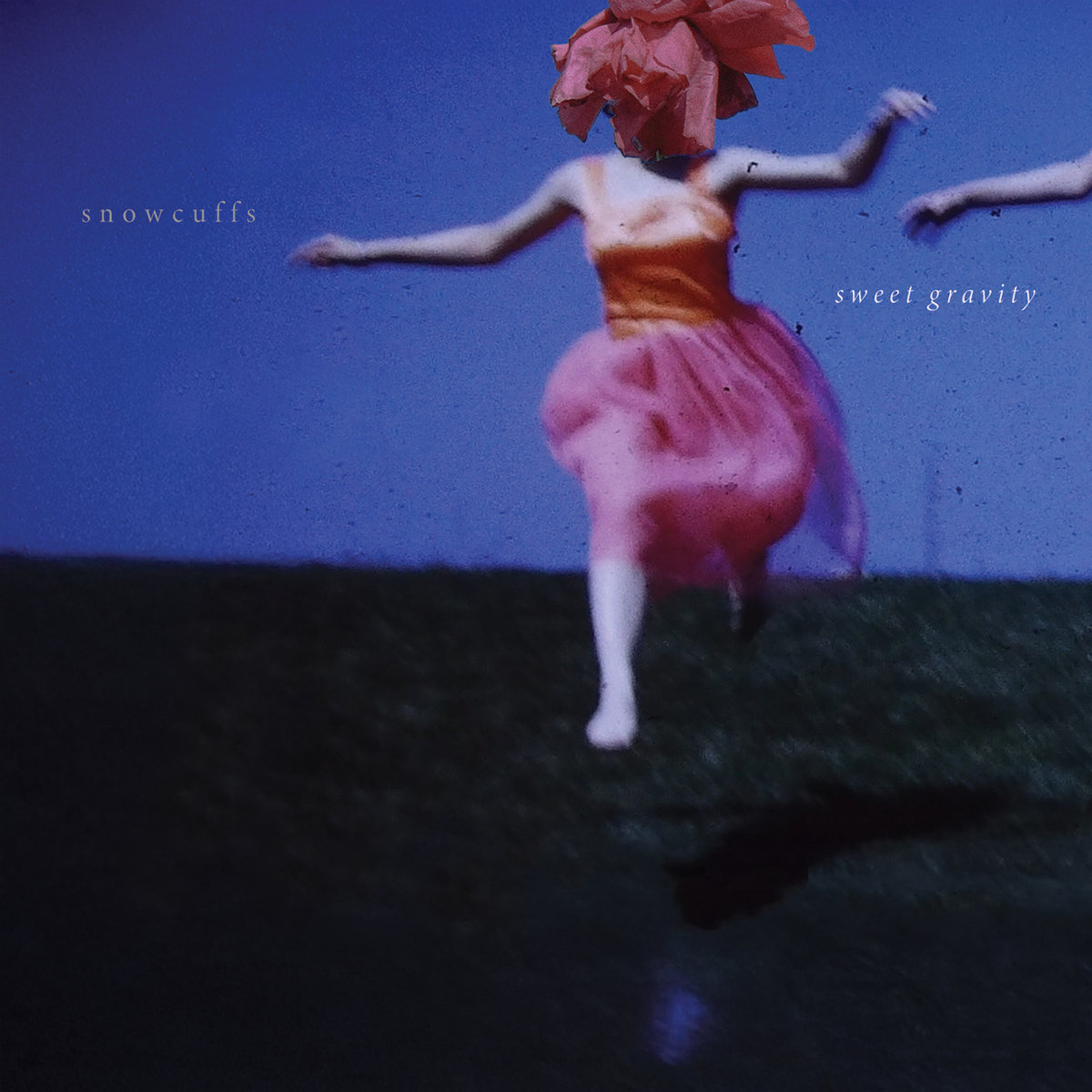
Snowcuffs – Sweet Gravity EP

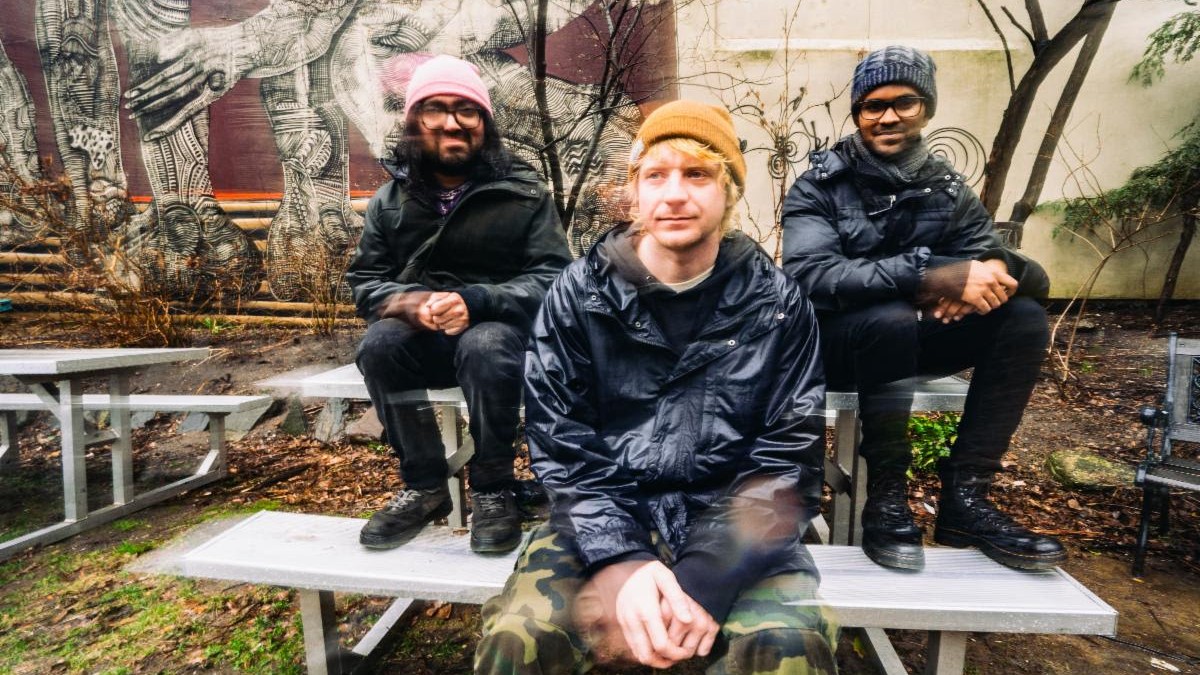
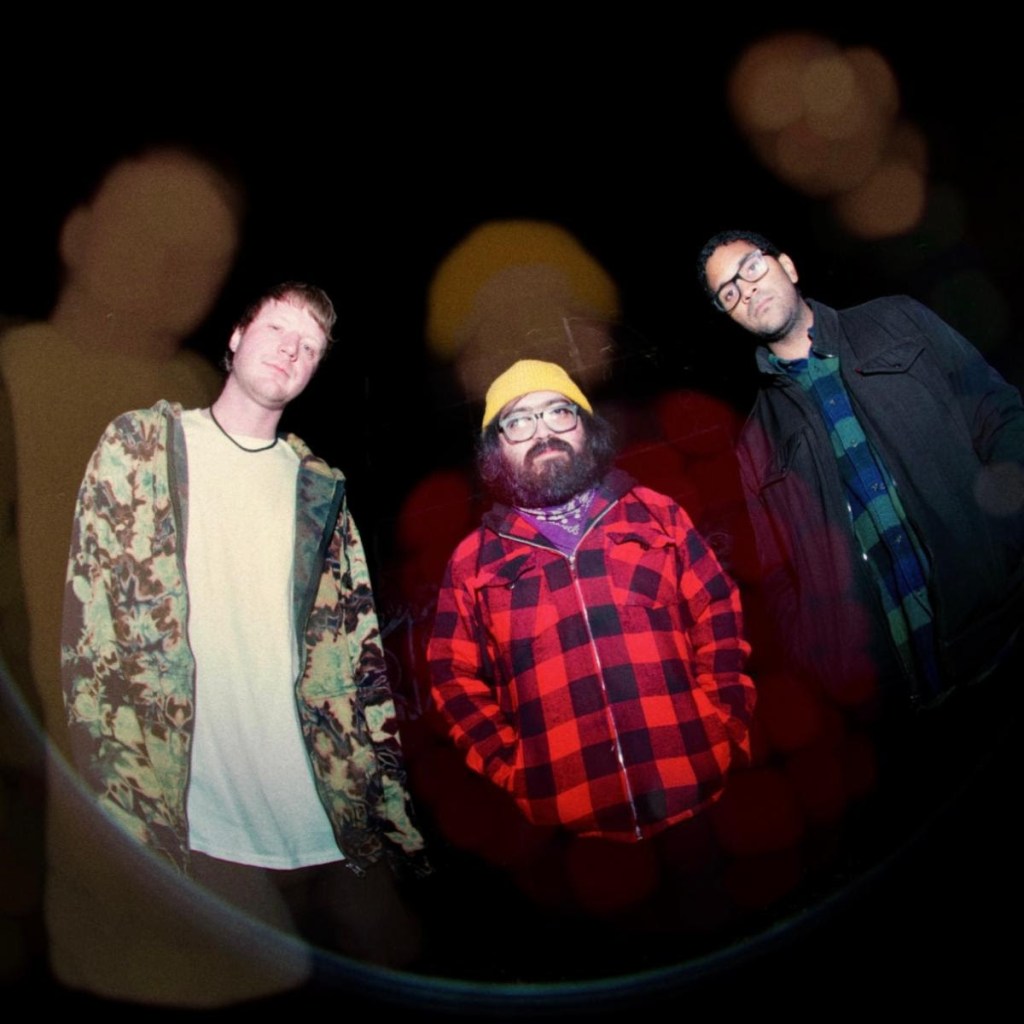
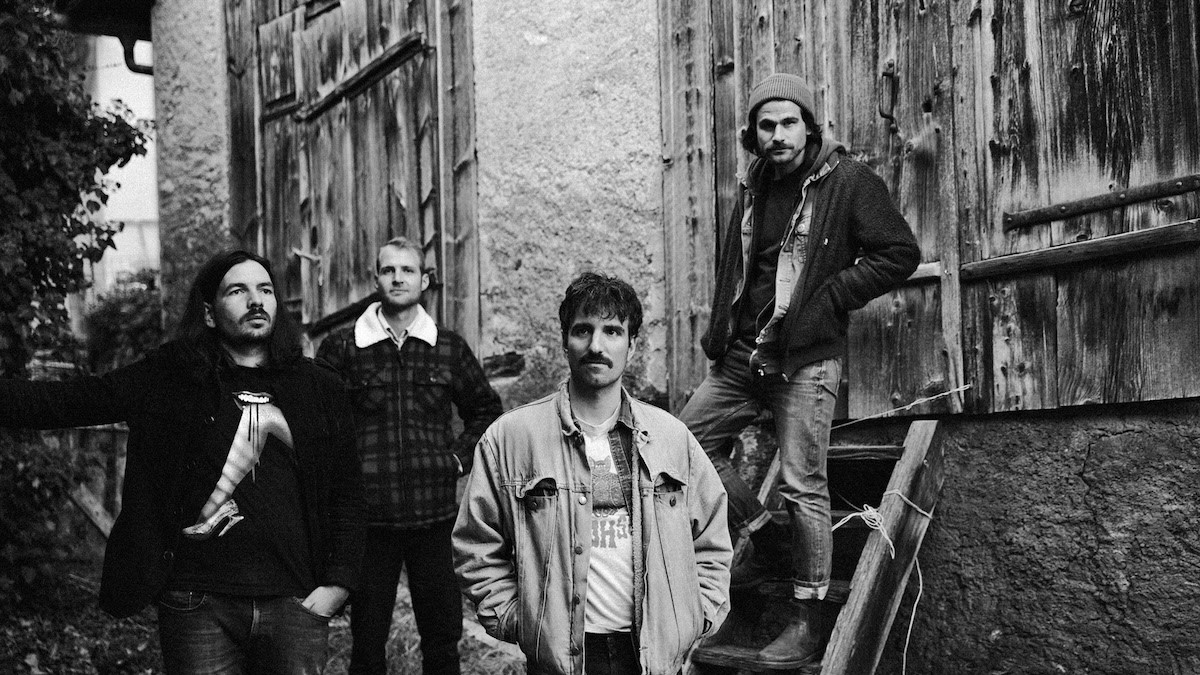
Chicago has long been a favourite shoegaze city of mine. You can trace a line from the city’s heavy underground to its long-standing shoegaze and dream pop communities, and Snowcuffs sit right in that lineage. Formed in late 2022 by members of Lightfoils and Astrobrite, the five-piece arrived with Sink Down in 2025 and quickly showed they knew what real gaze was. That debut EP carried real poise. It earned them slots alongside Cold Gawd, Seashine and Cigarettes for Breakfast and a strong showing at Kalamashoegazer.

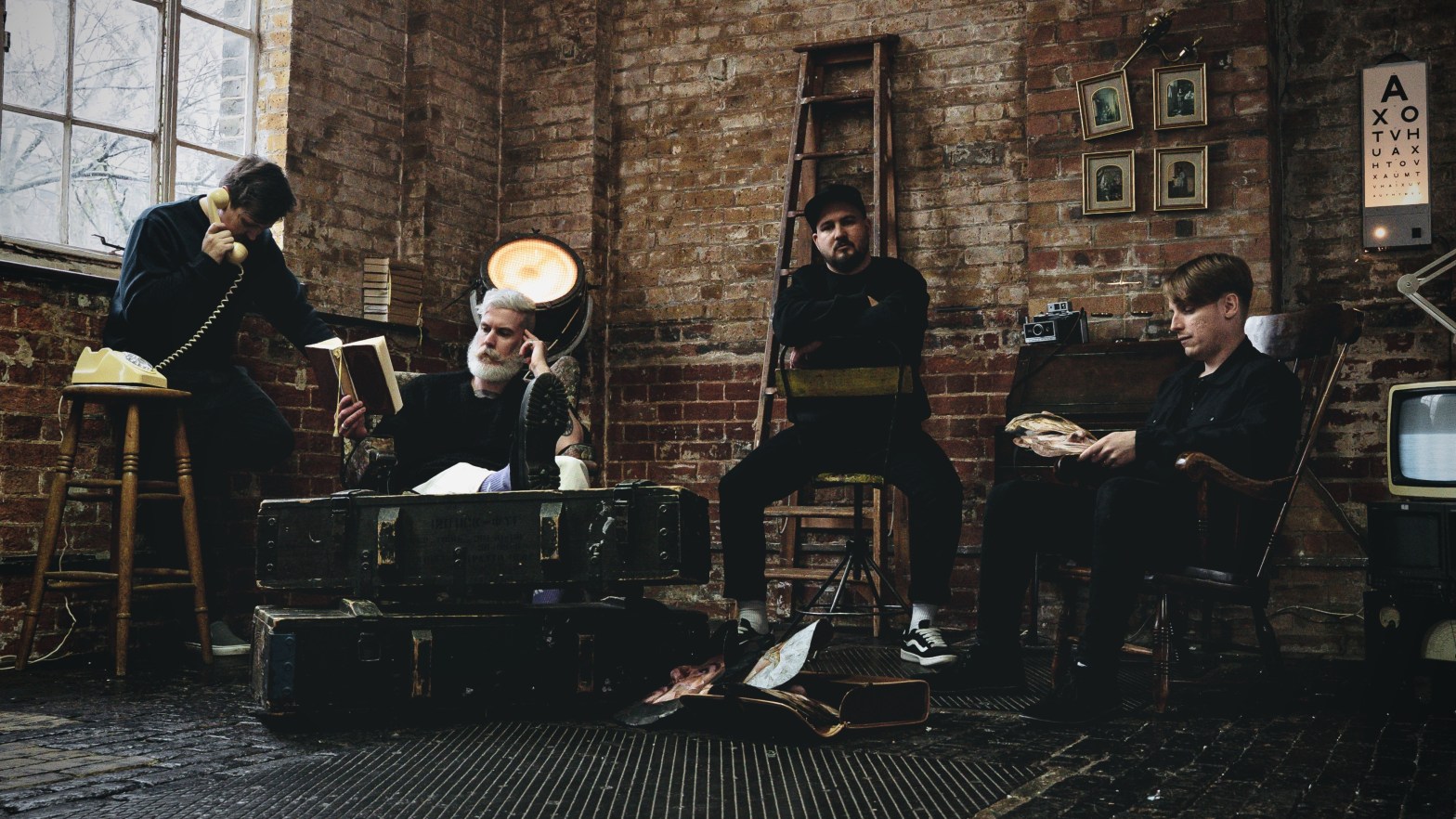
Now they return with Sweet Gravity, a second EP that feels more assured in its identity. Stephanie Nikolas handles vocals with clarity and restraint. Neil Yodnane and Weasel Elliott share guitar duties, building layered lines that move between clean, icy patterns and full-bodied distortion. Sarah Sterling’s bass anchors the songs with a low end that anchors everything and Mike Hoyt’s drums snap with purpose. The EP sounds expansive without losing detail. Each instrument has room to breathe while still contributing to a unified whole.

Let’s dive in and see what’s what.

‘Burst’ opens the record with real attitude. The band describe it as a meditation on identity and indecision, inspired by Sylvia Plath’s fig tree metaphor in The Bell Jar. That literary reference might feel lofty on paper, yet the song grounds it in something immediate. The guitars chime and swell while the rhythm section keeps everything taut. I love the melody which is a bit of a call and response from the vocal and the guitars. We’re off to a cracking start.

Up next is ‘In Blue’. From the first bars, the interplay between the two guitars becomes the focus. One traces a cool, minimal line while the other fills the edges with textural layers. The bass sits low and steady, giving the track a sense of scale. As it moves toward its climax, the song takes on this euro vibe. Like a soundtrack to a lost French arthouse film.

The intro to ‘Sunless’ does that neat trick of starving out ears of bottom end so that when the bass kicks in we feel it in our chests. The lyrics circle themes of absence and reflection, and the arrangement mirrors that introspection. You can hear how much attention has gone into dynamics. The chorus in particular is has a that contrast between the drive and thrust of the guitars and drums against the longing of the vocal delivery. Very cool.

‘Cold Memories’ closes the EP with it all left out there. Hoyt’s drumming here is next level. I am always totally tuned in to it when I listen to this track. The bassline is warm and resonant beneath the higher guitar textures. As the final notes fade, you are left with no doubt that Snowcuffs have taken a decisive step forward from their debut.

Taken as a whole, Sweet Gravity feels like the sound of a band settling into their stride. The songwriting feels tighter, the arrangements feel more confident, and each member finds the right space within the mix. Nikolas carries the emotional thread through the record with a vocal delivery that stays calm and clear even when the guitars rise around her. The guitars shape the EP with layers of shimmer and distortion while Sterling and Hoyt keep everything grounded with a rhythm section that feels locked in from the first note. Four songs in, it becomes clear that Snowcuffs are building something with real direction. If Sink Down introduced the band, Sweet Gravity shows exactly where they’re heading next.

Sweet Gravity is out now. You can check it out over on the Snowcuffs Bandcamp page.

You can follow Snowcuffs on social media here…

Photo Credit

David Ritter

Premiere – AIMING – First At The Accident

Today on Static Sounds Club I have the pleasure of sharing a world premiere. The new single ‘First at the accident’ from Yorkshire outfit AIMING arrives here first, giving us an early look at the next chapter in the band’s story. If you have been keeping an eye on the ever-reliable Blackjack Illuminist Records roster you will already know the name. AIMING have steadily built momentum through a blend of shoegaze textures, post punk energy and carefully layered electronics. Early releases such as ‘Brainiac’ introduced a band with a strong ear for atmosphere and melody, recorded and produced within their own York studio setup.

‘First at the Accident’ lands ahead of the upcoming Sail & Wreck EP, due later in March, and it reveals another side of AIMING’s songwriting. If the earlier material leaned toward guitar led haze, this track moves confidently into synth driven territory while keeping that emotional core firmly intact.

From the opening moments you can hear the care that has gone into the sound design. Vintage synths glow with a soft neon warmth while reverberant guitar lines shimmer across the mix. The rhythm carries a steady pulse that gives the track a subtle forward motion without ever rushing the mood. AIMING have always shown a knack for layering textures and here that instinct pays off. The arrangement breathes easily, each element given space to settle and build.

The vocal performance is where the song really lands. That unmistakably English delivery brings a quiet sense of reflection to the lyrics. The song centres on the slow collapse of a relationship and the emotional confusion that follows. It captures that moment when two people recognise the cracks forming yet keep trying to convince themselves everything can still be repaired.

What I enjoy most is how chilled it is. AIMING never force the emotion. The words sit naturally within the arrangement and allow the listener to step inside the story. Images appear quietly through the verses. Laughing at strangers while holding yourself tight. Crying in suburban living rooms while the television flickers. Searching for meaning in half painted graffiti. These details create a sense of real life unfolding inside the song rather than a grand dramatic statement.

Musically the band strike a lovely balance between electronic glow and guitar atmosphere. The synthwave influence adds colour while the guitars keep everything grounded in the dream pop and shoegaze world AIMING first emerged from. It feels like a natural step forward and hints that the upcoming EP will broaden their sonic palette even further.

For listeners who followed the band through The Legend EP, this single confirms that AIMING continue to refine their sound with confidence and care. Their ability to pair reflective songwriting with immersive production keeps growing stronger with each release.

‘First at the Accident’ receives its world premiere today here on Static Sounds Club ahead of the upcoming Sail & Wreck EP.

The single arrives via Blackjack Illuminist Records. You can keep up with AIMING and their upcoming releases through the AIMING Bandcamp page.

You can follow AIMING on their socials here….

Dewey – Summer On A Curb

Paris has always had its own relationship with guitar music. It often feels slightly removed from the UK and US narratives that dominate shoegaze history, which makes it all the more thrilling when a band arrives with songs that feel both rooted and refreshingly open. Dewey are one of those bands. An indie rock and shoegaze quartet from Paris, they step forward with their debut album Summer On A Curb, released via Howlin’ Banana Records.

What struck me straight away is how unforced it all sounds. The idea of late nineties nostalgia meeting a modern sensibility feels accurate, yet it only tells part of the story. Yes, you can hear echoes of American basement pop and that soft focus guitar tradition. Yes, there are textural nods to My Bloody Valentine woven through the mix. But what Dewey really have is a knack for melody that lands quickly and lingers.

‘City Has Come To Crash’ opens the album and sets the emotional tone. This was the first track I heard from the record and it still feels like the doorway into Dewey’s world. The guitars arrive in a gentle haze, the rhythm section steady and unshowy. There is a synth driven undercurrent that gives it a faint orchestral sweep, the kind of arpeggiated pulse that quietly drives everything forward. It feels like sitting in the back of a taxi at three in the morning, city lights flashing past, replaying conversations in your head. It’s subdued but never sleepy. A very confident opening.

‘Outside Of The Lines’ builds on that foundation with a little more bite. You may hqve heard this one on my February DKFM Shoegaze Radio show. The guitars have a rougher edge here, chords ringing out with confidence. There is a youthful defiance to the chorus that makes you want to sing along even before you know the words. Dewey understand that pop does not need to be glossy to be effective.

Slowing the pulse next ‘Role Model’ provides breathing space. Berton’s writing favours immediacy over grand statements and this track shows that clearly. It feels like an honest conversation set to chiming guitars. The band never overcrowd the arrangement. Each element has room to breathe. You can hear how self-producing the record has given them freedom to keep what matters and discard what does not.

Then comes ‘Jinx’, the single that introduced many of us to Dewey’s world. Driven by that arpeggiator motif which gives it a bittersweet undercurrent, the track explores the contradiction between chasing popularity and recognising how fleeting trend cycles can be. There is a subtle humour running through it too, mirrored in the video’s playful take on promotional discomfort. Musically it balances sugar and shadow perfectly. The hook is undeniable, yet it sits within a wash of guitar that keeps things grounded.

Up next ‘Face Out’ feels more introspective. The tempo dips ever so slightly, the vocals sit deeper in the mix, and the optimism is dialled up. This is where Dewey’s ability to write what I would call emotional snapshots really shines. The song feels like a moment in time captured in song form.

‘Better Safe Than Sorry’ brings the pace back up. Opening with a weird synth pad it soon blooms into this minor key odyssey. The drums have a looseness that keeps everything human. It is catchy without trying too hard, and that restraint is one of the album’s strengths. Dewey never oversell a chorus. They trust you to meet them halfway.

Bringing us back up to speed ‘Void’ is a highlight for me. The guitars shimmer but it’s the mood that carries weight. It is a reminder that hazy textures can hold real emotional depth when paired with thoughtful songwriting.

The title track ‘Summer On A Curb’ sits at the heart of the album. It encapsulates the record’s blend of warmth and uncertainty. The image the title conjures up is simple and grounded. Sitting outside, watching the world move, feeling both part of it and slightly removed. The band channel that feeling into a melody that feels immediate yet reflective.

‘Tough Crowd’ injects a little edge back into proceedings. There is a playful self-awareness here, a recognition of the pressures that come with creating art in a world obsessed with reaction. The guitars feel a touch sharper, the rhythm section pushing forward with intent.

‘Yesterday After Dawn’ carries a reflective glow. It feels like the calm after a long night. The arrangement is delicate, the vocal delivery sincere. There’s a touch of the Weezer’s on show here. It’s a great reference point as it really suits Dewey’s aesthetic.

Finally, ‘Cardboard’ closes the album with a sense of resolution. We finish up at pace and it’s the perfect way to round out this collection of songs. It’s a pop banger and it shows the confidence of this band that they’d tuck this beauty away at the end of the album.

What makes Summer On A Curb stand out is its balance. It taps into that late nineties and early two thousands sweet spot while feeling current and personal. It nods towards bands like Wishy, Wednesday, Hotline TNT and Slow Pulp without sounding like an imitation. In a French indie scene that deserves far more international attention, Dewey arrive with a debut that feels fully formed yet open to growth.If this is Dewey finding their feet, then the view ahead looks bright. It is rare to find a debut this self-assured, so take a seat and make it your own summer on a curb.

Summer On A Curb is out now via Howlin’ Banana Records. You can check it out over on theDewey Bandcamp page.

You can follow Dewey on social media here…

Heavenly – Highway to Heavenly

It feels strange to write about Highway To Heavenly without first acknowledging just how much ground Heavenly have already covered. Thirty years is a long pause between albums. In that time scenes have risen and fallen, genres have been repackaged and resold, and entire generations have discovered indie music through algorithms rather than fanzines. Yet here we are, with a new record from a band who helped define what indiepop could be in the first place.

Heavenly emerged from the same fertile soil that gave us Tallulah Gosh, and in many ways they became the emblem of that jangling, politically alert, defiantly independent strain of British guitar pop that grew under the wing of Sarah Records. Across the Atlantic they found a home on K Records, aligning them with the Riot Grrrl spirit that was reshaping Olympia at the time. Heavenly fused the romantic rush of C86 with the DIY urgency of punk, and they did it while singing in a voice that sounded like real life rather than rock theatre.

The original quartet of Amelia Fletcher, Peter Momtchiloff, Cathy Rogers and Rob Pursey return here, joined by Ian Button on drums, releasing the album through their own Skep Wax imprint. The shadow of original drummer Mathew Fletcher’s loss has always been part of the Heavenly story. It adds weight to everything they do, without ever dimming the melodic brightness that defines their sound.

Let’s dive in and see what they have for us.

The album opens with ‘Scene Stealing’ and it sets the tone with intent. There is a pulse here that nods toward disco pop, a subtle echo of Blondie in the rhythm guitar and tight groove. Lyrically it takes aim at self-absorbed influencer culture and the casual disrespect that still shapes how women are treated in public spaces. The hook is immediate, the critique sharp. It feels current without chasing trends.

‘Portland Town’ follows with chiming guitars and a buoyant vocal exchange between Amelia and Cathy. This is Heavenly doing what they have always done best. They write about belonging with honesty rather than slogans. The line about wanting to feel you fit in lands with quiet force. The song celebrates community while acknowledging how fragile that feeling can be.

‘Press Return’ stretches out slightly, both musically and thematically. Peter’s guitar lines circle the melody with precision, understated but essential. The song dismantles tech bro bravado with calm clarity. It never feels preachy. It simply states the emotional cost of mistaking power for worth.

Up next ‘Skep Wax’ carries a playful self-awareness, named after their own label yet rooted in something more universal. There is a conversational quality to the lyrics. The refrain about being ‘differently the same’ captures that Heavenly knack for turning small observations into resonant truths. The band sound locked in here, comfortable but never complacent. Fans of Camera Obscura will find a lot to love in this song.

There’s a darker undercurrent on ‘Deflicted’. The bassline has bite, the organ tones add texture, and the opening line sets up a tension that runs through the whole track. This is classic Heavenly relationship writing. Sweet melody, complicated emotions. You find yourself replaying lines to unpack them fully.

‘Excuse Me’ arrives with a burst of punk energy. It is brisk, sharp, and full of self-deprecating humour. I hear the spirit of early New Wave bands in its economy and bounce. It captures the awkward thrill of teenage romance without nostalgia clouding the edges.

Like some lost Pulp single ‘A Different Beat’ bursts on to the speakers. This is one of the album’s centrepieces. The narrative arc is clear. Falling, realising, leaving. The metaphor of dancing to your own rhythm is simple and effective. The bassline carries the song forward with confidence. By the final chorus it feels like an anthem for anyone who has chosen freedom over comfort.

‘Good Times’ arrives with a waltz like sway and a hint of melancholy beneath the surface. The title carries irony. The vocal interplay between Amelia and Cathy adds warmth. It feels reflective, almost domestic in its imagery, yet the emotional stakes are high.

‘The Neverseen’ stretches into more spacious territory. The guitars shimmer and there is a gentle patience to the arrangement. Details like a spider plant creeping across a room or a kettle steaming up a window give the song its intimacy. These are the kinds of specifics that elevate Heavenly’s writing. They ground big feelings in everyday scenes.

‘She Is The One’ leans into that boy girl dynamic that Heavenly have always handled so deftly. The rhythm has a subtle Latin lilt, and the message of recognition and acceptance feels earned rather than sentimental. It radiates empathy.

The album closes out with ‘That Last Day’. It’s direct, unguarded, and devastating in its simplicity. Writing about bereavement without slipping into abstraction takes courage. Amelia’s vocal is steady, almost conversational, which makes the emotion hit harder. It may be the most affecting song here, and yet it still carries that pop instinct that invites you to sing along through tears.

What strikes me most about Highway To Heavenly is how fully it inhabits its own values. In an era where independence is often aesthetic rather than structural, Heavenly remain genuinely self-directed. They have influenced bands like Belle and Sebastian and The Cardigans, yet they still sound uniquely themselves. The melodies are bright, the politics are personal, and the conviction is unwavering.

For older fans this feels like stepping back into a familiar room and finding the light even warmer than you remembered. For younger listeners discovering them through TikTok clips of ‘P.U.N.K. Girl’, this album confirms that Heavenly were never a footnote. They were the blueprint.

Highway To Heavenly is out now via Skep Wax. You can check it out over on the Heavenly Bandcamp page.

You can follow Heavenly on social media here…

Deathcrash – Somersaults

This time last year I had already earmarked my album of the year in Mogwai’s The Bad Fire. Well, it shouldn’t be any surprise I’m at it again in 2026 with the new album from London’s Deathcrash. This is a pretty special album folks so buckle in, it’s gonna be a long un.

I first came across Deathcrash on their 2023 LP Less moved to play ‘Empty Heavy’ on my DKFM Radio show. Their music had this inexplainable draw. There was a mournful quality sure but through all that there was an emotional heft. You couldn’t help but be moved by the dynamic shifts in their music. Tiernan Banks, Matthew Weinberger, Noah Bennett and Patrick Fitzgerald have spent close to a decade refining that dynamic. They learned how to construct vast emotional spaces and then reduce them to rubble in a second. That push towards intense and devastating songwriting became their signature.

Now they return to us with Somersaults and right away it feels like a shift in posture. The volume of feeling remains high, yet the focus turns inward with greater clarity. Aging and examining the life they have carved for themselves has proven fruitful ground for inspiration. Weinberger has this to say.

“Adolescence is feeling like you’re gonna live forever, but also that you want to die right now – and they’re basically the same feeling. Growing up is somewhere much more in the middle.”

“I think this record has joy in it. That’s why ‘this life is the best life’ is a big tagline of the record. Some songs are more anxious, some more nostalgic, but they all circle that idea that this is the life we have, and we’re embracing it.”

Vocals sit closer to the front than ever before. The themes circle around growing up, around the quiet reckoning that follows the loud ideals of youth. It is still slowcore in its bones, still patient, still deliberate, but it carries warmth that was once buried deep in the mix. After touring larger rooms and opening for The Jesus and Mary Chain, the band discovered that fragility does not need to hide. That confidence threads through this record.

Let’s drop the needle and I’ll tell you all about it.

The title track ‘Somersaults’ opens the album with a sense of suspended memory. Guitars chime with a nostalgic glow while Banks delivers a vocal that feels both reflective and uncertain. The song takes its time revealing itself. There is a sense of looking back at adolescent dreams and realising which ones have faded. The arrangement feels open, less claustrophobic than earlier work. The choral, group singing sounds positively joyous. It sets the tone for the album perfectly.

We positively explode into ‘NYC’ next. Banks sings, “Thirty, no career, it fucking worries me. And doing the band doesn’t help,”. Such blunt honesty. The band underline his anxiety with a steady, restrained pulse. The guitars circle around a central riff while the rhythm section holds firm. This track captures the unease of adulthood with precision. It acknowledges that we all have doubts but also the importance of not surrendering to it.

On ‘CMC’ the mood shifts towards gratitude. Ambient textures hum beneath the surface while the refrain “This life is the best life” emerges as a quiet mantra. The inclusion of everyday sound, that faint office printer noise, grounds the song in the ordinary. That is the point. The record celebrates continuity. It recognises the value of still making noise in the doorway. The contrast between the anxious confession of ‘NYC’ and the affirmation here captures the uneasy middle ground of adulthood.

‘Triumph’, which many of us heard late last year, expands into something vast. The guitars swell with purpose and the drums build patiently towards release. The song lives up to its name. When the crescendo arrives, it feels like a release valve going off. Deathcrash have always excelled at cathartic endings, yet here the release carries tenderness alongside their trademark force. This song lifts me every time I play it and is without doubt my album highlight.

‘Bella’ strips things back again. The structure feels loose, almost like a rehearsal fragment captured in its purest form. Voices overlap gently, instruments leaving room for each other. Drums really stretching out and filling those spaces.  It highlights the trust within the group. After years of writing together, they know when to hold back. The intimacy here reveals a softer side that earlier records only hinted at.

The intensity returns on ‘The Thing You Did’. Fitzgerald’s bass anchors the track with a thick, grounding presence while Bennett’s drums push forward with determination. The outro gathers momentum, guitars rising into a dense wall of sound. It recalls the band’s earlier potency, yet it carries a clarity in the mix that feels fresh.

‘Wrong To Suffer’ settles into a measured crawl. The lyrics feel half swallowed, phrases breaking off before full explanation. This ambiguity works in the song’s favour. It mirrors the confusion that often accompanies growth. The instrumentation remains restrained, allowing the vocal to carry the emotional centre.

There’s a gorgeous melodic brightness on ‘Stay Forever’. The guitars shimmer with a light touch and the vocal lines feel optimistic, genuinely hopeful. “Stay forever like you used to, and do all the things you didn’t when you had them”. There is a quiet romanticism here that speaks to the album’s broader theme of choosing what lasts. The band sound comfortable in this register. It suggests, to me anyway, new possibilities for where their songwriting could travel next.

‘Love For M’ stands out as one of the album’s emotional cores. The bridge contains one of the most striking lines on the record, “I don’t know if I’ll die at all, I’m not sure if I want to.” The honesty is startling. The moment is undercut by a casual studio comment left in the mix, which adds humanity and humour. That decision reflects the band’s evolving relationship with their own seriousness. They no longer need to frame every feeling as monumental.

‘Marie’s Last Dance’ closes the record with measured, epic grace. The arrangement feels reflective, almost circular, bringing the themes of the album back into focus. The guitars hold a gentle resonance while the rhythm section provides a steady heartbeat. The title of the album suggests risk, the act of tumbling forward without certainty. This final track confirms that they have found their footing.

Across Somersaults, Deathcrash embrace the in between. The fatalism that once defined their work softens into something sustainable. They still honour the slowcore lineage of bands like Duster and Low, yet they sound increasingly like themselves. The joy present here does not erase anxiety. It coexists with it. That balance gives the album depth. The despair that once threatened to swallow their songs whole now sits alongside gratitude, humour and hard-won perspective. They still reach for those sky-high crescendos. Yet this time the emotional centre feels grounded. It feels lived in. These are songs written by four people who have tested their ideals against reality and chosen to keep going anyway. That choice rings through every chorus, every patient build, every line that admits fear and then carries on. Deathcrash have refined their impact. And with Somersaults, they don’t just take the leap, they land it on their feet.

Somersaults is out now via untitled (recs). You can check it out over on the Deathcrash Bandcamp page.

You can follow Deathcrash on social media here…

Nothing – A Short History of Decay

This blog has taken me quite a while to get out of my head and on to the screen. Nothing were the first major international band to entrust me with their album prior to it being released. That album was 2020’s The Great Dismal and it remains to this day an incredibly important record to me. I wrote about the sense of universal collapse that framed it, and how Domenic Palermo turned that weight into something strangely uplifting. That record felt like a culmination of sorts. A band fully aware of its power and realising a collection of songs so potent and urgent it left nothing more to say. Or so I thought. As it turned out this was Palermo’s thoughts at the time too. Luckily for us though, things were about to change.

Palermo released a collaborative post-metal album with Full of Hell in 2023 as well as launching a multi-generational shoegaze festival called Slide Away where they shared the stage with their long-time friends Whirr amongst many other shoegaze legends. With this flurry of activity, he also came to a realisation. One of introspection and of his own mortality. With him now entering is 40’s he was starting to feel the consequences of a life lived hard and fast. One lived on the road playing all over the world. Then came the diagnosis of the onset of essential tremors, a neurological disorder similar to Parkinson’s disease that causes the body to shake uncontrollably, both physically and verbally. Palermo had this to say.

“One of the reasons why I like to tour and love to be busy is that I don’t have to look internally. It’s been 10 years and I turn around and I’m in my 40s now. Things have changed, my body’s slowing down.”

“I’m feeling exactly the way that I treated myself the past 12-13 years. It’s another thing that just makes you think, ‘my body’s in a decline right now. Things are starting to fall apart.”

So, it’s with that mindset he set about writing A Short History of Decay. This is their fifth album and their first for Run For Cover Records. The lineup is formidable. Palermo remains the axis, with Doyle Martin, Bobb Bruno, Zachary Jones and longtime collaborator Nick Bassett shaping the sound around him.

What direction would this take the music in? How would all this show up in the lyrics? There’s only one way to find out. Let’s drop the needle and see.

We open with ‘never come never morning’ in stark fashion. Clean guitar, piano, and a vocal that feels confessional. Lyrically he revisits childhood with a directness that catches you off guard. “When I was young, life was easy” he sings, before unspooling memories of violence and confusion. The string arrangement adds a solemn glow without tipping into sentimentality. This is Nothing at their most exposed. No shield of distortion. Just confession.

The awesome Nothing wave of fuzz returns on ‘cannibal world’ slamming the door open. Mechanised drums, abrasive guitars, and a chorus that circles the phrase “the enemy of my enemy is my friend” like a mantra. The industrial pulse influenced I’m sure by the closing tracks on My Bloody Valentine’s 2023 mbv album. It’s so great to hear that album being referenced like this, and it is only referencing. The band swathe this track in the existential dread and the trademark Nothing dynamics. The breakdown mid song is sublime and indicative of a band operating at their creative peak.

The title track ‘a short history of decay’ sits in the middle ground. The melody shimmers beneath layered guitars while Palermo questions the need for life lessons and redemption arcs. The production feels expansive yet controlled. Bassett’s touch is all over this, adding harmonic detail that lifts the chorus into something quietly anthemic.

Fuzz takes a backseat on ‘the rain don’t care’ replaced with a focus on melody. There is a worn elegance here, almost pastoral in places, before the band swell into a chorus that aches with resignation. I absolutely love the line “The rain don’t care for the life of a puddle”.  The arrangement is almost sixties in its feel. Guitars embrace you rather than bludgeon. It’s a sign of the band’s restraint and confidence that even so, it lands like an emotional uppercut.

You could be mistaken for thinking you were hearing the soundtrack to some spy thriller on ‘purple strings’. It’s stunningly ornate with its string arrangement giving it a bleak chamber pop quality. Palermo’s vocal floats above references to Manhattan, self-hypnosis, and narrow escapes. The juxtaposition of baroque instrumentation and urban anxiety is striking. Nothing have always understood the power of contrasting the everyday and the wonderful.

‘toothless coal’ returns to abrasion. The lyrics paint a picture of decadence and moral rot, with lines about living off the dead and other putrid instincts. The guitars grind with a metallic edge. This is where the band channel their more confrontational nature. Those industrial breakbeats appear again which only adds to the tracks overall sense of claustrophobia and paranoia.

‘ballet of the traitor’ carries a political undercurrent. Cities built on holy ground, bodies stripped and sanctified, betrayal rendered as choreography. The rhythm section locks into a muscular groove while the guitars circle in wide arcs. Just check out those drums. There remains a cinematic quality here. You can almost see the crumbling skyline in your mind’s eye as you listen.

The guitar riff that opens ‘nerve scales’ has a Radiohead vibe to it. Which is apt for a song that explores anxiety in motion. The repeated refrain “it blurs it out” mirrors the mental fog described in the verses. The drums feel almost danceable, yet the mood remains tense. It captures the sensation of pushing forward while something gnaws away at you.

To close out the album Palermo has chosen ‘essential tremors’ which I think was the right decision. By returning to intimacy he sings about absence, regret, and the physical reality of his condition. The line “honesty ain’t free” lingers. The song builds into a wall of distortion, yet his voice stays present in the mix. You hear the tremor sure but by god you hear his resolve. It’s a fucking brave way to end the record.

What strikes me most about A Short History of Decay is how unguarded it feels. This is a band who could have doubled down on volume and reputation, who could have delivered another monolith of fuzz and called it a day. Instead, they have turned inward. They have allowed time, regret and physical frailty to shape the songs rather than hide behind them.The honesty is front and centre. Across these nine tracks Nothing confront the past, question the present and stare straight at what comes next. The result is a record that feels both deeply personal and sonically vast. If The Great Dismal was about staring into the void, A Short History of Decay is about recognising the cracks in your own reflection. It asks you to consider how time marks the body and the mind. It asks you what honesty costs. And it leaves you with a sense that decay, documented with this level of clarity, can still produce something fiercely alive.

A Short History of Decay is released 27 February 2026 via Run For Cover Records. You can check it out over on the Nothing Bandcamp page.

You can follow Nothing on social media here…

Photo Credit

Luke Ivanovich

Lucid Express – Instant Comfort

I’ve always had a bit of a soft spot for Hong Kong based Lucid Express. Coming from that eternal city, out of that constant rush, Lucid Express have built a sound that feels suspended in its own pocket of time. Formed in 2014 during a period of political unrest and personal uncertainty, the band turned to each other and to music as something steady. Those early rehearsals between midnight and four in the morning shaped their identity. You can still hear that in their songs. That twilight glow.

After emerging locally as Thud with the Floret EP and reintroducing themselves to the wider world with their 2021 self-titled debut, Lucid Express became one of the most compelling voices in modern shoegaze. Touring internationally and landing on bills alongside scene heavyweights, they proved that their airy blend of dream pop and guitar haze could stretch far beyond the skyscrapers of home. Now comes Instant Comfort, their second full length and their most layered statement to date.

Let’s dive in and see what they have in store for us.

‘Promise Me’ opens the album with their trademark glow. Guitars shimmer in patient cycles while the rhythm section holds everything in a gentle lockstep. The vocals arrive up front, leading the way. The melody sounds like a lost folk song set against that contrast between the soft chiming guitars and the pounding fuzz tones.

Picking the pace up next is ‘Take Heart’ The guitars thicken and the drums push forward with more intent. I love that hi hat sound. Lucid Express have always known how to build walls of sound, yet here the clarity stands out. Each layer has room to breathe. The bass is warm and rounded, vocals light and airy and when that chorus comes in it all comes together.

‘Something Blue’, the lead single, captures the quiet ache of uncertain relationships. The jangling guitars ripple outward while the vocal melody carries a real fragility. It balances brightness with introspection in a way that feels natural to them. Watching the video featuring footage submitted from fans and friends from across the globe, only deepens that connection. This is a band who understand that community sits at the heart of their story.

The textures roughen up around the edges on ‘Setback’ next. This is my kinda gaze. Squalling guitars rub up against sugary sweet vocals. I love how dynamic this tracks in with that feedback drench guitar dipping in and out. When it erupts for the solo, I was in heaven! This is defo my album stand out track.

‘Stars in the Car’ feels intimate and cinematic at once. The melody circles gently while the guitars stretch into long arcs of tone. It captures that late night drive energy where the world outside the window feels distant and small. Lucid Express excel in these moments. You can feel the neon glow on this one.

Things get heavy again on ‘Aster’. The band introduce a slightly brighter tone in contrast to the fuzzed-out wall of sound. The interplay between guitars feels more playful, yet still grounded in their signature haze. The band sound comfortable in their own language, expanding it without abandoning what made them distinctive in the first place.

‘Faux Sweetness’ leans into those MBV textures we all love. The chorus is all beautiful noise and hazy melodies. The verses open the windows and let in the light providing a really effective contrast. This is the kinda track that Lucid Express really shine on.

‘Dark Glass’ shifts the mood again towards the epic. The drums take a more pronounced role and the feedback thickens around the edges. It feels like standing at the edge of a city rooftop at night, looking out over lights that stretch endlessly. There is a sense of scale here that shows how far the band have travelled sonically since their debut.

The title track ‘Instant Comfort’ closes the album with quiet assurance. The melody unfolds patiently, the guitars glow and crash, and the band sound unified. The guitar providing the melody in the breaks has a real twang about it that gives this track a unique tone. It’s the wall of static soaked wonderfulness though that won my heart.

Across these nine tracks, Lucid Express sound assured in who they are and clear in where they are heading. The record captures that balance between intimacy and scale that they have been refining since those early midnight rehearsals, pairing melody with texture in a way that feels purposeful rather than ornamental. You can hear the miles they have travelled, the stages they have stepped onto, and the bonds that have kept them steady through it all. Instant Comfort feels like a band settling fully into their own skin while still reaching outward, offering you warmth, weight and clarity in equal measure. In a restless world, Lucid Express have delivered exactly what the title promises, a rare moment of Instant Comfort.

Instant Comfort is out on 20 February 2026 via Kanine Records. You can check it out over on the Lucid Express Bandcamp page.

You can follow Lucid Express on social media here…

MX Lonely – All Monsters

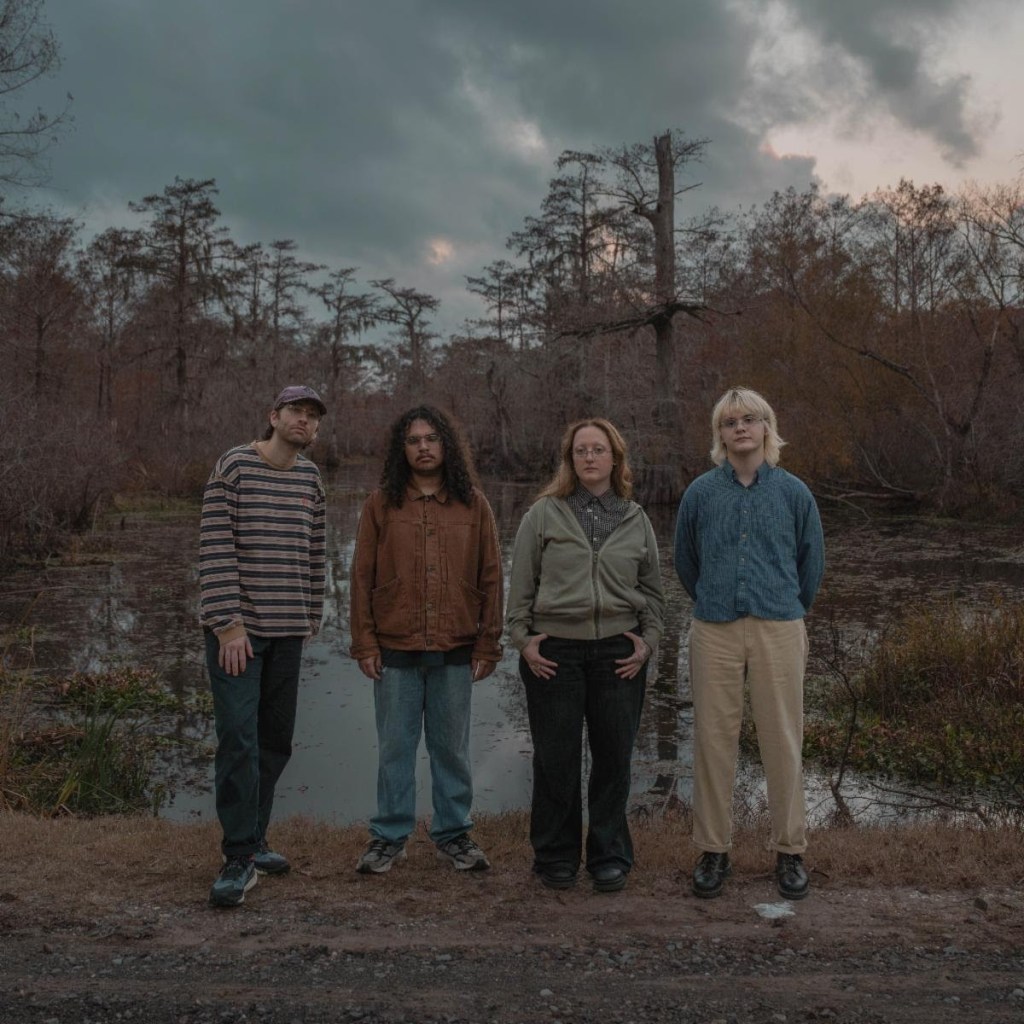
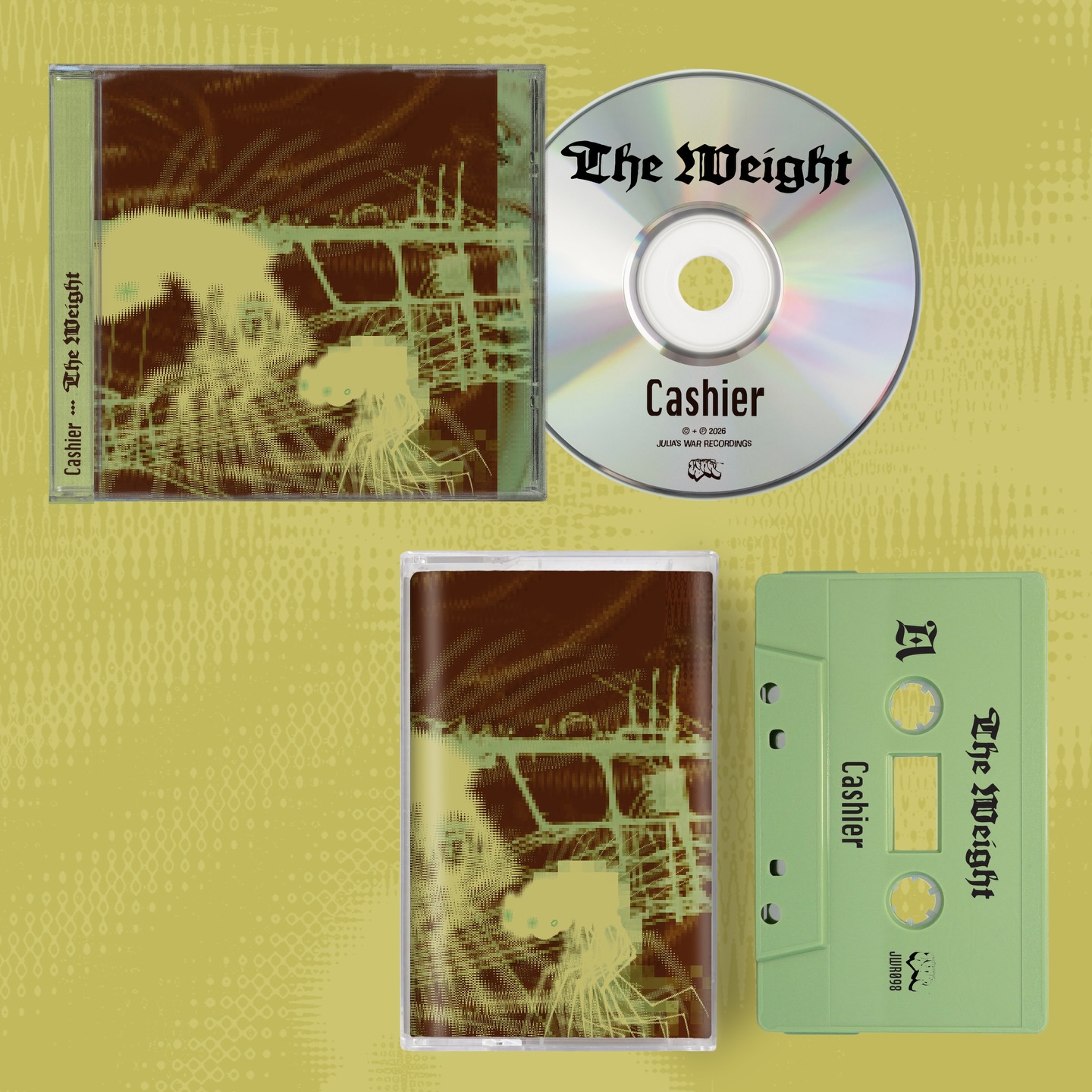
Regular readers will know I’m a big fan of the Julias War Recordings label. I was buzzing when their latest release hit my inbox. From Brooklyn, New York comes MX LONELY a band whose music really landed with me on first listen. They’ve been playing together since 2020 but only been MX LONELY since 2022. The lineup is synthesist and vocalist Rae Haas, guitarist Jake Harms and bassist Gabriel Garman with Andrew Rapp on drums. After releasing a couple of cracking EPs, they are ready to release their debut album All Monsters to the world.

That title allows the band to talk about all the monsters they perceive from the very real monsters running the world to themes of addiction, gender, shame and self-sabotage. For the recording process the band aimed to capture the energy of their live show and so opted for an analogue approach. That immediacy and urgency is evident in these recordings but not at the cost of losing the big sound they were after. This has led to the band building their own studio space which they hope to open up to like-minded souls. Harms said this on the topic.

“This band feels kinda like a family. I think it’s been a pretty tight family, and as the band grows, we’re hoping to expand that network, and collaborate with people in an easier way.”

Let’s drop the needle and jump into their world.

‘Kill The Candle’ opens the record in a state of agitation with a squall of feedback. The guitars loom large and physical, while Haas delivers lines about evaporating under scrutiny and wanting to go underground. The lyric “a tree with its roots upside down” sets the emotional temperature straight away. This is a character at odds with the world, unable to settle, suspicious of light. The chorus lands with force and as an opener it frames the album as a record that’s wrestling its demons out loud.

‘Big Hips’ shifts the lens inward and sharpens it. Musically it leans into a churning, almost seasick rhythm that nods to angular 90s guitar music. Lyrically it tackles gender dysphoria with a mix of humour and bite. “Got big hips for a boy” becomes a hook that refuses to soften itself. The song reclaims adolescent discomfort and reframes it with defiance. It is playful on the surface yet carries a deep ache underneath. You can feel Haas reclaiming language that once felt weaponised.

Expanding the emotional scope next is ‘Shape Of An Angel’. The arrangement builds patiently, wrapping dreamy textures around a story of dependency and craving. The repeated confession “I’m in love with Adderall and validation” lands with uncomfortable clarity. This is a song about chasing euphoria and mistaking intensity for intimacy. The chorus rises in a way that feels both romantic and corrosive. It captures the way codependent relationships blur the line between salvation and self-destruction.

Next, we reach the heart of things. ‘All Monsters Go To Heaven’ sits at the conceptual centre of the album. The riff moves with a heavy patience before opening into a huge chorus that repeats the title like a mantra. The idea that forgiveness might arrive without judgement is presented as both comfort and threat. “All the bad shit you did here was fine” rings out with a strange calm. It asks you to sit with the idea that everyone carries harm inside them. The band really build that tension, pushing the song into a cathartic final section that goes stratospheric.

‘Blue Ridge Mtns’ pulls the record into a more personal register. Built from an old folk song Harms wrote in high school, it carries a fragile melodic core that contrasts with the weight surrounding it. The lyrics place us in the back seat on the way to rehab, “bleed memory til its love can replace you” cutting deep. The bridge, with its family kitchen refrain about not getting to heaven, ties private history to shared myth. It feels intimate and unguarded, and the band handle it with the gentle care it richly deserves.

Getting the energy levels back up next is ‘Anesthetic’. The drums punch hard and the guitars bite with a grunge inflection. Haas sings “my head is radio static” with a mix of exhaustion and hunger. The song describes the desire to feel everything rather than numb out. Framing it as a love song to the addict gives it a sharp edge. It recognises the allure of intensity while acknowledging its cost. Live, this one will hit like a release valve.

‘Return To Sender’ locks into a tight, insistent groove. The chorus repeats the title until it becomes a form of self-protection. Writing from the imagined perspective of someone indifferent, Haas turns that indifference into fuel. The line “as long as your side of the street is clean” lingers in the subtext. The band sound focused and controlled here, channelling frustration into something equally direct and anthemic.

‘Whispers In The Fog’ closes the album with patience. It stretches out into a slow burn that circles childhood fears and the addictive pull of anxiety. “My anxiety is a drug I can’t get rid of” feels like the thesis of the final act. The arrangement swells and recedes, giving the lyrics space to settle. By the time the final refrain fades, you feel as though the band have walked you through their darkest rooms and left the lights on.

By the time All Monsters reaches its closing moments, you realise MX LONELY have made a debut that refuses to hide behind noise alone. This is a record that stares directly at addiction, dysphoria, shame and the uneasy idea of forgiveness, then turns those themes into songs that feel huge and alive. The analogue approach gives everything a pulse you can almost touch, while the writing keeps things personal and specific. For a band rooted in community and recovery, there’s something powerful about how openly they lay this all out. All Monsters feels like a line in the sand moment for MX LONELY, a statement of intent that says these monsters are coming into the light and they’re bringing you with them.

All Monsters is out on February 20th 2026 via Julia’s War Recordings. You can check it out over on the MX LONELY Bandcamp page.

You can follow MX LONELY on social media here…

Photo Credit

Luke Ivanovitch

Consolers – Deep Breaths

Consolers have wasted little time making their presence felt. Since arriving in April 2025, the Belfast five piece have built momentum the old-fashioned way. Big riffs. Bigger choruses. Fronted by Sonja Sleator, and completed by Daniel Lynch and Ethan Hanna on guitars, Sean McCann on bass and Iain Minford on drums, they have leaned into the emotional core of alternative rock without getting tangled in nostalgia. Their debut album Deep Breaths captures that first surge of belief when a band realises the songs are landing and the rooms are filling up.

Produced and mixed by Jonny Woods, known for his work with Wynona Bleach, the record carries a punchy mid-nineties sensibility. When you see his name these days you can be assured of the highest possible quality.

In an interview with RTE Sleator was asked to describe the band’s music.

“Honest, sweary and catchy. In lyrics, I try to write the truth about how I feel things. It helps get a lot of aggression out but isn’t always exactly radio friendly! I also love hooks and do my best to write songs that are catchy and will stick in people’s heads.”

Well, I certainly appreciate a good hook so let’s dive in and see what’s what.

‘Inhale’ opens the album with urgency. I played this one on my DKFM radio show recently and it jumped out immediately. The riff is sharp and direct, the rhythm section drives it forward, and Sleator’s vocal sits right at the centre of the storm. This is how you kick off an album. That wall of energy that hits you when the chorus kicks in is just superb.

The bass line holds everything together on ‘Watcher’. It anchors the early stretch with a pulsing groove. The vocals here search around in the space left while the guitars weave around, building momentum without overcrowding the mix. The mood is definitely darker but that chorus, once again, lifts everything into the light.

‘Sink On In’ tightens the screws. The bass is once again playing a big part in the early stages of the song. This time its slightly funkier. Guitars are a total mood and are a perfect foil for Sleator’s powerful vocal performance. The rhythmic break mid-way through is really cool too.

It’s a fuzzy start to ‘Left To Prove’ and man it carries a defiant edge. The chorus lands with soaring and justified confidence. The interplay between the two guitars gives the track width and bite. You can hear how tight this lineup has become in a short space of time.

‘Down’ brings a slightly more introspective tone. The pace drops, the arrangement breathes a little more, and Sleator’s phrasing takes centre stage. Her technical range is one of the album’s defining strengths. She can push when needed, but she also knows when to sit back and let a line settle for maximum impact. The chiming autoharp adds another new texture that just keeps you tuning in.

Consolers shift the energy again. ‘Make Me Feel’ has a stop start motif that plays nicely into the lyrics. The rhythm section locks in with precision, and the hook is immediate. It speaks to the band’s instinct for structure. They understand how to build a song that connects quickly.

‘Play’ is two, or is it three, songs in one. It opens like an ancient Gaelic folk song before seamlessly evolving. That evolution first appears to an indie ballad before the chorus pulls the rug out from under us. Yup, it’s yet another killer hook and we’re off. Maybe its three songs in one after all.

If there was any doubt whether Consolers were ready for big stages ‘Town’ puts all qualms to rest. From the steady verses to the soaring chorus this is a perfect song, Guitars stab and sing before letting loose. This is going to be a live favourite if it isn’t already.

An ode to the easter bunny next perhaps on ‘Zombie Jesus Day’. Perhaps not. It’s a pointed jab at organised religion and by god (pun definitely intended) they give it a bloody nose. “God is a lie, it’s all in the mind” sings Sleator over a kickass backing from the band. Yet another banger!

‘Boiled Over’ captures something raw and immediate. There is a looseness to it that feels authentic, as if the tape simply happened to be running when the band found the groove. That sense of fun and shared energy is hard to fake, and it gives the track real character.

The album comes to an end all too soon with ‘Driving Me’. It pulls together the elements that define Deep Breaths. Strong hooks. Tight musicianship. A vocal presence that elevates everything around it. The band finish on a massive high. Confidence oozing from every note.

Deep Breaths feels like a band stepping fully into themselves. Consolers channel big guitar energy, sharp hooks and emotional honesty into a debut that sounds assured from start to finish. Sleator’s voice leads the charge, shifting from controlled intensity to full lift when the chorus demands it, while the rhythm section and twin guitars lock in with focus and bite. From the explosive rush of ‘Inhale’ to the defiance of ‘Left To Prove’, the scale of ‘Town’ and the punch of ‘Zombie Jesus Day’, this is a record built on conviction and connection. The hooks land, the performances feel alive, and the whole thing carries the belief of a band who know the songs are strong and the stages are getting bigger. Consolers have taken a deep breath and delivered a debut that hits hard.

Deep Breaths is out on February 20th 2026 . You can check it out over on the Consolers Bandcamp page.

You can follow Consolers on social media here…

Photo Credit

Casey Ryan

Helicon x Al Lover – Arise

When I last wrote about Helicon it was around the release of God Intentions, a record that confirmed just how expansive their vision could be. I spoke then about trust, collaboration and that sense of collective purpose that runs through everything they do. From the ominous swell of ‘Dark Matter’ to the widescreen lift of ‘Flume’, they showed how to balance shadow and searing intense joy without ever diluting either.

This time around they have widened their frame with an artist whose reputation predates this project by nearly a decade. Based in Los Angeles, Al Lover is a fixture of the global psychedelic underground who has spent years refining a fractured, abstract form of electronica that draws freely from trip hop, synthesised krautrock, dub and dark ambient. His work feels like a bridge across eras and styles, building with samples, drum machines, analogue synths and live instrumentation into something that nods to figures like J-Dilla, DJ Shadow and Lee “Scratch” Perry as much as it looks toward future terrain. AI Lover has released numerous studio albums and beat tapes, toured Europe and the US many times, remixed artists from Osees to Night Beats and held resident DJ roles at festivals like Levitation and Desert Daze. Through his mixes and curated sets, he traces lines between disparate scenes, connecting psych, hip hop and experimental electronica in ways that feel organic in spirit.

That spirit carries directly into Arise, Helicons fourth studio album and a full collaborative project with Al Lover. Built from a trans-Atlantic exchange of demos and completed at Castle of Doom with Tony Doogan, this is Helicon widening their frame once more. This mighty collective now includes John Paul Hughes, Gary Hughes, Mark McLure, Graham Gordon, Seb Jonsen, Billy Docherty, Mike Hastings, Anna McCracken and Declan Welsh, with Belle & Sebastian’s Chris Geddes lending piano to the closing track.

Hughes has this to say about the record.

“Arise confronts a culture of individualism at the mercy of opportunistic grifters, offering a reminder that empathy, compassion, and authenticity are still choices. Arise is a visceral wake-up call to rise above the bullshit and reclaim meaning from the madness.”

Let’s drop the needle and see what these grooves hold.

‘Arise’ opens the album with Middle Eastern sitar lines that immediately root the sound in Helicon’s long-standing focus with Eastern modalities. Then the beat lands. A pulsing electro rhythm locks in beneath sheets of guitar, and suddenly you are inside a pulsing groove. Lyrically, the track is framed as a confrontation with hollow individualism, positioning empathy as an active choice. The music mirrors that idea. It gathers momentum through repetition. This is a real psychedelic groove. Man, we are off!

‘Backbreaker’ is nothing short of euphoric. The guitars chime with an ‘90s indie shimmer while sitar accents flicker around the edges. There is a dancefloor angle here, sharpened by Lover’s rhythmic touch. The refrain circles back on itself with that line about hearing your name, creating a hook that grabs you instantly. This could easily sit on a Bond movie soundtrack, proper widescreen music.

‘Tabula Rasa’ lives up to its clean slate title. The opening melody carries a faint echo of classic melancholic pop before the track accelerates into a driving hybrid of guitar surge and electronic propulsion. The beat is tight, insistent, almost mechanical, while the guitars stretch wide above it. Again, I’m drawn to cinematic parallels and just how massive sounding these tracks are. Mission Impossible anyone?

‘Not A Thought’ compresses everything into under three minutes of industrial pulse. This one hits like a hammer made of static and black holes. The rhythm section feels clipped and controlled, the electronics snapping into place with murderous intent. It’s spell binding in its repetition; a mantra built from ray guns and fuzz.

Up next ‘It Won’t Stop’ extends that rhythmic focus. The groove rolls forward with a steady undercurrent of low end, while guitars flare and recede in waves. The track builds through layering creating these dramatic shifts in texture, tone and dynamics There’s a couple of moments that are quite overwhelming and I’ve found myself having to gather my thoughts before thinking, yeah, I need to listen to that again.

‘Adjust The Dosage’ offers us a moment of weightless calm. Shimmering guitar textures stretch outward, creating an almost galactic glow. The production is so on point here. Space opens up between the instruments, allowing the melodic lines to hang in the air. It feels restorative without losing the album’s core pulse. This is music to listen to as you’re soaring through the milky way. Cosmic and epic!

On ‘We Don’t Belong’ there’s an intoxicating bassline that pulls everything into its orbit. The bass is definitely the star of the track here. The groove is confident and grounded, with vocals riding just above the rhythm. This one has a slightly lighter tone but it’s just as celestial as its predecessor.

Everyone don your robes because we’re off to ‘Midnight Mass’ next. The arrangement feels ceremonial, built from layered guitars, choral exultations and subtle electronic undercurrents. There is a devotional quality in the repetition, as if the band are inviting you join their cult. If so, pass the Kool Aid, I’m in.

‘Goodbye Cool World’ closes the record on a gentler note, with Chris Geddes’ piano adding warmth and clarity to the closing movement. Things have shifted slightly from the cosmic to the kosmische. The electronics soften, the guitars glow rather than roar, and the album resolves with a sense of hard-earned equilibrium. After the rush and propulsion of the earlier tracks, this feels like staring at the open sky and taking a full breath. Letting your thoughts return to the cosmos from whence they came.

Taken as a whole, this album feels like a statement of intent from both camps. Helicon bring the communal fire and widescreen ambition. Al Lover brings discipline, groove and a producer’s instinct for tension and release. The result is dense yet direct, cosmic yet grounded in rhythm. It rewards close listening but also thrives when played loud and allowed to fill a room. There is purpose running through every beat and guitar line. Nothing feels accidental. In a world Hughes describes as chaotic and self-serving, this record offers unity through sound. Helicon and Al Lover have set something in motion. All you have to do now is Arise with it.

Arise is out now on vinyl via the ever-cool Fuzz Club. You can check out the album in full over on the Helicon Bandcamp Page.

You can follow Helicon on social media here….

And AI Lover here….