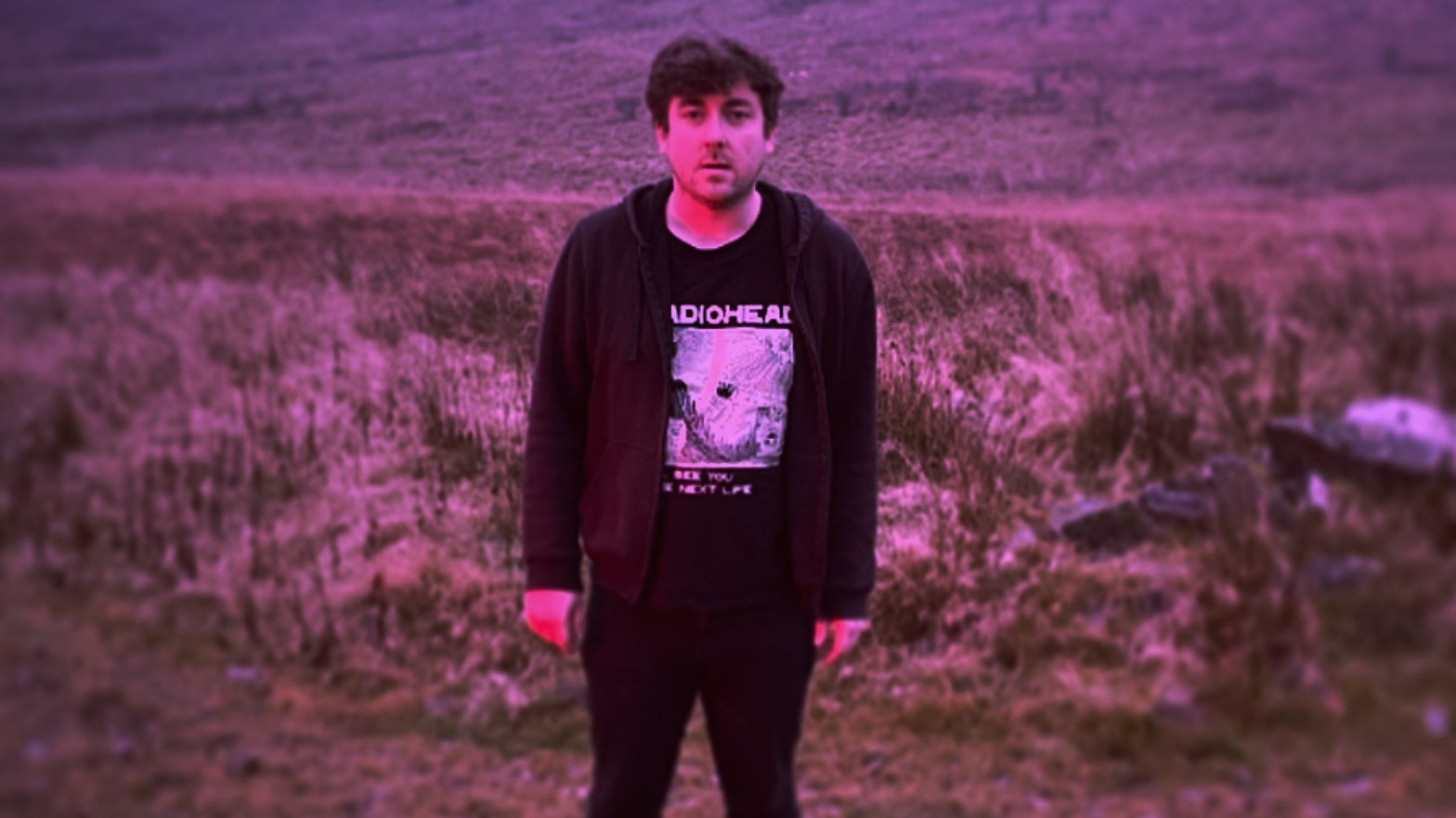
Hotline TNT – Raspberry Moon

Hotline TNT began as the brainchild of Will Anderson, a project that balanced heartbreak with distortion and made fuzz feel deeply personal. They emerged quietly yet quickly became something of a secret handshake among fans of shoegaze and noisy pop in general.

Debut album Nineteen in Love landed in 2021, recorded mostly by Will himself. It sounded raw in the best way. Bedroom production, clipped drums, walls of guitar fuzz that sometimes buried the vocals so deep you had to lean in. But there was real melody fighting its way through, and that battle made it stick. It caught ears across indie circles, showing a songwriter willing to blur the edges until only the feeling mattered.

Then came Cartwheel in 2023, and something shifted. The fuzz was still there, but the songs stepped out from behind it. Hooks felt sharper, choruses bigger, and the vocals less hidden. It felt like a record trying to balance two impulses: stay noisy and vulnerable, but also reach out, pull people in. Reviews called it “fuzz-pop built to last” and fans noticed how the songs stayed with you long after the reverb faded.

Meanwhile the band’s live shows became part of the story. Reports of ear-splitting volume, melodies peeking out through walls of feedback, and a growing sense that this wasn’t just a bedroom project anymore. Hotline TNT was becoming a band in the fullest sense.

That brings us to Raspberry Moon. Their third album, but really the first one that feels built as a band from the ground up. Written and recorded together, played loud in the same space, not pieced together alone at home. You can hear that difference straight away: guitars still hiss and hum, but the songs breathe, the choruses lift, and the vulnerability feels clearer, closer. It’s a record that doesn’t drop the noise but knows when to hold it back.

Let’s drop the needle and see where it takes us.

The album kicks off with ‘Was I Wrong?’. The vocals front and centre over a fuzzed out lone guitar. Then about a minute or so in dense layers of overdrive arrive that feel sculpted rather than raw. The drums hit with real weight, giving the track muscle it might have lacked on earlier records. There’s a tension between that melodic bassline and the burn of the guitars that keeps the song moving. The solo isn’t a technical showcase but it lands with impact, cutting through rather than floating above. This is a gentle hello to this album and the full band approach is evidently a winner.

Up next ‘Transition Lens’ is a short tone poem linking into the next track. The synth textures feel glassy and slightly cold, almost a palate cleanser after the opener. It gives the ears a moment to reset, which helps the next song hit harder.

‘The Scene’ wastes no time. A sharp riff cuts through, immediate and biting. The drums snap tight, propelling everything forward. Vocals feel resigned, almost weary, as if the words are being forced out. The brevity of the lyrics adds to that sense of exhaustion. Guitars hover between jangle and fuzz, never settling fully into either. The whole track sits under two and a half minutes but feels complete. It captures that tired frustration of being part of something you’re not sure you even want. You catch glimpses of influence here: a bit of Sugar’s crunch, a flash of MBV tremolo. The bass carries its own melodic weight, keeping things grounded. It’s short, punchy and leaves just enough unresolved to keep you thinking about it after it ends.

My album highlight and single ‘Julia’s War’ bursts in next. Right away you hear the difference: vocals brought right to the front. The chorus begs to be shouted back by a crowd. Fuzz isn’t draped over everything. Here it’s used to lift and push the hooks. The guitar line circles around the vocal melody, creating a tight interplay that keeps the ear hooked. Drums play it relatively straight, adding force without distraction. The song structure feels classic, almost power pop, but filtered through their shoegaze instincts. Na na na backing vocals add a ragged charm, as if recorded live in a small room. It’s a rare moment of lightness that still holds weight. I think I took an instant like to this song because you can hear a band playing together, rather than tracks layered piece by piece. It feels like a highlight not because it’s the loudest or most distorted, but because it’s the most open. A genuine step forward in songwriting. I salute you Mr Anderson!

We’re into ‘Letter To Heaven’ next where its all about the jangle. Guitars ring rather than roar, leaving room for the melody to stretch out. Lyrics lean into reflection rather than frustration, giving it a slightly softer tone. The solo arrives unexpectedly, bright rather than heavy, and it fits perfectly. Drums keep a steady mid-tempo pace, giving the song a gentle push forward. There’s an almost nostalgic feel, like flipping through old photos you’re not quite ready to let go of. Production choices matter here: reverb gives the track a floating quality without muddying it. Background vocals quietly double the lead, adding depth without drawing attention. It’s the kind of song that sneaks up on you rather than demanding your attention. The shift to a minor chord before the last chorus is subtle but powerful, catching the listener off guard emotionally. It feels honest, not forced. The end fades rather than finishes, leaving an echo rather than a period.

A darker mood settles in from the first note on ‘Break Right’. Bass anchors everything, thick and insistent. Drums lock into a steady, almost hypnotic rhythm. Guitars cut like rusted metal, less about heaviness and more about texture. Vocals sound distant, as if sung through clenched teeth. The lyrics are blunt, more spoken than sung, adding to the rawness. There’s a sense of contained anger, never boiling over but always close. Small details matter: a brief guitar squeal, a cymbal hit slightly out of time. The track doesn’t rush, letting tension build and settle. When the chorus hits, it doesn’t lift but digs deeper. It’s not cathartic release, it’s quiet confrontation. The ending doesn’t resolve, it simply stops, leaving a question mark hanging in the air.

A bright riff opens ‘If Time Flies’, almost hopeful. Production pulls back on distortion, letting the melody breathe. Vocals sound clearer, carrying a tone somewhere between regret and acceptance. Lyrics paint small images rather than big statements, letting listeners fill in the blanks. Bass takes a more melodic role, weaving around the guitar lines. Drums hold steady, never flashy, serving the song. The chorus feels like it opens up a window, letting in fresh air. Subtle backing vocals add warmth without turning saccharine. You hear influence here from classic indie pop, but it’s filtered through their fuzzed sensibility. It ends softly rather than crashing out, leaving space for reflection. It feels quietly confident, never straining to impress.

As we head into ‘Candle’ guitars fizz, not quite clean, not quite dirty. Drums pulse like a quickening heartbeat, giving the track momentum. Vocals sit gently in the mix, neither shouting nor whispering. Lyrics lean toward romantic rather than bitter, a shift from earlier tracks. A mid-song instrumental section drifts pleasantly, guitars layering textures rather than riffs. Production brings out small details: a string squeak, a breath before a line. The chorus feels comforting, like a warm room after cold rain. Even the distortion feels soft around the edges, more embrace than attack. Bass keeps things moving, adding subtle melodic shifts that reveal themselves on repeat listens. There’s a real dotted line drawn here to the early sound of Teenage Fanclub. Which as we all know is the best era of the band.

‘Dance The Night Away’ immediately stands out with its more pop driven intro. A lighter touch immediately stands out. Guitars chime rather than buzz, giving the track a floating quality. Drums skip along, adding bounce without forcing the tempo. Vocals feel conversational, almost like overheard thoughts. Lyrics evoke images rather than stories, leaving interpretation open. It’s a rare moment of brightness that still feels grounded. Small melodic flourishes keep the ear interested, rewarding closer listening. Bass moves higher up the neck here, adding unexpected colour. Production keeps everything crisp, letting instruments breathe. There’s a sense of quiet joy, but it’s never overplayed. The ending circles back to the opening riff, tying it neatly together. It feels like a necessary pause before diving back into heavier waters.

‘Lawnmower’ has an intimate start, almost like you’re in the room with them. Acoustic guitar takes the lead, strummed plainly without effects. Vocals sound closer than anywhere else on the record, catching breaths and imperfections. Lyrics lean confessional, not dramatic but honest. Small touches appear: a gentle electric guitar line, a quiet bass note. The song doesn’t build to a climax but stays quiet, asking you to lean in. It’s a reminder of the songwriting underneath the fuzz. Even the occasional string buzz or slightly off beat adds to the humanity of it. The emotional weight isn’t in what’s said, but what’s left unsaid.

The album closes out on ‘Where U Been?’. Slow burn from the start. Guitars roll in like distant waves rather than crash. Drums keep a steady march, giving the track gravity. Vocals stretch out words, letting them hang. Lyrics suggest distance and return, questions rather than answers. Bass moves deliberately, adding depth rather than speed. Guitars layer gradually, building tension rather than volume. There’s an undercurrent of melancholy that never tips into despair. The final minute lets feedback swell, not as chaos but as resolution. It feels like closing a chapter, not erasing it. The last chord hangs, echoing in the silence that follows. It feels like the only way this record could end: unresolved, but somehow complete.

Raspberry Moon feels like the moment Hotline TNT truly becomes a band. You can hear them in a room together, guitars talking to each other, drums pushing and pulling, bass weaving around the edges. It’s less about piling fuzz sky-high and more about choosing where it matters. That lighter touch doesn’t make it tame. It makes it human. Where past records felt like solitary confessions wrapped in distortion, this one opens up. The hooks step forward, the choruses breathe, and the songs carry a quiet confidence that only comes from playing side by side. The feedback still buzzes underneath, but now it lifts the melody rather than burying it.

Raspberry Moon is a record that shows growth without forgetting where it started. One that proves vulnerability can be louder than distortion.

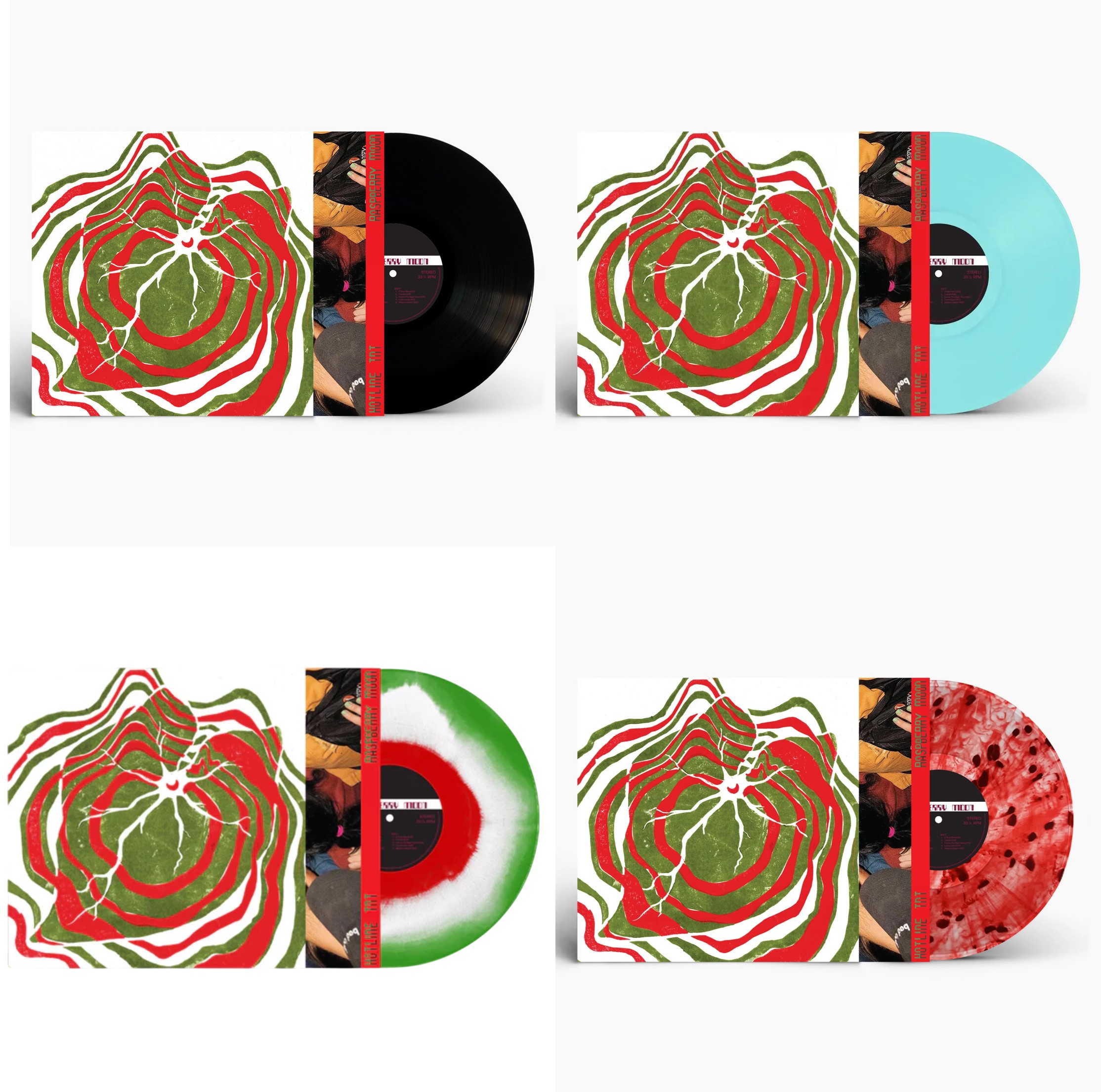
Raspberry Moon is out now via Third Man Records on a number of lovely vinyl variants. You can check it out on the Hotline TNT Bandcamp Page.

You can follow Hotline TNT on social media here……
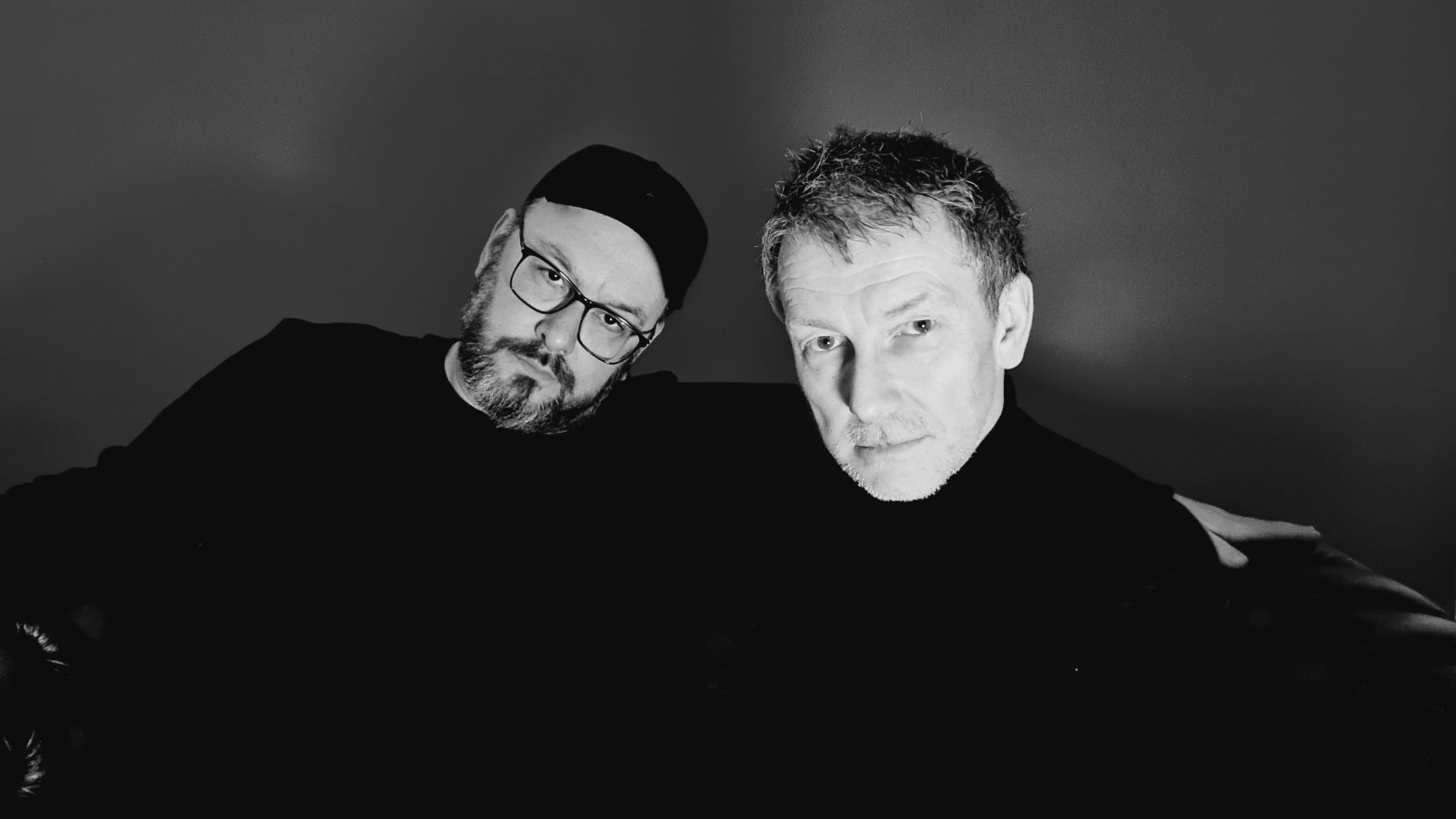
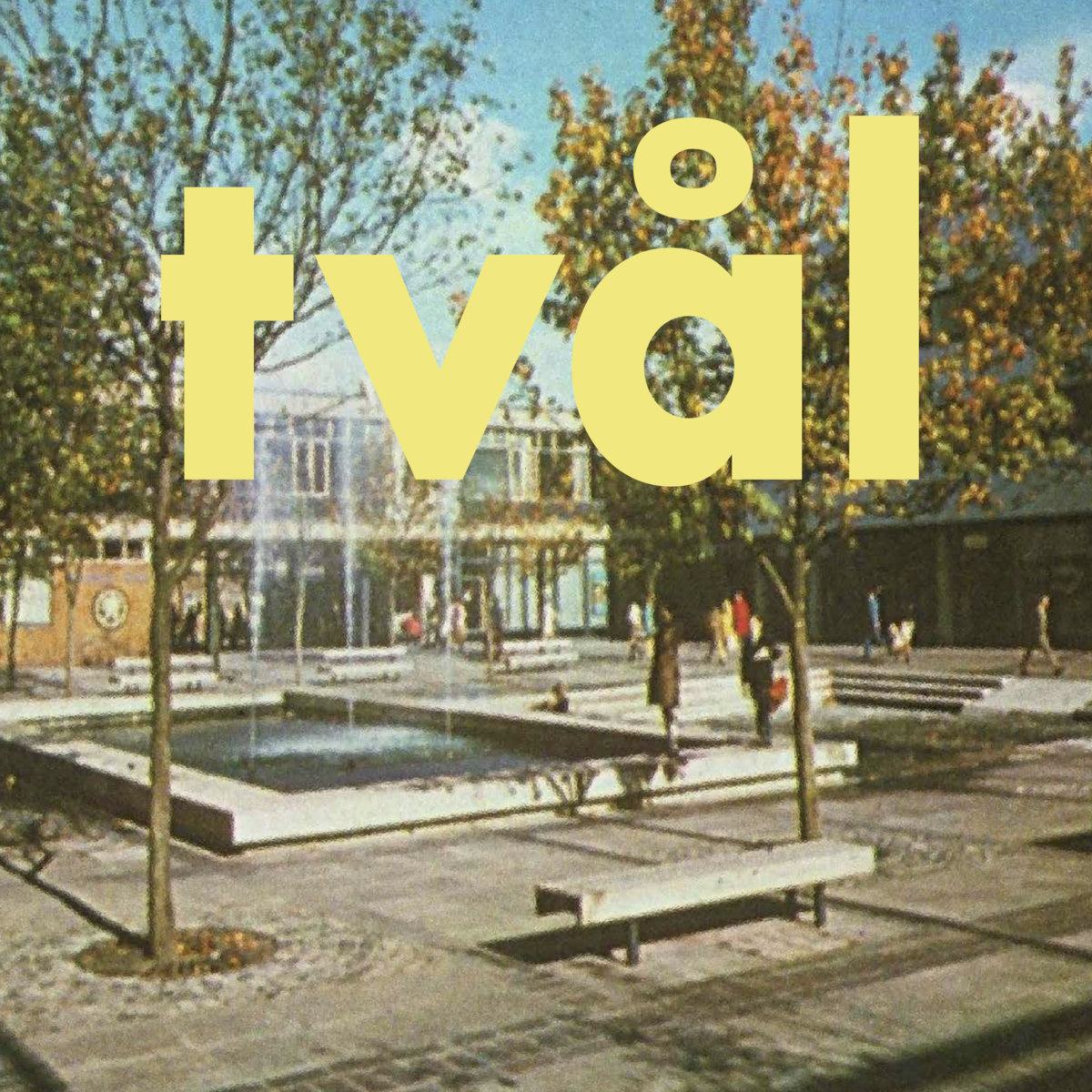
 Tvål – Tvål

There’s a special kind of thrill when a band rips up its own blueprint. Tvål didn’t just leave Thee Telepaths behind. They torched the fuzz pedals, rewired the vision and turned a spontaneous gear purchase into a whole new vocabulary.

Back when they were Thee Telepaths, Dean Cumming and Thomas J. Wright dealt in the language of volume. Fuzz pedals, psych jams that sprawled and spiralled until they felt ready to topple. The band made three EPs and an LP that buzzed with brute force and hypnotic repetition. It was loud, raw and made to overwhelm.

Then came the split, the pub in Northampton and that impulse decision to buy an old Roland drum machine. No big manifesto. Just curiosity and a couple of pints behind them. That one decision shifted everything. Out went the fuzzed-up guitars, in came vintage synths, samplers and drum machines linked up by midi cables. They swapped brute force for pulse and texture, drawing on kosmische’s shimmering patience and the mechanical elegance of early electronic pioneers. This wasn’t nostalgia for its own sake. The new sound feels handmade, slightly rough at the edges, alive. You can still trace the spirit of Thee Telepaths in the repetition and the drive, but Tvål push it somewhere cooler, stranger and far more spacious. Two years in a self-built studio in Kettering turned that first experiment into Tvål. A record that pays tribute to Harmonia and Moroder while sneaking in breaks that nod to Mo’Wax and samples that feel lifted from dusty library archives. Let’s drop the needle and see where it takes us.

 The opener ‘Vanishing Point’ is all poise. Slowly building on a low throb and fluttering synths, it feels like cruising through some deserted B-road version of the Autobahn at night. The textures crackle. The rhythms lock into place and we are away. It’s a cinematic start, and it tells you early on: this is not about hooks, it’s about momentum.

Up next ‘Circles’ is a more tightly wound proposition. The track’s motorik kick and interlocking layers call back to Harmonia’s leaner moments, but there’s something sneakier underneath. A warped sample maybe, or a buried drum fill that sounds like it was lifted from a forgotten library tape. There’s an undercurrent of tension, like the song might fall apart if you blink. It never does but the tension keeps you on point.

‘Barefoot In The Dark’ where things start to loosen up. It feels like a jam session between a Mo’Wax-era beatmaker and a Berlin school dropout. Dusty drum machine patterns walk side by side with synth lines that feel improvised and intuitive. The rhythm of the lead synth line brings to mind a morse code signal. Like they’re letting the machines talk among themselves. I love how they have bedded the vocals deep in the mix, as if they were an afterthought of the technology.

The next track is titled ‘Jazz’ but its anything but. A lurching bass motif loops over jittery percussion and cascading synth lines. There is tons of space in the mix. It isn’t chasing melody or drama. Instead, it feels like two musicians gently coaxing textures out of old machines and seeing what sticks. The result is completely captivating. You lean in, waiting to see what tiny detail they’ll introduce next. A new note. A faint echo. A cosmic flutter.

Moving into ‘The Garden’ the bpm’s drop considerably creating a contemplative feel. Built around slow, deliberate synth lines and a gently ticking beat, ‘The Garden’ leaves room for the mood to settle in. The vocoder vocals drift across the mix, sounding both distant and deeply human. There’s a solemn edge here too. A hint of gothic melancholy beneath the surface that keeps it from becoming too serene. Everything feels measured. Nothing rushes. It’s the sound of reflection rather than reaction.

That slow, unhurried beat circles beneath drifting synth fragments, holding the next track together without ever pushing it forward too quickly. The pace stays settled, almost stubbornly so, giving each texture time to breathe. Hints of vintage breaks float by, more suggested than fully stated. The mood stays restrained, never boiling over into full groove. It feels like an ode built from patience. Space and silence carry as much weight as the sounds themselves. By the end, ‘Klaus Weiss’ leaves an impression of quiet respect rather than loud tribute. Well done lads, a thoughtful nod to the spirit of those old library records that lets atmosphere do the talking.

With ‘Black Notes’ the pulse kicks back in. Driven by a crisp hi hat rhythm, this feels more urgent than what came before. The synth piano riff keeps things anchored while squelchy stabs flicker across the mix, adding flashes of tension. A ghostly vocal floats just behind it all, half-buried but still there, giving the track an unsettled, spectral feel. The contrast between the smooth piano line and the jagged synth hits keeps it interesting, a push and pull that never fully resolves but keeps you locked in until the end.

The album closes out with the expansive ‘Broken Frames’. Mid-tempo and steady, it drifts between lighter, almost fragile vocal lines and the weightier rumble of deeper synth tones. That contrast gives it a gentle tension, as if the track can’t decide between warmth and gloom. What surprised me the most was that it conjures the mood of a lost Cure track. Y’know kinda understated, slightly melancholy but quietly hopeful around the edges. The beat keeps things moving along without hurrying. Nothing feels rushed. The song lets its textures shimmer and fade. By the close, it leaves you somewhere between comfort and unease which for me is a fitting end to a record built on contrasts and quiet surprises.

Tvål are doing things their own way. No computers. No presets. No plan beyond letting the gear guide the song. What’s so thrilling though is how complete it feels while still being totally loose. The edges are frayed, the sounds are imperfect, and that’s exactly what gives it its shape. Whilst the influences are there if you go looking (Moroder, Cluster, early Depeche Mode) trust me, this is no pastiche. This is music made in the moment, by two people who clearly enjoy the process as much as the result. And it sounds brilliant. Do yourself a favour. Let the machines hum in your ears for a while because Tvål are onto something.

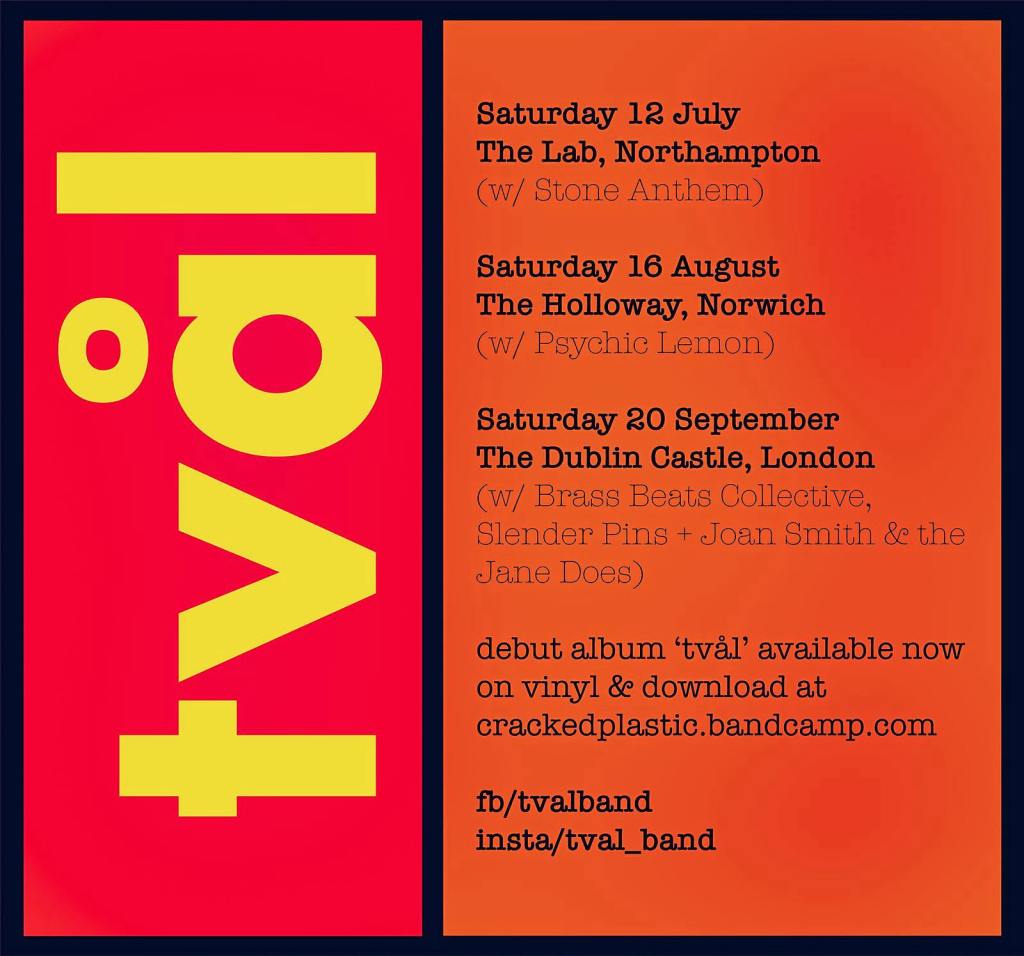
Tvål Out now via Cracked Plastic and you can check em out now over on their Bandcamp Page. A second pressing of the album is due to drop very soon, with gigs in Northampton, Norwich and London to follow. The follow up LP is under construction now for release early in 2026, hopefully preceded by an EP of extended mixes of 2-3 tracks from the new LP.

You can follow Tvål on social media here…

Photo Credit

Jo Selby-Green

The Miracle Seeds – I Am The Sherpa

The Miracle Seeds are a band who have created their own bubble in time and space. Rooted in Dundee, but sounding like they’ve been tuning in from another dimension altogether. Since the release of their debut album Inca Missiles in 2021, they’ve built something unusually magnetic. That record came wrapped in fuzz and folklore, threading Andean textures through modern psych guitar work. There was something ritualistic to it, like discovering an old tape buried in volcanic ash.

Since then, things have shifted. The line-up’s grown. The project’s moved through bedrooms and rehearsal spaces into fully realised stages. London, Glasgow, supports for heavy hitters like Elephant Stone and Tess Parks. The momentum has slowly built. They’ve taken their time. They’ve listened. And now they’re getting louder.

A new album is imminent, and if their new single ‘I Am the Sherpa’ is anything to go by, they’ve been busy plotting their most fully formed statement yet.

This is the heaviest they’ve sounded. The groove kicks in almost instantly. The opening riff is thick and raw. All overdriven guitar and low-end rumble. There’s something very Black Angels in the way it lurches forward, but they let it breathe. The bassline moves in slow spirals. It keeps circling back like it’s chasing something just out of reach. Behind it all, the drums are loose but focused. You can hear the space between the hits. The production leaves just enough room for the atmosphere to settle. The vocals feel distant, almost buried. Not in a washed-out way. It feels deliberate. Like it’s echoing across mountaintops. It sets the tone for me. Kinda detached, a little haunted, but oddly reassuring. You’re not quite sure if you’re being warned or guided.

There’s something ceremonial in that second section. The band lets the noise build slowly, like they’re summoning something. You can feel the influence of Kikagaku Moyo here. That ability to tap into something trance-like without overcomplicating the structure. By the time it fades, you’re not sure how long you’ve been inside it. It bends time just enough to disorient you.

‘I Am the Sherpa’ doesn’t play for hooks. It doesn’t chase trends. It’s not interested in immediate payoff. What it does is build trust. It says: follow us. We’ve walked this road before. If Inca Missiles was the spark, their new album Nuclear Watermelon looks to be the fire. The band feels more self-assured. You can hear the chemistry in the way this song unfolds. This is the sound of a group levelling up. And, that’s what makes this so exciting. Not the polish. Not the volume (although the sheer riffage on show is spectacular). But the commitment to building something that takes its time, trusts its instincts and respects the listener enough to leave space for mystery. There’s a trail to follow here. You coming? Let’s see where it leads.

‘I Am the Sherpa’ is out via Fuzzed Up & Astromoon Records now. Make sure and head over to The Miracle Seeds Bandcamp page and give them a follow.

You can follow The Miracle Seeds on social media here….

Photo Credit

Aneta Maeso

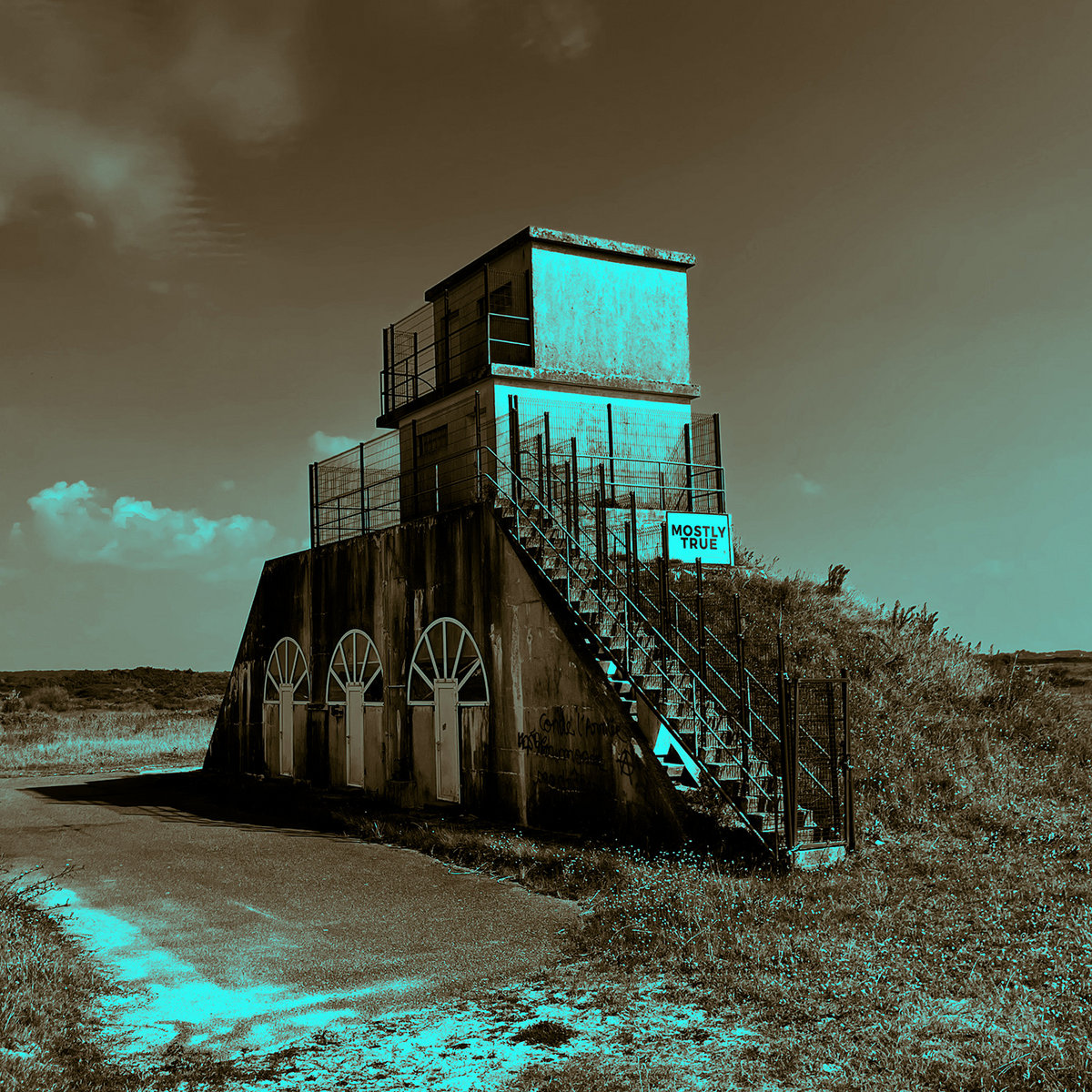
Thought Bubble – Mostly True

There’s something magnetic about Thought Bubble’s corner of the UK. Hidden away in the Shropshire hills, they’ve quietly built a catalogue of curious sound world. Some sparse, others overwhelming, but always bold. With Mostly True, they’ve carved out their most confident statement yet. The trio of Chris Cordwell (synths), Nick Raybould (percussion), and Peter Gelf (vocals) return less than 18 months after Universe Zero, but the leap between the two albums feels seismic.

Where Universe Zero was about arrival, being Gelf’s first full run with the band and the beginning of their vocal era, Mostly True is the aftershock. It pushes deeper into narrative and noise. The textures are sharper. The compositions are stranger. And the whole thing feels alive in a way few electronic records manage.

Let’s dive in.

The record opens with menace. ‘It’s Best Not To Look At The Sun’ drops us into a dense fog of prog synths and a theatrical vocal performance that leans into that Peter Gabriel influence we first heard on the last album. As an opener it feels like being shoved into a lucid dream you didn’t ask to be part of. The percussion tugs against the synths, giving the song a kind of anxious propulsion. Lyrically, it veers into surreal territory, brushing up against themes of delusion and paranoia. Gelf leans fully into the character. There’s a sense that something has fractured and no one’s quite sure who’s responsible. A daring way to start, and it sets the tone beautifully.

‘Rattlepool’ is all about the rhythm. The electronics pull back ever so slightly and expose Raybould’s virtuoso percussion front and centre. Everything is off-kilter in the best way. Patterns loop and then collapse. New beats appear from nowhere. You can hear the joy in the performance. It’s chaotic but never messy, like watching dominoes fall in unexpected directions. The vocal appears like a ghost only. One of their most hypnotic tracks yet. It’s restless, alive, and unpredictable.

‘I’d Give Up All This’ offers a stark change of pace. This track feels heartbreakingly human. The vocals are raw, almost naked. There’s an understated melody running through it that sounds like it could unravel at any second. Unlike earlier Thought Bubble records, where vocals were used sparingly and often submerged in effects, here Gelf is pushed forward. His delivery has weight. You believe every word. This is the emotional centre of the album and maybe its most accessible track too. It carries a weight, not because of its volume, but because of how direct it feels.

At first, ‘Three Apples’ feels gentle. You think you’re in for a reflective moment, but the song quickly shifts into darker territory. Inspired by the reality of drone warfare, the subject matter is stark. It circles the idea of destruction from a distance. It doesn’t show violence merely hints at its aftermath. The tension builds through minor key synth drones and subtle dissonance. It’s unsettling without tipping into melodrama. What hits hardest is how little resolution there is. The track ends abruptly, mirroring the idea that these acts of violence occur far away and vanish just as quickly from public consciousness.

Next up it’s ‘Clicks, Rumbles And Wordless Shouts’ and the title says everything. The band lean into the physicality of sound, every pop, snap, and crackle feels intentional. Gelf delivers fragmented vocal lines that teeter on spoken word. The result is closer to sound collage than traditional songwriting. The experience feels like moving through a crumbling structure, the floorboards giving slightly underfoot. Nothing repeats. Every sound feels like it might vanish the moment you notice it. Thought Bubble are masters at this, using texture to convey meaning. It’s unlike anything else on the record.

‘Cut Out Within’ next opens like a slow exhale. You feel suspended, floating through a thick mist of synth tones. It’s more restrained, but there’s tension hiding underneath. The sounds stretch and ripple. Everything feels slowed down, like it’s being viewed underwater. You’re not led anywhere, just left to drift. There’s a calmness sure, but it’s not comforting. More like the eye of a storm. The arrangement grows slowly, pads swell, beats emerge, layers unfold gradually. What makes it work is the restraint. Thought Bubble avoid the temptation to build to a predictable peak. Instead, they let the groove simmer, threatening to boil over but never quite doing so. Gelf’s voice is used more as an instrument here, processed and layered until it sounds like it’s floating in from another room.

Closing the album is ‘Anna’, a track that feels like it’s always existed. It’s deceptively simple. A drifting synth progression, a steady rhythm, a repeated vocal motif but it leaves a heavy impression. There’s melancholy here, but not sadness. More like reflection. The kind you get after something ends and you don’t yet know what to do next. It’s beautifully ambiguous. The beauty of this song is in its subtlety. Nothing forces your attention, but by the end you realise you’ve been completely pulled in. It feels like the part of the film where the credits roll quietly and you’re not ready to leave the cinema. No big finale. No explosion of noise. Just the gentle sound of Thought Bubble walking out the room.

Thought Bubble aren’t interested in trends. They don’t care about fitting into a scene. With Mostly True, they’ve proven again that they’re making music on their own terms, with total conviction. The addition of Gelf last year was a full pivot. They’ve embraced storytelling, confrontation, abstraction, and vulnerability in equal measure. This is a deep plunge into a very particular kind of sound world. Not dream pop. Not ambient. Not post-rock. Something else entirely. Something hard to name. This album will challenge you as a listener. It’s weird, uncompromising and patient. For those who do tune in, there’s so much to explore. Every track invites you back in, daring you to notice something you missed the first time. My final thought, do what I did, let go and fall into the world they’ve built.

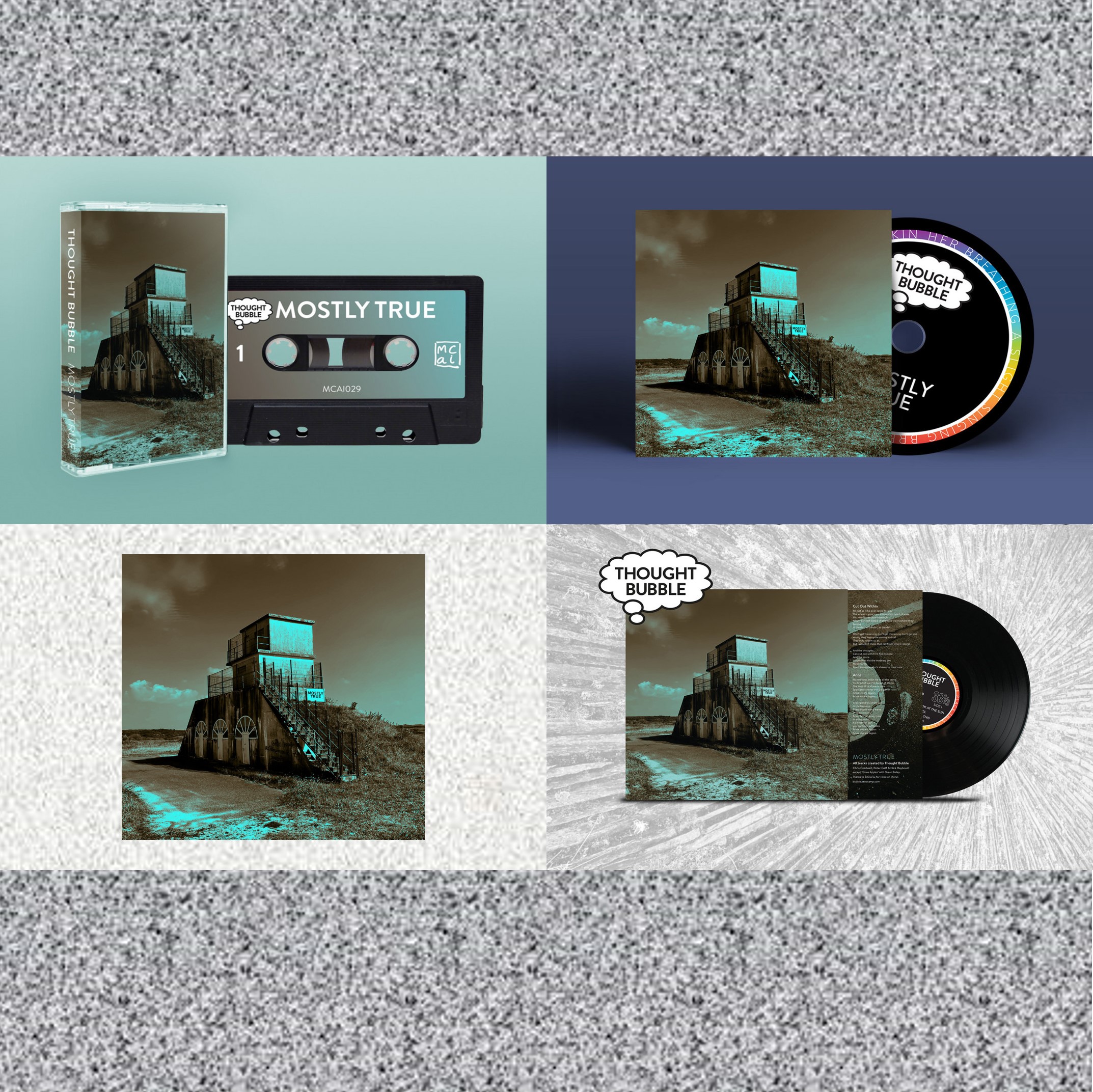
Mostly True is available on vinyl, CD, cassette or digital via Moolakii Club Audio Interface. Make sure and give Thought Bubble a follow over on Bandcamp.

You can follow Thought Bubble on social media here…

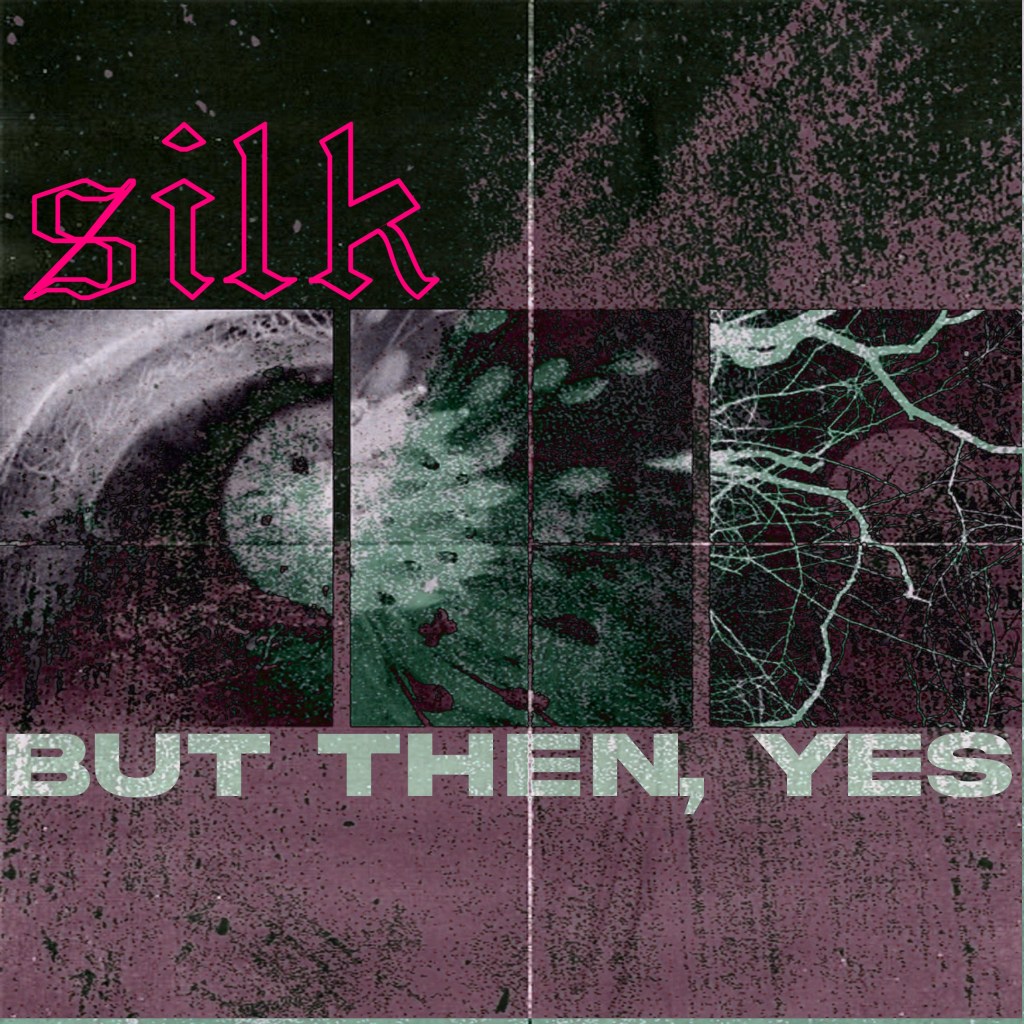
SILK – but then, yes

I’ve said it before; they must be adding essence of shoegaze to the water in Ireland. The new sounds bursting from the Irish shoegaze scene right now is testament. You can feel it. And right in the middle of that growing storm is Silk, the solo project from Michael Smyth, guitarist and songwriter for Belfast favourites Virgins.

Where Virgins lean into shimmering textures and sharp hooks, Silk pulls the sound in a different direction. Heavier. Moodier. More expansive. After announcing the project with the outstanding debut single ‘Faze’, which I covered here earlier in the year, Smyth returns now with ‘but then, yes’. A track that feels darker and more patient, but no less urgent.

It opens in a daze. The guitars don’t just chime, they loom. Dense waves of tone drift in slowly, then stretch out like they’re filling every corner of the mix. There’s a sense that something’s coming, but the track doesn’t rush. It hangs in that moment, letting the air thicken. The vocal pairing here is key. Smyth brings in AJ Das from Dublin’s Picture Postcard, whose presence shifts the whole balance. There’s an intimacy to Das’ voice that cuts through the haze. Their combined delivery adds a sort of call and response tension, but never in a neat or obvious way. Everything is submerged. You catch glimpses, not statements.

Lyrically, Smyth has said the song is about the slow transition of relationships—how things edge from platonic into something messier, deeper, more emotionally entangled. The music mirrors that shift. It doesn’t arrive with a bang. It creeps in. The emotions underneath it are uneasy but real.

Production-wise, it’s handled with care. Smyth recorded and performed everything himself before passing it over to trusted collaborators. The mix comes from Jonny Woods (Wynona Bleach, 1980 Something Studios), and it hits with full weight.

This release also arrives ahead of the first Silk live shows. Members of Broncos, Ferals, and Wynona Bleach will be joining Smyth on stage, forming a full band ready to bring this sound into the physical world. Expect sheer volume and emotional intensity in equal measure.

With ‘but then, yes’, Silk takes the sound fashioned for ‘Faze’ and turns it up just a little more. There’s more space, more ambition, more depth. It confirms what I suspected: this isn’t a side project, this is something fully-formed, alive, and growing.

Shoegaze needs bands that take risks with noise and feeling. Silk is doing both. This track cements them as one of the most essential new acts in the scene.

‘but then, yes’ is out now and you can download it from the Silk Bandcamp Page.

You can follow Silk on social media here…..

Coming Up Roses – How Did We Fall So Far?

Coming Up Roses arrived on the underground radar with the youthful shimmer of Waters in 2019, matured through the bittersweet reflections of Everything Is in 2021, and sharpened their melodic bite on the self‑titled EP that followed last year. Each release hinted at bigger statements to come, yet none predicted quite how emotionally wide this debut would swing.

This is a band that have taken their time. This album has been quietly building in the background, tucked between festival sets, the aforementioned EP drops and a slow but steady word-of-mouth groundswell. With roots split between Singapore and the UK, they’ve never felt locked into one scene or sound. Instead, they’ve carved out something personal, guitar music that isn’t afraid to be tender, loud, and completely transparent.

There’s a definite shift here. How Did We Fall So Far? feels more exposed than anything they’ve done before. The songs go deeper, linger longer, and aren’t looking for easy exits. I asked the band to tell us more about this change in tone.

“We drew a lot on our personal emotional journey of our move from Singapore to the UK. This record touches on emotions that people would not necessarily want to show the world, but we wanted people to be able to relate to them and through that, let them know that it’s okay to feel these things.”

‘Hello Miss Anxiety’ is our opener and  it drifts in on a hush of cymbal wash before Emily pleads, “Hello Miss Anxiety, will you go quietly?”. Guitars flicker like faulty neon, building a pulse that mirrors a racing heartbeat. When the chorus blooms the band let distortion spread in every direction, turning a personal panic attack into an anthem that still feels strangely communal.

Up next ‘I’m In Bed’ is a track that folds in on itself. The band lean into restraint here. The pacing while up there is also heavy, like dragging a duvet across your entire body just to block out the day. What’s powerful is how little they do with so much impact. No tricks. Just a sense of stillness, disorientation, and the vague idea that nothing really helps even when it should. It’s honest in a way that feels brave. The last note finishing on an almost unresolved crescendo just seals the deal.

We stride in to power ballad territory with ‘Over Your Head’.  There’s a weight hanging over this one. The drums whilst measured move forward with purpose, guitars flicker like light on the water. It plays with expectations, on yourself, on others and the way those can grow until you can’t move without feeling crushed by the pressure. It never shouts. It just keeps pushing forward, shoulders hunched, jaw clenched. That sense of trying to hold it all together is felt in every measured beat.

With ‘Little Guy’ the tone changes. It’s sharper, more direct. A protest song wrapped in frustration and half-swallowed rage. The band tighten their grip, with the rhythm section punching through the mix and the guitars suddenly carrying more bite. There’s real tension in the delivery. You can hear the fatigue of being overlooked, but it never folds into self-pity. The softest guitar tone on the album becomes the backdrop for its angriest vocal. Emily spits “Ah, hate to be the little guy” while Charlie Wilson’s bass rumbles like distant thunder. This is a confrontation, not a confession.

Glistening chorus‑laden guitars nod to an early Cranberries influence on ‘Billie and Allie’. The subject matter here is mortality. Lines such as “Billie, won’t you tell me your secret to escaping?” hang in the air like candle smoke. A dreamlike swirl of questions that never quite find answers. The band strip back the noise and let Emilys powerful vocal shine through. Despite the sombre subject matter the song sounds joyous.

‘Tired’ is possibly the most physically felt song on the album. The repetition in the structure mimics that brain-fog burnout perfectly. The band keep things circular, almost hypnotic, as if trying to replicate the loops of overthinking and emotional fatigue. There’s a resignation in the delivery that hits hard but not because it’s sad, but because it’s so familiar.

The band single out ‘Gotta Lose It All’ as the focus cut for good reason. This is pure catharsis. The melody is euphoric and all consuming. The guitars drive the song along with intent but also with reall care and sympathy to the nature of the lyrics. Just check out when Emily sings “Don’t know how it happened” looping over and over while the band stack layer on layer until the song becomes a tidal wave. For this isn’t just the best song in the album, it’s the best song they’ve written to date.

Piano takes centre stage for ‘I Miss You’, offering fragile footing for a portrait of grief. There’s a stillness to this one that feels sacred. No posturing, no need to impress. Just grief, laid bare. The arrangement gives the song room to breathe, to pause, to cry if it needs to. One of the album’s most disarming moments that’s so relatable as we have all felt that loss. The mix allows empty space to ring around each chord. It’s so powerful.

‘Awake’ is a slow descent into the kind of insomnia that blurs lines between nightmare and waking. The arrangement swells and recedes like shallow breathing, mirroring the liminal state between nightmare and dawn. The guitars loop and shimmer like flickering light from a hallway bulb that never quite stays on. Never settling, the song shifts shape as it goes. Every corner feels just slightly off. A sonic portrait of unrest that lands somewhere between surreal and terrifying.

The title track steps back from interior monologue to ask the world at large, “How Did We Fall So Far?’ This, the final track feels less like a conclusion and more like the start of another hard question. The band strip back again here, making space for doubt, discomfort and reflection. It’s less about finding meaning and more about admitting you don’t have any left in the tank. It doesn’t fade out, it just steps away quietly, as if unsure if anything else needs to be said.

Coming Up Roses have stretched every lesson from their EP years into something deeper and braver. The record traces anxiety, loss, and exhaustion yet somehow lands on possibility. It’s full of worn-out thoughts, grief that still stings, and those heavy quiet days when you’re not sure who you are anymore. The band doesn’t rush to fix anything. They just sit with it. And that, somehow, is exactly what makes this record stick. If any of these songs mirror your own late‑night inner voice, press play again and let them keep you company. Then tell a friend. Music like this deserves to travel.

How Did We Fall So Far? Is out now on vinyl, CD and digital streaming and will also be available at local record stores around the world including Rough Trade (UK), White Wabbit (Taiwan) and Disk Union (Japan).

You can follow Coming Up Roses on social media here …

Whitelands – Heat Of The Summer

It’s been only a few months since Whitelands released their astonishing debut album Night-bound Eyes are Blind to the Day, and already they’re switching gears. If that LP was a late-night soul search soundtracked by rain-smeared lights and celestial haze, then their new standalone single ‘Heat Of The Summer’ is the moment the clouds’ part and the golden light comes streaming in.

There’s a surge of energy here that’s hard to ignore. It bursts out the gate with jangling guitars, bright and clear, underpinned by a rhythm section that moves with a spring in its step. The warmth is immediate. No long intros, no slow builds — just straight in with a groove that feels like sunshine on your back and pavement heat rising under your shoes.

What makes ‘Heat Of The Summer’ so striking is how effortlessly it catches a mood. The band don’t reach for nostalgia or cliché. They simply lock into a feeling and let it run. The guitars have a crisp, almost breezy quality, like they’re catching the light just right. There’s a looseness to the playing that makes everything feel alive in the moment, full of joy and motion.

Etienne’s vocals are more centred and confident than ever. Gone is the gentle murmur of earlier tracks. Here, he sings with intent, clear and present, delivering lines with a kind of quiet urgency that draws you in immediately. There’s no shyness. His voice carries the melody boldly, weaving through the chords with an easy charm. It’s the sound of someone stepping forward rather than retreating inward.

This track’s pacing also deserves credit. At just under three minutes, it never overstays its welcome. The chorus arrives early and clean, lifting the whole song skywards. It’s melodic and memorable with the kind of hook that settles in before you even realise you’re singing it back. There’s something carefree in the structure. The band sounds like they’re playing for the joy of it, not to prove a point.

While the lyrical tone still carries that introspective undercurrent Whitelands are known for, it’s presented through a brighter lens. Lines flicker with gentle yearning, but the overall atmosphere remains light on its feet. It’s not about retreat or reflection this time. It’s about movement, connection, and staying open to the warmth when it comes.

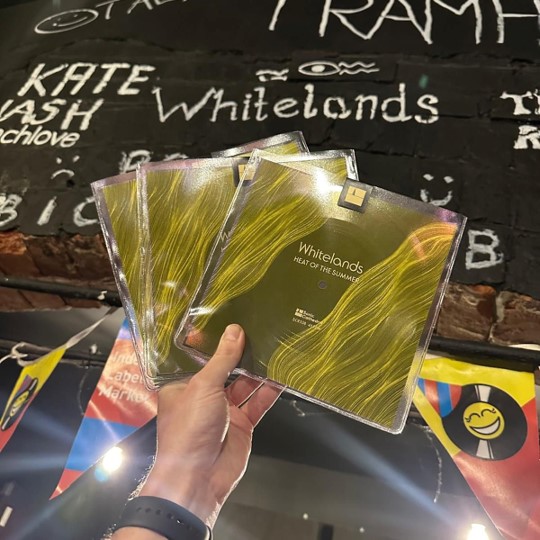
The decision to release this track on a flexi disc is such a perfect touch. It suits the fleeting, glowing quality of the song. Like something you find tucked into a summer fanzine or passed along from a mate who gets what you’re into. It feels like a postcard from the band. A snapshot.

And there’s more to come. Whitelands recently confirmed that album two is nearly complete. If ‘Heat Of The Summer’ is a sign of what direction they’re heading in, then we’re in for something special.

Available now as a limited-edition flexi disc via Sonic Cathedral and across all digital platforms. Flexis don’t last forever — neither do summers. Grab it while you can.

You can follow Whitelands on social media here……….

Just Mustard – Pollyanna

It’s always a red-letter day at Static Sounds Club when new music drops from Just Mustard. You can hear me bouncing off the walls with excitement from miles away. Ever since Wednesday scrambled my senses back in 2018, they’ve remained a band whose every move feels like a tectonic shift. When Heart Under hit in 2022, it felt like stepping inside a black box recorder mid-fall. Dense textures. Gnarled guitars. Katie Ball’s voice moving through the cracks like light through shutters. There’s always been something elemental about their sound. It doesn’t wash over you. It pulls you under.

They’ve been relatively quiet since then. Touring, yes. Picking up new disciples in dark rooms across the globe. But now they’ve broken the silence with a new single. It’s called ‘Pollyanna’ and it’s an absolute stunner.

From the off, ‘Pollyanna’ plants you on uneasy ground. The pulse of seismic feedback becomes the back bone of the track. That drum pattern throbs with a robotic precision. It feels less like a beat and more like the ticking of something buried and mechanical. There’s a faint metallic taste to the sound. The guitars flicker and flash but there’s no fuzz or chaos here. They’ve been stripped back to pure function, gleaming and sharpened like surgical tools.

Katie’s vocals glide through the mix with an unnerving stillness. Her delivery, as always is close and confessional. There’s no drama, no reaching for the rafters. Just quiet detachment. It’s cold but never lifeless. If anything, that blankness is what makes it hit so hard. She sounds like she’s narrating a dream while still inside it. What really gets under the skin is how locked in the band feel. Every part has its place. No one’s overreaching. The song feels airtight. It’s not minimal in a sparse way but there’s zero clutter. Everything feeds the mood. That creeping dread. That dead-eyed calm.

There’s talk that the title references Pollyanna syndrome. A kind of forced optimism that denies reality at all costs. You can hear that idea in the song’s bones. There’s a tension between the mechanical groove and the eerie restraint of the vocal. Like smiling through a migraine. It never quite explodes. It just sits there. Staring.

It’s hard to tell whether this is the beginning of a new album cycle but it certainly feels like a statement. They’re pushing the template again. Less abstraction. More control. A new kind of precision. The raw emotion is still there but it’s being channelled through colder veins. That’s a thrilling direction for a band who’ve always been fearless in how they evolve.

‘Pollyanna’ is out now via Partisan Records and is absolutely worth your full attention. Stick it on. Let it sink in. But watch out! It whispers to you, waits for you to come closer and once you’re in there’s no way back. Why would you want to?

Something’s stirring in Dundalk again.

You can follow Just Mustard on social media here…

Homework – Homework EP & Easy Money EP

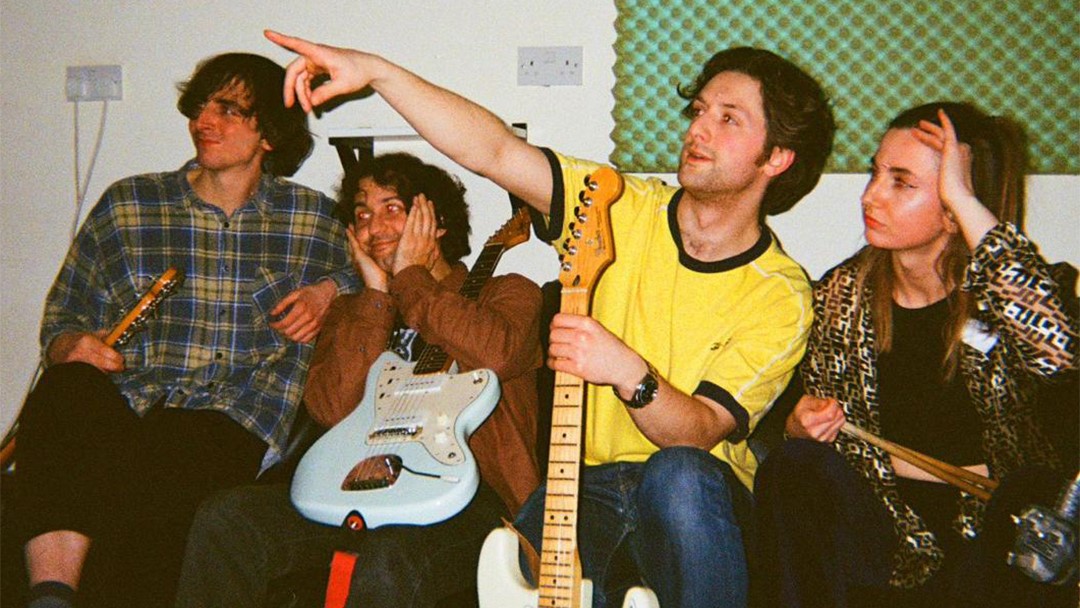
Homework are a band that never really set out to be a band in the traditional sense. They didn’t emerge from a polished plan or a scene with capital letters. No, Homework began as two blokes playing acoustic guitars in a public park during lockdown. It was lo-fi from day one. An act of quiet rebellion wrapped in rusted strings and awkward rhythms. Yet, what started as a pandemic pastime has grown into one of Glasgow’s most thrilling new indie outfits.

The group consists of Michael Newton (guitar and vocals), Santiago Taberna (guitar and vocals), Andrew Gordon (bass and vocals) and Lizzie Quirke (drums and percussion). They’re all fully committed slackers with proper jobs, and that tension, between the everyday and the transcendental, is written into every riff and rhythm. Theirs is a sound carved out in cramped practice spaces with cherished guitars and gear that works when it feels like it. This is fuzz pop held together with duct tape and dreams. It is volatile and warm, heartfelt and sarcastic. A band built by hand, in every sense.

Homework wear their love of Pavement, Yo La Tengo, Sonic Youth and Teenage Fanclub proudly. These are reference points, sure, but they’re never just pastiche. This is not homage. It is inheritance. And for a band made up of adopted Glaswegians, that connection to the city is crucial. Glasgow is in the jokes, the gear failures, the offhand lyrics and the community. Their New Year’s Eve support slot for none other than Norman Blake of the Fanclub wasn’t just a gig. It was a quiet, weird triumph.

They are now two EPs deep and I think it’s fair to say Homework have created a world that feels immediately familiar but never boring. They have a very democratic band structure with no one claiming frontperson title and Santiago, Michael and Andrew all writing songs. No frontperson. No ego. Just beautifully democratic DIY chaos.

I asked the band what first brought them together.

Their first release was an expression of that very ethos. The Homework EP was released back in 2023. Let’s dive in and give it a spin.

The opener ‘If You Believe Me is the perfect introduction to the band. Immediately you get the sense they’re not trying to impress anyone — but somehow, they do anyway. A woozy rhythm guitar lays the groundwork for a half-sung vocal that is all charm and feeling. The song feels intimate without being precious. The melodies wander slightly but never get lost. There’s real warmth here, the kind that lingers long after the last note fades. Not so much a handshake greeting but a big drunken hug of a song.

There’s something gloriously aimless about ‘Paper’, and I mean that in the best way. It lopes rather than drives, jangling along on a mid-tempo groove that feels like it might dissolve at any moment but never does. The guitars chime and curl lazily around each other, loose but locked in, giving off that slightly woozy quality that slacker pop thrives on. You can feel the Pavement influence but it doesn’t feel like mimicry. It’s more like they’ve soaked it in over years of late-night listening and let it seep into their bloodstream. What really stands out is the band’s restraint. ‘Paper’ doesn’t chase a payoff. It doesn’t build to a huge chorus or collapse into noise. Instead, it sits comfortably in its own skin, spinning its wheels just enough to let the atmosphere settle.

The closer ‘Don’t Tell Me To Sit’ is packed with attitude but still friendly enough to shout along with. The delivery has bite, but the overall tone is more playful than pissed off. The drumming drives this one forward with just the right amount of swing, punch and punctuation. The title feels like a mission statement and the hook is undeniable. There’s also that magic balance between fun and fury that makes great slacker pop so addictive.

So, one year later the band dropped the Easy Money EP. I asked them what they differently when recording this one.

With those words ringing in our ears lets dive in to the Easy Money EP.

From the first note of ‘Dummy Run’ it lets you know that Homework are stepping it up. Not in a flashy way. They are still unpolished and charming, but the confidence is different now. The guitars hit harder, the vocals are more assured, and the groove sits just right. There is a sense of forward motion throughout this track. The chorus is proper catchy without ever feeling too composed. It is a song that tumbles forward with a grin on its face. You can feel the camaraderie through the speakers. This one is a winner.

Next ‘How Can You’ slows things down and opens a softer side of the band. Dreamy and a bit sad in that deeply satisfying way. It feels like a late-night walk with your thoughts. There is a real feeling of space and room in the mix here that gives the song a new kind of power. The vocals are on it and genuine. There are three killer melodies on show and each plays its part. Almost like if The Libertines were covering a lost ballad from The Pastels. Beautiful stuff.

Final track ‘Marina Bay Sands’ is easily one of the most intriguing songs in their catalogue so far. There’s a woozy sun drunk quality to this track. The melody is hazy and the production feels just a little off kilter, like it is leaning sideways. It is both escapist and grounded, like dreaming of holidays from the kitchen sink. The chorus is understated but earwormy. A brilliant closer that shows the full range of what Homework can do. You’ll hit repeat without even realising.

It’s rare to find a band this early in their life who already sound this comfortable in their own skin. Homework aren’t chasing trends. They’re not crafting songs for algorithm playlists or trying to go viral. What they are doing is building a discography filled with sincerity, humour, fuzz and heart. They are one of those rare groups that make you want to pick up a guitar and start your own band. Not because it looks easy, but because it looks like so much fun.

You can hear the rehearsal room in these tracks. The in jokes. The shared glances. The mistakes that turn into magic. There is no studio polish, no industry sheen — just four people making music they believe in, with just enough chaos to keep it thrilling. Isn’t that what it’s all about.

Both EPs are available now over on the Homework Bandcamp page.

You can follow Homework on social media here…

Lo-Fi Melancholia for Kids – Because, everyone is wrong about everything all the time

Scotland’s experimental undercurrents have never been short of strange brilliance, but Because, everyone is wrong about everything all the time, the debut full-length from Lo-Fi Melancholia for Kids (LFMFK), finds a way to thread that well-worn seam with a needle dipped in something entirely new. The man behind the moniker, Adam O’Sullivan, is no stranger to sonic trickery. His past work with Japan Review was already pricking up ears with its gauzy textures and spectral edges, but this latest venture pushes even further into leftfield territory. Here, O’Sullivan doesn’t just blur genre lines — he wanders off the page entirely, and the result is a treasure map that’s half-smeared in noise, half-glowing in neon.

From the outset, LFMFK strikes a deeply personal tone without ever tipping into the confessional. It’s an album built on contradictions — hazy yet focused, melancholic yet playfully weird, fractured but utterly danceable — and it carries the sort of experimental pop sensibility that owes a debt to the likes of The Notwist and Broadcast, while still sounding stubbornly like its own thing. It’s not trying to impress you; it’s just trying to get something across before it disappears in a puff of drum-machine smoke.

Let’s dive in and go track by track.

Opener ‘Energetic Midfield Player’ kicks things off like a clunky Casio waking up in the middle of a lucid dream. There’s something almost comic in its title, but what unfolds is a murky, hyper-melodic loopfest. Skittering percussion that feels like it’s about to fall apart at any moment, propped up by scuzzy guitar that towers over the mix. O’Sullivan layers glitchy fragments like he’s scoring a crumbling VHS memory of a lost Strokes track. There’s a warmth in the wooziness, and the track sets the tone perfectly: this is music made by a human being for other slightly-broken human beings.

With ‘The Dark Outside’, things shift towards something more atmospheric, edging into ambient-pop territory.  The intro vocals are ghosted in, distant and spectral, never quite letting you in but inviting you to hover just outside the window. When the drums come in there’s an emotional core that feels quietly devastating. It’s not so much sad as it is overwhelmed, capturing that late-night loneliness when your own thoughts are too loud.

‘The Arrow’ injects a jolt of energy back into the mix. It’s twitchy and fragmented, hopping between ideas like it’s trying on jackets in a vintage shop. There’s a tactile quality to the production — drum machines clatter like toy robots on linoleum floors, while rubbery synth lines swoop in and out like startled birds. It’s a burst of anxious energy that vanishes just as you start to dance along.

Up next ‘Smog’ trades the album’s scattershot energy for something far more stripped back. An open, slow-burning meditation built around acoustic guitar, whispery vocals, and a soft undercurrent of droning synth. There’s an almost eerie stillness to it, like stepping into a quiet room after leaving a chaotic street. The guitar loops gently, hypnotically, while Adam’s voice hovers just above a whisper — cracked, close-miked and half-swallowed, like it’s unsure whether it wants to be heard at all. It’s intimate to the point of discomfort, but beautiful in its restraint. It’s one of the most vulnerable pieces on the record, quietly devastating in its simplicity, and it lingers long after it’s gone.

As its title suggests, ‘Isolate’ strips things back. It opens with a tinny, clattering drum machine and jangly guitars that feel like they’ve been left out in the rain — brittle, chiming, and just slightly out of sync. There’s a lo-fi tension from the start, a feeling that everything is holding itself together with frayed tape. Adam’s vocals come through washed in distortion, not quite buried but definitely blurred — a voice pushed through a busted amp, more texture than lyric. As the track progresses, a pulsing bassline begins to assert itself underneath, grounding the shimmer in something darker and more determined. Guitars start to clang and clash, turning from jangle to something harsher, more metallic. The whole song gradually mutates into a hypnotic, propulsive march, like it’s gathering static and weight with every passing bar. What begins as a fragile bedroom recording morphs into something much more forceful and unrelenting. It’s a stunning shift — subtle at first, but by the time it peaks, you’re completely caught in its momentum. ‘Isolate’ captures a very specific kind of emotional drift

Possibly the album’s most cinematic moment, ‘Under Green Discount Light’ feels like a detour into haunted supermarket dream pop. The textures here are lush, smeared with synth pads and static crackle, and the track unfolds slowly, like someone watching their youth play out on a security monitor. O’Sullivan taps into a sense of cultural detritus. Discount culture, old advertising aesthetics, half-remembered slogans and somehow turns it into something beautiful. It’s both nostalgic and alien, a lost signal from a world that never quite existed.

‘Ragland’ pares things right back to their emotional core. Gone are the glitches and clatter — in their place is a lo-fi piano that sounds like it’s being played in an abandoned room, half-lit and dust-coated. Each note feels fragile, deliberate, and deeply human, as though it might fall apart if pressed any harder. An organ hums gently underneath, woozy and warm, like the last rays of sunlight creeping through a window at the end of the day. The vocals are drenched in reverb, ghostlike and soft, more felt than clearly heard. They drift across the track like distant thoughts, lost in the mix but never aimless. There’s a real sense of space here — not emptiness, but intimacy. You’re placed inside the song, close enough to hear the fingers lift from keys, close enough to feel the air shift when the chords change. I absolutely love this track.

Closer ‘Spare Century’ is the album’s quiet exit. Built around a gently played acoustic guitar, it unfolds at an unhurried pace, each note given space to breathe. Over the top, a fuzz-drenched lead guitar drips out single, deliberate notes. Slow and mournful, almost like it’s remembering a melody rather than playing it. The contrast between the clean acoustic and the scorched electric creates a beautiful tension, tender and raw at once. A lo-fi organ floats just beneath, barely rising above a hum, but it gives the track a quiet warmth. There are no drums, no rhythm section, just a feeling of time stretching out and dissolving. It’s an anti-anthem, a song that refuses resolution, content instead to drift slowly toward silence.

There’s something very special about Because, everyone is wrong about everything all the time. It’s not just that it’s a strong debut, it’s the way it invites you to peer into its strange and beautiful mess without ever holding your hand. O’Sullivan has managed to fuse the scrappy charm of lo-fi indie with the expansive curiosity of electronic exploration, and he’s done it with a wink rather than a sermon. At a time when so much music feels pre-polished and algorithmic, LFMFK offers something looser, weirder, and far more alive. This is the sound of someone throwing sonic ideas at the wall not to impress, but to see what kind of shadows they cast when the light hits just right.

Because, everyone is wrong about everything all the time is out now via Astrodice Records and is available to download or on cassette from the Lo-Fi Melancholia for Kids Bandcamp page.

You can follow Lo-Fi Melancholia for Kids on social media here…