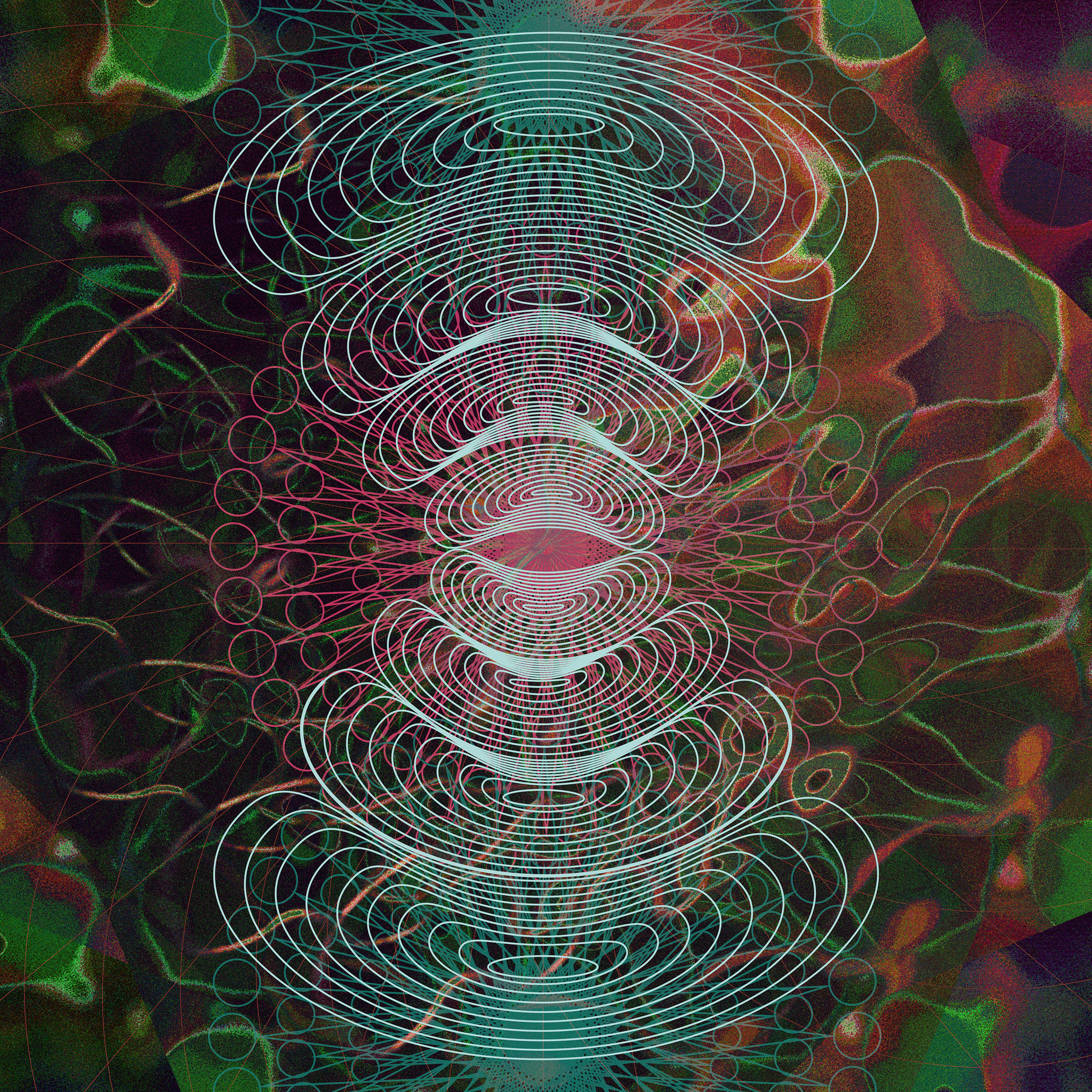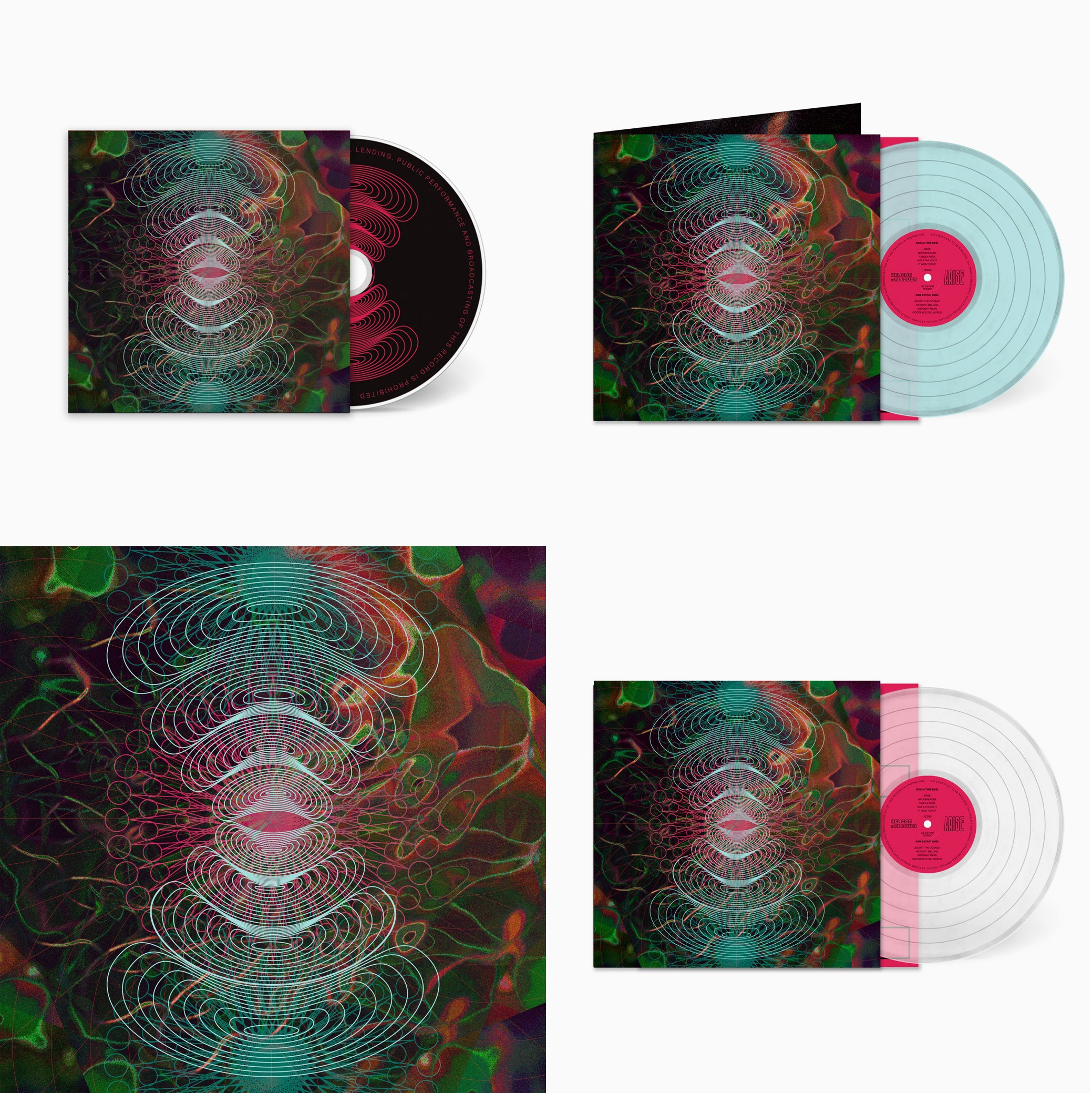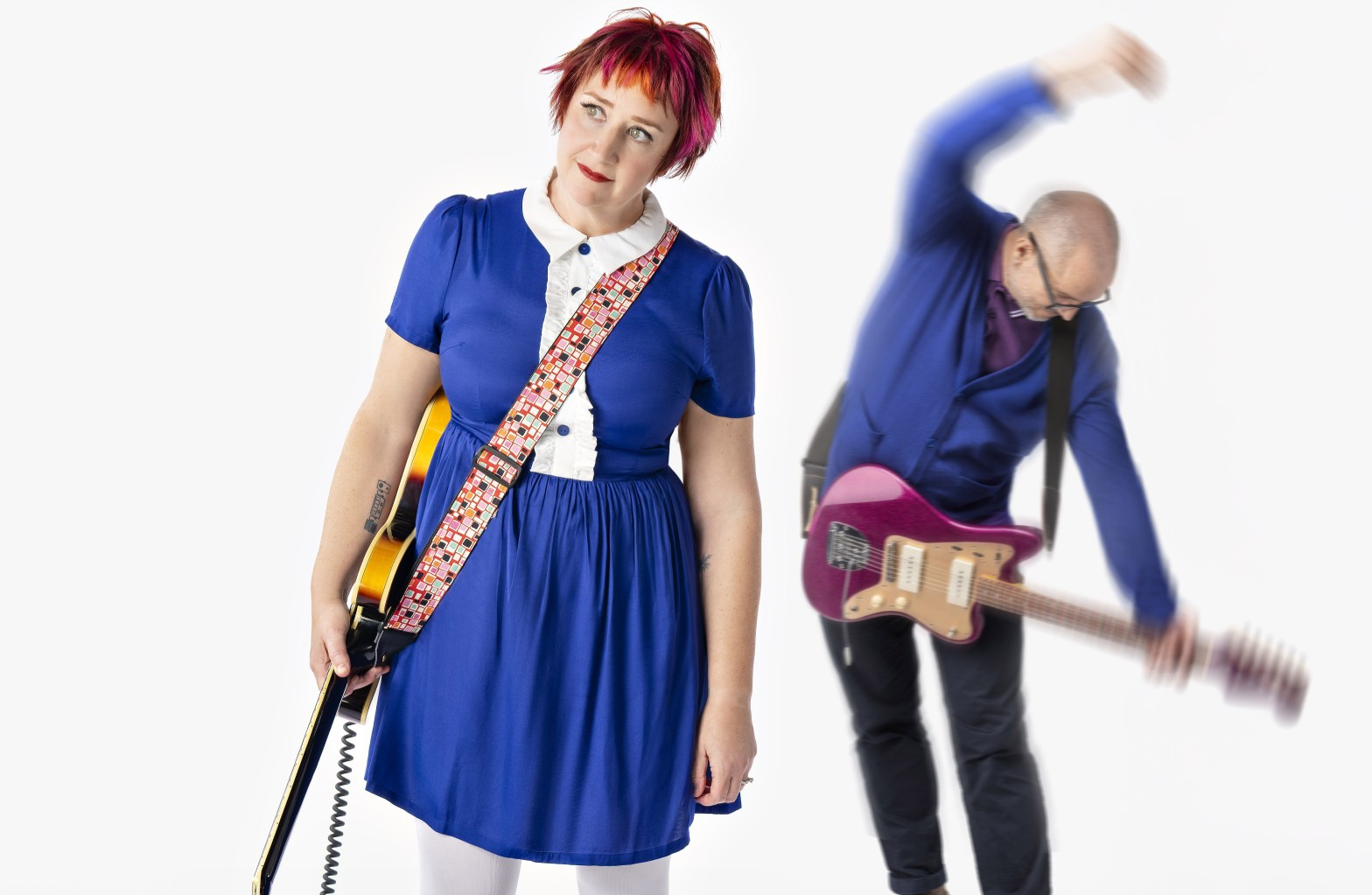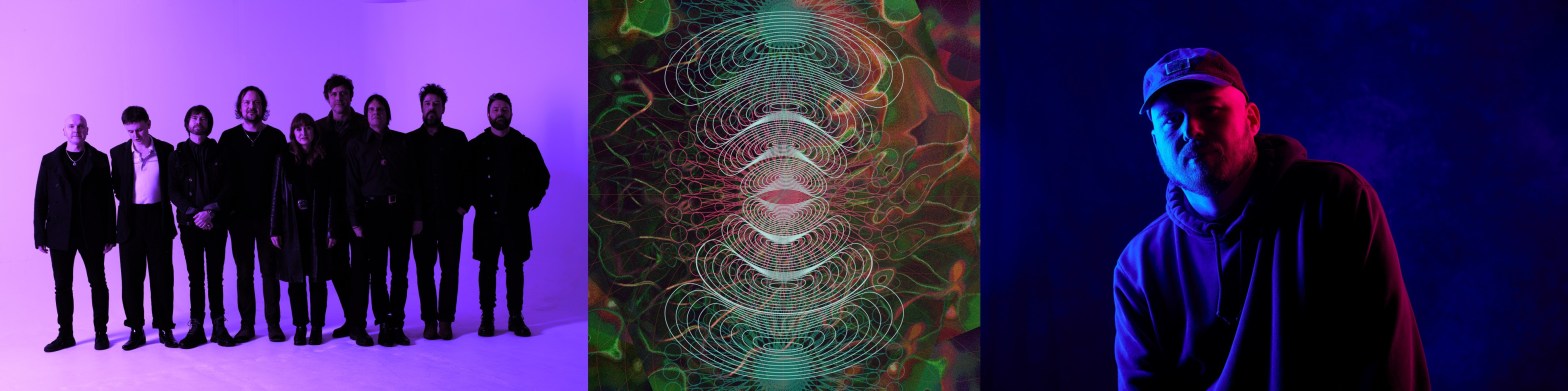
Goon – Dream 3

I’m always on the lookout for bands that make me really sit up and take notice. Bands that demand your full attention and in return reward you with a totally unique listening experience. So it was with LA based Goon. I first stumbled into Goon’s world through the album Hour of Green Evening. It was one of those albums that stopped me in my tracks, full of subtle intricacies that revealed themselves over time. What struck me most back then was how naturally Kenny Becker’s songwriting balanced complexity and comfort. Those twisting chord changes never once felt unnatural. They just belonged. Just listen to the pocket epic that is ‘Emily Says’ to get a feel for what I mean. I can’t tell you how many hours, days even I’ve lost myself in that album’s grooves.

Goon are back again with a new album for 2025 and it feels like we are still living in the same world of Hour of Green Evening, but not quite.  Dream 3 feels like the next logical step and a bold sideways move all at once. It takes the gentle beauty of Hour of Green Evening and smudges it, letting the chaos in. The result is something rawer, stranger, and often more beautiful for it. Becker has said that Goon albums tend to reactions to previous albums and that’s noticeable here. Whilst Hour of Green Evening was grand in vista and almost pastoral in places with Dream 3 the tone shifts. The songs become a place for him to process the pain and grief caused by a relationship break up that happened whilst he was recording the album. The resulting songs are some of his most brutally honest to date.

I’ve had Dream 3 on repeat play for weeks now so I can really do the album justice so let’s drop the needle and dive in.

‘Begin Here’ sets the tone immediately. A gauzy wash of reversed guitars opens like the sun rising slowly on the album. Becker’s voice floats in, delicate and alien, with that comforting sense of calm. It builds patiently, layers blooming around his vocal before the whole thing dissolves again, almost embarrassed by its own grandeur. It’s a quietly stunning start — a song that’s all about disintegration, about finding your feet in the mess.

Picking the pace up next is ‘Closer To’. It’s radiant and propulsive, Becker’s voice carried by crisp drums and guitars that shimmer then buckle under their own weight. There’s a line “enter the fog, then the warning comes” that captures the whole mood of Dream 3. This is an album that walks the tightrope between clarity and collapse. The use of a scream as just another texture is another neat touch. The song drops to half time as it slowly devolves and disappears into the ether.

‘Patsy’s Twin’ feels like we are stepping back in the world of Hour Of Green Evening. But don’t be fooled. The guitars go scorched and angular, the rhythm section punching holes in the haze. It’s heavier than anything they’ve done before, almost veering into alt-metal territory for a moment, before folding back into that familiar Goon melancholy. You can sense Becker exorcising something here, the aftermath of heartbreak spilling into the performance. It’s noisy, cathartic, brilliant. You can feel a nod to Black Francis in the vocal delivery in the screaming parts.

It’s time for a reset next with ‘For Cutting The Grass’. Acoustic, open, and oddly pastoral. You can almost smell the soil in this one. It unravels in sections, moving from gentle fingerpicking into a low-slung groove, like a song in conversation with itself. There’s a calm acceptance beneath the melancholy, it’s a full stop in song form. That chorus section is so dark and sticky. I love how it evolves a little each time it comes around.

‘In the Early Autumn’ shimmers with late-afternoon light. It’s one of those deceptively simple Goon songs where every instrument seems to sync in time with the vocal. Becker’s voice remains fragile, androgynous, entirely his own just sits at the centre, describing scenes that feel half-remembered. The song never tries to resolve; it just lingers, content to fade like a dream you can’t quite recall.

Then comes ‘Apple Patch’, one of the shortest tracks here but one of the most vivid. It’s almost playful, full of strange little guitar figures and sleepy charm. Becker sounds dazed but warm, like he’s stepping out into sunlight for the first time in weeks. The rough edges make it even more endearing that 4-track, home-recorded energy comes through beautifully.

Resolving out of fractious glitches ‘Fruit Cup’ keeps that homespun magic going, a blur of bright chords and slightly woozy tempo changes. It feels effortless and instinctual. There’s something childlike in the melody, but underneath the sweetness, you can hear the ache of someone trying to convince themselves they’re okay.

‘Toluca’ is pure atmosphere. It feels almost Kosmische, what with those synth washes and low drone notes. The cyclical guitar part is hypnotic and you can easily imagine this ending up on a movie soundtrack in some travel montage scene, across some endless desert or across the vastness of space.

By the time ‘This Morning Six Rabbits Were Born’ arrives, the album feels like it’s entered its own wonderfully weird patchwork ecosystem. For me, it’s one of the most surreal songs Becker’s ever written with nature, birth, decay, and confusion all woven together. The arrangement swells and collapses repeatedly, guitars undulating like waves. It’s the kind of track that could only have come from Goon; both serene , tender and slightly scary.

‘Sunsweeping’ stretches out across five glorious minutes. It’s a slow-motion bloom of sound that recalls the emotional gravity of Hour of Green Evening but channels it through heavier textures. There’s a touch of OK Computer in the way it folds electronic haze into organic warmth, but Becker never feels like he’s borrowing. It’s all him. His voice breaks and reforms as the song peaks, guitars glowing like embers. It’s the emotional heart of the record.

‘Bottle’ soothes our ear. The production gets sparse again, and Becker sounds more human than anywhere else on the album. The melody tracks the vocal and what a gorgeous melody it is. There’s fragility in every syllable, but also peace. It’s a song about small moments, breath, stillness, light hitting glass. You can sense him beginning to make sense of everything that came before.

With heartbreaking intent ‘Fine’ edges us toward acceptance. The melody is simple, almost lullaby-like, but there’s weight beneath it. “I’m fine” is one of those lies we tell ourselves until it becomes true, and whilst Becker doesn’t openly sing that in the song that’s the feel he gives us.

And then ‘Jaw’ and its slow revelation. The band stretch out, letting the song breathe and ache. The guitars sound immense, warm and beautiful, Becker’s voice carried on a tide of acoustic vibes and memory. It feels like the moment where all the fragments of grief, nature, confusion and beauty aqll come together and finally make sense, if only for a second.  Such a magnificent end to our musical journey together.

I began this piece talking about bands that demand your full attention. Goon do that, and then some. Dream 3 is a world you fall into, full of heartbreak, wonder, and those flickers of joy that only come after the fall. Becker reimagines what beauty sounds like when it’s cracked and still shining. If Hour of Green Evening was dusk, Dream 3 is the moment the light finally returns. Goon have made something that feels like a full-circle moment. Dream 3 elevates itself into a world unto itself, hand-painted and glowing.

Dream 3 is out now via Born Losers Records. It’s now in it’s second pressing and you can check it out over on the Goon Bandcamp page.

You can follow Goon on social media here…

Flock of Dimes – The Life You Save

I came into Jenn Wasner’s world through ‘Long After Midnight’, a song that stopped me in my tracks earlier this year. Back then, I wrote about how she stripped everything back until only the truth was left, voice, guitar, silence. It felt like eavesdropping on someone quietly taking stock. That single hinted at something deeper, and The Life You Save delivers exactly that. It’s an album that doesn’t flinch. It looks addiction, co-dependency and self-forgiveness squarely in the eye, yet somehow still finds peace in the space between.

Wasner has been part of so many worlds; Wye Oak, Bon Iver, Sylvan Esso, Dirty Projectors, but this is unmistakably hers. Produced alongside Nick Sanborn and recorded between Chapel Hill and Los Angeles, it feels like she’s drawn a circle around herself and said, this is where I begin again. The sound is more grounded in Americana and folk this time, soft around the edges, with the electronic shimmer of Head of Roses replaced by something earthier. You can hear the wood of the guitar, the breath before each line, the quiet resolve behind the words.

As mentioned, this album deals with heavy subjects and on that point Wasner has this to say.

“My previous records, generally, have been a summary of things I had already been through— experiences I had observed and reflected upon, reporting back from some amount of distance. But this record is different. It is an attempt to report from inside of a process that is ongoing and unfinished, from which I will likely never fully emerge as long as I am alive: my struggle within the cycles of addiction and co-dependency.”

This sounds like we are in for an emotional journey. Time to buckle up!

‘Afraid’ opens the record in a hush. It feels like the calm after a storm, but there’s a heaviness too. The melody is just stunning building in waves across its runtime.  Instrumentation is subtle leaving the vocal to carry the song. Wasner sings not from detachment but from the centre of it. That admission sets the tone. The album isn’t about closure; it’s about staying present while everything keeps shifting underneath.

We segue neatly into ‘Keep Me In The Dark’ which moves with a subtle pulse. There’s an intimacy in the way she phrases each line, as if the words are still forming. You can feel her wrestling with the need for clarity against the need for comfort. It’s a song about knowing something isn’t right but wanting to hold it just a bit longer anyway. The arrangement is gentle and screams of classic singer songwriters from the sixties and seventies.

When ‘Long After Midnight’ arrives, it still stuns. I remember describing it before as beautifully restrained, trusting the song to do the heavy lifting. Within the album, it carries even more weight, a quiet moment of acceptance in a record full of searching. Upright bass, steel guitar, a few well-placed drum strokes, nothing distracts from her voice. It’s an anchor. The track feels like a hinge, the point where she starts to look inward rather than outward.

‘Defeat’ arrives on an acapella wave, echoing that same stillness but with a touch more defiance. The song deals with the idea that to admit defeat isn’t to give up, but to finally stop pretending you can control what can’t be fixed. The rhythm rises and falls like breathing, the arrangement swelling just enough to let light in but never fully bloom. It’s a reminder that peace often comes disguised as surrender.

That restrained production continues on ‘Close To Home’, a song as tender as its name suggests. The bass and synth warbles provide the canvas for Wasner to paint her vocal magic on. Her voice drifts through memory, revisiting people and places that shaped her, but with the distance of time softening the edges. You can sense gratitude buried in the grief but above all a recognition that even the painful moments belong to the story.

On ‘The Enemy’, she turns the lens fully on herself. It’s haunting in its honesty, tracing the thin line between helping and controlling, between love and ego. I love the contrast between the gentle country licks slamming into a guitar teetering on the edge of total fuzzed out feedback. Just as in the rest of the album, there’s no self-pity here, just the recognition of a pattern and the quiet relief of finally naming it.

While Wasner has tipped her hat to the classic singer songwriters up until now ‘Not Yet Free’ could have come from a Laurel Canyon house party. Her gently picked guitar and emotional vocal bring to mind those powerful women who defined that sound. I get lost in this song’s undulating and serpentine melody and I defy you not to be moved.

Then comes ‘Pride’, which normally comes before a fall. Not here though. The whole track just feels so overwhelmingly warm and welcoming. The song is dynamically tuned to perfection; the song rises and falls to meet the power and emotional intensity of the vocal. Theres a lovely guitar lick that appears in the gaps every now and then which makes me smile every time.

‘Theo’ is one of the gentlest tracks here, a quiet letter to someone who might never hear it. There’s something devastating in how softly she sings it, as if raising her voice would break the spell. The slide guitar sighs behind her as she sings “call on God, don’t call on me… I can’t carry you.” That recognition a core part of the themes of the album.

‘Instead Of Calling’ brings the tempo up slightly, though the gentle self-discovery remains. Wasner’s gift has always been her ability to find melody in the cracks, this track might be her finest example yet. The gently plucked guitar and mournful violin really complement each other nicely. She seems to be singing about the end of a codependent relationship and accepting that it is the right thing to do.

We flow into ‘River In My Arms’ next on guitar, piano and soft percussion, flowing with a calm acceptance. It’s as if she’s tracing the path of her own growth, recognising that every mistake carried her here. You can almost feel the warmth of the morning light through the studio window, her voice steady and clear.

The closing track ‘I Think I’m God’ brings it all together. The line “I think I’m god; I know I’m not” is the pivot on which the whole record turns. It’s the sound of someone facing the uncomfortable truth of ego and still choosing compassion. There’s no grand finale, no orchestral swell:  just the quiet understanding that being human is enough.

Taken as a whole, The Life You Save feels less like a collection of songs and more like a conversation stretched across fifty minutes. Every note, every pause, every tiny crack in Wasner’s voice feeds into the next, so that by the end you feel you’ve travelled with her rather than simply listened. There’s an incredible warmth that radiates from her performances, a deep compassion that never wavers even when she’s staring straight at the hardest truths. It’s rare to hear an artist so open yet so composed, so vulnerable yet so sure of what she wants to say. Just from listening I know Jen Wasner is a good soul, in every sense.  In time, this will be seen as one of those records people return to for comfort and clarity, a quiet classic born from honesty and grace. In a world full of noise, The Life You Save might just be your own.

The Life You Save is out now via Sub Pop Records. You can also listen and order on the Flock of Dimes Bandcamp page.

You can follow Flock of Dimes on social media here….
Photo Credit

Elizabeth Weinberg

Dayflower – Comfort

I’ve been following Dayflower on and off since their first handful of releases drifted across the indie ether. I’ve played a couple of those early singles full of pastel guitars and softly shimmering melancholy on my DKFM Shoegaze Radio show. I’ve always enjoyed their take on the dreampop sound.  With Comfort, their second full-length for Sunday Records, they’ve built something far wider and more absorbing than anything before. From what I’ve been hearing it’s a record that envelopes you in its world letting you disappear with the music, for a while at least.

Alex Clemence and David Dhonau remain at the centre of it all, still chasing that mix of melody and haze that’s always defined them, but here they take a bolder leap into texture and tone. They’ve built an entire world of sound, pop sensibility wrapped in ambient vibes, rhythm and shimmer. The production feels DIY in the most beautiful way, not lo-fi but human, full of fingerprints and warmth. It’s the sound of two artists completely lost in the process, surrounded by friends and collaborators, building layers until emotion replaces structure.

The band have this to say about their sound.

“We’ve always had this grand, idealised sound in mind that blends classic UK indie with American neo-psych production (What if Dave Fridmann produced the La’s ?!) It needed to feel huge but very floaty, with a ’60s pop groove and a wall-of-sound chorus.”

Let’s dive in and hear the sunshine for ourselves.

The record opens with ‘Young Sun’, a bright and fizzy invitation that glows like morning light through blinds. There’s a rush of synthetic colour and that familiar ache beneath it, guitars buzzing like electricity behind a skyline of synths. It’s the band’s reintroduction familiar sure but sharper, with a pulse that feels both digital and tender. The beats and guitar give it a sense of motion that makes it impossible to sit still. It’s radiant and restless in equal measure.

‘Crush’ slips in next and immediately the album breathes deeper. Mark Van Hoen’s influence gives it that silken, weightless quality that floats somewhere between Air and early Broadcast. The rhythm glides gently under Clemence’s voice while Martha Bean’s harmonies ghost in and out like memory. There’s an intimacy here, a quiet ache that comes from trying to hold onto something that’s already gone.

On ‘Secret Garden’, Dayflower pare things right back. It feels personal, like being let into a private reverie. You can sense them exploring new emotional corners here, stretching dream pop until it feels like chamber music whispered through gauze. There’s a memory of Gerry Love era Teenage Fanclub in the melody that pleases my ears no end.

It’s pure jangle pop next with ‘Heart Shaped Tambourines’. This one carries special weight for the duo as it’s one of their earliest songs, rebuilt completely for Comfort. You can feel the years layered into it, the tenderness of re-examining your own beginnings. The guitars chime with a clarity that only comes with time while the chorus blooms into a swirl of voices and reverb. It’s both nostalgic and new, the sound of a song growing up alongside its makers.

‘Satellite Underground’ lands with more propulsion, its pulse flickering like neon city lights from a train window. There’s a late-night melancholy to it, the sense of being awake while the rest of the world drifts off. The synth bass hums beneath fragments of melody that feel half-remembered, and the percussion keeps you anchored in motion. It’s a perfect example of the record’s wider cinematic reach.

Then comes ‘Twirlpro’, another reimagined piece from their back catalogue, but now it feels wholly reborn. The drums hit harder, the edges gleam brighter, and there’s a newfound confidence in how the band handle rhythm and restraint. It swirls with intent and comes together as a perfect slice of summery pop. You can sense the joy they found in rebuilding these old fragments, turning familiar shapes into something vital again. Would this be what The Association would sound like if they were making music today?

‘Muji’ arrives as a moment of serene contemplation, all weightlessness and quiet detail. It could easily play under one of those lonely, fluorescent nights in Lost in Translation. The explosion of sound midway that blooms across the speakers is joy to behold. The only parallel I can reach for is Stars. This could easily sit with some of their best stuff.

Like a calming burst of morning colour ‘Sunny 19’ breaks through. It’s lighter, brisker, more direct — almost a palette cleanser after the denser textures before it. There’s an understated joy in its simplicity, a reminder that Dayflower’s pop instincts are never far from the surface. Whilst the composition is minimal the impact certainly isn’t.

Then ‘Lazy’ drifts in, and the mood folds inward again. This is the record’s gentle sigh, a hazy afternoon slowed to half-speed. The drumming and guitar work shape the rhythm into something unhurried, almost drowsy. It captures that peculiar melancholy that arrives when the light begins to fade, when you start thinking about the day you’ve just lived through.

Finally, ‘Mockingbird’ brings everything together in a wash of texture and tone. The vibes throb softly beneath ghostly harmonies, building into something both delicate and immense. You can hear echoes of Low’s late-period beauty and the smoky pulse of Massive Attack, but it’s unmistakably Dayflower. The song unravels slowly, a quiet release after so much tension, and by the end it feels like you’ve reached some peaceful corner of their imagined world.

What’s remarkable about Comfort is how fluidly it moves between these moods. It’s neither pure shoegaze nor straight dream-pop; it exists somewhere between, constantly shifting like light through mist. The guitars no longer dominate the skyline, but their spirit lingers everywhere. Instead, the synths, strings, and voices create something far more expansive. Clemence and Dhonau’s long-held vision finally feels fully realised. Dayflower have always lived somewhere between introspection and pop sparkle, but Comfort feels like their most complete statement yet. It’s the kind of record that seems to know when you need it most; a quiet refuge built from light, sound, and care.

Comfort is out now via Sunday Records on vinyl and CD. Check it out over on the Dayflower Bandcamp Page.

You can follow Dayflower on social media here …..

Just Mustard – We Were Just Here

It’s wild to think how far Just Mustard have come since Wednesday first shook my world back in 2018. I still remember writing about that debut and feeling like someone had opened a trapdoor under shoegaze. It was unlike anything I’d ever heard.  Then Heart Under arrived and dragged us further into the dark. Now that was a record that pulsed with pressure, built walls of sound so thick they felt physical. I was lucky enough to catch them live on that tour and it was one of these most intense gigs experiences I’ve ever had. An unforgettable experience.

Fast forward to when the single ‘Pollyanna’ appeared earlier this year, I suspected something was shifting. It sounded colder, sharper, but there was light seeping through the cracks. And now here we are with We Were Just Here, their third album where that very glimmer of light becomes the main event.

I’ll put my hand up here and say I’ve got skin in this one. I’ll be seeing them live twice next year. Once in Glasgow and again when they share a bill with The Cure, Mogwai and Slowdive in Edinburgh. Just the thought of those songs reverberating through a dark venue sends a shiver up the spine. They’ve always been a band I feel in my chest as much as my head, so I’m hoping this new album only amplifies that connection.

As I type this, I am still awaiting my vinyl copy so rather than drop the needle……let’s hit play.

The opening track ‘Pollyanna’ still hits like a tidal wave. Its mechanical heartbeat and gleaming guitar work feel like the band have dismantled their machinery just to rebuild it with cleaner lines. Katie Ball’s voice is eerily calm, now floating more above the vortex rather than fighting it. What gets me every time is the restraint, just that steady pulse and a kind of dead-eyed beauty. It sets the tone perfectly: this album isn’t just about walls of noise anymore; it’s about letting the light in to touch the edges of the dark.

Up next ‘Endless Deathless’ walks straight into that glow but twists it with menace. The rhythm lurches, the bass moves like a shadow under a flickering streetlight, and Ball’s delivery sounds almost detached, like she’s narrating a fever dream. The guitars soar in the choruses with that trademark industrial sheen, now polished until it glimmers. You can feel the band’s confidence here and it’s hypnotic. There’s a perverse joy in how they make something so heavy feel so weightless.

Then comes ‘Silver’, and everything softens. The guitars pulse gently like a heartbeat as Ball and David Noonan trade vocal lines. Their voices are perfectly matched by this point and as a result it’s one of their most direct songs to date. Melodic, yet still steeped in that strange, metallic sheen that defines their world.

‘Dreamer’ captures exactly what its title promises. It moves like a slow-motion dance in an empty hall, the vocals rising higher in the mix than ever before. There’s something heartbreakingly human about it, a reminder that Just Mustard have always been searching for beauty inside chaos. It’s the drums that really caught my ear on this one, absolutely stunning performance start to finish.

The title track ‘We Were Just Here’ is the album’s centrepiece. It takes all their old motifs, warped guitars, industrial percussion, that subterranean bass and refracts them through colour and melody. There’s an almost euphoric dancefloor quality buried inside its loops and churns. This is perhaps the song I’m most looking forward to hearing live. I’m a sucker for songs with dips and drops.

‘Somewhere’ continues in that vein buy slows the pace somewhat. The guitar lines are stretched and ghostly, like you’re hearing them at a distance. The drums tap like distant machinery throwing the odd curveball at you here and there. This is Just Mustard at their most minimal, if minimal is even in their vocabulary. I love this route they are exploring, not losing any of the intensity of those other worldly guitars but just turning everything else up.

Next ‘Dandelion’ feels like a new beginning more than anything so far. There’s a sense of motion, of something blooming and burning at the same time. Bell’s voice turns weightless, nearly translucent, as the rhythm section keeps things grooving along. It’s deceptively simple and spellbinding. Deceptively because there is a lot going on but the band come together so seamlessly it feels like one organism, one voice throughout.

On ‘That I Might Not See’, they let distortion and volume back in, but it’s sculpted and precise. The drums are almost tribal against the frantic tremolo of the guitars. If this was on Heart Under, I could imagine the production being icy and jagged. Here though, a warmth envelopes it all, especially in the headphones. That’s just another tweak the band have made to elevate this song, this album and move their sound forward.

‘The Steps’ sounds like the band wandering through their own memories. Its as sparse as it comes, just voice and guitar. As you would expect though, the guitar is spectral and almost orchestral giving an almost folk song feel. Bell owns this track stepping in with an absolutely stellar vocal performance. This is a brave move from a band known for large, monumental music. It more than pays off.

The closer ‘Out of Heaven’ is the perfect ending. It feels vast and weightless, all shimmer and ache. The melodies fold around Katie’s voice like soft static, and there’s something deeply human in how she reaches for euphoria while still sounding fragile. That sense of “trying to feel euphoric, but at a cost,” as she’s described it, defines the whole record. It’s both release and reckoning, beauty and fatigue.

We Were Just Here finds Just Mustard stepping fully into their own light. They haven’t abandoned the intensity that made them who they are, they’ve simply redirected it. The noise is very much still there, but it breathes differently now, more open, more alive. It’s an album about transformation, about standing at the edge of something vast and letting it change you. Still disorientating, still fearless, but shimmering with warmth. I was so excited to get a new Just Mustard and they have more than delivered. Is this my favourite album of theirs yet? D’ye know……yes.

We Were Just Here is out now via Partisan Records. You can also grab a copy from the Just Mustard Bandcamp page.

You can follow Just Mustard on social media here…..

thistle – It’s Nice to See You, Stranger EP

I first stumbled across thistle. after seeing a post about their extended vinyl release on my pal Coolverine Records Instagram feed (he’s well worth a follow if you love your vinyl). One click later, and I was standing right in the middle of their world which is a hazy, beautiful mess of fuzz, melancholy and sheer heaviness. Their It’s Nice to See You, Stranger EP had been out since July but within a few listens it was clear this wasn’t just another promising debut. This was the sound of a young band nailing their own strain of heavy gaze, full of heart and urgency, but without losing the scruffy, lo-fi edge that gives it all its charm.

The trio hail from Northampton and they’re very much a garage band in the truest sense. That detail matters here because you can hear the space they came from. Their sound fuses shoegaze haze with hardcore and punk grit, moving between beauty and noise with complete conviction. They’ve already caught the attention of just about everyone, Stereogum, The Line of Best Fit, Rolling Stone UK, and even the BBC airwaves via Steve Lamacq and Deb Grant. When you hear their music, you’ll get why. Cameron Godfrey, guitarist and lead singer, had this to say.

“We’re all super proud of all of the songs on this and it’s taken a lot for us to end up with the final project, with many obstacles on the way, as there are for many bands that have to balance their jobs, family life and mental health. I think the struggle shows in the music. Hopefully in a good way.”

Let’s hit play and get stuck in.

‘cobble/mud’ sets the tone straight away. It comes in snarling, with a wall of gritty distorted guitar yet there’s a delicious melody tucked just beneath the grime. It’s the sound of confusion, youth, and noise. There’s something cathartic about how it all empties out halfway through before returning all twisted and magnificent. For me, that’s exactly what makes it so addictive. It feels alive, unpolished and above all gloriously human.

Then comes ‘it’s nice to see you, stranger’, the title track and emotional core of the EP. It begins with that trademark heavy gaze pomp then settles back into grungy vein. The vocal melody is immensely hummable and hooky. When the heaviness returns in those in between passages its absolutely epic. Man, I can only imagine this is going to go off live!

fleur rouge’ opens with something dreamier, a kind of breath between the storms. There’s a delicate shoegaze shimmer under its surface, almost romantic, but still driven by that same raw fuzz that defines the record. It’s here that thistle. reveal just how versatile they are. Just listen to how they balance melody and aggression without tipping too far either way. The tones feel smeared and smudged, like watercolours in the rain.

Then ‘holy hill’ crashes through. Barely a minute and a half long, it burns fast and bright all jagged riffs and deadpan delivery. It feels like a live set crammed into ninety seconds, the kind of track that makes sense of their punk and hardcore roots. There’s that sense of DIY energy you can only get from a band who still record by pushing everything into the red just to see what happens. It’s the sound of three friends who live to play.

wishing coin’ closes the EP with something rawer and more open. The mix still growls, but deeper and guttural. Vocals and occasional screams cut through clearer; guitars veer from the chiming dreampop sounds to the all-out fuzz assault. It’s the perfect closer, touching on everything that makes this EP as great as it is.

It’s Nice to See You, Stranger captures that perfect collision of chaos and care. This is the sound of a young band throwing every ounce of themselves into the noise and somehow finding beauty in the wreckage. It feels both intimate and colossal, garage-born but stadium-ready in spirit. You can sense their hunger, that drive to make something real even when life pulls in every direction. For a debut, it’s astonishingly self-assured yet still wide open, like they’re already looking towards whatever comes next. Thistle. have arrived with something raw, loud and deeply human and I, for one, can’t wait to see where they go from here.

It’s Nice to See You, Stranger is out now on Venn Records. You can grab the five track EP digitally and on cassette and now you can get it on vinyl with five more bonus tracks. Head over to the thistle Bandcamp page to grab your copy.

You can follow thistle on social media here ….

Photo Credit

Briony Graham Rudd

Phantom Wave – Echoes Unknown

I know I’m always in for a treat when a release from Brighton’s Shore Dive Records hits my inbox. It’s even better when you find out after the fact. This is how Brooklyn’s Phantom Wave found their way to my ears. With Echoes Unknown, their third album and first for the aforementioned Shoredive Records, the trio of Ian Carpenter, Yanek Che and Rachel Fischer have found something bigger, brighter, and a little stranger. It feels like they’ve taken everything they learned from the past few years and decided to throw the doors wide open.

They recorded the album upstate at The Building in Marlboro, New York. Mixing came courtesy of Elliott Frazier from Ringo Deathstarr, and that choice makes sense the moment the first track hits. You can hear Elliott’s knack for depth and density all over these tracks. It’s a record that glows rather than burns, constantly shifting between propulsion and dreamlike textures. There’s something familiar in the DNA for sure. Y’know, the usual suspects (MBV, Ride, Lush, Slowdive, DIIV etc) but Phantom Wave never sound like a museum piece. They take those reference points and use them like brushstrokes rather than blueprints.

Let’s jump in a see what the band have painted for us.

The album kicks off with the title track ‘Echoes Unknown’ in a haze of sound that feels like standing at the edge of a city at night. You can almost hear the hum of neon. Carpenter’s vocals swim up from underneath, soft and distant, the guitars swirling around him. It’s got pace, power and delivers on the emotional level too. Great opener.

Then comes ‘Splashed’, which feels like stepping straight into daylight. The tribal drums hit a little harder, the reverb brightens, and there’s this rolling bassline that keeps you moving forward. You get the sense they’re pushing outwards, not looking back. There’s a distinct eighties glimmer on show in the verses which gets consumed by the crash of the choruses.

‘Hologrammer’ brings a more reflective mood, caught somewhere between dream pop and shoegaze. The guitars sound like mirrors turning in sunlight, shifting colours every few seconds. It’s hypnotic and strangely human. Incidentally this song works really well driving at night. It has that gloom with flashes of clarity every so often.

By the time we reach ‘Woozy’, everything clicks. This one already surfaced as a single, and it still lands like a gut punch. The build-up is slow, deliberate, teasing you before the full force hits. When Carpenter finally lets his voice tear through the mix it feels earned. Then comes that outro, guitars swirling in ever-widening circles, the song collapsing beautifully in on itself. It’s the kind of moment that makes you remember why you fell for this genre in the first place.

‘Breakaway’ is a real curveball. What sounds like some kind of saxophone guitar hybrid cracks through after a triumphant intro. It’s sonic tricks like this that really keeps you on your toes. The contrast between the grounded verses and the soaring choruses make this my album highlight. Those choruses only get more potent as the song goes on as well.

 It flows naturally into ‘Collider’, which lives up to its name with layered guitars smashing against one another in rhythmic waves, delay timed to perfection. The drums drive the whole thing, precise but alive, never static. You can feel them steering the maelstrom rather than containing it.

Then we hit ‘Wanton’, the weird heart of the record. This is where Elliott Frazier’s playful side comes out. He apparently wanted it to sound like “a creepy ice cream truck,” and that’s exactly what it does. Off-kilter percussion, eerie melodic flickers, and a rhythm that sounds like it’s swaying on its own axis. It shouldn’t work, but it really does. It’s unsettling and addictive in equal measure.

‘High Halcyon’ appears as a sort of come-down. There’s something almost Beach House-like in the way the melody unfolds, unhurried but radiant. Guitars sound more purposeful here. Driving with distortion rather than all out fuzz. It lends this track a cohesiveness in those choruses that lift it even higher.

Then ‘Memory Swerver’ arrives with its pop sensibilities on full display. The crystalline verses sound like something you’d hear on a Robin Guthrie production. Crisp, chiming yet full and rounded. Then the punchy chorus with its killer hook comes in and seeps it away, if only momentarily.

The album comes to a close with ‘Sirens’, tying everything together. It’s measured, deliberate, a long fade into abstraction. The guitars ring out like a far-off alarm you can’t quite locate, the bass pulsing like a heartbeat. It’s a really punchy way to wrap things up and it doesn’t resolve so much as dissolve, leaving you caught in the afterglow.

Phantom Wave call Echoes Unknown a dreamy way station, a resting point before moving on to other worlds, and that description fits. It feels like a pause to look back at what’s been built. All the noise, melody, and emotion, before drifting forward again. It’s their most complete statement yet, a record that balances scale with intimacy, density with light. Every listen reveals another texture hiding beneath the haze, another small human detail caught between the echoes.

Echoes Unknown is out now via Shoredive Records. You can pick it up on the Phantom Wave Bandcamp page and on vinyl from the Shore Dive Records Elasticstage page.

Follow Phantom Wave on social media here….
Ain’t – Long Short Round

I’ve been keeping a close eye on South London’s Ain’t for a while now. Their last two singles are sitting proudly in my 7-inch collection, and for good reason. Both 2024’s Oar / Teething and January’s Pirouette / Jude floored me with their authenticity and how gritty, melodic, and beautifully out of step with everything around it they were. Their new single ‘Long Short Round’ might just be the one that ties it all together.

Spanning just over six minutes, it’s a slow-unfolding, fuzz-soaked gem that finds the band sounding bolder and more expansive than ever. It pulls together everything that’s made their earlier work so addictive, that love of 90s guitar oddities, the post-punk grit, the shoegaze glaze, and lets it bloom into something richer and more cinematic.

The band, who are Hanna Baker Darch (Vocals), George Ellerby (Guitar/Vocals), Ed Randall (Guitar), Chapman Ho (Bass Guitar), and Joe Lockstone (Drums) have this to say about the track.

“Long Short Round is about doing little rituals that feel as if they’re doing something good, but they’re utterly pointless when it comes to getting what you’re hoping for.”

The opening stretch brims with distorted melody, guitars that shimmer and bite, and harmonised vocals that come together like the Ain’t we know and love. Then, somewhere around the midpoint, the song exhales. The noise clears, the tempo drifts, and suddenly Ain’t are walking through the echo of early-00s Midwest indie and we are firmly in slowcore territory. It really suits the bands dynamic, not to mention the vocals from both Baker Darch and Ellerby. Like an intimate conversation we’re overhearing they feel both hopeless and hopeful in equal measure. The stark contrast in guitars is powerful too, going from those swing for the bleacher’s riffs to the minimal pinched harmonics.

With ‘Long Short Round’ Ain’t have once again upped their songwriting to another level, elevating their music and undoubtedly endearing themselves to a whole new audience. Everything they’ve hinted at across those earlier singles comes together here. It’s a song that malingers about your noggin, its quiet melodies and fuzzy beauty looping around your thoughts. If this is the direction they’re heading, we’re in for something really special.

‘Long Short Round’ is out now and is available via the Ain’t Bandcamp page.

You can follow Ain’t on social media here….

Total Wife – Come Back Down

Regular readers of the blog will know how much I love the releases emanating from Philly’s Julia’s War Recordings label. I seem to be writing a lot about em of late. Well, they’re at it again with yet another stellar release, this time from Total Wife.

Total Wife are the Nashville duo of Luna Kupper and Ash Richter, long-time friends and collaborators who have become a fixture of their city’s DIY underground. They record, mix, and design much of their own work, hosting basement shows in their self-styled space Ryman 2 and quietly building a world of noise, warmth, and strange beauty. Over the years they’ve toyed with different shades of shoegaze and electronica, but, from what I hear, Come Back Down is the point where it all converges. A lot of the ideas for this album came from that place when we find ourselves between sleep and lucidity. Kupper has this to say on that.

“This album is made from a single thought unfolding endlessly. I’m a psychological mixer. I’m trying to think of how someone’s experiencing the sound, versus getting stuck in trying to make all these different tones and using all this gear to make something sound a certain way,”

I really like the sound of that approach. Let’s hit play and see where it takes us.

‘In My Head’ opens the album like a dream you wake from halfway through. Guitars blur and bend, Richter’s voice hovers somewhere between consciousness and static, and the space between notes seems to stretch. It’s a disorienting beginning but also a tender one, setting the tone for the record’s gorgeous mix of intimacy and intensity.

‘Peaches’ on the other hand arrives in full bloom, bright and unpredictable, carrying the aftertaste of the storm that inspired it. There’s energy bursting from every corner, the drums clattering beneath wide swells of the most stunning glide guitar, the vocal lines flickering like lightning. It feels alive in that way only chaos can be, unsteady, ecstatic, impossible to hold.

Then comes the brief tone poem ‘Internetsupermagazine’, a thirty-second fever dream of broken code and digital overwhelm. It flickers past before you can grasp it, acting as a nervous twitch between worlds, a static bridge that collapses into the next rush of sound.

‘Naoisa’ bursts through that silence with sharp beats and a grinding edge. The rhythm feels mechanical but human, all pulse and friction. Underneath the glassy distortion there’s a warmth trying to escape, a strangeness that refuses to be buried. The song runs like it’s on a major adrenaline rush and ends just as suddenly, collapsing into itself. This is a real creative highpoint and has really endeared this band to me even more.

The tone shifts with ‘Second Spring’, softer, more reflective. It feels warm but distant, shimmering just beyond reach. Richter sounds almost weightless here, her voice carried by layers of reverb that never quite resolve. Like her voice is a string on the guitar that’s warping around our ears.  It’s a reminder that Total Wife can build beauty as confidently as they build noise.

By the time ‘Still Asleep’ drifts in, the album feels suspended in a dream of its own making. Written after the band’s first tour, it captures that blurred state between euphoria and exhaustion. “Thank the full moon, my heart is overflowing,” Richter sings before wondering, “Is there such a thing as too happy?” It’s the emotional core of the record. That sense that joy and anxiety are never far apart, just two sides of the same cosmic coin.

‘Chloe’ feels like the comedown, quiet and hazy, its melody drifting in soft motion. There’s light leaking through the distortion, a sense of calm acceptance after all that noise. This song reminds of what all good gaze should do. Hide a killer pop song in swathes of beautiful noise. I don’t know how many times I listened to this one in a row but you start to hear orchestras, alien spaceships, other worlds and that’s the skill. That’s what Total Wife excel at.

Then ‘Dead B’ hits with a wall of fuzz and feedback that threatens to flatten everything before it. It first lures you in with its lo-fi charm before erupting into that glorious noise. The drum n bass beats really work exceptionally well and add an extra something that pleases my ear no end. It’s raw, emotional and at the same time, strangely hopeful.

‘Ofersi3’ for me is the very definition of musical insanity.  Built from recycled sounds, it folds back on itself in hypnotic motion, looping until it feels like you’re breathing in rhythm with it. Its bit crushing intensity is both overwhelming and comforting as you surrender yourself to its bonkers energy.

Everything fades with ‘Make It Last’, a closing scene that feels like waking up in soft light. The distortion loosens and shakes your teeth, melodies unwind, and you’re left with a quiet ache that hums long after it ends. When that chorus hits, man, its pure elation. That ascending chord sequence hits me in the feels every time. It doesn’t conclude so much as drift away, still pulsing faintly somewhere in the distance. What a treat.

Listening to Come Back Down feels like being drawn into the subconscious of sound itself. Every track spills into the next, recycling emotion and noise until you lose sense of where it all began. It’s an album that proves heaviness doesn’t have to mean emptiness; it can be full of breath and tenderness too. Total Wife have built something recursive and radiant, an endless thought you can’t quite shake. One that keeps whispering, softly, to come back down.

Come Back Down is out now via Julia’s War Recordings. Make sure and follow the band on the Total Wife Bandcamp page.

You can follow Total Wife on social media here…

Imogen Heap – Aftercare / Speak For Yourself (20th Anniversary Remaster)

I still remember the first time I heard ‘Hide and Seek’, years ago, half-awake in front of the TV. That vocoder voice, that strange stillness that filled the room. It got under my skin in a way few songs ever have. For a long time, it lived on my old MP3 player, soundtracking journeys and my day to day life, and whenever it came on it carried me straight back to those carefree years.

So, when I heard that Imogen Heap was back with a new single called ‘Aftercare’, it stopped me in my tracks. The title alone feels like a big hug, and that’s exactly what the song delivers. It’s a moment of tenderness and self-reflection wrapped in futuristic shimmer. Imogen has always been ahead of the curve, and here she folds the digital into the deeply human once again. ‘Aftercare’ features her AI alter ego “Mogen”, a voice she’s trained through timbre transfer to echo her own but with ghostly nuance. The result is something both intimate and otherworldly. A duet between artist and algorithm, mother and machine.

The track forms the final part of a trilogy following ‘What Have You Done To Me?’ and ‘Noise’, completing a larger body of work that explores identity, connection, and the messy beauty of being human in a tech-saturated world. It’s a song that feels like it could only come from Imogen: entirely self-written, produced, and mixed, but also completely open to the future. There’s warmth in every note, like she’s still searching for the same truth she was chasing twenty years ago when Speak For Yourself first arrived.

And that brings us full circle. Speak For Yourself (20th Anniversary Remaster) is being reissued, marking two decades of a record that changed everything for independent artists. It’s now RIAA Platinum, with the singles ‘Hide and Seek’ Gold and ‘Headlock’ Platinum. What a legacy built by one woman who never waited for permission. The new edition arrives on heavyweight 180g double vinyl, remastered in stunning fidelity, and celebrates not just the music but Imogen reclaiming full control of her rights and catalogue.

As if that wasn’t forward-thinking enough, she’s also launched Auracles, a new platform empowering artists to own and protect their creative identity in the age of AI. It’s the kind of initiative that could only come from someone who’s spent her whole career bridging technology and emotion, art and autonomy.

For now, dive into ‘Aftercare’. It’s the sound of an artist still exploring what it means to be human, twenty years on and still light-years ahead.

Speak For Yourself (20th Anniversary Remaster) lands October 17 on Megaphonic Records. You can explore more about Auracles here.

Follow Imogen Heap on social media here…

Trillion – Feel Alright

I stumbled back into Trillion’s world when ‘Echoes of a Sunny Smile’ landed in my inbox ahead of my September DKFM show. Within seconds of that soft-focus swirl kicking in, I knew this was a band that hadn’t lost their magic. I ended up spinning it on air, that shimmering opening track somehow managed to sound both familiar and completely new.

It reminded me that it’s been a while, three years in fact, since I last wrote about Trillion here on Static Sounds Club. Trillion are a six-piece from Sydney Australia featuring Steve Hartley (guitar, vocals), Darren Barnes (bass), Sean Vella (drums), Pete Bridle (guitar), Tara Honeyman (synth, vocals) and Mark Gilder (guitar). Their last release So Soon Now blew me away back in 2023, a record I described as a love letter to the bands who came before them without ever straying into pastiche. Back then they were already masters of sculpting fuzz and melody into something cinematic. Now with a new album under their belts they’re back to blow our minds again.

Recorded over six months across several Sydney studios, Feel Alright is described by the band as “the age-old story of love, loss and moving on,” but there’s more to the story than that. Let’s hit play and see where the album takes us.

The album opens with ‘Echoes of a Sunny Smile’. This one is pure serotonin. Layers of fuzz stretch and shimmer like sunbeams through gauze, while those interwoven male–female vocals glow at the centre. It’s a potent opener and it delivers those driving gazey feels right from the off. Sure, you can feel that 90s lineage (Ride, MBV, Flyying Colours) but Trillion give it a pop sensibility that’s entirely their own. When the chorus hits your off flying.

‘Something (Like This)’ comes in like a headrush. The drums snap to life under a bed of churning glide guitar and pulsing bass. It’s that classic Trillion trick, intensity with elegance. The vocal interplay between Hartley and Honeyman really shines here, threading melody through a haze of noise. It’s both euphoric and melancholy, a love song that wraps you up in its yearning.

With a burst of energy and swagger in comes a ‘Night City’. Short, sharp, and buzzing with neon urgency, ‘Night City’ feels like the most playful thing they’ve done yet. It’s a fuzzed-out postcard from the after-hours, bass pulsing, guitars glowing, synths flickering like streetlights. I might be mistaken but I can sense a Stone Roses influence at play here which really suits the song.

Up next, we take a wee pause for ‘Coda’. A brief, blissful detour of a shoegaze meditation. It’s almost ambient in feel, like a soft inhale between heavier moments. The guitars shimmer and dissolve, leaving traces of melody hanging in the air.

‘Death Arrows’ delves in a The Jesus and Mary Chain influence. The beat has that Spector wall of sound thing going on and the guitars chime and echo around the track. Honeywell’s double tracked vocals are utterly sublime cutting through the mix like a scalpel. But it’s when everything erupts, they absolutely shine like a floodlight. This track hits like a thunderclap and is my album stand out track.

‘Find Some Time’ has a looseness to it, a kind of sighing relief in its flow. The cutting guitar tones nod to more to prime era Teenage Fanclub and early Lush. The space between the verses and chorus gives your ear this lovely dynamic to play with. I particularly like that the guitars aren’t too over the top distorted. It gives this song its own unique personality.

The album comes to a close with ‘Over Easy’ bringing everything full circle. The song lives in soft focus and it comes across heartfelt and utterly immersive. The guitars are both extreme glide guitar and muted jangly tones which again is a nice way to close out the album, rounding up the sounds they have explored over these seven tracks.

With Feel Alright, Trillion have stepped confidently into their own space. It’s still rooted in the classic gaze universe they clearly adore y’know, MBV, Ride, Blonde Redhead, Deafcult etc etc…, but there’s more colour, more lift, and a clearer emotional pulse running through it. Where So Soon Now felt like a statement of intent, Feel Alright is the sound of a band fully inhabiting their world. Trillion have managed to make a record that’s comforting and cathartic all at once. Fuzz and melody in perfect harmony. It’s the sort of album that makes you fall in love with shoegaze all over again. I know I have!

Feel Alright is out now via Trillion’s Bandcamp page. Head on over there and give them a like. You can also grab the album on vinyl.

You can follow Trillion on social media here…..