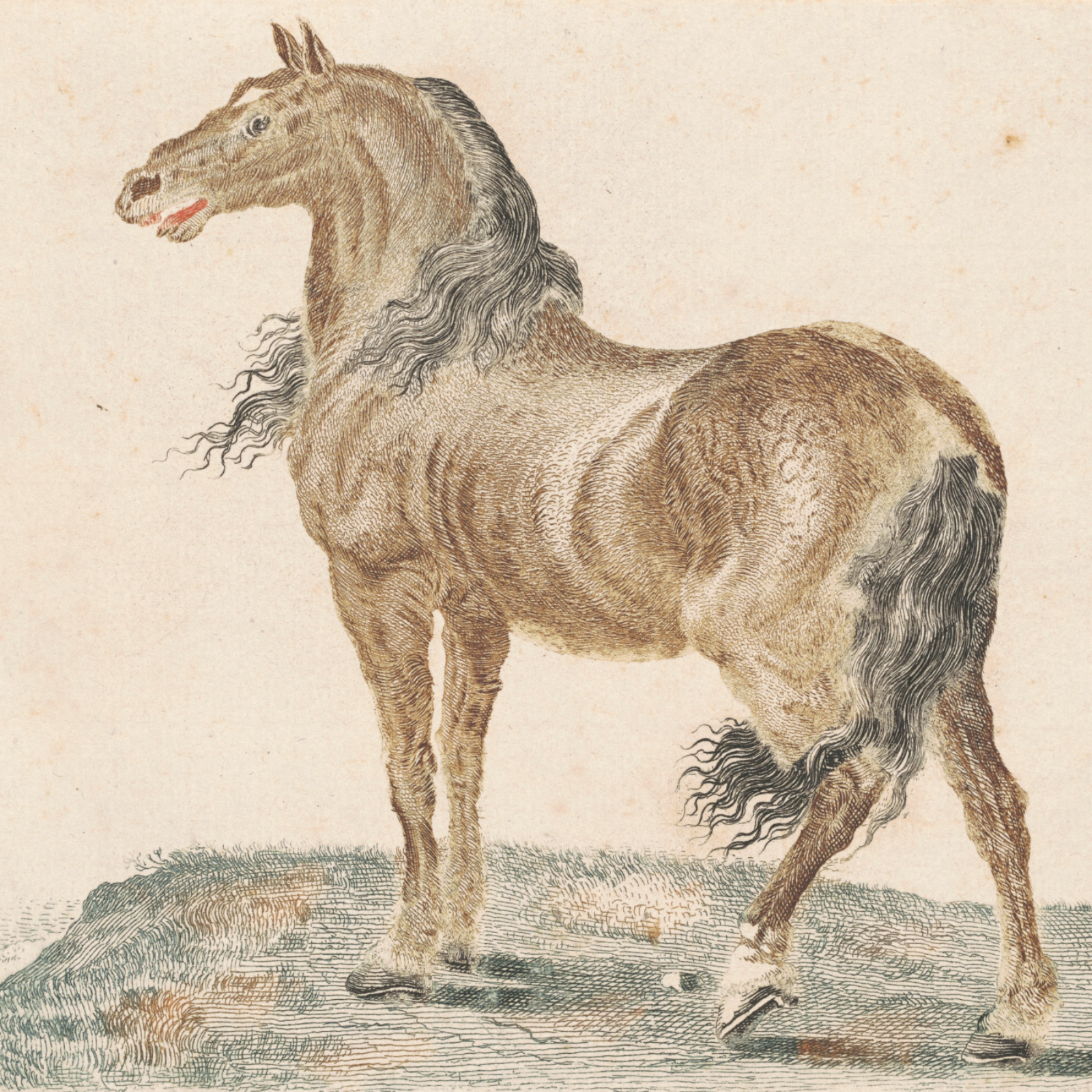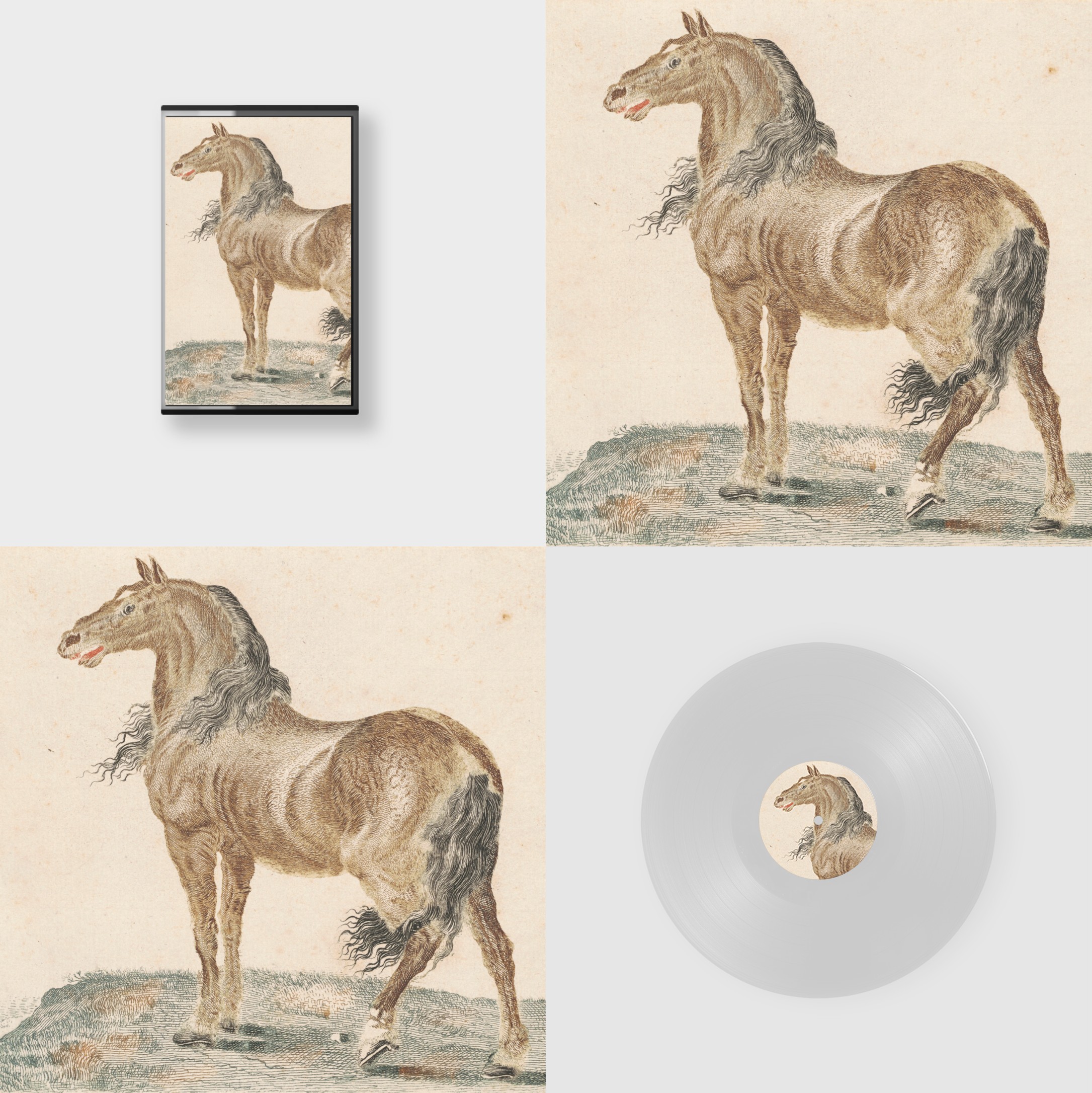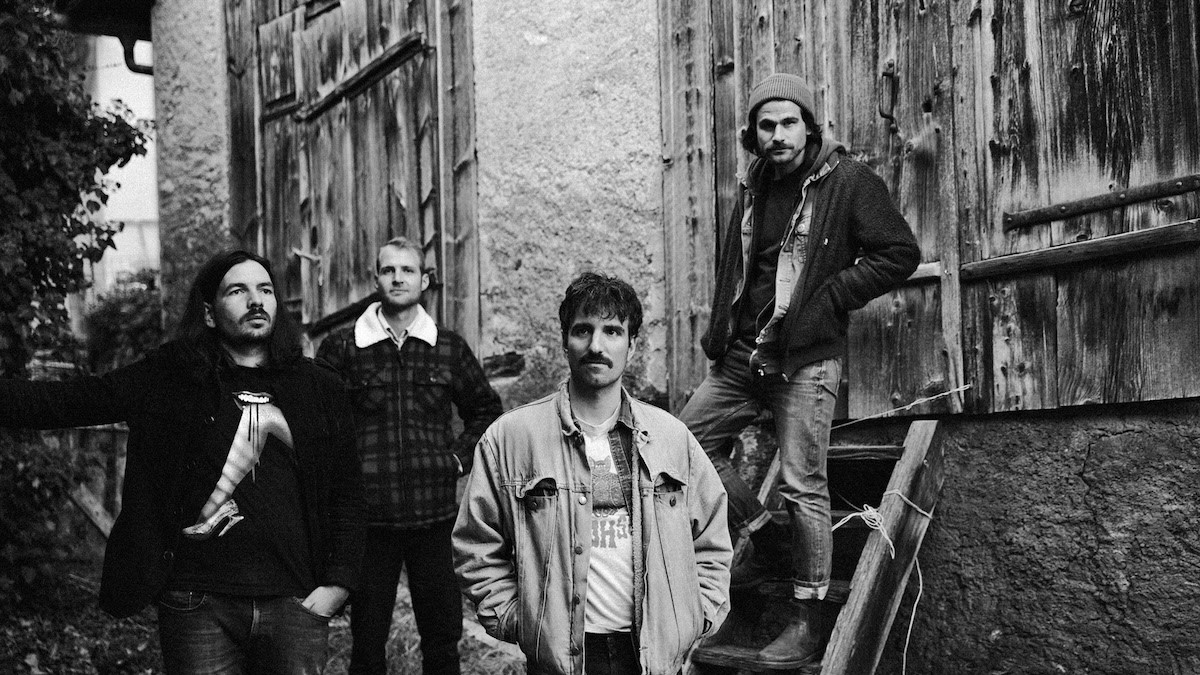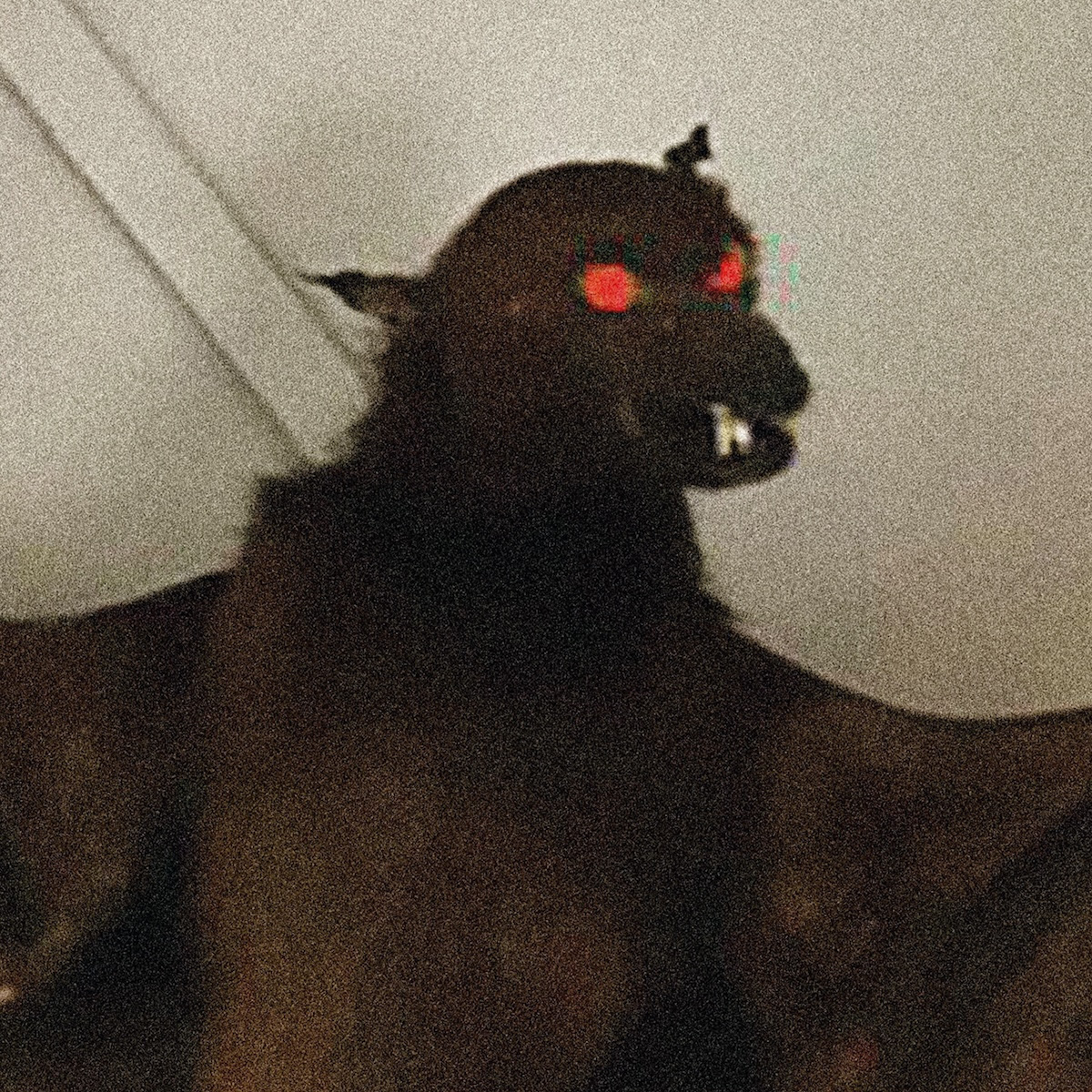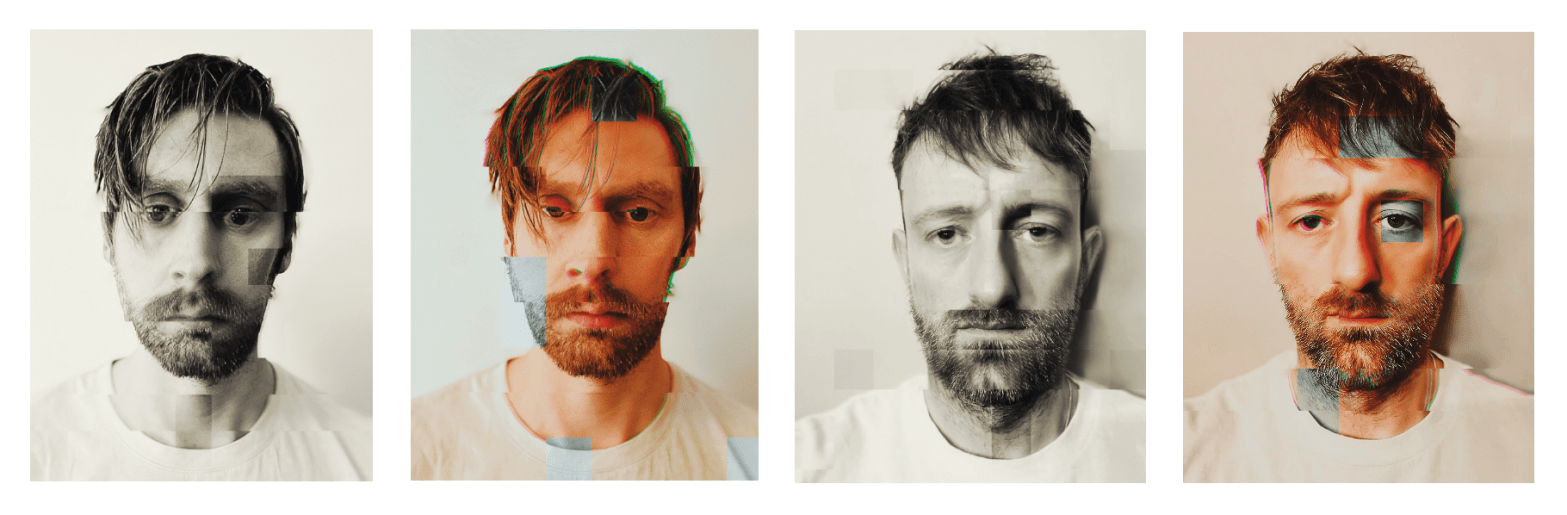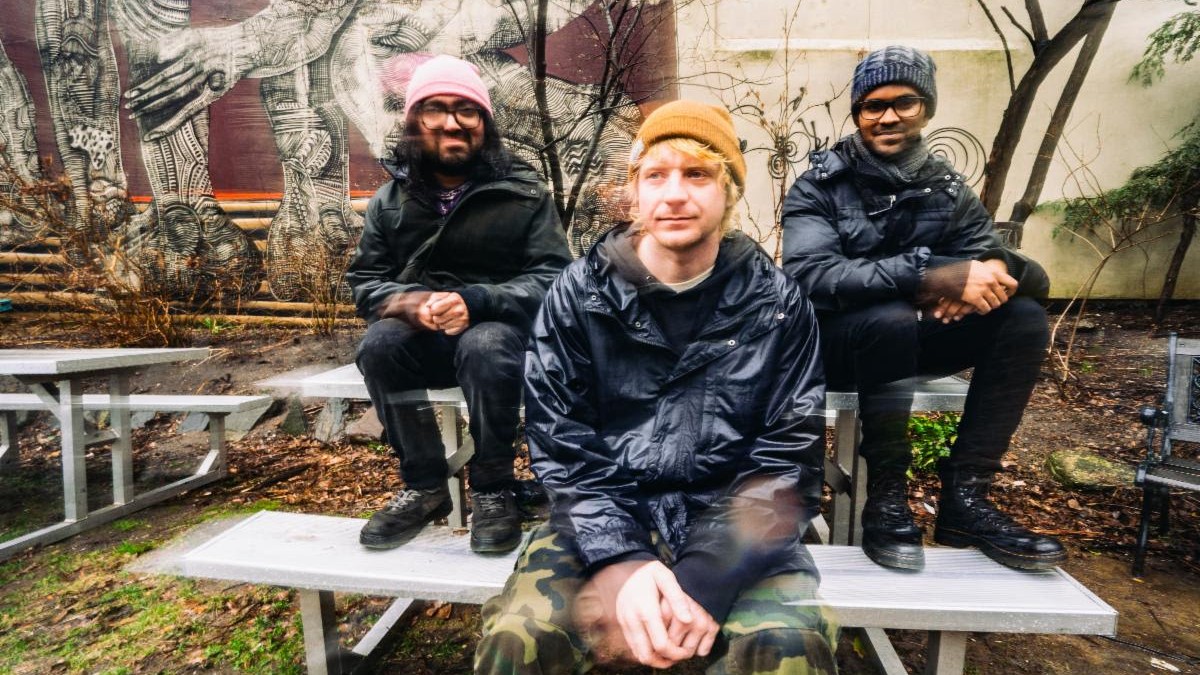
Rosenthal – Luna

Rosenthal came to me through one song. ‘A Dream’ arrived in the Static Sounds Clubhouse with its glowing guitars. I loved it immediately and had to play it on my DKFM Radio Show, and once a song makes its way onto the show, it tends to stay in my head for a while. Hearing the full debut album Luna now feels like being invited to walk further into a place that first caught my attention through one beautifully judged glimpse.

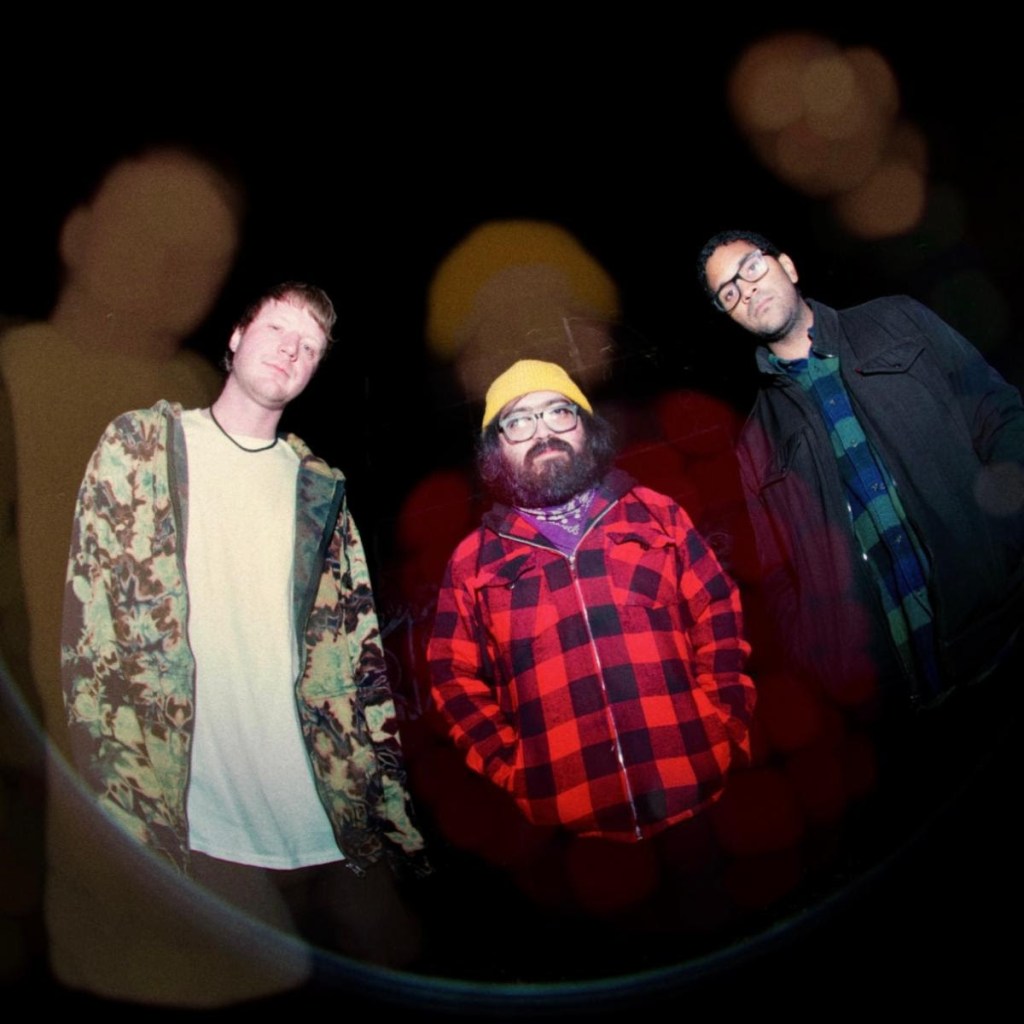
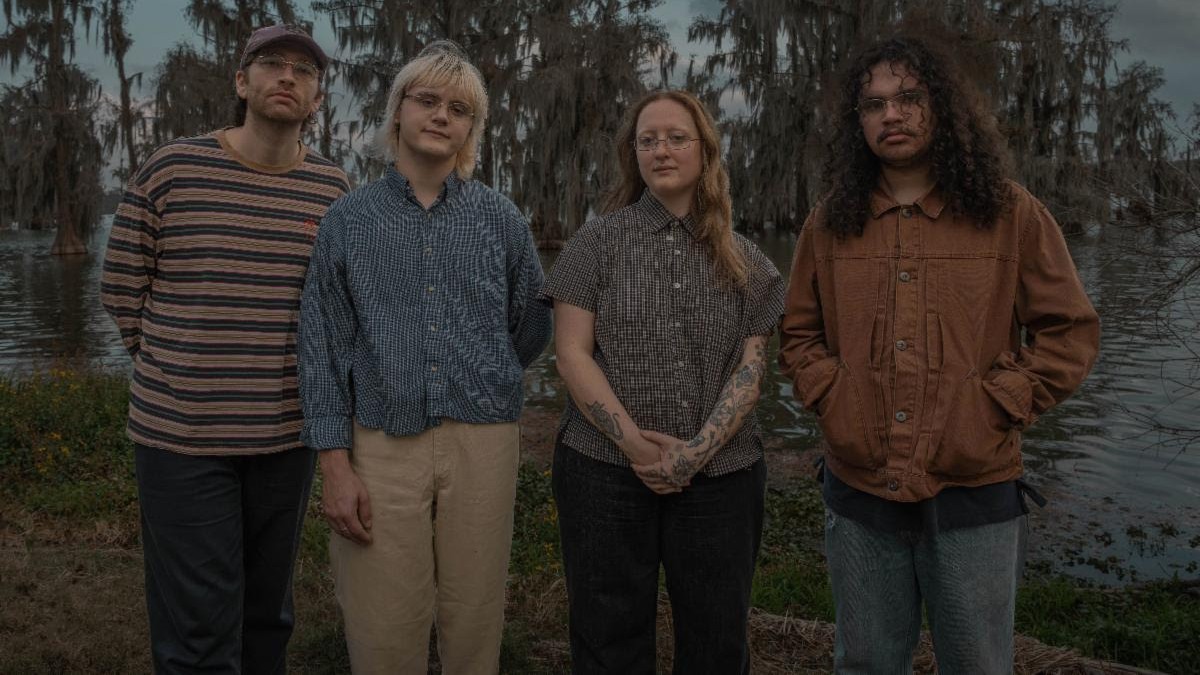
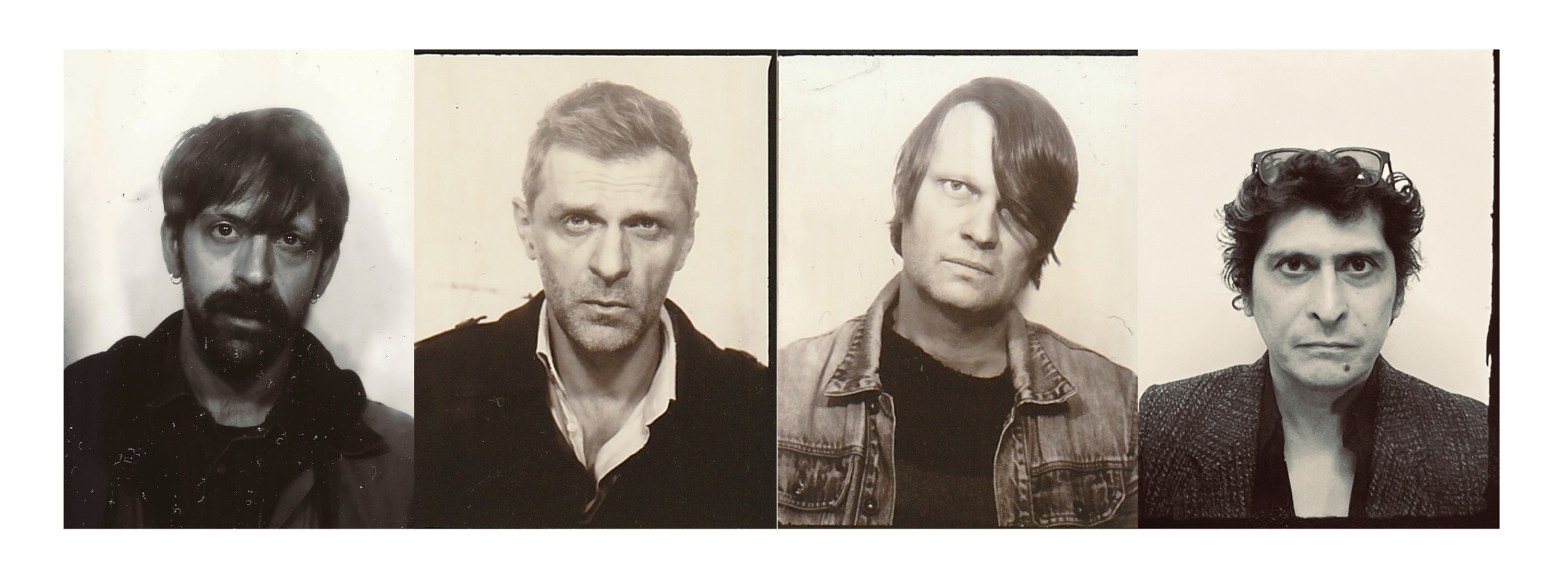
Behind Rosenthal is Danish songwriter and multi-instrumentalist Jeppe Kiel Revsbech, joined here by Ask Kjaergaard on guitar and Asker Bjork on drums. Jeppe’s route to this album reaches back through a childhood surrounded by hymns, a teenage fascination with the melancholier side of pop music and years spent playing drums in bands before stepping forward with songs of his own. Those threads sit close to the surface of Luna. The name Rosenthal translates as rose valley, and it suits music that holds beauty and hurt so closely together. Luna moves through dream pop, electronic rhythm, shoegaze guitar colour and the kind of yearning pop language that links Jeppe back to discovering The Cure, Cocteau Twins and New Order late at night through MTV. Yet this album has a personality of its own from the opening seconds. These songs are intimate and generous, built around fear, reassurance, longing, loss and the little flashes of light that help you find your feet again.

Jeppe has spoken about his wish for Rosenthal to reach people, saying,

“I hope people will find it soothing. My father was a minister and when he was preaching in church, he was kind of comforting people, trying to bring some uplifting thoughts about how the word is, and I think that in a way that’s what I’m doing. While it’s not a religious message I’m putting out, hopefully I’m putting across that life is really complex and that’s the same for all people, but there are some things you can cling on to.”

Having already fallen for ‘A Dream’, I came to the full record hoping that feeling would be waiting elsewhere inside it. Let’s see where it takes us.

There is a quiet confidence to the way ‘Heart’ opens the album. The bass picking out the melody reminding me of The Cure or New Order. Then sparkling guitar lines flicker above the beats while the bass keeps everything grounded, allowing Jeppe’s voice to enter with a softness that immediately draws you close. It’s a song reaching towards someone whose thoughts have grown heavy, offering brightness through sound rather than grand gestures. As my first experience of the album proper, it’s the point where I realised the single had led me somewhere worth staying. The warmth I had heard in that first song was already here, right at the entrance to the record.

The support offered in ‘Heart’ becomes more personal on ‘Afraid of Stairs’. Jeppe wrote the song with his nephew in mind, seeing in him some of the sensitivity he recognised from his own childhood. That background gives the track a lovely tenderness, as though its melody has been built to reassure rather than overwhelm. The electronic details and flowing rhythm keep it light on its feet, while its emotional purpose gives it depth. For a song dealing with fear, it has a striking gentleness about it. Rosenthal understands that courage can begin with someone beside you saying that the next step is possible.

The title track, ‘Luna’, opens another aspect of the record. The arrangement feels more delicate here, as the album turns its attention towards renewal and the comfort of looking upwards after a difficult spell. Its organic feel brings you closer to Jeppe’s voice and the feeling behind it. This was the point where Luna began to feel like a complete world rather than a collection built around the song I already knew. Although the arrangement is sparse the melody is full of hope and belonging.

Then comes ‘A Dream’, the song that brought me here in the first place. Hearing it inside the album gives me a new appreciation for it. On the show it worked instantly, a song with enough melodic lift to catch your ear with that pulsing dream pop opening. Within Luna, it arrives after the gentle reassurance of the opening tracks and feels like an emotional release. The guitars open out; the bass gives the song a lovely weight and Jeppe’s vocal carries the feeling of finding shelter with another person while the weather closes in outside. Playing this on DKFM felt like sharing a song I had just found and already trusted. Hearing it now among the rest of the album confirms why it made such an impression in the first place.

‘Intermezzo’ gives the record a short clearing after that high point. It serves as a small change of pace, a space where the first half of the album can settle before Rosenthal moves into heavier feeling. There is a real understanding of album sequencing here. A song such as ‘A Dream’ has a glow that needs a little room around it, and this brief piece provides exactly that. It also marks the point where my own relationship with the record changes. The song that introduced me to Rosenthal has passed, and the second half now has to carry me somewhere new.

It does so immediately with ‘Lashes’. The synths turn colder, the bass becomes more pronounced and the mood closes around a song shaped by unreturned desire. Here you hear more of the darker pop inheritance that sits within Rosenthal’s music, with echoes of the bands Jeppe encountered during those late-night music television discoveries of his youth. The voice remains close and human throughout, which stops the song becoming distant or decorative. ‘Lashes’ is written from the part of longing that refuses to disappear simply because you know it will remain unanswered.

Up next ‘Void’ is given room to sit with loss and the questions that follow it. The album seems to widen around this song, with the instrumentation creating distance and wonder while Jeppe’s singing keeps the feeling personal. Coming to Rosenthal as a new listener, I found this one particularly revealing. ‘A Dream’ had introduced a songwriter capable of beauty and melodic warmth, while ‘Void’ shows his willingness to leave difficult emotions open and unsettled. It is a patient piece of writing, allowing its sense of absence to fill the space at its own pace.

Reversed synth pads lead us into ‘The Home Stretch’, and their unsteady arrival feels like a welcome opening in the air after the searching weight of the previous track. The final song turns towards release and freedom, gathering the record’s concerns without forcing them into a tidy answer. That feels right for an album concerned with the complexities Jeppe has spoken about throughout his writing. You do not finish Luna feeling that every fear has disappeared or every loss has found an explanation. You finish with the sense of having moved through them alongside someone who understands the value of a hopeful melody.

My route into Rosenthal began with a track that caught my ear strongly enough to earn its place on the DKFM show. That alone would have been a lovely discovery. Luna makes it feel like the beginning of a much more rewarding connection. Jeppe Kiel Revsbech has made a debut album that knows how to be accessible while carrying questions about fragility, affection, loneliness and the ways we steady one another. First impressions can lead you to some wonderful places. ‘A Dream’ opened the door for me, while Luna gave me every reason to remain inside Rosenthal’s music. This is an album I can imagine returning to on quiet evenings, on radio playlists and in those moments when a song offering comfort feels especially welcome. Jeppe set out to make music people could connect with. From my first play of ‘A Dream’ to the closing notes of this debut album, Rosenthal has made that connection feel entirely natural. Luna shines most brightly when you allow its songs to keep you company after dark.

Luna is out now via AfterImages. You can check it out on all your usual streaming services.

You can follow Rosenthal on social media here…

Carla J Easton – I Think That I Might Love You

It’s been a wee while since I wrote about the music of Carla J Easton. Happy to put that right as she’s back with her new album, I Think That I Might Love You. I think the last time I touched base with her music was way back on her Weirdo album

Which made synth pop feel huge, generous and full of personality. That album felt like a vivid statement of self from a Glasgow pop writer who had already given us Teen Canteen, Poster Paints and a run of solo songs with hooks for days. Since then, her story has widened again. She has been part of The Vaselines live setup, co-directed and narrated Since Yesterday: The Untold Story of Scotland’s Girl Bands, helped build the Hen Hoose community, and continued to be one of those people who keeps opening doors for women in music and younger artists looking for a way in.

This album began with a flight to Nashville, a cracked heart, a reunion with her soul brother, voice notes, notebooks, borrowed instruments and the kind of friendship that can steady you when life has left you spinning. It also comes after years of Easton standing shoulder to shoulder beside other artists, amplifying other voices and making space for stories that deserve to be heard. The lovely twist here is that the community she has created now seems to pour back into her own music. There’s a list of contributors as long as your arm on this one which is real testament to Easton’s ability to build friendships that last. That in itself is core to what this album is all about. Easton explains.

“We started writing about this idea of the red thread, the red string of fate. It’s the idea that you have more than one soulmate, platonic as well as romantic. You’re usually only going to meet people in your postcode, but with billions of people on the planet you’ve probably got soulmates all over the world. So, if you find any kind of thread, that’s something really important and you should pick it up and follow it.”

Let’s pick the thread up and see where it takes us.

From the first few seconds of ‘Oh Yeah’, Easton lets you know this record has arrived with a grin, a guitar and very little patience for hanging about. It comes flying out in under two minutes, which is exactly the right amount of time for a pop song that feels this eager to get moving. The guitars have a bright snap to them; the rhythm section keeps everything skipping forward and the vocal sits right in the middle with that unmistakable mix of sweetness and steel. Backing vocals lift the chorus, synths add colour without taking over and the whole thing feels like the first burst of energy you get after deciding you are going to be alright.

‘Red Kites In The Sun’ gives the album its first real chance to look up. The pace eases, the guitars jangle with that unmistakable Scottish pop glow, and the melody opens with the kind of directness Easton has always done so well. When she reaches the album title in the chorus, it feels like a small confession said out loud before you have time to overthink it. The strings bring romance into the room, while the harmonica adds a lovely human ache around the edges. This album is only two songs in and I think that I might love it!

Up next, ‘Never Really Wanted To Stay’ moves with sharper elbows. It has that classic indie pop trick of sounding breezy while the lyric does something more bruised underneath. The chorus opens out in a way that makes the song feel heartfelt. I love how confidently it uses space. Nothing feels overstuffed. The guitars chime, the backing vocals step in at the right moments and the whole song keeps that forward motion without losing its emotional focus. Yeah, this is a goodbye song but there’s an acceptance in there too.

The first proper emotional wallop arrives with ‘Pillars Crash Down’, it brings together the record’s bright pop heart and its cracked open sadness. Easton sings with real force here, and the arrangement seems to rise around her with every line. The organ gives the song a warm old soul, the guitars push the chorus up and the backing vocals make the whole thing feel communal rather than solitary. That feels important for a breakup song. Pain shared in a room sounds different from pain sung alone into the dark. Easton has always known how to place heavy feelings inside songs that still sparkle, and here she makes regret feel enormous without letting it flatten the tune. It is one of the album’s great big heart moments.

Then comes ‘Let’s Make Plans For The Weekend’, and my goodness, what a pop song. I know there are a lot of guitar driven moments on this album, but this one is pure pop. Taylor Swift could spend a very serious writing retreat trying to write a chorus this tasty. The bass has a strut, the guitars flick at the rhythm, and those little synth details flash through the mix like lights from an arcade machine. Easton’s vocal is bright, playful and completely in control. The chorus snaps into place so quickly that you almost feel daft for smiling, then you play it again and realise resistance is a waste of good energy.

‘You Might Be The Sun’ brings the temperature down but lets the heartbreak glow. Easton’s vocal sits closer to the front here, and you can hear that glow in the way she shapes the lines around the melody. The imagery has a tender quality, and the arrangement is warm. Acoustic guitars shimmer around the edges, the band against those backing vocals add depth, and by the time the plain ache of “I really miss you” appears, the song just rips its heart off its sleeve and hands it directly to you. Easton can do clever, witty, bright and playful with ease, but she is just as strong when she lets a simple sentence carry the whole weight of the song.

A title with four Really’s deserves commitment, and ‘Really, Really, Really, Really Sad’ absolutely commits. It brings a different flavour to the album, leaning into a 60s girl group pop shape with little melodic turns that feel both theatrical and tender. The arrangement has a lovely swing to it. You get those sweet backing vocals, bright sci-fi keyboard touches and a rhythm that keeps the song moving with a tiny grin at the corner of its mouth. Easton’s vocal plays with the title beautifully. She lets the sadness come wrapped in charm. We all know that mood where you are half laughing at yourself and half staring out the window wondering how you got there.

‘Lift Your Head Up Kid’ feels like a hand on the shoulder. The title alone carries extra weight when you think about how much Easton has done to support younger artists and help women in music find confidence, community and space. The percussion has a clacking, toy box charm, the organ adds warmth and the vocal lands with the kindness of someone who has had to give herself the same advice before passing it on. It would have been easy to make this kind of song syrupy. Easton keeps it bright and grounded. The melody has lift, the backing vocals feel like friends gathering around, and the whole track becomes a small act of encouragement. It fits the record’s wider story beautifully. These are songs about friendship, love and loss, but also about the people who help you stand upright again.

‘Start It Again’ arrives with a big open heart. There is a 90s pop brightness in the rhythm, with acoustic guitar flashes, rattling percussion and brass-coloured details. Easton layers her voice into a stack of hooks, and the advice in the lyric feels generous rather than preachy. I keep thinking about how well she understands dynamics on this record. Some songs rush forward, some sway, some glow from the inside, and this one moves like somebody deciding to rejoin society after a difficult spell. It has one of those choruses that sneaks up on you. The first time, you enjoy it. The second time, you get it.

Theres a lovely folk pop tint to ‘Moth To A Flame’. The strings have a rawer edge here, which suits a song that seems to know how attraction and pain can sit dangerously close together. When Easton sings the idea of moths seeking out pain, it feels like one of those lines that arrives with a nod of recognition. The acoustic guitar gives the song its shape, the bass keeps it steady, and the accordion steps forward with a characterful little turn that gives the track a different colour from anything else on the album. I like when Easton lets a song lean into odd details like that.

The closing track, ‘If You Found A Thread’, brings the album back to the image that started it all. The red thread, the red string of fate, the idea that the people meant for you may be scattered far beyond your postcode. It sways with acoustic guitar, bass and voices that feel gathered together rather than arranged in neat rows. When the lyric reaches for loyalty, connection and finding each other in this lifetime, it gives the album a closing embrace that feels earned. After all the breakups, repairs, plans, memories and open-hearted pop rushes, Easton leaves you with friendship as the thing that carries everyone home.

The loveliest thing about I Think That I Might Love You is how certain it feels. Easton has kept the colour, humour, synth glow and chorus instinct that have always made her songs so easy to love, then run a guitar cable straight through the middle of it all. The album has the communal joy of people playing together in a room, the ache of friendships changing shape, and the confidence of an artist who knows exactly what she brings to a song. It’s guitar driven pop with a massive heart, and it has one pure pop firework in ‘Let’s Make Plans For The Weekend’ that deserves to be bothering radios everywhere. For me, this feels like Easton’s strongest solo record so far, and it also feels like a reward for all the care she has poured into other people’s stories. By the time it ends, the album title has changed from a thought into an answer: I think I love this album.

I Think That I Might Love You is out now via Ernest Jenning Record Co. and Fika Recordings. You can check it out over on the Carla J Easton Bandcamp page.

You can follow Carla J Easton on social media here…

Cult Of Dom Keller – Unholy Drum

I’m lucky enough to have some very good pals over at Fuzz Club, purveyors of the finest psychedelic fuzzy bliss going. A parcel from them landing on the doorstep is always cause for celebration in the Static Sounds Clubhouse. That is exactly how Unholy Drum, the new album from Cult Of Dom Keller, arrived for me. A band that are brand new to these ears but certainly not a new band by a long chalk. I couldn’t wait to get it on the turntable and by the end of that first play, I was fully in.

The Nottingham trio of Neil Marsden, Ryan DelGaudio and Alistair Burns make music that creeps, grinds and mutates. This sixth album may come with a long history behind it, but for me it felt like discovering a hidden level in a game I thought I knew. Unholy Drum arrives after five years away from making records, and you can hear that time inside the record’s bones.

The key figure in this re-emergence is Angus Andrew of LIARS, who joins the band on production duties. His presence feels significant from the first listen, because Unholy Drum takes the Cult Of Dom Keller sound and bends it toward something more fractured, more art damaged and more willing to let odd shapes sit at the centre of the music. The band describe the process with him like this:

“Working with Angus brought a different angle of experimentation to the way we worked. Together, everything was dismantled and pushed further into the dark. Sound was dissected until it sprouted limbs. We went so deep inside the tracks that eventually it felt like the songs were waiting for us to catch up”

“… And yet, there was liberation. A freedom in abandoning defined roles. In serving the song rather than the structure. In hearing an idea suddenly explode into life through, say, the force of a full orchestra. It felt like any sound in our heads was now possible, and we continued to craft and shape the songs.”

That tells you plenty about the album before a note has even played. This is an epic listen. Let’s drop the needle and dive in.

‘Live Without Life’ opens the record with a title that already sounds half cursed. The track does a smart job of easing you back into the Cult without giving everything away too quickly. The opening bars sound like Dracula playing his organ but then the pulse begins and the song just stops. Then. It just opens up and soars. There’s a real Beta Band vibe to this one which I love. The chorus though, just wow! This is how you open an album folks.

‘Let Me Go, Satan’ brings the ritual element closer to the surface. The title has a lovely sense of melodrama, but the song itself feels grimy and physical rather than theatrical. The guitars move with a scorched thickness, the synths bleed into the gaps and the vocal delivery feels caught somewhere between confession and command. There is a real bodily weight to the track. You can feel the bass in your chest just dragging the whole thing forward, while the surrounding noise keeps folding in on itself. This track has a groove to kill for.

Up next ‘Disappear’ is a dynamic track that comes and goes, but mostly blows your mind. It has it all, psychedelic spaced out sections where the vocals seem like they’re being sung from a black hole. Then you have these eruptions where your speakers scream for mercy. Guitars and bass turning the fuzz up to eleven with an orchestral sweep behind it all. This is powerful stuff.

‘B(o)ing’ is such a strange song title, and thankfully the music lives up to that other worldliness. My immediate thought on hearing this was, this would make a killer Bond theme. It’s bold, and brash when it needs to be but has that cinematic flair at the same time. The orchestral flourishes on this one only add to that widescreen sound.

‘Leaders With Hooves’ turns the album’s political sickness into something blunt and physical. The band describe it as being about “the confession of the cruelty woven into power itself,” and that idea drives straight through the track. The drums feel like a march across broken ground, the guitars detonate and grind with a thick low menace and the vocals sound buried inside the machinery of authority. There is a crushing inevitability to the way the song moves. It does not need to explain its target at length, because the sound already tells you what kind of power is being examined. The hooves are right there in the rhythm. They hit hard, they keep coming, and they leave very little standing behind them.

An oddly pitched vocal is our entry point to ‘Void Horizon’ next. It soon opens into stoned wobble that Beck would kill for. It’s the drums that really grab my attention here in this opening stretch. Pounding when required and sitting out to add impact. There’s an almost Beach Boys like harmony sting in the middle that then leads us n to the second half. A choral backdrop now in place the song really fills out. Glitchy, jittery synth wails joining the fray. This is my kinda jam.

After that dynamic wobblefest, ‘Shoot My Mind’ feels sharper and more agitated. The track moves with nervous energy, and the guitars have a bite that suits the title. The band sound tightly wound, as though every part of the song is being held in place by the sheer force of their combined anxiety. The vocals cut through with a fevered quality, while the synths add heat behind the guitars. I like how lean it feels. It gives the album a needed jolt at this point, pulling you out of the spacious shadow of ‘Void Horizon’ and placing you back inside something immediate, wired and restless.

‘They Cut The Heart From Out Of The Sky’ might be the finest title on the record, and the song carries that sense of damaged grandeur beautifully. It has a bruised, weight, with the band leaning into that filmic scale while keeping the texture rough and human. The guitars feel scraped and weathered, the drums hold the song with a slow force, and the vocals bring a strange sadness to the middle of it all. You can feel the album’s apocalyptic streak here. It sounds like aftermath. It sounds like people standing under a blackened sky, trying to work out what has been taken from them. The band give us enough context to fill out that image to feel huge, yet they keep it grounded in sound. No mean feat.

‘Galaxies SOS’ closes the album with the feeling of a final message being sent through damaged equipment. It gives the record a fitting exit point, with guitars, synths and vocals all pushing toward the edge of the signal. It feels cosmic in the grubbiest possible way. No clean stars, no shining escape route, just a battered transmission trying to make it across the distance. As a final track, it works because it gathers the album’s main instincts into one last intergalactic flare of sound. It leaves you with ringing ears and a sense that you’re probably going to need to repair your speakers.

By the time the last battered signal of ‘Galaxies SOS’ fades, my first meeting with Cult Of Dom Keller has turned into a proper obsession. Unholy Drum is exactly the kind of record that rewards being heard on vinyl, with the needle tracing every warped synth turn, every scorched guitar line, every bass thud that makes the room feel smaller and stranger. For a band arriving fresh to my ears, this was one hell of an introduction. It has the weight of a group with a long past behind them, yet it also has the thrill of a band willing to pull their own sound into odd new shapes just to see what crawls out. From the organ lit weirdness of ‘Live Without Life’ to the speaker wrecking final stretch of ‘Galaxies SOS’, this album feels restless, fevered, weird in all the right crooked places, and packed with moments that make you stop what you are doing and stare at the turntable. Fuzz Club knew exactly what they were doing sending this one to the Static Sounds Clubhouse. One spin was enough to get me hooked, and now I can hear that Unholy Drum beating away long after the record has stopped.

Unholy Drum is out now via Fuzz Club. You can check it out over on the Cult Of Dom Keller Bandcamp page.

You can follow Cult Of Dom Keller on social media here…

Fir Cone Children vs The Real World

I have started to measure the start of spring proper by the release of a new Fir Cone Children album. That sounds faintly weird until you think about how long Alexander Donat has been working on this project and letting us hear his daughters growing up in real time. I was chatting to Alex the other day about this and I think I first came to this Berlin based rush of dream pop, punk, fuzz and family life through Fog Surrounds Us and first reviewed Waterslide at 7am, then found myself premiering ‘Soaking In’ at a time when Static Sounds Club itself was still finding new ways to connect with artists I loved. Since then, Fir Cone Children has become an annual appointment for me.

Thinking back over the last few albums, The Urge To Overtake Time showed the first deeper shadows of growing up, Jig of Glee threw open the attic office, toy elections, Christmas trees and bedroom rock bands, and last year’s Gearshifting moved the family story into a place where memory, pride and change began to press on every hook. So, when a new Fir Cone Children album arrives, I clear space for it. I listen with a big daft grin and a slightly braced heart. This one needed both.

vs The Real World is the twelfth album from Donat under the Fir Cone Children name and it feels like a record standing at the front door with its shoes on, ready for whatever comes next. The girls are older now. That simple fact changes everything. It creates this new awareness that childhood has a calendar of its own. One daughter is moving into adolescence, school pressure, phone pressure and the sharp edge of wanting space. The other still builds her own systems of play with that fearless spark only children seem to have. Donat has always written with the ears of a father and the heart of a fan. That hasn’t changed. Here’s what he has to say about this new chapter.

After puberty arrived on the previous album, gradually bringing with it a certain seriousness, I felt the urge to give adult life a kick in the pants and place a greater focus on speed and punk rock in the FCC songs. So, at least musically, a dose of my own protest is mixed into this new phase of life.

The feelings and themes of my daughters that shape the album are sometimes quite contrasting: the childlike, playful, and genuinely innocent nature of my younger daughter versus the ongoing separation process of my teenage daughter, including the search for her own identity. These days, more and more, I wonder how my sound will change, and how my own identity formation will progress.

Sounds like we’re in for an exciting listen let’s hit play and see what the Donat girls have been up to this year.

‘St. Vincent’ opens the album with one of the most moving turns in the whole Fir Cone Children story. Laila Liisu, who has inspired so many of these songs, steps into the song herself. Her first rock show becomes more than a night out with her dad. It becomes first contact with a bigger self. Musically, it has that Fir Cone Children energy, guitars bright and breathless, drums pushing everything along. However, the sweetness comes from the shared smile inside the song. A father and daughter are looking at the same stage, and for a few minutes the whole room seems to belong to them.

‘Madhu’ brings us back to a weekly ritual for Team Donat. A trip to an Indian restaurant. A Saturday night drive. A Skoda. A receipt. Then the Fir Cone Children spell takes over and suddenly we have salad bowls, party hats, colanders, funnels, rubber snakes and the Indian takeout team in full flight. This is the younger of the two girls turn in the spotlight and the song explains how a private joke can become a family tradition. The pace feels quick on its feet, all grin and elbows, with the rhythm carrying the pair through the shortcut and into the warm exchange at the restaurant counter. “Here’s candy for you and for your sister” is such a tiny detail and such a lovely one. You can feel the kindness in the melody.

‘Enhype!’ is all movement, screen light and self-belief. Laila enters the world of K pop dance and finds confidence through repetition, copying and rehearsing. The song has a sugar rush feel, with phrases snapping into place and the vocal delivery leaning into the joy of performance. Donat has always been good at writing songs about children discovering parts of themselves, and here the discovery feels physical. The punk rock energy is turned up to eleven, as are the bpm. Guitars and bass thrash as the drums race along. Man, just listening to this has me out of breath.

Halloween arrives with ‘Vampire Queen’, and the mood changes in a way that sneaks up on you. Mari has the teeth, the makeup and the courage. She is going out as the vampire queen. Around that fun sits the ache of an older sister starting to step away from the rituals they used to share. Laila visits a friend instead, then returns feeling she probably would have enjoyed going out with her sister, but says nothing. That is the kind of detail that parents notice in silence. The song has a playful bite, chugging along in the opening section before soaring ahead in the chorus section. Honestly that’s a stadium sized singalong waiting to happen.

‘Skurugata’ sits in the track list like a doorway into a different piece of family geography. The title of this short tone poem points towards a Swedish nature reserve but the sounds are grungy and dark.

Then comes ‘Severe Weather Warning’, one of the album’s big emotional pivots. School years are slipping away, storm clouds gather, the sky hangs low, and the gap between the sisters is slowly widening. There is a lovely and painful split inside the song. One daughter senses the adult flame coming closer, while the younger sister can still run around in the rain and simply be soaked, laughing and free. The arrangement feels heavier in spirit, with an almost Japanese sound to the arrangement. Guitars sound like an orchestral string section in places and Donat is at his most reflective lyrically. “Everything is constantly happening at once” really captures that teenage overwhelm.

‘The Mind (Level 12)’ might be one of the clearest pictures of love on the album. The card game itself depends on shared timing, trust and an almost invisible rhythm between players. Donat and Mari reaching the final level becomes a perfect Fir Cone Children subject, because the achievement sits in the connection between father and daughter rather than the score. Again, there’s a equally fun melody driving this one. The repeated line about your mind and my mind has a simplicity that works beautifully. There is no grand statement needed here. You hear a father realising that some bonds speak louder than any words.

‘Cobra Scam’ is classic Fir Cone Children comedy with a little life lesson folded inside the packet. Every parent knows this moment. The toy, the advert, the shiny picture, the hope then the crushing reality.  Mari is excited at the prospect of a deadly Indian cobra toy glued to a magazine. The advertising does its work. Her imagination supplies the rest. When the bag opens and the cobra it’s an absolute dud. I laughed out loud at “It looks like poo”, partly because it is very funny and partly because I know exactly what it’s like. The pulsing bass on this one has post punk energy and is the guiding star for the track.

‘Hang In There (My Moon)’ is the one that really got me. Laila is changing, pulling away, feeling the heat of peer judgement, finding ordinary family presence suddenly embarrassing. Donat writes from the parent’s side of that moment and keeps the feeling tender, even when it hurts. “If I’m okay with this behaviour, why does it hurt?” is such an honest line, and any parent who has watched a child need distance will empathise. The music is so intricate and that chorus, is exquisite. It has a melody Beck would kill for. Lyrically the choice of the phrase “My moon” is perfect. A moon moves through phases. A moon disappears and returns. A moon belongs to the sky and still changes the tide at home. This song knows that loving a teenager means standing close enough to be found and far enough to let them fly free.

Next up, Laila wants WhatsApp and Snapchat because new school, new mates and new self all come with new rules. ‘Time To Ask’ brings the negotiation years to the album. The music has the quick breath of someone presenting a case they have rehearsed in their head. “What can I do to be part of this century?” becomes the teenage treaty proposal. For Laila, connection now lives partly inside apps, group chats and phone permissions. This is a really dynamic track with the external dialogue fast and frantic and the internal monologue slow and thoughtful. I’ve been challenged to guess the song she had to learn on her ukulele. This one had me stumped but I think I made out Für Elise. Hope I’m right.

‘Beating The Real World’ gives the album its title and lets it’s Mari in the spotlight as she creates a whole new operation. A cardboard ATM sits in the living room with real money. There’s a mail order business in the bedroom making wondrous things. Golden forks, rugs, books, vinyl records and same day delivery. The joy here comes from how complete her invented system feels. Children do this better than anyone. They look at adult life, copy the parts they like, improve the parts they find boring, then add their own spin for good measure. The song has that giddy Fir Cone Children abandon, the kind that makes life feel larger than it is. You can hear Donat’s relief that this kind of play still exists in the house. Against all the pressure of growing up, Mari builds a better economy out of cardboard, objects and belief. Wonderous things indeed.

‘Forever’ closes the album with grief spoken plainly to a mostly acoustic backing. Mari writes a letter to her late Uncle, and Donat directly translates it without dressing it up. That lone choice gives this song such power. “I know you’ll never read this, but still, I want to write this letter” is devastating because children just speak what their hearts feel. I wasn’t emotionally ready for this song first time around and it had me in bits. After an album full of costumes, dances, games, phones and cardboard cash machines, ending here feels like another milestone, a hard one. The real world enters the room in its hardest form, and a child answers with a beautifully written, heartfelt letter. I had to sit with that for a minute.

By the time vs The Real World ends, you feel the full weight of what Donat has been building across all these Fir Cone Children records. This project began as a way to honour the bright rush of childhood, and it has grown into a family archive with amps, fuzz pedals, jokes, pets, holidays, school gates, tears and pride pressed into every corner. This new album has plenty of speed and sparkle, with punk edges cutting through the shoegaze haze and indie pop warmth keeping the melodies bouncing along. The deeper feeling comes from the knowledge that time is moving through the house. Laila is stepping towards a wider life. Mari still builds whole systems from cardboard and nerve. Donat stands in the middle, listening, loving, learning, and turning the whole thing into songs that make you want to phone your kids, hug your parents, or sit quietly with a memory you had packed away. The real world wins plenty of battles, but Fir Cone Children have made an album that kicks its ass.

vs The Real World is out now via Blackjack Illuminist Records. You can check it out over on the Blackjack Illuminist Bandcamp page.

You can follow Fir Cone Children on social media here…

White Flowers – Dreams For Somebody Else

White Flowers have been an obsession of mine for some time now. It started with that ‘Night Drive’ single that I hunted for all over the internet. When I last wrote about the Preston duo back in 2021, it was for their Within a Dream EP, a four-song collection that placed Katie Drew and Joey Cobb somewhere between post punk shadow, dream pop glow and shoegaze haze. Even then, their sound felt highly defined. In 2022 I got to see them live for the first time as they supported Just Mustard in a tiny basement in Glasgow. Their set was so powerful it was hard to believe there was only two people on stage.

Five years on, they return with a new album. Dreams For Somebody Else feels like White Flowers expanding on that intimate sound they honed back then while keeping the lights down low. Cobb and Drew have been working together since they were 17, gathering small ideas, fragments and recordings over time, then returning to them when life has changed enough to hear them properly. Their debut album Day By Day arrived in 2021 during that strange suspended pandemic period, and the years since have taken them through exhaustion, touring, questions about why they were doing any of it, and then the strange encouragement of being asked to support Beach House. Now they return with Al Doyle of LCD Soundsystem helping shape the record, which feels fitting for an album that looks toward dance music while keeping one foot in dream pop melancholy.

The album also carries a clear literary thread through it, with Annie Ernaux’s The Years sitting close to the heart of how White Flowers think about memory, identity and time. Ernaux’s book pieces a life together through fragments, images, sensations and cultural markers, creating the feeling of someone watching their own existence from a slight distance. Cobb says.

“The album has that same feeling of disassociating from your own life, because you’re just blending into everyone else. There’s a sadness there, because it’s as if you’re looking back on things that happened to you, and they feel like they don’t belong to you anymore.”

‘Spinning’ opens the album with that exact sensation. Synth notes glimmer at the front, small points of light against a wider wash, before guitar and bass begin to thicken the shape of the song. Drew’s vocal sits close to the surface, calm but marked by sadness, and the music keeps turning beneath her. It sets up the album’s central mood straight away. This is something new for sure but unmistakably White Flowers.

‘Heaven’ steps forward with a warmer glow. Things open up, and there is a softness to Drew’s voice that makes the song feel intimate. It has brightness in it that immediately shifts the mood. White Flowers have always understood how to place beauty inside a slightly haunted frame, and you can hear that here. The synths shimmer, the vocal remains gentle, and the song gives the album its first clear glimpse of hope without sanding away the ache underneath.

By the time ‘Backseat’ arrives, the record turns its gaze toward isolation in a more direct way. The opening line “I’m always watching from the back seat” says so much with very little. The albums’ theme of disassociation given a new light. The track moves with a sense of contained pressure. Whilst the motorik rhythm suggests travel, the vocal keeps returning to the same emotional seat, watching life through glass. I really like how the song avoids over explaining the feeling. It lets the image do the work, and that makes it hit harder.

‘Tear’ brings a more fragile pull to the record. Coming after the social distance of ‘Backseat’, it feels like the private moment after you get home and replay every small look, every word, every silence. The arrangement feels like it is built around the idea of something slowly giving way. The voice sits inside the synths and guitars rather than above them, which suits the album’s recurring sense of identity becoming blurred by memory. The drums feel like they’re built for the dance floor and as the song goes on the bass does too. The juxtaposition of the fragile lyric and vocal against that neon-soaked rhythm section is quite stark and packs a real punch.

After the night club we retreat with the acoustic warmth of ‘Lamp’ is one of those shorter pieces that can say plenty because it keeps its frame tight. The title gives you the image straight away, a small source of light in a dark room, and the song seems to understand that kind of scale. It doesn’t need to stretch out to make its point. It works as a little pool of illumination on the album, intimate but lonely. Cobb and Drew have a good instinct for sequencing, and ‘Lamp’ gives you a moment to breathe before the album moves into one of its largest emotional spaces.

That space arrives with ‘Heart Breaks’, which feels like a centrepiece. It has that pulsing melancholy that the band say you might associate with New Order, where the bassline keeps moving with purpose while the mood sits heavy across the shoulders. I think there’s a bit of Arcade Fire about that pulse. What gets me is the way it can suggest something beautiful, with images of green grass and blue skies, then fold back into loss. The extended ending gives you time to sit with that change. This is without doubt my album standout moment.

‘Visual’ sharpens the album’s anxious edge. The looped structure becomes more intense here, and the repetition starts to feel itchy and less comforting, more like a thought you cannot switch off. White Flowers are very good at using pretty sounds to explore uneasy states, and ‘Visual’ carries that idea right into the nervous system. The synths and percussion move in circles, the vocal seems caught inside the pattern, and the song creates a strange mixture of beauty and alarm. This is one of Drews most dynamic vocal performances and it really suits the song. It’s one of the places where the album’s dance influence feels less like release and more like compulsion.

‘In The Sky’ lifts the record again, though in a way that still feels slightly out of reach. This track feels lighter, more suspended, with the title hinting at distance and escape. White Flowers never make escape sound simple. Their music often reaches upward while the emotional weight remains present below, and that is what gives these songs their character. The use of an acoustic drum kit here also adds a sense of reality which again shows this band playing with juxtaposition to great effect.

The title track, ‘Dreams For Somebody Else’, brings the album’s ideas into focus. The phrase itself is a beauty. It suggests longing, memory, envy, disconnection and tenderness all at once. The synth tones are warm and uplifting, drums cold and almost like that old Casiotone sound. White Flowers turn the title into a feeling of emotional misplacement, where your own past looks familiar and distant at the same time.

‘Thinking Of You’ closes the album with a tender ache. This was the song specifically inspired by an LCD Soundsystem set at Primavera back in 2017, and with Al Doyle involved in the album, there is a lovely circularity to how it all comes together. The track uses layered vocals to create a sense of memory multiplying, as if one voice has become several versions of itself. The question “If I see you again, would you see right through me?” is such a quietly devastating line because it holds recognition and disappearance in the same breath. As a closer, it leaves the album with sadness, but also with hope.

What lingers after Dreams For Somebody Else is the way White Flowers make the repetition in their music reflect their human experience. These loops and phrases feel like memories returning at odd hours, like old diary pages read by older eyes, like a dancefloor moment that becomes meaningful years later because your life finally caught up with it. Cobb and Drew have made a second album that widens their sound without losing the private atmosphere that made them so intriguing in the first place. It has synths that pulse, guitars that glow at the edges, vocals that feel close enough to touch, and songs that understand how strange it is to live inside a changing self. White Flowers have made a record for anyone who has looked back and wondered whose life they were remembering. Maybe some dreams just need a wee bit of time before they find out who they were for.

Dreams For Somebody Else is out now on vinyl and CD via The state51 Conspiracy. You can check it out over on the White Flowers Bandcamp page.

You can follow White Flowers on social media here…

Guest Directors – Before You Get Broken

Having already spent time with Guest Directors on these pages, it feels good to come back to them at a point where the band sound so sure of their own sound. This is a group with deep musical history in their bones. Julie D brings guitar, vocals and piano, Gary Thorstensen brings guitar and vocals, Rian Turner brings drums, percussion and guitar, and Charlie Russo holds down the bass. On paper, those roots reach back through Seattle noise rock, San Diego math groove, indie rock, shoegaze, power pop and 60s folk rock. Before You Get Broken sounds like a band distilling instinct, memory, friendship and a hard-earned taste into songs that know when to shimmer and when to let the amps do the talking.

This is a guitar record with a lot happening in the margins. You hear the lines crossing in the headphones, the bass finding small pockets of movement, the drums keeping the songs alert, and the vocals sitting inside the weather of the music rather than posing in front of it. Just as it should be. Let’s dive in.

‘Meet You on the Land’ opens the record with that lovely sense of jangle being stretched through delay until the edges start to glow. The song has a strange fairytale charge to it, built around the idea of a mermaid refusing the old script and keeping her own sense of self intact. The guitars ring out with a bright, glassy movement, the rhythm section keeps everything moving with a steady pulse, and the vocal sits in that sweet spot where melody and texture become part of the same thing.

‘You Are Never’ brings a sharper body movement into the record. There is a swagger here, a cool sideways step that lets the guitars feel lean and wiry rather than massive. The track has that 90s alternative rock nerve running through it, with a hint of Sonic Youth in the angles. The drums give it lift without crowding the guitars, and the bass moves with real intent underneath. The track trucks along with confidence, and by the time the dual vocals settle into the centre of the mix, you discover this band are way more than the sum of their influences.

We move into post punk territory next with the clipped, direct attack of ‘Now I Know’. The guitars still carry the Guest Directors fingerprint, full of tone and movement, yet the song has a more pointed shape. The rhythm has a tight forward push, and the vocal delivery gives the track a clear emotional spine. It sounds alert, almost suspicious, as if every line is being measured before it leaves the mouth. This song is darker in tone and the band adapt their performances to suit.

‘Just Not Today’ is a more straightforward alt rock number. Guitars lean into those riffs with glee. They rub together, spark up, and then open out into wider shapes without losing the song underneath. Thorstensen’s vocal presence gives the track a different grain, and that shift keeps the album moving with a human sense of variety. The chorus feels built for volume, with enough melody to keep it lodged in your head and enough grit to make it worth turning up.

The band lower the lights next with ‘So Many Somedays’ lowers the lights, giving the album one of its warmest turns. The title alone carries a lot of weight, that familiar pile up of delayed decisions, half made promises, and little hopes waiting for the right moment. The music understands that feeling. The guitars are gentler here, and there’s a harpsichord which adds a softened glow. The vocal performance has a close, reflective quality that pulls you nearer to the speakers. What I like most is the patience. Guest Directors let the bloom, and the slower pace lets you notice how carefully the parts have been placed. There is still texture all around it, yet the centre feels tender and plain spoken. It gives the first half of the album a proper emotional pause.

‘Restore Your Soul’ arrives with a firmer kick. This one has a heavier alt rock shape, with the guitars carrying more muscle and the rhythm section giving the song a grounded push. The vocal has a tired, almost weary quality, which suits a song that feels concerned with pressure, control and the attempt to regain some kind of inner balance. There are small details in the guitar work and percussion that keep it moving, evolving and your head nodding.

The shimmer returns on ‘Blame Pandora’, and it does so with a lovely sense of motion. The drums have a lot of character here, full of careful accents and small rhythmic turns that make the song feel restless in the best way. The guitars slide across the top with a cleaner shine before the track grows more frayed around the middle. The title hints at curiosity, consequence and the mess that follows once certain boxes have been opened. Musically, it has that same feeling, as if the track keeps finding new rooms inside itself.

‘At the Gate’ gives the album another slower, moodier stretch. The song has a patient mid-tempo feel, and the vocal melody moves with an understated clarity that suits the atmosphere around it. I found myself paying close attention to the jazzy guitar work on this one. There is a solo that steps out beautifully, full of tone and feeling without tipping into flash. Whilst they have the background and skill to overplay at any moment, they keep choosing the song instead. A skill a lot of bands would do well to acquire.

‘What Shapes They Take’ closes the record with the band stretching out into a swirl of guitars, rhythm and strange colour. It has the sense of a final statement but it’s not in any way heavy handed. The guitars move in broad circles, at points taking on a sharp, almost psychedelic sitar like tone, while the vocals guide the song through its extended shape. You’re left with a demonstration of the full range of what this band do well, from melody to volume, from texture to momentum. Take a bow!

Before You Get Broken works because Guest Directors sound comfortable with complexity and generous with melody. They carry a lot of history between them, and they use that history as fuel rather than a crutch. You can hear Seattle guitar music in the grain, you can hear shoegaze in the blurred edges, you can hear power pop in the melodic lift, and you can hear folk rock in the way certain songs value feeling over technical display. Most of all, you hear a band that knows itself. These songs have weight, wit, patience and bite, and they ask you to listen closely to the shapes that appear once the noise settles into focus. Before You Get Broken is the sound of Guest Directors bending beautifully without breaking.

Before You Get Broken is out now on vinyl and CD via Topsy Records. You can check it out over on the Guest Directors Bandcamp page.

You can follow Guest Directors on social media here…

Silk – Auralux

Silk ain’t new to you regulars at the Static Sounds Club house. Michael Smyth was already firmly lodged in our brains through his previous project Virgins, a band I have shouted about plenty, and when ‘Faze’ landed as a premiere here it felt bigger than a side project didn’t it? It sounded like a something new altogether. Heavier guitars, vocals pushed down into the glow, fuzz piled high, and that sense of melody sitting under all the noise. Then came ‘but then, yes’, darker and more patient, with AJ Das adding a voice that made the song feel intimate and uneasy. Silk arrived quickly, then began to take root properly.

Those roots have now grown into Auralux, the debut mini album. Smyth remains the sole contributor at the centre of it, writing, performing and recording the music himself, and that gives these songs a very personal charge. The scale is huge, with guitars stacked until they feel almost architectural, yet the human thread running through the record feels close enough to reach out and touch. Mortality, memory, loss, love and time sit inside these songs, and Smyth has spoken about that urge to spend the time he has left making something joyful. Auralux sounds like a musician taking the idea of time seriously and refusing to waste any of it. The three singles from 2025 gave us the first flashes of the project and now these six tracks together feel like the first full statement from an artist who has found the shape of their garden and filled every inch of it with sound. I like the fact this arrives as a mini album too. It feels like a document of this first period, a marker laid down before the next big thing begins to loom on the horizon. Smyth describes it like this.

‘Auralux’ is full of texture from the celestial and euphoric to the dark and dense as it creates a palpable atmosphere for the listener to reveal in.”

The title track opens the album in a wash of shimmering guitars, layered together until the opening seconds feel almost choral. There is beauty in the way the sound gathers, and then the drums arrive with a physical jolt. Fuzz pours across the track in thick slabs, while the vocals sit low in the mix, treated as another source of colour inside the noise. The verse has that call and response feel between voice and guitar, with Smyth singing “keep me out of heaven / it’s just another place” as the guitars answer back in slow flashes. The chorus then grows into something massive, with fuzz piled sky high and bright lead lines pushing through the haze. It has the classic shoegaze trick of sounding euphoric and wounded at the same time, and that makes the title track a strong opening statement.

By the time ‘Clementine’ tears in, the speakers have very little room left to plead for mercy. This was the lead single that showed Silk moving into darker and more abrasive territory, and in the context of the album it feels like the first real sink into the deep end. The guitars are thick enough to feel almost solid, pummelling drums hold the centre, and the bass gives the whole thing a gnarly melodic pull beneath the vocal line. Modulated reverbs wrap around the lead guitar parts, making them bloom and bend at the edges, while the chorus opens wide with a strange, cinematic force. The song takes inspiration from the movie Eternal Sunshine of the Spotless Mind, and you can hear that in the way it deals with memory as something unstable and tender. The vocal melody carries the track through the fog, hooky enough to follow, buried enough to feel like you are chasing it.

‘July’ holds a special place in the Silk story, because this was the first song written specifically for the project. The album version has been re-recorded and remixed, and that extra focus gives it a sharper shape. It leans into a more classic shoegaze feel, bringing the chorus forward early and letting the guitars wash across it in broad waves. The lead line has a melancholy pull that sits close to the vocal, almost shadowing it, while tremolo parts rise out of the verse like lights appearing in fog. There are little guitar cries behind the bridge work that sound like signals being sent from somewhere distant, and the drums keep the track moving with a steady pulse.

When the record flips into ‘Slide Away’, the mood becomes heavier again, and this time the weight comes with extra voices in the room. Shane McMullan, who plays bass in the live band, contributes bass here, while Taylor Wright from Scottish heavy gazers Sunstinger adds response vocals in the chorus and takes the third verse. That detail made my ears prick up straight away, partly because Sunstinger are local to me and fucking magic, and partly because the added vocal presence gives the song a USP. ‘Slide Away’ moves through desire, self-preservation and the brittle nature of connection, and the music mirrors that theme with verses that pull inward before the chorus presses down hard. When Wright’s voice enters, the whole thing opens out in a way that feels bruised and beautifully human. Cracking number this.

The oldest piece on the release, ‘August’, sits beside ‘Slide Away’ as one of the heaviest moments on the record. Huge fuzz guitars are underpinned by bass chords that feel ready to test how strong the fillings in your teeth are. The whole track carries a comforting pressure that creeps up on you. It is a brilliant image of beauty staying out of reach, close enough to torment, distant enough to make you tired. A single note lead guitar wails through the haze in the chorus, cutting through the thickness with a sound that feels almost desperate. For a song written before Silk fully existed, ‘August’ fits the album with surprising force.

After the density of the previous two tracks, ‘Pleasures’ gives the record a final lift. The guitars still carry distortion, but the mood opens with the simple chorus refrain offering a sweet and very welcome release. Bright at the edges and strange at the centre. Smyth says you can hear a touch of Siamese Dream era Pumpkins in the size of the guitars and the reach of the solo. I have to ask though, are solos allowed in shoegaze? On this evidence, oh yes please. The track keeps one foot in the poppier end of My Bloody Valentine while leaning into a more alt rock shape, and it makes for a closer that feels most generous after all the earlier bruising. The fade feels like it could carry on for ages, leaving you with the sense that Silk has found a way to end the record by maybe pointing towards whatever comes next.

By the time ‘Pleasures’ fades, Auralux has done what the best debut albums should do. It gives you enough history to understand where Silk came from, enough beautiful noise to know exactly where Smyth wants to take it, and enough feeling to make you care about every layer of fuzz and reverb on the way. These songs sound personal because they are personal, shaped by one person chasing a sound as an act of survival, joy and release. This record can bruise, it can glow, it can crush your speakers, and it can leave a small melody turning over in your head long after the noise has gone. Silk has made a debut with weight, warmth and purpose. Auralux trulyearns the glow in its name.

Auralux is released on vinyl May 7 2026 via Blowtorch Records. You can check it out over on the Silk Bandcamp page.

You can follow Silk on social media here…

Photo Credit

annalogue

Shoplifting – All The Things We Lost Last Year

I really love the bedroom pop sound. That lo-fi hiss, wow and flutter that evokes time spent hunched over a 4 track with the bare minimum of equipment. So, when I received an email that opened with “I just finished this album made fully on Nintendo DS and thought you would appreciate it.” You just know I had to explore it.

You get a strong sense with Shoplifting that they too have the same passion. Shoplifting is the project of one Jamie Penn. You’ve probably crossed paths with his work before if you’ve been paying attention to the DIY emo and shoegaze crossover bubbling up in recent years. What started as a necessity after band life fell apart has grown into something deeply personal, with Penn building songs piece by piece with whatever tools he could get his hands on.

That history sits right at the centre of All The Things We Lost Last Year, a record shaped as much by its creation process as the emotions that run through it. Losing the Nintendo DS that held so much of this material could have ended the project right there, yet what you hear now feels even more considered, almost like each track has been pulled back from the brink and given a second life.

Penn himself summed up that instinct to keep going when in a recent interview he said, “Anything is better than nothing… sometimes you can be overly critical of yourself.” That balancing act between holding on and letting go threads its way through the whole album.

Let’s hit play and see where we go.

‘Again’ opens things with the blueprint for the Shoplifting sound. Washed out drums, a Casio tone keyboard riff and subdued vocal delivery. This was my intro to the band and I was hooked immediately. Its sugar sweet melody is pure ear candy and has been a favourite of mine since that first listen. You may even have heard it on my April DKFM show. What a great start.

With ‘Spider’, the tone shifts into something moodier, tighter and more focused. The guitar lines lock into each other in a way that hints at Penn’s math rock roots, while the modulated vocal sits just above the mix. The novel scratches, squeaks and bleeps that punctuate the track give it a weird, nervous energy I gravitate towards.

‘2 Think’ keeps things concise, almost to the point where it feels like a sketch that has been left intentionally incomplete. That brevity works in its favour. The melodies arrive quickly, that modulated vocal is almost a texture, over the wonky guitar and child’s piano sound. Its really lovely, almost like a lullaby.

The first interlude, ‘Illness (lost interlude I)’, acts as a quiet pause. It leans into the lo-fi aesthetic more heavily, with textures that feel almost like an old ZX Spectrum loading screen.

‘New Room’ brings things back into focus with a warmer tone. There is a sense of rebuilding here, both musically and emotionally. The guitars feel more open, more real. The vocals again are saturated and pitched way up. Against that organic acoustic guitar, they sound almost alien. The closing minute sounds wonderfully epic in a miniature way.

We’re playing on that DS next with ‘Tekken 4’. On this one the guitars take on as much of percussive part as the drums, which are almost at drum ‘n’ bass speed at one point. It’s an atmospheric track that is over before its even begun.

‘Social (lost interlude II)’ follows as another brief moment of reflection. It carries a slightly darker tone than the first interlude, with a sense of distance that contrasts with the warmth of the surrounding tracks. The loops slowly build over its short run until it just fizzles out.

‘Foxes’ comes in quick and sharp. The pacing here gives it a jittery energy, with the guitar and bass almost tripping over themselves as they push through the track. Underneath it all is a warmth that’s undeniable.

Leaning fully into the DIY spirit next is ‘Homebrew’. Just acoustic guitar and that modulated vocal for the most part, it’s the sparsest song on here. The gentlest of synth sounds augment the latter part of the song bringing it home with a lightness of touch.

On ‘Giving Up’, the emotional weight becomes more direct. The guitars carry a heavier tone, and the vocal delivery feels more exposed. There is a sense of release here, as if the track allows Penn to confront some demons that have been sitting beneath the surface throughout the record.

‘Free Beers (w/ James)’ really makes us feel like we’ve stepped wholesale into that Nintendo world. The sounds used here could almost have been pulled directly from some forgotten corner of Mario world. Coupled with his unusual acoustic guitar part it makes for a pretty compelling track.

‘Telly Hill’ feels reflective, almost like a look back at everything that has come before. The alien vocal is back over that earnestly strummed guitar. Drums flicker about like the static on a TV screen. As always though there’s a lovely wee synth melody to lift everything.

The album closes out with ‘So Easy’. The rhythm takes on a clockwork rhythm that carries the melody from the synth and guitar perfectly. When the track really opens up in that final minute it’s a real shot of elation and always sends me back to hit the play button to enjoy it all again.

Spending time with All The Things We Lost Last Year really feels like stepping into a personal archive, each track carrying its own story of creation and survival. The limitations of the tools become part of the identity rather than a restriction, and the result is a record that feels honest in every detail. You can hear the late nights, the restarts, the moments of doubt, and the decision to keep going anyway. That sense of persistence gives the album substance, and by the time it ends, you are left holding onto those small fragments just as tightly as the artist who made them.

All The Things We Lost Last Year is out on April 29th. You can check it out once it’s released over on the Shoplifting Bandcamp page.

You can follow Shoplifting on social media here…
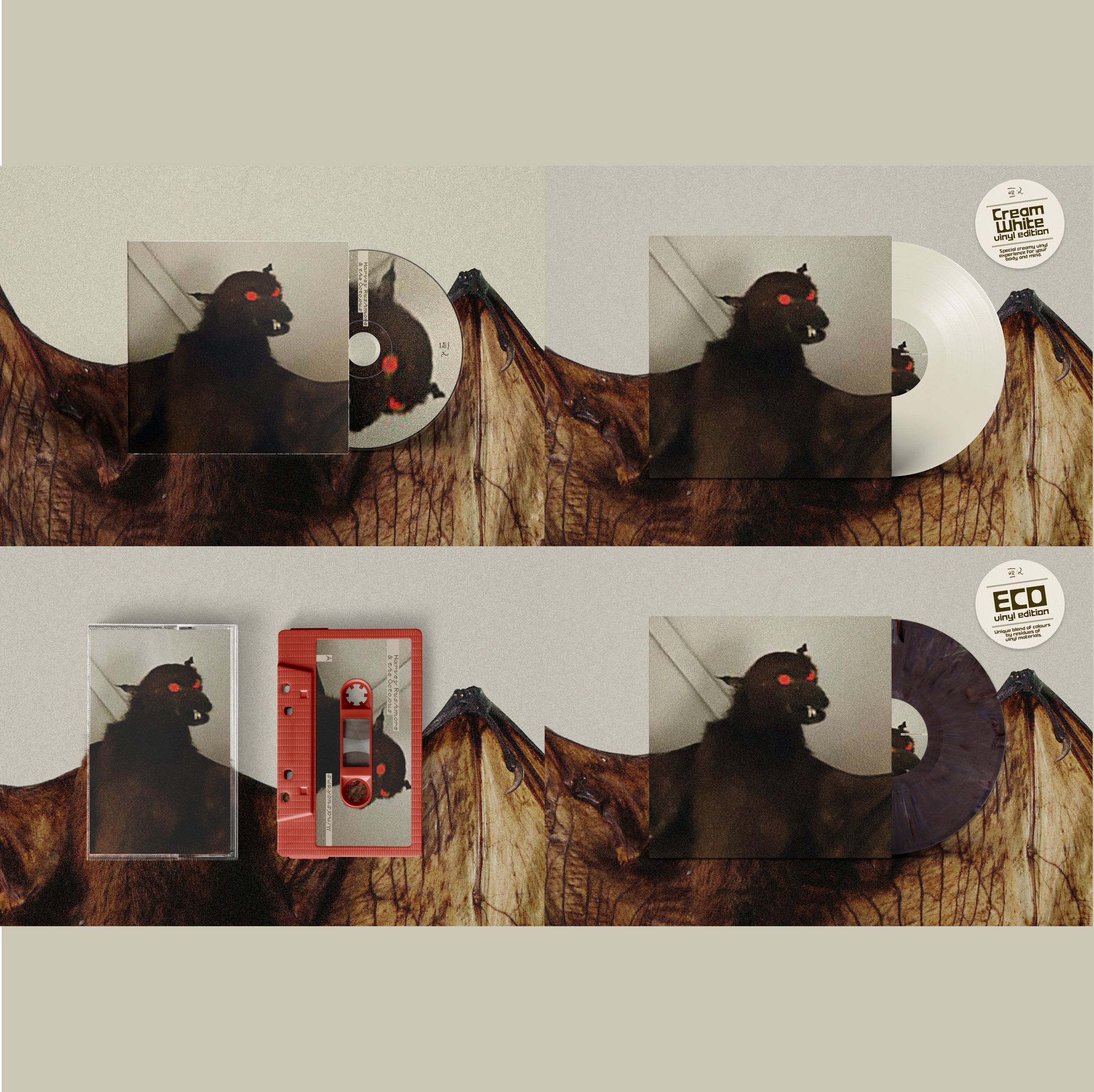
Some Fear – Word Eater

I’ll be honest from the outset here. Some Fear are a new band to my ears and my intro to the group comes on this, album number two Word Eater. The Oklahoma City group began in 2021 as a solo outlet for Branden “Bran” Palesano before growing into a full band, and Word Eater feels like the kind of record that is a group effort. It takes the slowcore foundations of the project and gives them more weight, more shape, and more confidence. You can hear a band pushing past their early lo fi beginnings and into something broader without losing the intimacy that made those roots matter in the first place.

The albums subject matter has some heft for sure. The band have this to say.

“Word Eater is a reflection of living under the U.S.’s current regime, where the lower to middle class feels powerless under the strain of the 1%. Ultimately, the band concludes that friendship and community are the only things that can get us through these hard times and help us take our power back”

These songs sit with anxiety, money worries, resentment, loneliness, and the need for closeness in a way that feels plain spoken and human. Some Fear are dealing in heavy subjects, yet the record keeps reaching for connection, which gives it a warmth that stays with you long after it ends. Let me tell you more.

The title track ‘Word Eater’ opens the album with a feeling of pressure building from somewhere deep and difficult to name. The pacing is patient, the textures are thick, as the song taps into the band’s slowcore roots. The vocals on show here are just sublime and lift the doomy chords heavenward.

‘I Don’t Want to Spend My Money’ follows with a sharper edge and a more outward frustration. The riffs grind away with purpose, but there is still melody tucked inside all that tension, this time in a slacker rock kinda way. But only kinda. You can hear the exhaustion of living under constant financial strain, of watching the numbers never stretch far enough. It’s an everyman song that really feels accessible from the opening notes.

Then ‘Stay Home’ turns that pressure inward. This is one of the album’s most claustrophobic moments, with the music feeling closed in around the voice, as if the walls are moving a little closer with each line. The stop start motif of the guitar is really unsettling. Some Fear understand how anxiety can make a small room feel even smaller, and they translate that into sound with real care. That anxiety melts away in the soaring choruses, if only momentarily. This is clever songwriting.

‘Rot’ provides us a moment of 90s grunge elation. That opening riff will have you punching the air. It then settles into another unsettling groove that keeps you on the edge of your seat wondering if we’ll hear that riff again, spoiler alert, we do!

With ‘99 Diner’, Some Fear offer one of the most vivid pieces of writing on the record. You can almost picture the harsh lighting and the stale smell hanging in the air. The song carries disgust in a very grounded way, rooted in the sort of place and mood you can recognise at once. It gives the album a slightly grimy texture at just the right moment, reminding you that adulthood often feels less cinematic than it does fluorescent.

‘Dia’ is one of the record’s emotional centres. Palesano said of ‘Dia’ that it is about “losing your identity in things outside your life, whether that is art, work, or anything else that starts to define you too completely.” That thought runs right through Word Eater. The idea behind the song is painfully familiar. So many people know what it means to pour too much of themselves into work, creativity, or expectation until they no longer know what is left underneath. Some Fear handle that feeling with real sensitivity here.

After that, ‘Harmony’ arrives like a necessary pause. The title suggests peace, though the song understands that peace is rarely simple or permanent. Instead, it feels like a brief moment where calm becomes possible. On an album so concerned with strain and silence its dynamic structure gives us it all. Whilst it does have its heavy sections this is a lighter moment in the grand scheme of the whole album.

The closing track ‘You Are Every Flower’ leaves the album in a place of tenderness. After so much heaviness, this song oozes with genuine care and quiet grace. It feels intimate but not slight, and it gives the whole record a final sense of emotional release. That closing gesture makes the album feel complete. It reminds you that even within exhaustion and uncertainty, affection still has the power to steady things.

What makes Word Eater such a strong introduction to Some Fear is the clarity of its emotional world. These songs deal with burnout, self-doubt, money, disgust, and loneliness in ways that feel grounded in daily life, yet the band shape all of that into something spacious and absorbing. You hear a group moving into a fuller sound while keeping the private ache of the material close at hand. For a first encounter, it is a memorable one. Word Eater leaves a lasting impression because it gets under your skin, one carefully chosen mouthful at a time.

Word Eater is out April 24 via Rite Field Records. You can check it out over on the Some Fear Bandcamp page.

You can follow Some Fear on social media here…
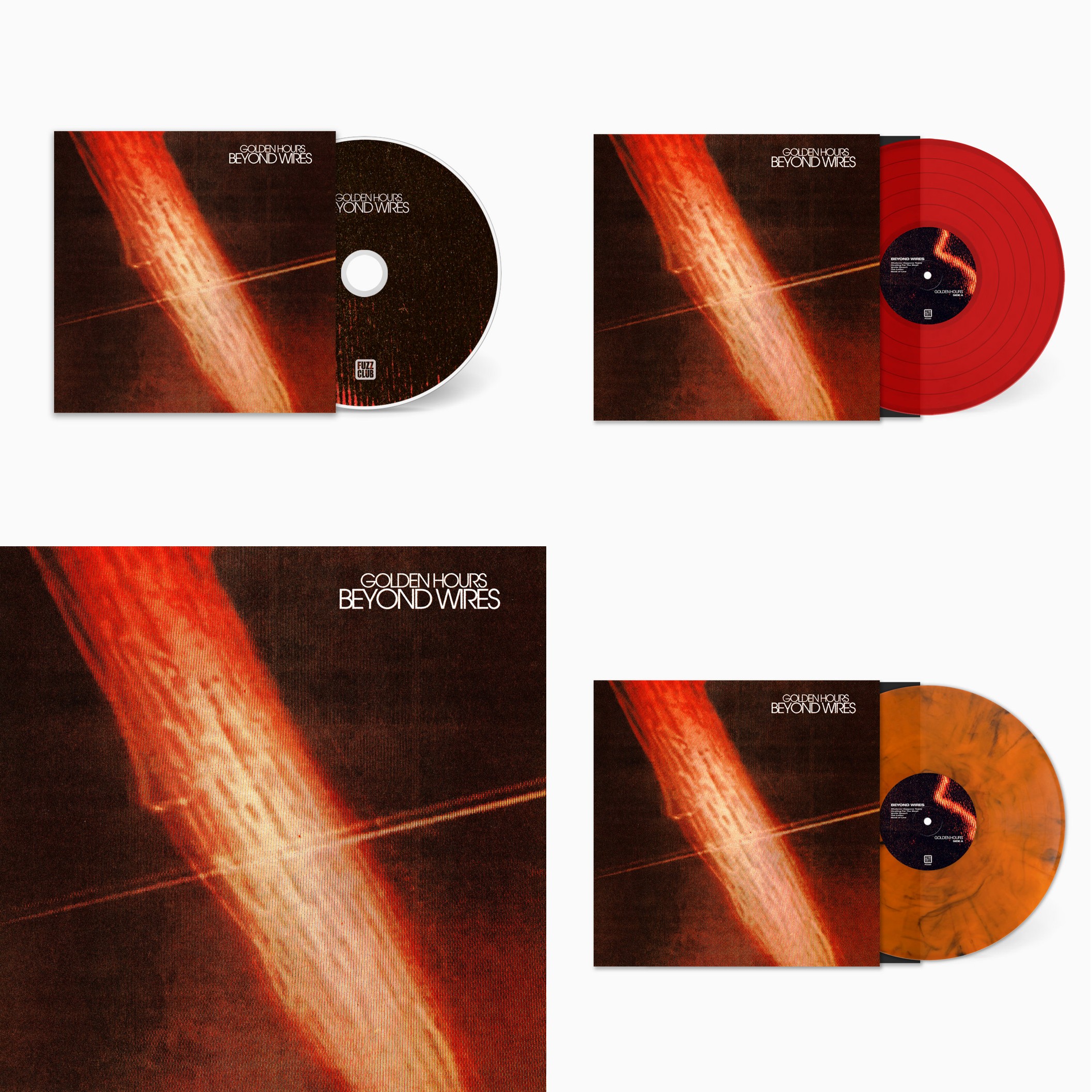
Dreamback – Landscape

I’ve had a soft spot for Dreamback for a good while now. From the early promise of Escape through Asleep and Awake, Jamie Duddy has kept finding fresh ways to shape his songs while keeping the heart of the project intact. Now, when we come to this second album, Landscape, it feels like those earlier ideas have settled into something more assured. Jamie is still pulling from the worlds of shoegaze, post rock, ambient music and slowcore, yet the record has a gentler confidence about it. For those new to Dreamback, Jamie brings his wife Laura in with her beautiful voice giving  the album an added warmth too. You can hear that closeness in the way Laura’s voice appears throughout, never overplayed, always right where the music needs it.

There is a lovely honesty in the way Jamie has described these pieces as instinctive and immediate. You feel that from the start. This album plays as a seamless listening experience.

Let’s hit play and dive in.

‘Quiet’ begins in exactly the right place setting the tone with patience and restraint. Duddy lets the atmosphere gather around the guitars, dipping in and out. It’s an assured almost therapeutic start and you can feel the stress leave your body.

Laura’s voice welcomes us into ‘Indolamine’ next. You may have caught this one on my April DKFM show. I already had a lot of time for this amazing track, and within the flow of the album it feels even better placed. There is a little more urgency in it, a little more colour in the guitar sound, and it brings welcome movement after the hush of the opener. Dreamback have often found that sweet spot between dream pop softness and a rougher shoegaze edge, and this track sits right in it.

‘New Day’ has a new age feel to it. Duddy has long had a good ear for taking simple chord shapes and giving them emotional weight, and this feels like another example of that gift. The wash of the heavily reverbed guitar creates a luscious canvas to paint on. The music opens out here, as if a curtain has been pulled back just enough to let some light in,

By the time the title track arrives, Landscape has settled into its own character. ‘Landscape’ holds the centre of the record with quiet confidence. There is a steadiness to it, and I like the way Jamie keeps the arrangement open and uncluttered. It might just be my unconscious bias but this track has a very Scottish feel to its lead guitar line which I love.

‘Seratonin’ brings a slight change in energy. The title suggests chemical imbalance and emotional swings, and the music has that same flicker to it. There is a nervousness in the fuzzed-out guitar phrasing that keeps the song unsettled, and that unease gives the album a useful jolt at just the right moment.

Then comes ‘Mercury’, which feels moodier and more elusive. Dreamback have always been good at suggesting a mood with very little, and this is one of the clearest examples here. Jamie keeps the piece lean, Laura’s voice moves through it with great care, and fuzzy guitar lines give a nice counterbalance.

‘Shadows’ goes even further inward. At just over two minutes it could easily have felt slight, yet Jamie gives it shape and purpose. The song feels hushed, private, and a touch haunted, with the kind of home recorded closeness that suits Dreamback so well. You can almost hear the room around the instruments.

There is a lovely sense of late-night stillness to ‘Midnight Plus Two’. This is where the slowcore side of Dreamback comes nearest the surface, with every note given space to breathe. Laura’s vocal sounds extra deliberate, and that keeps the whole song suspended in a very delicate place.

‘Dash’ is a quick burst, and it is placed smartly in the running order. Constructed from reversed guitar parts it gives the second half of the album a flash of motion just when it needs it. Even in such a short space Jamie manages to say plenty, which has always been one of his real strengths.

After that quick turn, the beautiful ballad ‘Reflections’ slows the pulse again and feels like one of the emotional hinges of the record. Dreamback have often worked with memory, sleep, and blurred feeling, and this track gathers those ideas into something quietly affecting. The acoustic guitar work here is subline and a real highlight of the album.

One of my favourite turns on the album comes with ‘Saturday Morning’. After the midnight hues of the previous stretch, this feels warmer, gentler, and somehow more private. Knowing Jamie and Laura are making this music together gives the track an added sweetness, as if you are hearing the album step out of their dream space and into lived space, if only for a moment.

Whilst ‘Lullaby’ is over quickly, it really does leave a mark. The softness of Dreamback can sometimes hide how carefully these records are put together, and this song is a fine example of that touch. The arrangement is light as clouds, the feeling stays tender, and the result is one of the album’s most moving moments.

Closing on ‘Valentine’ feels right for an album made with this kind of care. There is affection in Dreamback’s music, and here it comes through in a way that feels truly heartfelt. To finish the record with a piece that feels intimate and complete is a small closing gesture that says everything it needs to.

What I enjoy most about Landscape is how settled it feels in Dreamback’s own language. Duddy has spent the last few releases trying different routes through dream pop, ambient texture, post rock space and understated song writing, and this album gathers those ideas into a set that feels personal from start to finish. Laura’s voice remains one of the quiet joys of the project, adding softness and human closeness without ever breaking the mood. You come away from Landscape feeling as though you have spent time somewhere carefully arranged, lived in, and full of feeling. By the end, Dreamback have changed the scenery around you.

Landscape is out now. You can check it out over on the Dreamback Bandcamp page.

You can follow Dreamback on social media here…