I still remember the first time I heard ‘Hide and Seek’, years ago, half-awake in front of the TV. That vocoder voice, that strange stillness that filled the room. It got under my skin in a way few songs ever have. For a long time, it lived on my old MP3 player, soundtracking journeys and my day to day life, and whenever it came on it carried me straight back to those carefree years.
So, when I heard that Imogen Heap was back with a new single called ‘Aftercare’, it stopped me in my tracks. The title alone feels like a big hug, and that’s exactly what the song delivers. It’s a moment of tenderness and self-reflection wrapped in futuristic shimmer. Imogen has always been ahead of the curve, and here she folds the digital into the deeply human once again. ‘Aftercare’ features her AI alter ego “Mogen”, a voice she’s trained through timbre transfer to echo her own but with ghostly nuance. The result is something both intimate and otherworldly. A duet between artist and algorithm, mother and machine.
The track forms the final part of a trilogy following ‘What Have You Done To Me?’ and ‘Noise’, completing a larger body of work that explores identity, connection, and the messy beauty of being human in a tech-saturated world. It’s a song that feels like it could only come from Imogen: entirely self-written, produced, and mixed, but also completely open to the future. There’s warmth in every note, like she’s still searching for the same truth she was chasing twenty years ago when Speak For Yourself first arrived.
And that brings us full circle. Speak For Yourself (20th Anniversary Remaster) is being reissued, marking two decades of a record that changed everything for independent artists. It’s now RIAA Platinum, with the singles ‘Hide and Seek’ Gold and ‘Headlock’ Platinum. What a legacy built by one woman who never waited for permission. The new edition arrives on heavyweight 180g double vinyl, remastered in stunning fidelity, and celebrates not just the music but Imogen reclaiming full control of her rights and catalogue.
As if that wasn’t forward-thinking enough, she’s also launched Auracles, a new platform empowering artists to own and protect their creative identity in the age of AI. It’s the kind of initiative that could only come from someone who’s spent her whole career bridging technology and emotion, art and autonomy.
For now, dive into ‘Aftercare’. It’s the sound of an artist still exploring what it means to be human, twenty years on and still light-years ahead.
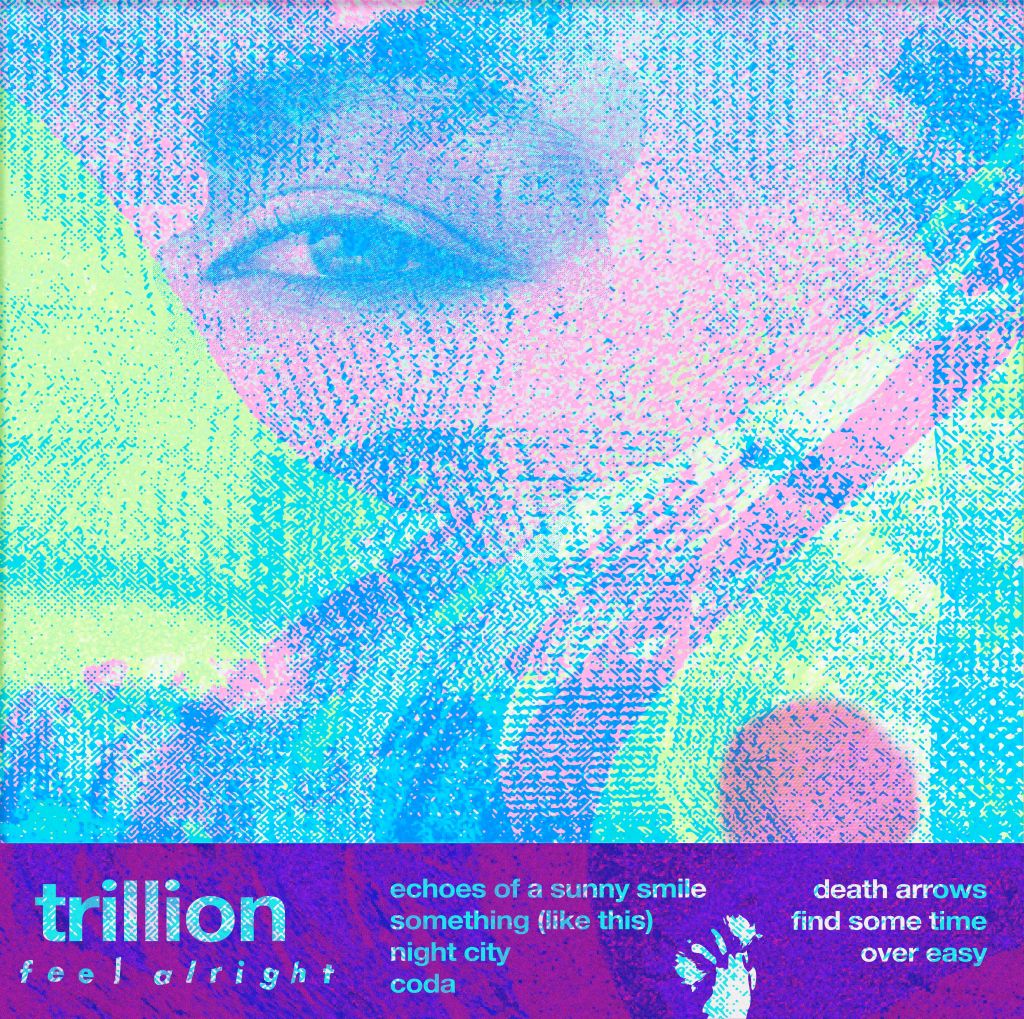
I stumbled back into Trillion’s world when ‘Echoes of a Sunny Smile’ landed in my inbox ahead of my September DKFM show. Within seconds of that soft-focus swirl kicking in, I knew this was a band that hadn’t lost their magic. I ended up spinning it on air, that shimmering opening track somehow managed to sound both familiar and completely new.
It reminded me that it’s been a while, three years in fact, since I last wrote about Trillion here on Static Sounds Club. Trillion are a six-piece from Sydney Australia featuring Steve Hartley (guitar, vocals), Darren Barnes (bass), Sean Vella (drums), Pete Bridle (guitar), Tara Honeyman (synth, vocals) and Mark Gilder (guitar). Their last release So Soon Now blew me away back in 2023, a record I described as a love letter to the bands who came before them without ever straying into pastiche. Back then they were already masters of sculpting fuzz and melody into something cinematic. Now with a new album under their belts they’re back to blow our minds again.
Recorded over six months across several Sydney studios, Feel Alright is described by the band as “the age-old story of love, loss and moving on,” but there’s more to the story than that. Let’s hit play and see where the album takes us.
The album opens with ‘Echoes of a Sunny Smile’. This one is pure serotonin. Layers of fuzz stretch and shimmer like sunbeams through gauze, while those interwoven male–female vocals glow at the centre. It’s a potent opener and it delivers those driving gazey feels right from the off. Sure, you can feel that 90s lineage (Ride, MBV, Flyying Colours) but Trillion give it a pop sensibility that’s entirely their own. When the chorus hits your off flying.
‘Something (Like This)’ comes in like a headrush. The drums snap to life under a bed of churning glide guitar and pulsing bass. It’s that classic Trillion trick, intensity with elegance. The vocal interplay between Hartley and Honeyman really shines here, threading melody through a haze of noise. It’s both euphoric and melancholy, a love song that wraps you up in its yearning.
With a burst of energy and swagger in comes a ‘Night City’. Short, sharp, and buzzing with neon urgency, ‘Night City’ feels like the most playful thing they’ve done yet. It’s a fuzzed-out postcard from the after-hours, bass pulsing, guitars glowing, synths flickering like streetlights. I might be mistaken but I can sense a Stone Roses influence at play here which really suits the song.
Up next, we take a wee pause for ‘Coda’. A brief, blissful detour of a shoegaze meditation. It’s almost ambient in feel, like a soft inhale between heavier moments. The guitars shimmer and dissolve, leaving traces of melody hanging in the air.
‘Death Arrows’ delves in a The Jesus and Mary Chain influence. The beat has that Spector wall of sound thing going on and the guitars chime and echo around the track. Honeywell’s double tracked vocals are utterly sublime cutting through the mix like a scalpel. But it’s when everything erupts, they absolutely shine like a floodlight. This track hits like a thunderclap and is my album stand out track.
‘Find Some Time’ has a looseness to it, a kind of sighing relief in its flow. The cutting guitar tones nod to more to prime era Teenage Fanclub and early Lush. The space between the verses and chorus gives your ear this lovely dynamic to play with. I particularly like that the guitars aren’t too over the top distorted. It gives this song its own unique personality.
The album comes to a close with ‘Over Easy’ bringing everything full circle. The song lives in soft focus and it comes across heartfelt and utterly immersive. The guitars are both extreme glide guitar and muted jangly tones which again is a nice way to close out the album, rounding up the sounds they have explored over these seven tracks.
With Feel Alright, Trillion have stepped confidently into their own space. It’s still rooted in the classic gaze universe they clearly adore y’know, MBV, Ride, Blonde Redhead, Deafcult etc etc…, but there’s more colour, more lift, and a clearer emotional pulse running through it. Where So Soon Now felt like a statement of intent, Feel Alright is the sound of a band fully inhabiting their world. Trillion have managed to make a record that’s comforting and cathartic all at once. Fuzz and melody in perfect harmony. It’s the sort of album that makes you fall in love with shoegaze all over again. I know I have!
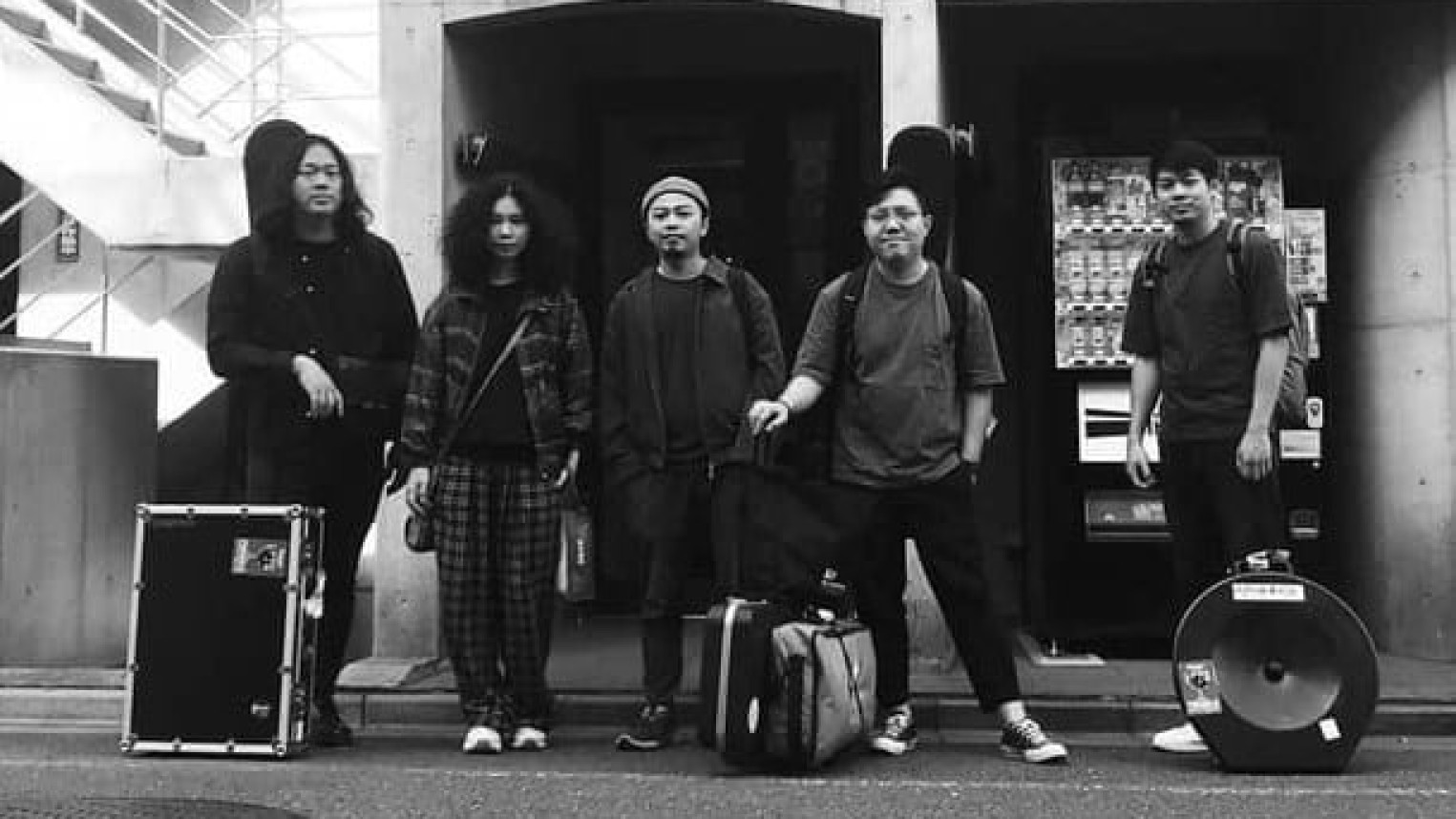
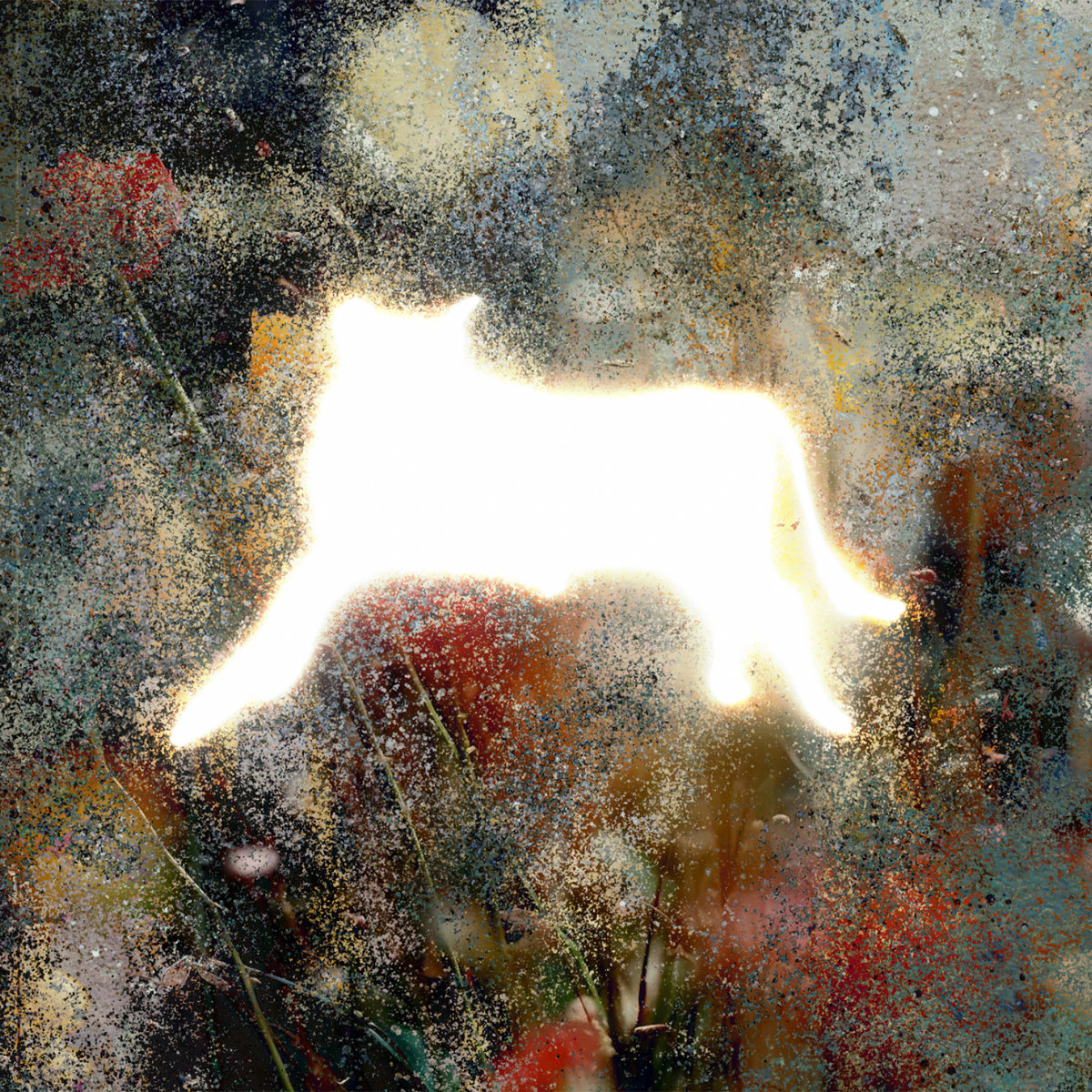
The Giraffe Told Me in My Dream is a band name you’re unlikely to forget and so it has proven with their latest release, the Velvet Distortion EP. So, who are this enigmatic outfit? Good question. There’s little to no information on the band online only adding to that air of mystery that has already turned a whisper into cult admiration.
This Taiwanese shoegaze outfit first surfaced publicly with the Slowfall EP back in 2019, and since then they’ve existed in a sort of slow burn. quietly gathering attention in dream-pop and shoegaze circles for their gauzy textures and emotive pull. Velvet Distortion is their second EP and release to date. Over the last few weeks I’ve slowly been falling in love with both this band and the EP. Let me tell you why.
The EP opens with ‘Shallow’ surely a nod to the MBV influence in their sound. We hear a soft echo of guitar reverb, a voice that hovers at the brink of clarity, and an undercurrent of shimmering distortion that buzzes in the periphery. It doesn’t demand your attention; it invites you in. The intro seems delicate, but stretched just so your senses sharpen. This song immediately made me sit up and go, hang on, I think I’m about to hear so0mething really special.
Then ‘Glimpse’ sweeps in, longer and more expansive. It builds slowly, unfolding. Hazy vocals float atop washes of guitar shimmer. There are moments when the guitars are soft, almost forgiving, then in the chorus they swell, pressing forward like waves gathering momentum before they break. Midway through, there’s a passage where the instrumentation drops back, you’re left with voice and distant strumming, before the guitars erupt again. That section made the hair on my arms stand up. What a stunning song.
By the time ‘Blurry’ arrives, the EP has already softened you. This leans more into the dreampop sound. The title is apt: at times the guitars drift so far back in the mix they feel like a dream you almost forgot. The vocals take charge here and it’s a dual attack, male and female vocals trade licks in tandem, never slipping into harmony singing. It’s a neat trick that only makes this track stand out more from what has come before.
‘Before’ closes the EP with velvet gloved uppercut. It’s darker, braver, more restless. The song moves through shifts in loudness, sometimes intimate and hushed, sometimes all guitars flashing. In its closing stretch, the guitars surge, voices echo, and I felt like I was riding a wave cresting just as it washes over you. It ends, and you’re left suspended. What a way to close out the EP.
What Velvet Distortion leaves behind is less a collection of songs and more a lingering atmosphere. It feels like a dream you wake from slowly, each song a fragment that stays with you for hours after. Across its four tracks, The Giraffe Told Me in My Dream manage to say more with texture and tone than most bands do with entire albums. There’s a quiet confidence running through the EP, a sense of purpose beneath the haze, even as everything swirls in that gauzy shimmer the band are quickly becoming known for.
Velvet Distortion cements The Giraffe Told Me in My Dream as one of the most intriguing acts in the current shoegaze underground. They’ve managed to take familiar sounds and make them feel new again. When the last note fades, you realise the silence feels different now. The air has changed. And that, really, is the mark of something special. Now when I’m asked why I love shoegaze so much I need only show this EP.
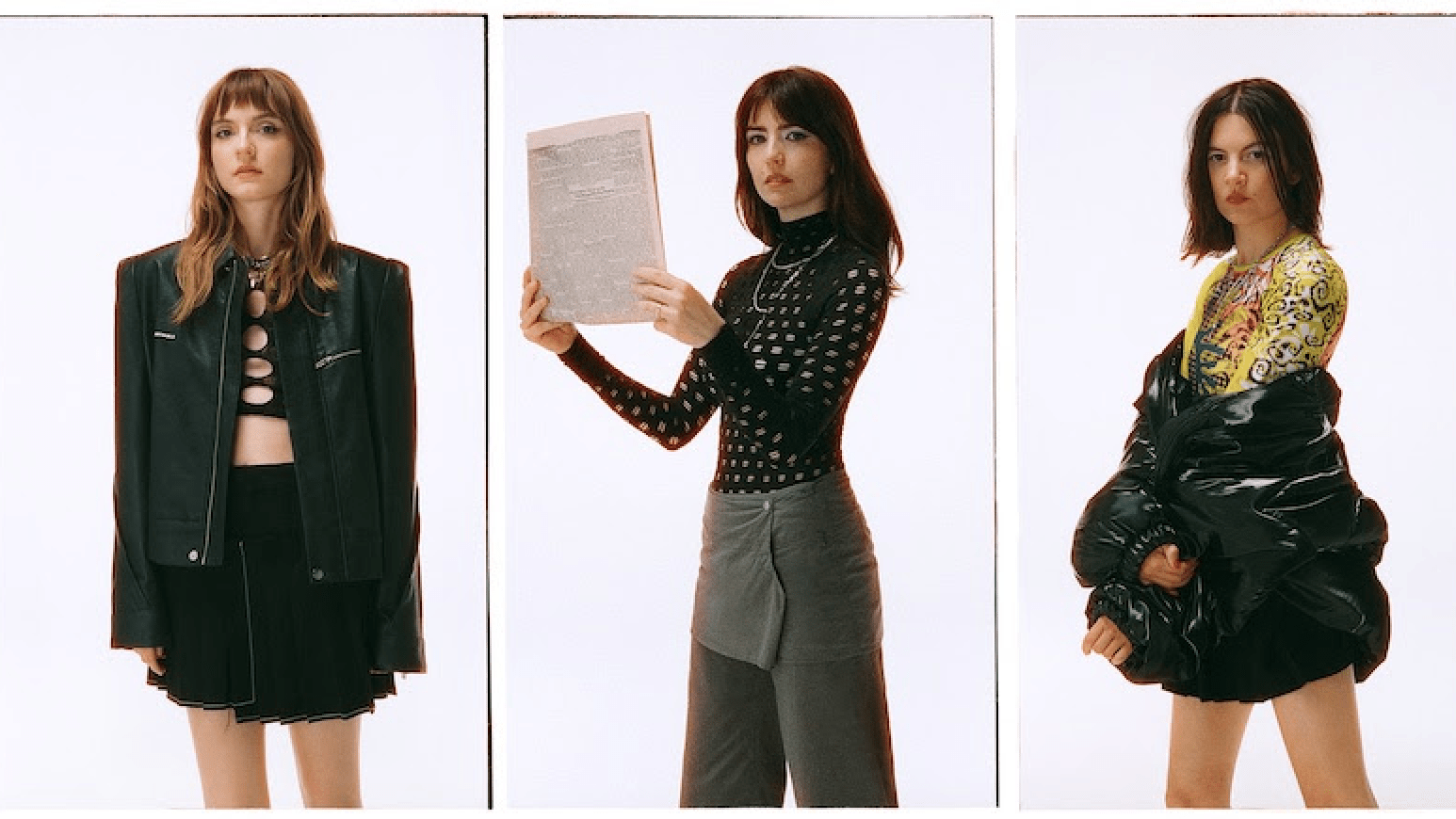
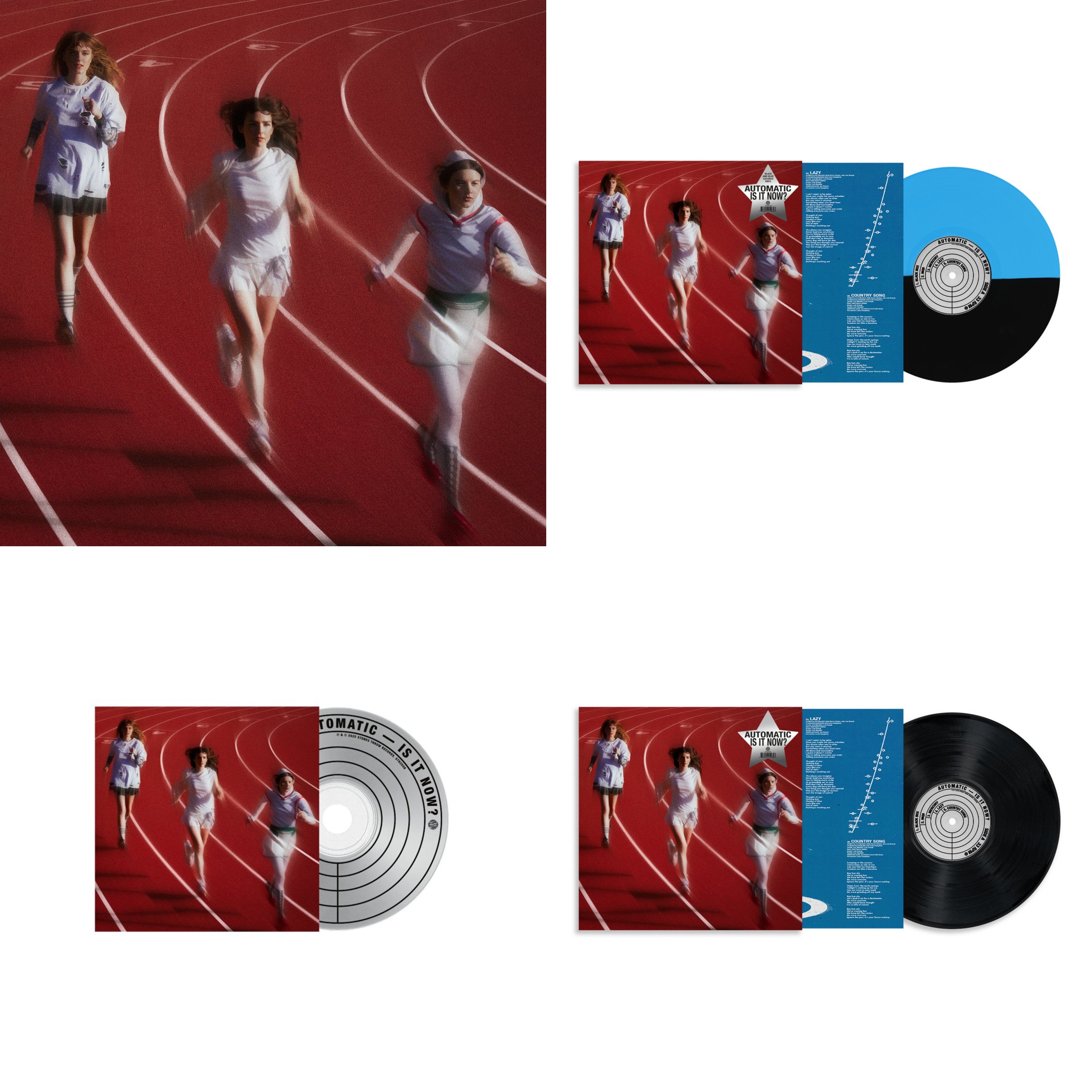
I was an instant convert to the sound of Automatic when I stumbled across their 2019 debut album Signal. It had the vibe of a band with one foot in the future and the other stuck in a cracked piece of analogue tape. They came together in Los Angeles nine years ago, just three friends with instruments they were still figuring out how to play. That bare bones start gave them a raw honesty, but over the years they’ve carved a sharper edge. By the time of their sophomore release Excess in 2022, they had already built a reputation for minimalist post punk grooves that could soundtrack either a basement dance or a protest march. In the years since, the three members have scattered into new routines: Izzy Glaudini rescuing stray cats and obsessing over production tricks, Halle Saxon trading bad habits for botany classes, and Lola Dompé disappearing into the countryside with her horses. Life pulled them in different directions, yet Is It Now? finds them locked in like never before.
Glaudini was quite clear on what the band had to achieve.
“You have to get people moving. It’s harder and harder to enjoy a sense of escapism; it’s tinged with delusion. Action feels more rewarding.”
That’s the energy driving this third record so with that knowledge lets dive in.
The needle drops with ‘Black Box’, and it feels like being transported to a Haitian disco. The drums and bass hold down the groove while synth stabs and swirls float across the speakers. It’s only when the vocals come in that things pare back to give space to the smoke in Glaudini’s delivery. Her voice feels detached yet intimate whispering an uncomfortable truth across a crowded room. The bass and drums keep tugging at your body, urging movement, while the synths spark and scatter like broken neon. This track plays with pleasure and paranoia, the sense that you’re dancing in a place that might not be safe. You find yourself nodding along, caught between groove and suspicion, already primed for the world Automatic are about to unfold.
That rolls into ‘mq9’, which works like a Trojan horse. At first you’re carried along by the groove, bobbing bass, and those stabbing synth bursts. Then the realisation hits: it’s mimicking the sound of drone warfare. The track keeps you moving while planting a knot in your stomach. It’s clever, but it’s also sinister. You catch yourself dancing, shoulders loose, and then you remember what the title means. That’s when the unease sets in. The song makes complicity feel physical. Your body obeys the beat while your mind wrestles with the horror underneath. Automatic leave you stuck in that space, uncomfortable but still moving.
‘Mercury’ arrives like a trickster. Trip hop tempo, restless beat, and a cheeky menace that makes you want to lean in closer. The synth work is sublime. You can feel the results of Izzy’s studio obsession here. Vocals slide in like smoke, half-spoken, half-sung, their coolness masking something volatile beneath. There’s a playfulness in the way it builds and unravels, teasing you with moments of clarity before plunging back into murk. You catch fragments of melody, flashes of groove, but nothing settles for long. By the time the track winds down, you’re not sure if you’ve been seduced, unsettled, or both.
The mood lightens with ‘Lazy’, a chilled groove with an edge. There is a lightness to the verses then in the instrumental breaks in between, shadows creep in. The synth stabs have eerie overtones that pull the rug out from under you. The bass is warm and rounded, almost cosy, yet those synth stabs cut through like distant alarms. You think you’re settling into the most relaxed moment on the record, only for Automatic to twist the groove just enough to remind you the calm is temporary.
Then ‘Country Song’ is anything but. This ain’t no Nashville anthem, no siree. If anything, this track would feel at home on stage with Gary Numan. The bass locks into a cold, metallic throb while synths bend into strange, buzzing shapes. There’s nothing pastoral here, only a synthetic horizon that feels eerie and electric. Dompé’s drumming keeps it rigid, a tight frame that gives the whole thing a steely march. Vocals float above like signals from another planet, cool and detached, echoing through a chrome-tinted space. The result is hypnotic, almost clinical, but with a sly grin underneath. You can imagine the band having fun with this one, smirking as they twist the title into something alien.
The centrepiece comes with the title track, ‘Is It Now?’. It’s a frantic paced, sharp edged sonic assault. The bass is the star here dancing around the two notes of the song. The smooth synth pads providing that luscious contrast that makes this an Automatic classic. This song feels like a rush of energy that is both chaotic and tightly controlled. Worthy of the title track.
‘Don’t Wanna Dance’ is cheeky by name but impossible to resist. The pace is slowed right down, a hazy low-tempo drift where space is as important as sound. The bass pulses gently, almost lazy, while the drums flicker in and out with a stripped-back restraint. Synths hang in the air like distant echoes, soft and minimal, creating an atmosphere that feels half-dreamt. It’s sly, understated, and quietly hypnotic, the kind of track that has you swaying long after it’s finished.
Then comes ‘Smog Summer’. Disco shimmer at first glance, but this one holds a fire warning. Inspired by L.A.’s endless fight with climate disaster, it anchors its urgency to a bassline that won’t quit. You can hear Halle’s botany obsession sneaking into the lyrics, trying to coax hope from the ash. It makes you want to dance and panic at the same time.
‘The Prize’ drags the conversation into darker waters. Oil, politics, and power wrapped in a rhythm that lurches like a heavy engine. This is the record’s most confrontational moment. There’s an almost physical sense of tension here, a confrontation that doesn’t let you escape. You feel the anger in the grooves, the frustration in the pauses between notes. It’s the track that refuses to let you dance, demanding attention and reflection, leaving a trace of unease that lingers long after the final chord.
By the time ‘PlayBoi’ hits, there’s a swagger in the air. It’s all cheek, with Lola’s beat bouncing like a rubber ball. There’s a a definite parallel to the production work on the Nice as Fuck album here. Given they share a producer in Loren Humphrey it’s no wonder. The drums snap with a loose, playful energy and Halle’s bassline keeps it tight but playful, circling around the rhythm. Synths flicker in the gaps, adding sly flourishes that feel both stylish and slightly absurd. You can almost hear the band grinning as they play it out.
Closer ‘Terminal’ turns almost motorik. Its unrelenting and unapologetic in its intensity. The beat locks in and refuses to budge, a steady thrum that feels like being carried down a highway with no exits. Halle’s bass is relentless, circling a single idea until it becomes hypnotic. This is a finale that trades euphoria for endurance. By the time it winds down, you’re left with the sensation of being propelled forward long after the music stops, still caught in its endless motion.
Is It Now? is a record that toys with your senses as much as it moves your body. From the first pulse of ‘Black Box’ you’re pulled into a world where grooves feel irresistible but always edged with unease. The band lure you into motion, only to undercut the pleasure with paranoia, satire, or stark commentary. Automatic thrive on contradictions like joy and dread, groove and grit, satire and sincerity. The experience isn’t about escaping the world outside but moving through it with sharper eyes and restless feet. You dance, you question, you sweat, you think. That’s the genius of this record. Is it now? With Automatic, it always is.
Regular readers of the blog will remember Marina Yozora. To date she has two incredible singles under her belt in the shape of ‘Watermelon Pink Blue Skies’ and ‘Daffodils’. She wites songs that breathe until they feel like they’re floating. That approach has already earned her a place in the current wave of new dream pop voices worth watching, but with new single ‘Touché’ she’s opening a new chapter.
Born in Tokyo, raised across America and Vietnam, and now based in London, Marina carries a world’s worth of memory into her writing. You can hear that third culture background in the way her music blends spaces and moods that don’t often meet. She’s already sold out shows in Tokyo, started drawing a dedicated following in London and Glasgow, and is now set to bring her live presence to Manchester, Rome and Lisbon.
Marina tells the story of how ‘Touché’ came into being like this.
“I wrote this song early morning around 5am in my bedroom, so pretty that the sunlight poured through the little corners of the curtains. There are two stories behind this song: one, is that for that few minutes of this song, I felt like I had to say good bye to someone I haven’t met yet. Almost like I was feeling myself in another time dimension.”
“The second story, is that I was up all night, practicing for my headline show in Tokyo, which I sold out too. It was my last show before moving to London as an artist. And within this transition, knowing that I was loved by these fans and friends, was just grateful. I’m always surrounded by warm people who trust me and my visions. This song Touché is my reply to their love.”
Let’s dive in and hear that for ourselves.
The track begins in a hush, her guitar gently reverbed, like first light slipping into a dark room. Her voice glides in soft, rounded, as if it’s being carried by the early morning sun. There’s a tenderness that feels immediate, like you’ve stumbled upon something private and are being invited to stay for a while. As the layers build, synths from Amelia J Smith (AMILLS) swell underneath, subtle but glowing, adding warmth without stealing space. A bassline anchors things, grounding her drifting melody lines. You can almost see the dust particles dancing in the sunlight of that 5am room. Each note seems suspended in air, held just long enough to catch you before it slips away.
Listening to Touché you can feel Marina balancing nostalgia with forward motion. There’s the shadow of Tokyo and her sold-out show there, the excitement of her London chapter, the small community of fans who keep showing up. All of it folded into three minutes and change that feels both fragile and unbreakable.
She has already given us flowers with Daffodils. Now with Touché she’s given us something even closer; a whispered reply, a love letter sung out loud.
Regular readers of the blog will know that Philly based label, Julia’s War Recordings, are on a bit of a hot streak right now. Everything they touch seems to turn to gold so when they pop a new album into my inbox you know I’m going to sit up and take notice.
Joyer are brothers Nick and Shane Sullivan who started the project on the east coast, shifting between cities, floors, and basements, carrying their restless energy into every recording. They’ve cut their teeth on support slots with Horse Jumper of Love, Wishy, and villagerrr, and in 2024 gave us Night Songs, a record that glowed with fuzz and shadow. Now they’ve returned with On The Other End of the Line, a collection of songs shaped by distance, distance from home, distance from each other, distance from stability. It’s their most ambitious record yet, cut over eight days in Chicago with Slow Pulp’s Henry Stoehr helping steer the sound.
“Distance has an uncanny ability to clarify feelings. It can offer an invigorating reset, reaffirming your capacity for love and renewing your sense of self. But if you surrender to its wisdom, you may not always like what it reveals.”
That’s the frame Joyer work within here. They’re looking for connection, so lets drop the needle and get connected.
The record begins with ‘I Know Your Secret’. It’s woozy, paranoid, and utterly gripping, born from Nick’s unsettling dreams in Shane’s childhood bedroom. Guitars jar between fuzzed out bliss and metallic, janky, jangling chords. It simultaneously tickles that slowcore and gaze part of me. The vocals sit close, almost whisper-like. What makes it work is that tension between comfort and unease. The chords crash, then hang in the air, leaving you suspended, waiting for whatever comes next. This is a bold and accomplished opener.
Then comes ‘Cure’, the song that gives the album its name. It leans more into laid back slacker rock territory with a melody Malkmus would kill for. The guitars tumble loose and warm and there’s a casualness to it that feels almost accidental, but the hook is razor sharp. Shane’s vocal folds into the chords, half sigh, half shrug, like he’s letting the words drift rather than forcing them out. I’m really into this one.
‘Creases’ appears all at once guitars at ten gliding across the speakers. The riff is midwestern but the delivery is all their own. It has that wide-open feel, like a motorway stretching out in front of you, but instead of cruising, the song keeps tripping on its own shoelaces in the best way. The drums tumble and scatter, never quite settling into an easy groove, which gives the track its off-kilter charm. It’s nostalgia with teeth, and it cuts deeper the louder you play it.
‘Glare of the Beer Can’ feels brighter on the surface, with twang seeping into the guitars, but there’s melancholy baked into its bones. The shimmer in the chords could soundtrack a hazy summer afternoon, but the vocal delivery undercuts it with a heaviness that lingers. The pastoral touches make it one of the most distinct tracks here, pulling away from shoegaze grit into something closer to folk, but never fully letting go of the noise.
Then everything sharpens with ‘Spell’. This feels like a sister track musically to ‘I Know Your Secret’ but the tone here is sharper. More defined somehow. The guitars are falling over each other in the most glorious way, scrapping and sparking like loose wires. The vocal mostly tracks the guitar melody, and that mirroring effect gives the track a hypnotic pull, as though the voice is tethered to the strings and dragged along for the ride.
The midpoint arrives with ‘Something to Prove’. The song takes its time pulling to its focus which is really clever. Listening to the song emerge form the chaos is a revelation. At first, it’s all squall and static, like a band throwing paint at the walls just to see what sticks. Then, almost slyly, the groove locks in, and you realise all that noise was pointing somewhere. By the time the chorus arrives it feels earned, like they’ve fought their way through the mess to land on something undeniable. It’s messy and obsessive, but also strangely triumphant.
‘Favorite’ pushes further into that energy, a spidery rocker with itchy guitars and explosive bursts. It’s messy in the best way, that kind of chaos you only get when a band is willing to stretch their songs until they break. The chorus doesn’t so much arrive as detonate, guitars and vocals tearing open space all at once. What’s special is that even inside the racket, there’s a hook in that chorus that digs in deep. You hum it hours later, almost surprised it stuck given how ragged the delivery feels.
‘At the Movies’ reins things back. It’s a breather, a softer track that whilst it loses none of the wonky intensity of the previous tracks it chills things out. The guitars shimmer with a loose, hazy quality. Vocals arrive hushed, conversational almost, like leaning over to whisper during a film. What I love here is the balance. It’s gentle without tipping into sentimentality, still carrying that off-kilter edge that marks the whole record.
‘Test’ follows with sharper teeth again. Fickle rhythms keep it constantly shifting, and the guitars come in jagged. It’s one of the most immediate cuts here, and live it’ll tear the roof down. The riffs snarl and scrape, and when they lock together it’s like sparks going off. Vocals ride the chaos with a deadpan delivery that only makes the explosions feel bigger. This is Joyer at their most celebratory.
Everything closes with ‘Tell Me’, and it lands perfectly. Nick sings, “I give up and I try. But I know I’ll be alright. When I walk down to your door. It can’t hurt me anymore.” It’s vulnerable, raw, and hopeful all at once. That plea for connection cuts deep, the desire to be known by someone else in a way that feels simple yet overwhelming. The song circles back to the theme of distance, showing us that even when separation gnaws, the act of reaching out is its own kind of cure.
On The Other End of the Line is such an immersive listen. Guitars swing between jagged and melodic, sometimes colliding, sometimes weaving together, always demanding your full attention. Each track opens a different door. The sequencing makes the album less a straight line and more a ride, where every shift feels deliberate and takes you off somewhere new. By the time the final track fades, you’re left with the sense of having been inside something unpredictable but oddly cohesive. It’s a record that plays with your expectations, always moving just slightly to the left of where you think it’s going. Listening through once is satisfying, but the pull to go again is strong especially when each spin reveals something you missed. You never quite know what you’ll hear when you pick up, but it’s always worth answering when Joyer is the band is on the other end of the line.
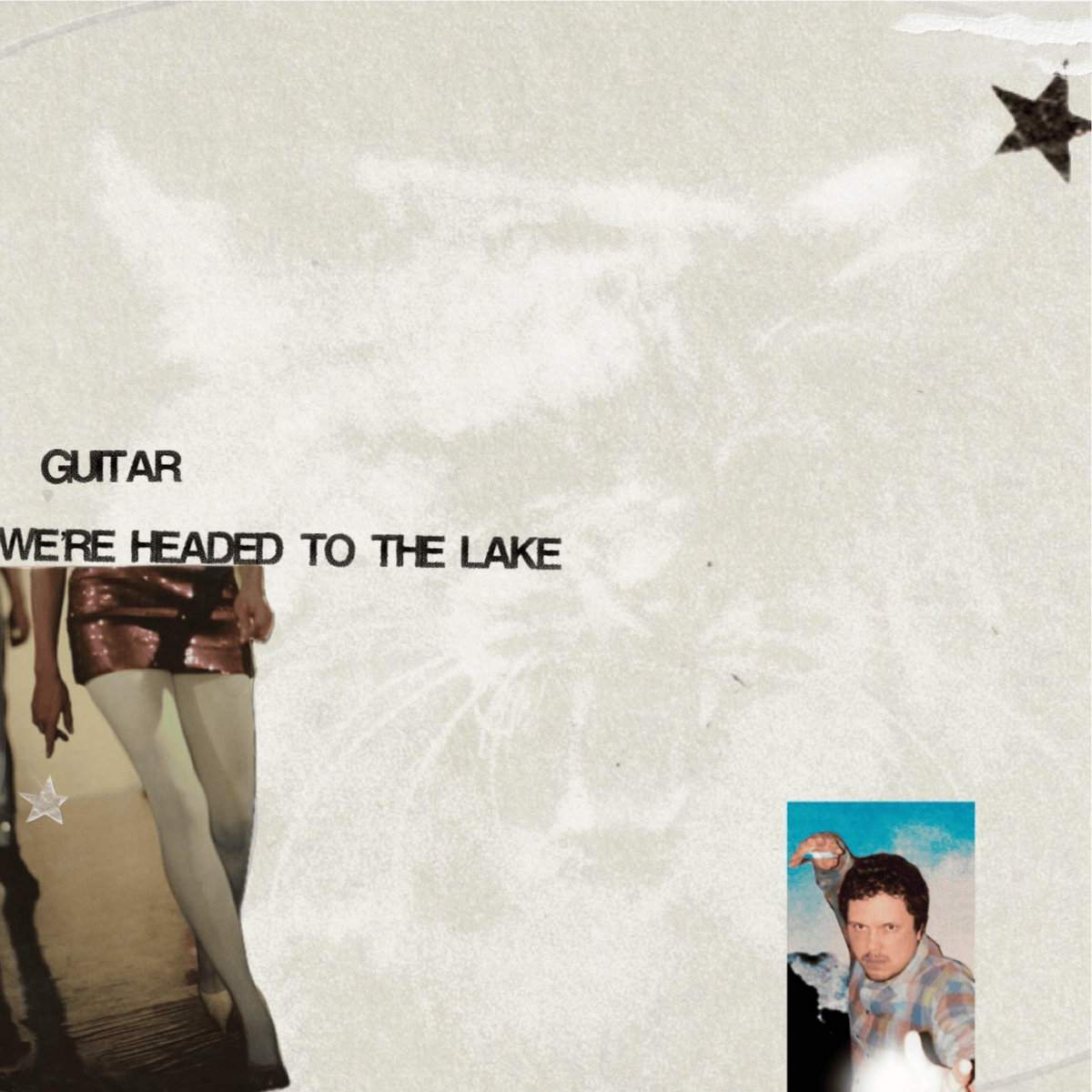
I’m always on the lookout for guitar bands that are doing something different. Built around the restless mind of Saia Kuli, Guitar is less a band in the traditional sense and more an ongoing experiment. Kuli grew up on the margins of the city in an area affectionately called The Numbers. A place where you had to work hard to carve out a voice, where scenes could feel closed off unless you fought your way in. He cut his teeth with endless demos, four track experiments, and a string of misfit bands, including Gary Supply and a stint with Nick Normal’s chaotic guitar collective. For a while he threw himself into punk, then he lost himself in beat making. Ultimately, he found himself staring at the guitar in the corner of his bedroom and realised the only way forward was to smash everything he loved into one idea. That became Guitar.
The debut Casting Spells on Turtlehead came out of Philly’s Julia’s War label (one of the best labels out there in this guys opinion) and quickly picked up attention. It had shoegaze fuzz, oddball pop, jagged punk, and a lot of charm. What it didn’t have was a clear destination. That’s what We’re Headed to the Lake provides. It’s a leap forward, a full-band effort with Kuli joined by drummer Nikhil Wadhwa, cousin, wife, and co-producer Morgan Snook. Together they’ve made something that stretches past genre tags and lands in a sweet spot between Guided By Voices, Pavement, and Teenage Fanclub, but warped into its own crooked shape.
Kuli summed it up when talking about single ‘Pizza for Everyone’:
“This song is both an epic non-sequitur rally cry and also about being broke and bored sitting on a couch.”
They say that balancing act between humour, honesty, and absurdity runs through the whole record so let’s dive in and see for ourselves.
The curtain lifts with ‘A+ for The Rotting Team’. Straight out the gate this has me hooked. Chords stumble, rhythms sway, but there’s an intent in the chaos. As soon as the song switches gears and launches into the core melody I was beaming ear to ear. This is gonna make Malkmus green with envy. I have a feeling this album is gonna be a special listen.
Then comes ‘Chance to Win’, and suddenly we’re somewhere else entirely. It’s tender, almost etherial, with Kuli’s wife lending a vocal line that softens the edges. The arrangements bloom, strings swell, the melody drifts like a fever dream. The contrast with the opener is shocking but also makes sense. Guitar have always been about refusing the easy path, and this track proves they can do intimacy without losing their identity.
‘Cornerland’ jerks the wheel back again. It’s jagged, messy, post punk in feel, built around a chugging guitar part. I love how the parts loop and grind around each other. I especially love the picked-out guitar break mid song that clearly draws a line between the frantic first section and almost baroque closing. Man, you just don’t know what’s coming next.
Then you get ‘Ha’, which is over before you know it. A thirty second punk jab that feels like they’re letting off steam. Blink and you’ll miss it, but it’s the kind of throwaway moment that actually deepens the record. I really want to hear what this would sound like a fully realised song. Then again, who am I to say it isn’t.
‘The Game Has Changed’ is where the album kicks it up a gear. Imagine a Weezer single but with an experimental wonky edge. Big hooks and choruses remain, but they’re warped by riffs that bend out of tune and harmonies that seem deliberately wrong. It’s catchy and makes you scratch your head at the same time. I can’t get fathom why this works so well but by god it does!
‘Everyday Without Fail’ follows with what might be the album’s high point. At first, it’s breezy, an upbeat indie rocker with “guitarmonies” (yes that is a word!) locked tight. Then the song shifts into a hulking hardcore head down ass up pounding rocker. I particularly love the vocal harmonies (vormanies???) on this one. Like screaming into a tornado.
That leads into ‘Office Clots’, which captures the monotony of working life better than any straight lyric could. It’s droning, repetitive, atonal, hypnotic but in a good purposeful way. The vocals sound like an exhausted mind looping the same thought at a desk. It’s bleak, but there’s humour in the way it leans into the boredom until it becomes a psychedelic experience.
By the time ‘Pizza for Everyone’ rolls around, you’re ready for release. It’s a slacker anthem, guitars loose and meandering, lyrics drifting between silliness and sincerity. Whilst you can hear Pavement in the shuffling rhythm, there’s something more personal in the vocal delivery. Guitars vary from heavy fuzz to angular wandering solo lines which keep you on your toes throughout as the band switch it up.
‘Pinwheel’ shifts gears again. The song begins stripped back to guitar and voice kinda like Gardener in places. Slowly but surely the sonic canvas is filled in. Vocal harmonies, fuzz lead guitar and bass punctuate the mid-section before the drums come crashing in with an old timey organ. I really am in awe of the sonic diversity on this album so far.
Then comes ‘A Toast to Tovarishch’, which sets its foundation on picked guitar riff that brings to mind fIREHOSE. That melodic moment is countered with darker tones in the verses. It never loses that urgency though, that nervous energy that drives the song on.
‘The Chicks Just Showed Up’ leaves a little empty space at the start, sparse enough that you wonder what direction it’s about to take. Then, the noise swells as if the room has just filled with bodies. The chicks really do show up, and with them comes this infectious bustle of sound. There’s a constant shift in the vocal melodies, weaving and overlapping in a way that keeps your ear happy. All the while, guitar and bass grind away underneath in a steady rumble. It’s that contrast that makes the song so fun. The rhythm section keeps you grounded while the voices spiral off in different directions.
Closer ‘Counting on a Blow Out’ opens in strange fashion, like two robots trying to talk to each other through broken speakers. The tones are clipped and awkward, almost playful in their weirdness. Then the track begins to stretch itself out. Little bursts of melody slip through the static, drums shuffle into place, and what started as fractured noise slowly morphs into something more human. By the time it’s fully formed, you’ve got this bustling wee number buzzing with energy. That oddball opening makes the eventual groove hit harder, as if the band had to wrestle the song out of the machines and back into their own hands. It ends the record on a high, playful but also oddly cathartic.
We’re Headed to the Lake feels like the moment Guitar were always building toward. It’s messy, unpredictable, hilarious, heartfelt, and so full of ideas you almost need a second listen just to catch them all. I’m not one for hyperbole but this album feels important. Y’know the way that hearing Bleach or Surfer Rosa let you know something amazing was coming next. I think this is Guitars moment. Kuli has turned his restless experiments into something bigger to create an album that never once sits still. One track will make you smile broadly, the next will blindside you with beauty, and by the end you feel like you’ve been on the trip with them. The lake isn’t just a place they’ve arrived at, it’s a state of mind, and after this record you’ll want to head there yourself.
Formed in New York in 2023, they put out single after single, each one sharp enough to catch ears far beyond the city. NPR, Stereogum, Brooklyn Vegan were all quick to notice. Spotify picked them up for playlists. The live shows came thick and fast. By the time they crossed the Atlantic for their first European tour in 2025, the sense was clear: this wasn’t a band testing the water. They were already swimming.
The line-up is tight. Jeff Moore fronts with vocals and guitar, Jaye Moore on drums, Johnny Nicholls adding the second guitar, and Kevin Dobbins on bass. Together they hit a point between shoegaze, grunge, and dream pop that feels both rooted in the nineties and wired for now. You hear echoes of Smashing Pumpkins and Hum, but also the shimmer of Nothing and Narrow Head. They’ve found a middle ground where melody and noise share the same space.
The band had a clear vision for this, their debut album.
“We wanted to make a record that felt heavy but also beautiful. Something that hits hard and lingers.”
That is my kinda album. Let’s drop the needle and Get Weak.
The first seconds of ‘When Everything Was Spring’ confirm that plan worked out rather nicely. The guitars bend and sway, thick but never choking, and Jeff’s vocal floats somewhere in the haze. There’s nostalgia in the melody, harking back to that ninety’s vibe. The band don’t rush. They let the track expand and wrap around you, setting up the emotional scale of what follows.
From that stunning opening, ‘To Believe’ tightens the focus. The bass creeps forward with a steady pulse and the guitars lock into a rhythm that feels both tense and propulsive. It’s a track about trust, about whether belief in someone else can hold you up when you’re slipping. The chorus opens wide, a sudden blast of sound that shakes off the restraint of the verses. You can almost imagine the room when they play this live bodies shifting, heads nodding.
The leap into ‘Dissolve’ is seamless. One of the singles, it’s got hooks for days and instantly so. The guitars snarl but the melody cuts through clean, neon bright against the fuzz. It’s clear they know how to balance heaviness with accessibility which is a skill that makes this album click straight away.
‘Sorrow Again’ slides in with more gravity. Another single you may recall I spun on my DKFM radio show. The riff is sludgy and sits atop mountains of growling and sputtering fuzz. The vocal is cracked, almost weary but retains its power. When the chorus hits the fuzz thickens, swallowing everything but that central hook. You can hear the strain in Jeff’s voice, like he’s pushing through the noise just enough to reach you. A sublime single choice.
The mood remains stoic on ‘This Good’. The riff bounces, the drumming feels looser, almost balladlike in its swing. The guitars chug along at a steady march but this song is owned by that vocal melody on the chorus. For all the fuzz and heaviness elsewhere on the record, ‘This Good’ feels stripped back in its intent. It’s a reminder that sometimes a single hook, delivered right, can carry a whole track. Live, you just know this will be the singalong moment.
‘Follow’ brings the noise straight out the gate. Yet another killer riff has you punching the air. I love how the band sit back in the verses and then erupt into life in that soaring chorus. One minute you’re riding that taut, almost restrained groove, the next you’re thrown headfirst into a wall of sound. That’s my kinda song.
‘Slow Saturday’ caught me off guard. It drifts in on a glitchy looped guitar fragment. Then we’re heads down battering through the wall of guitars. This kinda reminds me of the approach Neds Atomic Dustbin would take. Establish a bouncy rhythm through the strumming pattern from the guitars. This allows the vocal to take a more chilled approach which I absolutely love.
Then comes ‘Bloom’. It’s slow reveal via static and a gently strummed acoustic guitar take us into ballad territory. Theres so much space in this song, the vocal in particular occupies the smallest portion of the soundstage. Layers of guitar slide in gradually, lifting the song without ever crowding it. The rhythm section holds back giving every chord the chance to hang in the air. There’s a tenderness in the vocal delivery that cuts through all the fuzz that came before. It’s one of those rare songs that makes silence feel like part of the music.
‘Been Down’ drags the record back up to speed. The riff grinds low and dirty, the heaviest moment on the album. It stomps forward with force, the kind of track that proper rattles your chest if you crank it. The vocal is buried in the mix, almost drowned by the guitars, but it works. The sense is of someone trying to rise up while weight keeps pressing them down. A bruiser of a song, and one that proves Glimmer aren’t afraid to go for sheer heaviness.
The closer ‘Get Weak’ feels like the album summed up in one song. It starts small, almost tender, before swelling into towering choruses. The tension between fragility and force is right there in the title. Weakness isn’t painted as failure here; it’s the thing that makes the beauty possible. By the end, as the final notes fade, you feel like you’ve been taken through every shade of Glimmer’s sound. The light, the shadow, the haze and ultimately, the clarity.
Listening to Get Weak feels like moving through a storm and finding calm on the other side. Glimmer swing between walls of distortion and fragile quiet, but never lose sight of melody. Each track carries its own weather but what makes the record linger is the way those contrasts feel human. Loud, soft, broken, hopeful. By the end you’re not left crushed but strangely lighter, as if the band have taken weight from your shoulders and shared it with theirs. If this is what it means to Get Weak, then weakness has never sounded so strong.
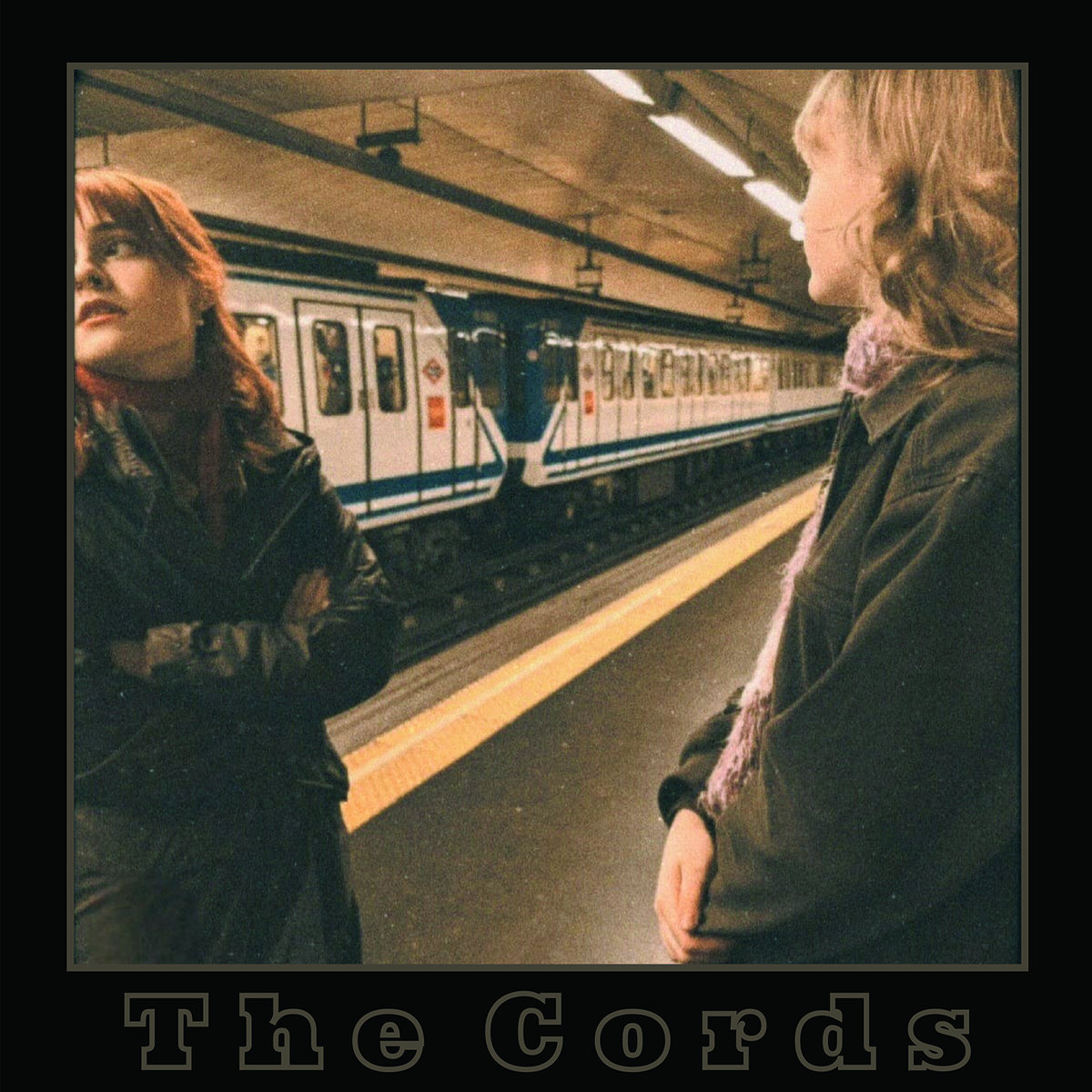
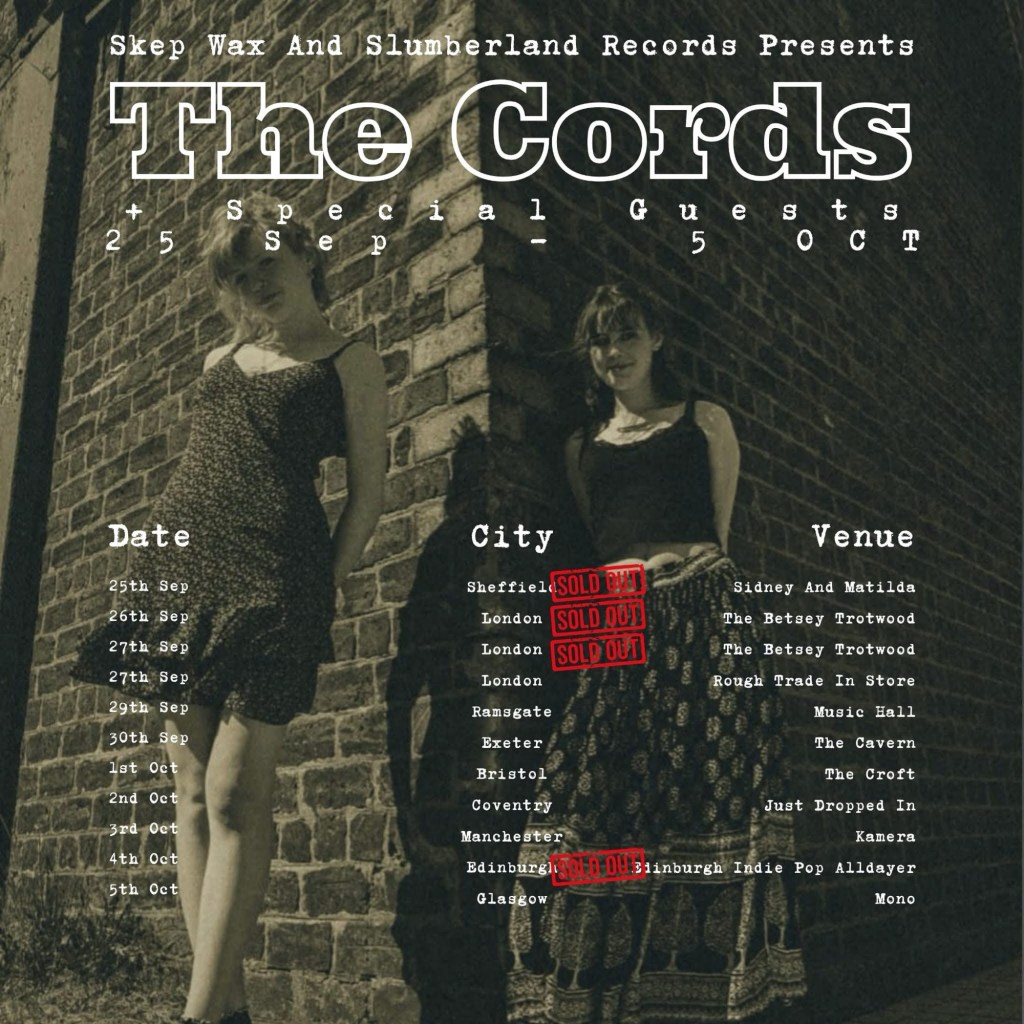
There’s something thrilling about a band who get it right straight away. No fumbling around with half-baked demos. No hiding behind big production. Just songs that leap out fully formed. That’s exactly what Eva and Grace Tedeschi have been doing since their first shows in Greenock. Sisters, best friends, and now the brightest new indiepop band in Scotland.
Raised in a house where the record collection was as important as the furniture, they grew up on bands like The Cure, BMX Bandits and Nirvana. The gigs their parents took them to left a mark and they knew deep down that they wanted to do it themselves, so they did. With Grace on drums and Eva on guitar and vocals, the songs came fast. The first cassette sold out in hours. Then came the flexi, same story. They quickly jumped from local band to opening for The Vaselines, Belle and Sebastian, Camera Obscura. It must be a thrill to know that even your heroes see your raw talent.
Eva once told me, “I would say we are jangly pop reminiscent of C86 or, as we were described recently, C24.” That cheeky tag feels right. You can trace the history if you want, Shop Assistants, Talulah Gosh, Orange Juice. But it’s the sense of freedom that stands out most. Loud guitars, loud drums, no filter.
I asked the band how they would describe the album to a new listener.
“Our album is a mix of happy, sad. Slow, fast. Punk, pop with a hint of shoegaze. It’s sound comes from the 80s and 90s Indie Pop spanning east and west coast Scotland, England and American with bright jangly guitars but with dark lyrics.”
That sounds right up my street. Let’s drop the needle and see where we go!
The album starts exactly where you would want it to. ‘Fabulist’ has that loose, chiming guitar tone they’ve already made their own. A crash of drums, then we’re racing. At first it feels breezy, a sweet rush of pop. Then you catch the bite. Eva is singing about liars, manipulators, people who spin the truth until it suits them. It’s sharp, political without slogans, and wrapped in a chorus that sticks for days. It’s the perfect scene setter for what’s to come.
‘Just Don’t Know (How To Be You)’ keeps the speed up, guitar and drums bouncing like they’re egging each other on. There’s something raw in the way Eva sings here, like she’s circling around a question she doesn’t really want answered. This is a song they’ve had for a while and it’s so good to hear that chorus bloom in the way they have it now!
It bleeds straight into ‘October’, which feels like a rush of caffeine straight to the head. Guitars and drums are racing each other, utterly frantic and full out youthful exuberance. Then the vocals come in and the assured, measured delivery gives us a complete contrast in approach. It’s over before you realise it but it sticks in your head.
Then comes ‘Vera’ a joyous sing along. I challenge you not to ba ba ba along. The chorus feels built for shared voices, the kind of thing that would light up a room at a gig. Eva’s guitar keeps the rhythm loose and jangly, giving space for the vocals to bounce. Grace drives it with tumbling drum fills, playful but sharp. There’s a scrappy energy that makes it stick. It’s easy to imagine this one spreading through a crowd, each person shouting the refrain louder than the last.
‘Doubt It’s Gonna Change’ simplifies things down to two vital chords delivered with passion. It’s punky in feel but always melodic. That stripped back approach gives the song a sharp sonic edge. Grace’s drumming hammers it home, clipped and urgent, while Eva layers her voice with just enough melody to lift us into the chorus. It feels alive, insistent and by the time it ends you’re left wanting it to start all over again.
Then ‘You’ shifts things again. The intro launches onto the speakers with raw scuzzy fuzz leading the charge. This harder sound forms our chorus too and my god it’s a potent combination. Eva digs right into the grit, her guitar spitting distortion that feels almost abrasive against the sweetness of her vocal lines. That contrast is the hook. Grace keeps it steady underneath, letting the fuzz do the heavy lifting while her drumming slices through the haze. The verses strip things back just enough to make the return of that wall of sound hit even harder. This is raw, fuzzy pop at its sharpest.
The midway point lands with ‘Bo’s New Haircut’, which longtime fans will know from their very first single. It still bursts with joy. The story of their family dog told with the kind of sparkle only The Cords could pull off. Hearing it here in the middle of the album feels like a celebration of how far they’ve come in such a short time. From Rock School shows to this moment. Let’s do the head shake!!!
‘I’m Not Sad’ is another bite size piece of pop perfection. It’s a glorious romp through and delivers even more glorious melodies. From the very first bar it feels like the sisters are grinning at each other across the room. The guitar jangle is bright and immediate, Grace’s drumming rattles with gleeful urgency, and Eva’s vocals ride on top with a delivery that sounds both breezy and biting. It’s over before you want it to be, but that just makes you hit repeat.
‘Yes It’s True’ then struts in with swagger. Big chords, confident vocals, a touch of shoegaze energy. This is a big switch in energy and tone buy somehow it feels completely natural, inevitable. The guitars come in thicker, chords ringing out with a fuzzy insistence. It feels like a band stretching out, showing they can push the boundaries of their sound without losing the heart of it. For that reason, it’s my album highlight.
‘Weird Feeling’ comes next, continuing that experimentation. You could almost call this a folk song but it shares DNA with the likes of Camera Obscura or Belle and Sebastian. Grace plays a blinder here stepping up to deliver a drumbeat that immediately sets this song apart. It’s looser, almost loping, giving Eva the space to let her guitar ring out in delicate patterns rather than jagged jangle. The melody has a wistful pull and there’s a conversational quality to Eva’s vocal, like she’s confiding in you rather than performing. It’s one of the most unexpected turns on the album and shows just how much range these two sisters already have at their fingertips. Ooh can I have another highlight please?
Then ‘Done With You’ brings us back. Short, sharp, and merciless. No wasted words, no wasted notes. These sisters don’t hang around when they’ve made their point. The whole track feels like a shrug thrown into song form, quick and cutting. The guitar scratches out a jagged riff, the drums clatter with pure momentum, and before you’ve fully caught the groove it’s over. That brevity is the charm. It’s the kind of song that shows how confident The Cords are becoming and they know exactly how long an idea needs to stick, and they don’t pad it out a second longer.
By the time ‘Rather Not Stay’ from that first single appears, things have opened up again. Dreamy, woozy, the chorus blossoms into something technicolour. It’s one of those songs that makes you sway, eyes closed, head tipped back. I’ve seen it live and it’s just as dazzling on record.
Closing track ‘When You Said Goodbye’ feels like the perfect ending. A tearjerker, but not in a melodramatic way. The melody is tender. It lingers, the kind of closer that makes you sit in silence for a minute before hitting play again. Eva’s voice carries a fragility and Grace dials her drumming right back in response. It’s heartbreak painted in the simplest strokes, which makes it all the more devastating.
What makes The Cords so special is the way it captures two sisters in conversation with each other. Guitar and drums, voice and rhythm, all bound by instinct. You can hear years of shared rooms and shared records in every bar. One moment it’s raw fuzz, the next it’s tender and hushed, and somehow it all fits. They move between joy, spite, heartbreak and humour with a confidence that feels both youthful and timeless. It’s rare to hear a debut that already sounds this lived-in. The references to indiepop history are there for those who want them, but the bigger truth is simpler. These are songs that make you feel. They get under your skin, lift you up, and leave you staring at the ceiling thinking about the words long after the record ends.
This is the sound of a band announcing themselves with complete confidence. Honest, loud, and alive. You’ll want The Cords in your life, because once it’s in your ears it doesn’t let go.
Tasmin Stephens has a knack for making the messy bits of life sound like something you can cling to. As TTSSFU, she broke through with the DIY brilliance of Me, Jed and Andy an EP stitched together in her bedroom, woven with Warhol-inspired imagery and raw diary entries dressed up in distortion. That release showed a songwriter already confident in her own imperfections, turning bruised relationships and failed flings into jagged, unforgettable songs.
Now 21, Stephens is back with Blown. It’s a louder, scruffier, and more upfront EP. This time she’s got her live band in tow and the added grit of Chris Ryan behind the mix. She’s just signed to the same label as Fontaines D.C. and Cameron Winter, but there’s no danger of her being swallowed up by any London machine. She still feels Wigan through and through, still scatty, still willing to stain her white dress with mud for a video shoot.
This is a record about being let down, getting obliterated on weekends, and pulling yourself together with your mates the next day. Or not pulling yourself together at all. That’s part of its charm.
The tone is set from the very first seconds of ‘Cat Piss Junkie’. Channelling The Clash for the bass riff it’s two minutes of scuffed guitars and snarled vocals that sound like they were left to rot in an alley overnight. The title nods to Ariel Pink’s knack for gnarly wordplay, but the song belongs completely to her. It’s a piss-take, a release, a dare. By the time it collapses, you’re grinning and already hooked.
‘Forever’ stretches out in comparison, riding a restless guitar line that refuses to settle. Stephens sings like she’s pacing the room, rehearsing an argument she’ll never actually win. The reverb blurs her words just enough that you’re left leaning in, straining to catch the sting. It’s a track that makes you feel sixteen again, caught between rage and euphoria, throwing yourself at feelings too big for your body. Let’s not forget that chorus. It absolutely soars.
The mood sours further on ‘Sick’. The guitars screech like they’ve got a fever of their own, the bass pressing down like nausea in your stomach. Stephens’ voice drifts somewhere between mockery and collapse, asking for sympathy and spitting it out in the same breath. The dark and sombre mood brings to mind early Breeders or Pixies, certainly in the bassline.
‘Everything’ is exhale that follows. The pace is measured, vocals finding there way along a bobbing guitar riff. Even when the fuzzy chorus comes in none of the tenderness is lost. There’s a sweetness under the haze, like she’s letting you peek at something fragile without fully handing it over. The song feels fleeting, gone before you want it to be, which only adds to its pull. It’s a moment of calm inside the storm
By the time we hit ‘Call U Back’, we are completely with her. In the embers of a relationship that she’s not quite done with yet. It’s one of her sharpest hooks yet, and proof of why she’s being tipped as one to watch. This is undoubtedly a grungy indie track but the chorus would sit happily in an electro pop chart hit. This is a quiet stunner and I’d like to hear more if this from Stephens in the future for sure.
‘Weekend’ dips into that moment at the end of a night out. What happens once the lights come on and it’s time to leave. This could almost be a warped folk song. The chord changes are sublime and have you swaying side to side. There’s a looseness to the delivery, like the words are half remembered through the haze. You can feel the hangover creeping in even as the song keeps grinning. It’s messy, tender, and strangely comforting, like sharing chips on the curb before the taxi home.
Closer ‘Being Young’ pulls the curtain with a lot of questions and a sigh. There’s a melancholy in its bones, that quiet recognition that being twenty-one can feel both endless and already over. Stephens doesn’t offer solutions, only snapshots. Long bus rides home. Bad decisions replayed in your head. Friends who are no longer with us. Friends who stick around anyway. It’s messy, imperfect, and absolutely spot on.
Blown isn’t polished. It’s not supposed to be. It’s the sound of a young artist holding her nerve, making records that reflect the chaos of real life, and laughing at the mess while it’s still dripping down the walls. Stephens has said that “blown” is a Wigan expression for when things go wrong. The magic here is that she turns that feeling into something worth celebrating.



















 Static Sounds Club