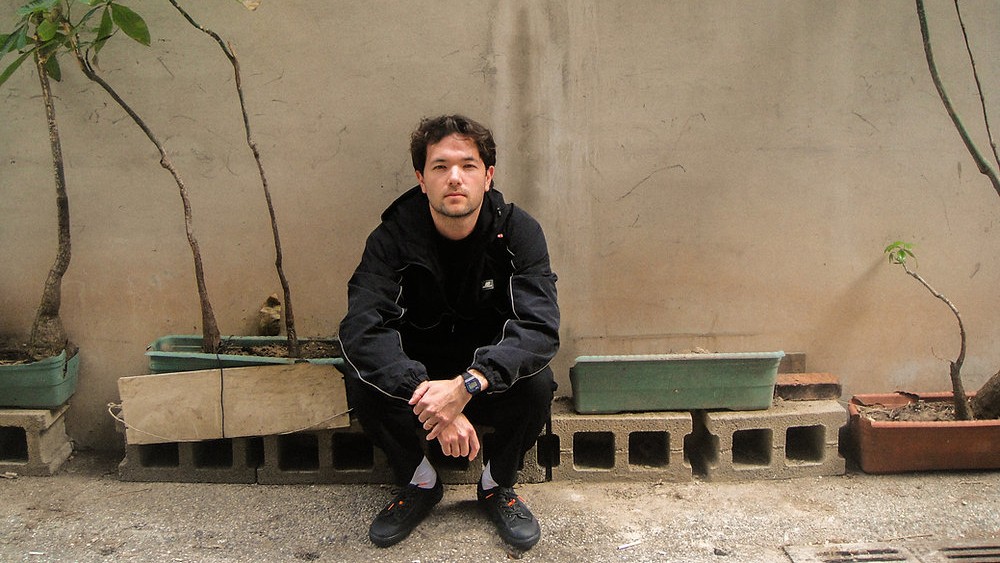
Ten years is a long time in the world of music. So can someone explain to me why it feels like only yesterday I was dropping the needle of Castlebeat’s self-titled debut album for the first time. I have been really looking forward to hearing Josh Hwang revisit the spirit of Castlebeat’s 2016 debut because he has always had a particular way of making amazing jangling bedroom pop. He led the way with his melancholy vocals and bright melodic hooks and gave it an identity of its own.
He’s spent a decade releasing records and running Spirit Goth Records with his wife Sonia which has only strengthened Hwang’s ear for tone and melody. CASTLEBEAT II finds him returning to unfinished ideas and self-imposed limitations from those early days, carrying all the experience gained since into the room with him.
Hwang wrote, recorded and produced the album himself, maintaining the personal approach at the heart of Castlebeat. This time, Brian Fisher took responsibility for mixing and mastering, requiring Hwang to release some of the control he has traditionally held over every stage of his music. You can hear the benefits throughout the record. The intimate character of Castlebeat remains intact, while the bass, drums, guitars and synths have greater definition. Hwang has described the album as “a 10-year anniversary ode to my 2016 debut,” with some songs originating in ideas left unfinished during that period. Others were written more recently using the sounds and choices he would have reached for back then. That distinction becomes less important once you hear how naturally these different points in his life sit beside one another.
Let’s drop the needle and dive in.
‘Awake’ provides an immediate reminder of why Castlebeat’s guitar tone has stayed so recognisable. Its clear, ringing notes carry the melodic language Hwang established on his debut, while the production reveals how much has changed during the intervening decade. The bass has a rich presence and every drum strike arrives with purpose, giving the track a firm rhythmic frame. Hwang’s voice remains the point of familiarity, soft around the edges and emotionally contained, with that slightly distant delivery he understood from the beginning. When he sings, “I’m moving slow / Faster you know / And I’m on my way home,” you get it immediately. He is heading back towards an earlier version of Castlebeat while bringing ten years of life with him.
A single guitar line leads ‘Garden’, repeating with enough melodic character to function as the chorus. Hwang lets that shiny motif do much of the talking, building the rest of the arrangement around its simple appeal. The bass and drums keep the song moving while his vocal sits comfortably inside the rhythm. The central guitar phrase returns often enough to become fixed in your head, yet each appearance gains something. Castlebeat has always understood how a modest idea can carry a whole song when its tone feels right. The final solo extends that thought with a glossier finish, adding a brief flash of colour before the track slips away.
Then ‘This Takes Time’ turns the nostalgia dial all the way up. This is my album highlight, a hyperballad filled with glowing synth tones, warm guitar and the emotional pull of an old photograph whose details remain clear. The music carries a distinctly 2016 atmosphere, recalling an era when dream pop and bedroom recorded indie shared a fascination with chorus-soaked guitars and washed-out vocals. Hwang understands those sounds from the inside because he helped define them. The arrangement gradually fills the space around his voice, letting the rhythm and melody settle into a slow emotional current. There is a sweetness here that avoids becoming overly sentimental.
‘Stay With Me’ brings the heart straight to the surface. Hwang describes it as being about “wanting someone to stick around when you can feel things starting to slip,” and that fear gives the upbeat arrangement a real foil. The bassline carries a clear Peter Hook influence, picking out its own melody while the guitars ring around it. Synths widen the arrangement and the drums move at full speed, creating one of the album’s most detailed constructions. Hwang’s vocal stays wistful and controlled, which makes the plea within the song feel genuine. He sounds like someone trying to remain composed while sensing a relationship moving beyond his reach. The hook arrives quickly and stays with you, supported by jangling guitar lines that keep the music bright.
The scale grows again on ‘Plastic Bag’, where Castlebeat steps beyond the familiar dimensions of bedroom pop. The guitars rise above the rhythm section and give the track a cinematic sweep, while Hwang keeps enough detail in the mix to preserve its closeness. A minor chord change caught my ear immediately. It alters the emotional direction of the song in a matter of seconds, adding a shade of uncertainty to music that appears ready to leave the ground. Hwang has spent the first half of *CASTLEBEAT II* looking back through rooms, relationships and old ideas. Here, the walls seem to disappear. ‘Plastic Bag’ shows how far the Castlebeat sound can travel while remaining recognisable from its first guitar note.
There is an unashamed eighties character running through ‘My Love’. Its synth tones and electronic glow would have fitted neatly into Stranger Things, though my own mind went somewhere more specific. I could see a video arcade at night, rows of illuminated machines throwing coloured light across the floor while the song plays somewhere above them. Maybe it’s from the combination of Hwang’s hazy vocal and the artificial warmth of the keyboards. The rhythm gives the track a steady forward motion, while the guitar adds a human texture alongside the electronics. Hwang understands how memory often attaches itself to places, colours and small sensory details. ‘My Love’ works through that same process, suggesting a complete scene without describing every part of it. You bring your own memories into the spaces he leaves open.
Hwang strips the construction back for ‘Table and Chair’, taking two chords and turning them into a miniature opus. The simplicity allows you to concentrate on the rhythmic detail, and the drums become one of the track’s defining features. Their electronic character brought The Postal Service to mind, particularly in the way each programmed beat contributes to the melody as well as the pulse. ‘Table and Chair’ holds its form with confidence, proving that complexity can emerge from the way sounds relate to one another rather than from the number of ideas competing for space.
The pace falls for ‘Soft Light’, and the album enters its most tender stretch. Hwang returns to romance with a song that takes you back to the exciting uncertainty of those early dates. The slower tempo suits that recollection, giving his vocal more room and allowing the melody to gather around it. Guitars and synths appear with restraint, keeping the focus on the emotional storytelling of the song. Its gentler approach gives the album a needed pause before the final two songs widen the emotional frame once more.
‘Sun God’ removes the drums and places Hwang’s voice over a thumping grand piano with only minimal percussion for company. The reduced arrangement makes his vocal sound enormous. Each phrase rises into the open space, carrying a weight that a busier production might have softened. The piano supplies pure physical force, striking firm chords beneath a performance that feels close to devotional. He sounds assured here, trusting the melody and the tone of his delivery to hold the song together. ‘Sun God’ becomes one of the album’s boldest moments through the deliberate absence of its usual rhythmic machinery.
‘Promise’ closes the record by turning towards whatever Castlebeat becomes next. The synths have a different character from those heard across the previous nine songs, carrying a more futuristic tone that suggests the act of reflection has reached its natural end. Hwang’s echoed voice sits beside them as though the past and future have briefly occupied the same space. Make no mistake though, the song still belongs within the Castlebeat lexicon, while its details point beyond the anniversary idea that has guided the album. There is something satisfying about hearing Hwang finish a record concerned with memory by opening a new possibility. The closing moments feel deliberately unresolved, giving you the sense that this is a pause between chapters rather than a final statement. If the debut supplied the source material and CASTLEBEAT II provided the opportunity to reconsider it, ‘Promise’ sounds ready to step outside that conversation and begin another one.
Across these ten tracks, Josh Hwang revisits the instincts behind Castlebeat’s debut with affection, discipline and a decade of greater technical understanding. The familiar guitars and wistful vocals are still present, joined by stronger bass, carefully placed drums and synth arrangements that give each song its own setting. Nostalgia provides the record’s subject rather than its destination. Hwang looks closely at the music he made, the person he was and the audience who stayed curious during the years between these albums. You finish the record thinking about your own decade, the songs that followed you through it and the unfinished ideas you may still want to revisit. CASTLEBEAT II looks back with clear eyes, then leaves its final door open. The second chapter has arrived, and ‘Promise’ suggests the next one is already being written.
CASTLEBEAT II is out now via Spirit Goth Records. You can check it out over on the Spirit Goth Bandcamp page.

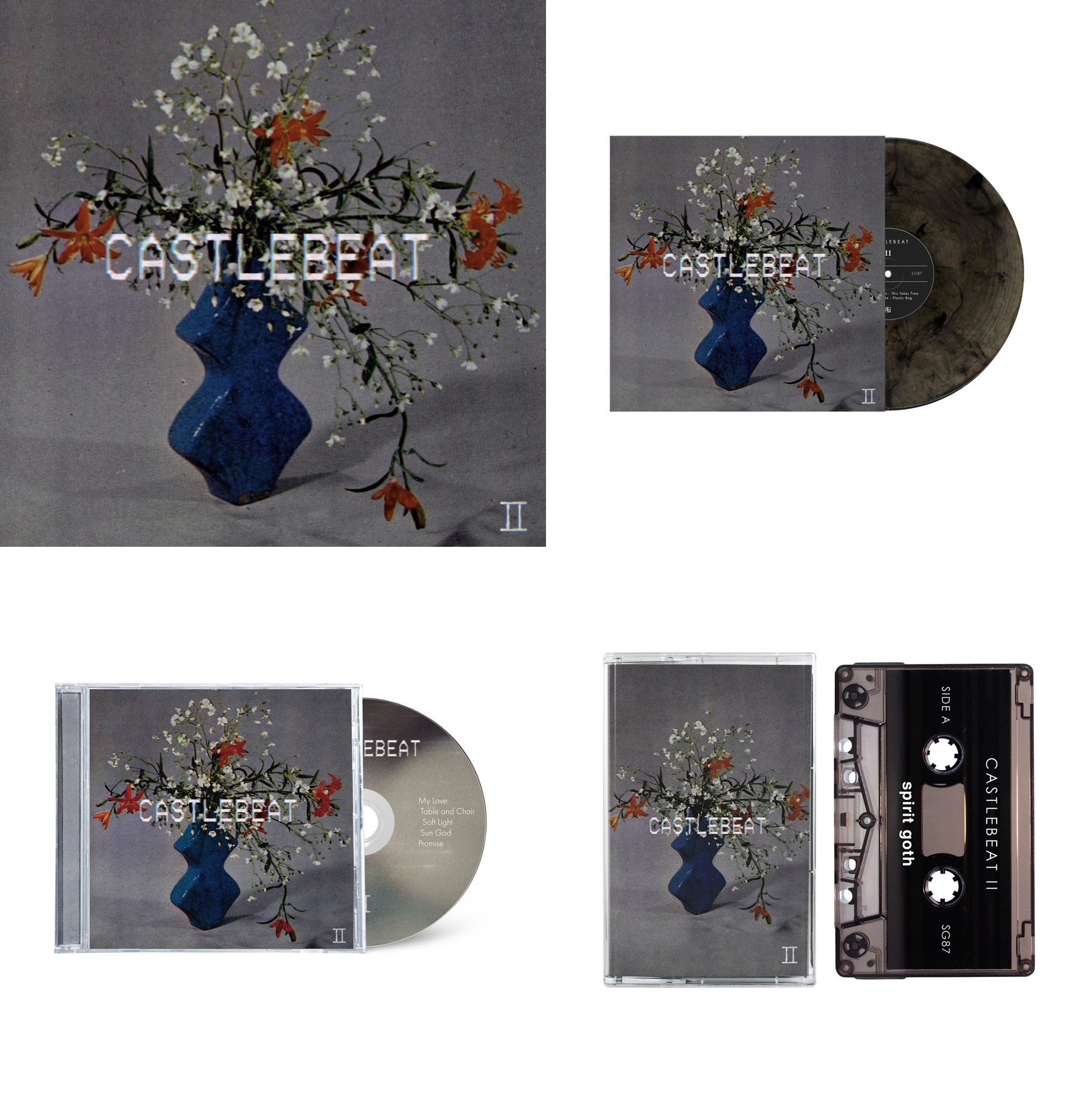
You can follow Castlebeat on social media here…
Discover more from Static Sounds Club
Subscribe to get the latest posts sent to your email.

