I’ve been a fan of the work of Andy Jossi for a while now. His ability to sculpt gorgeous soundscapes mirrored by his signature artwork is something to behold. I have followed The Churchhill Garden for years now but I have yet to dip into the world of The Blue Herons. Time to put that right.
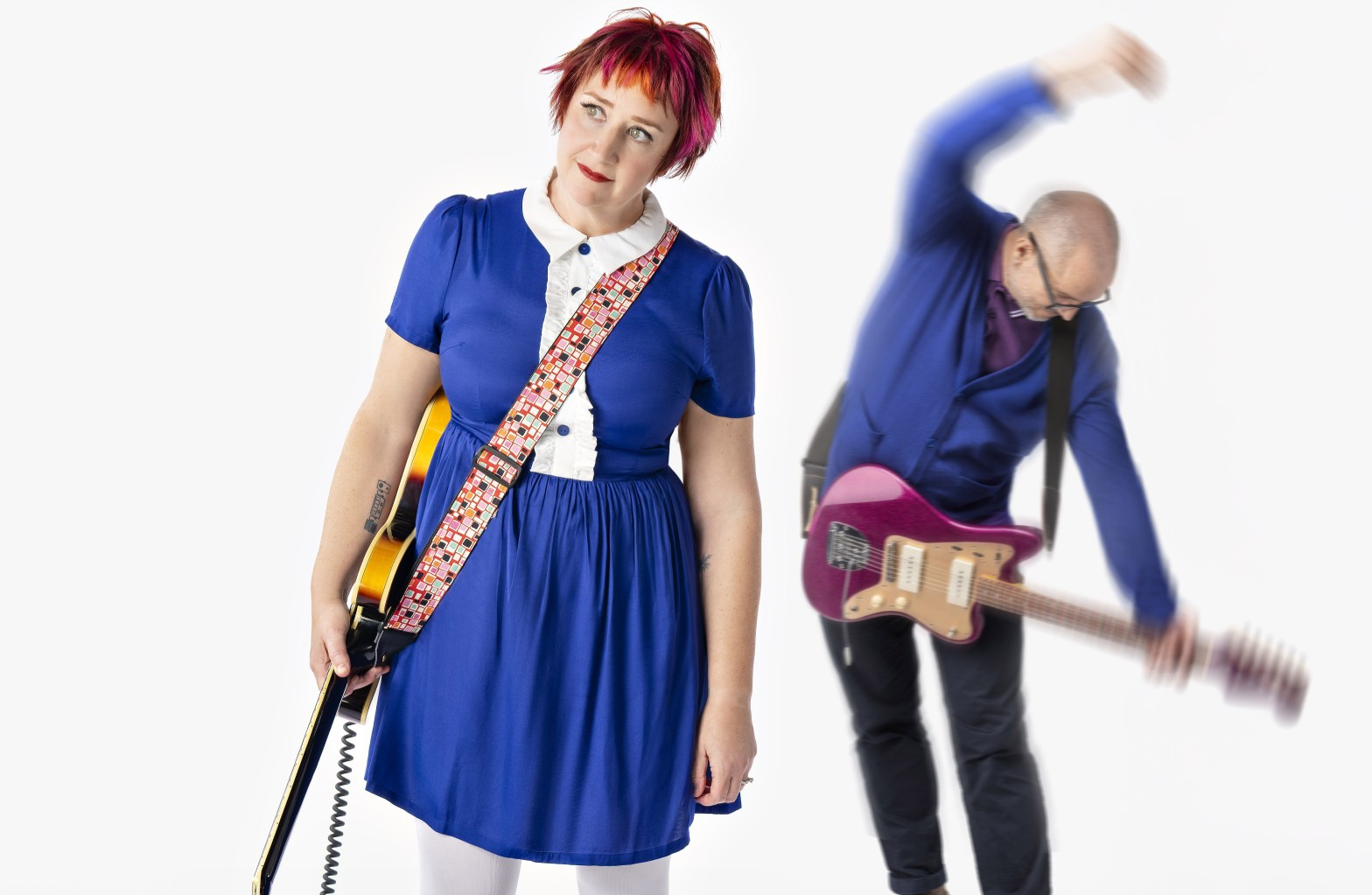
The transatlantic duo of Andy Jossi in Switzerland and Gretchen DeVault in the United States have been building their sound since 2020.Their work sits comfortably between jangle pop and dreampop, with lines of comparison being drawn between The Sundays and Alvvays among others. With their debut album Demon Slayer on the horizon via the label that never disappoints, Shelflife Records, this new single feels like a confident statement of intent rather than a tentative introduction to The Blue Herons
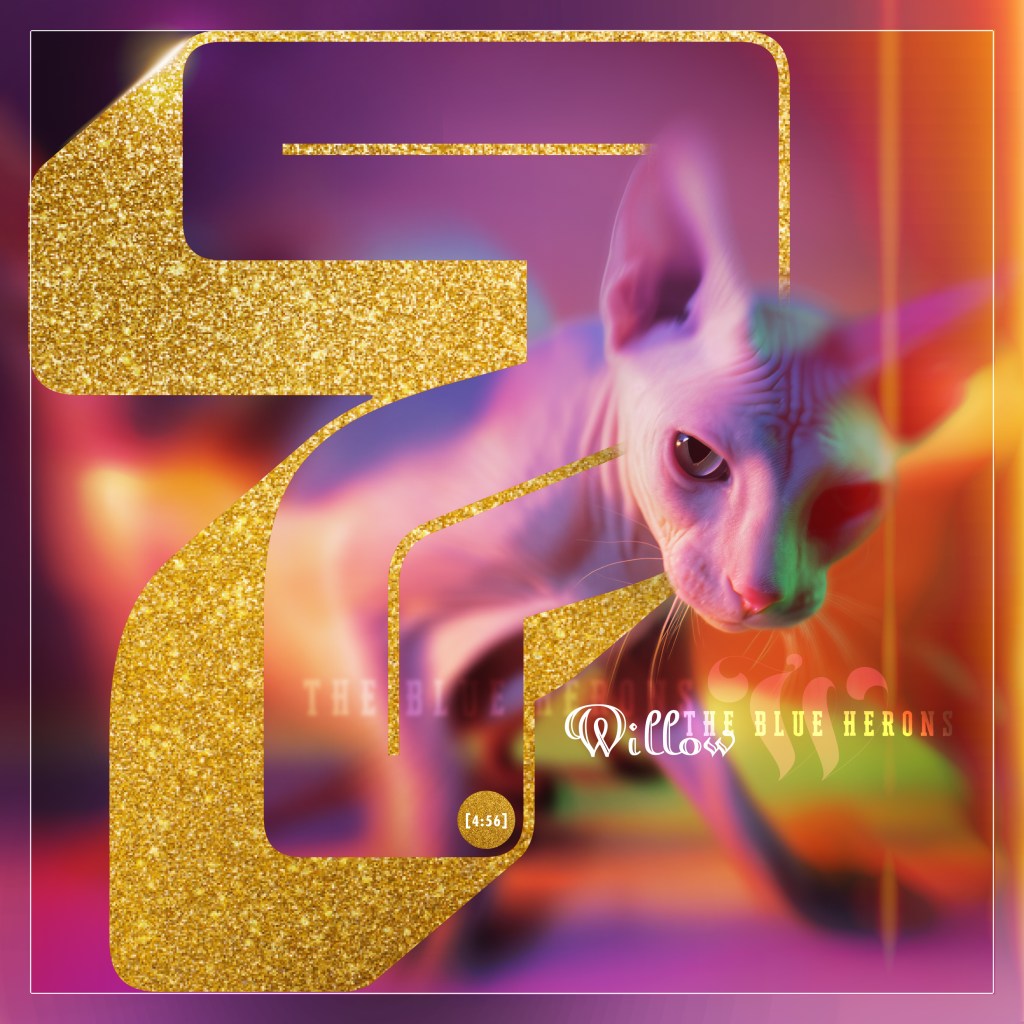
‘Willow’ arrives with a lightness of touch that immediately draws you in. The guitar line has that familiar glimmer that fans of classic jangle pop will recognise. There is a nice bounce to the rhythm that keeps the track buoyant, while the vocals sit cleanly in the mix, calm and assured, never fighting for space. DeVault’s vocals are the perfect foil for Jossi’s guitar work. Dreamy and punchy at the same time. In fact, the backing vocals toward the latter half add a soft cinematic edge, giving the final refrain a sense of majesty that is well and truly earned.
Knowing that ‘Willow’ was written and recorded remotely across continents only adds to its appeal. There is a sense of conversation embedded in the arrangement, ideas passed back and forth until they settle into something cohesive and emotionally direct. As a first taste of Demon Slayer, it suggests an album built on trust and intuition, where atmosphere serves the song rather than swallowing it whole.
If this single is any indication, The Blue Herons are setting up a record that’s going to be very exciting indeed.
I’ve really come to relish a really good psychedelic album. I love losing myself in the music and letting it take me on a journey in my head, free of the influence of lyrics. It’s like the soundtrack to your own movie. That is where Nook & Cranny place you with Karma Waters, a record that unfolds less like a collection of tracks and more like a long conversation between two musicians who know each other instinctively. Based in London but carrying a sense of the universe with them, Dean Cass and Matt Sullivan have built a world here that feels like nowhere I’ve never visited before.
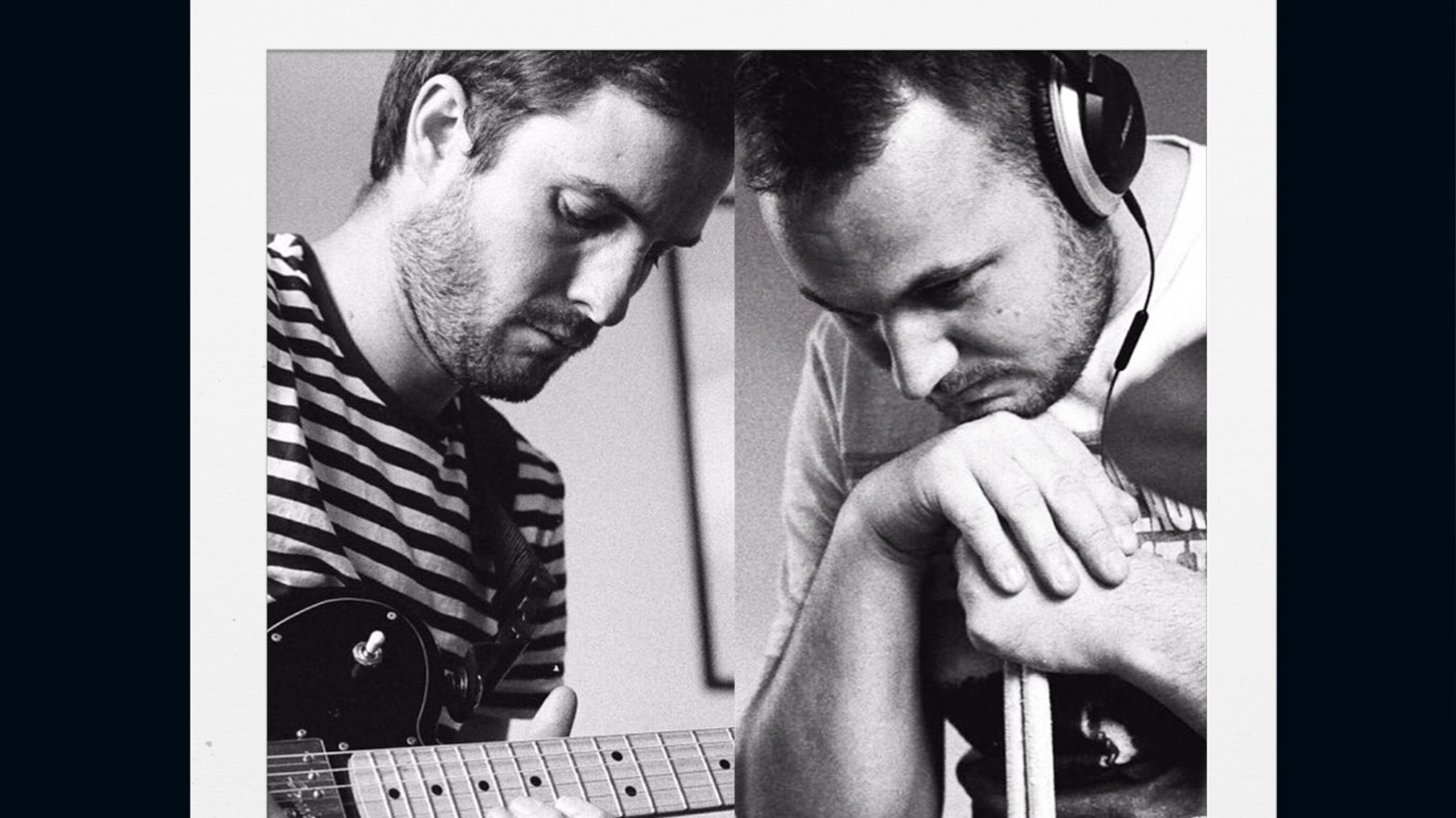
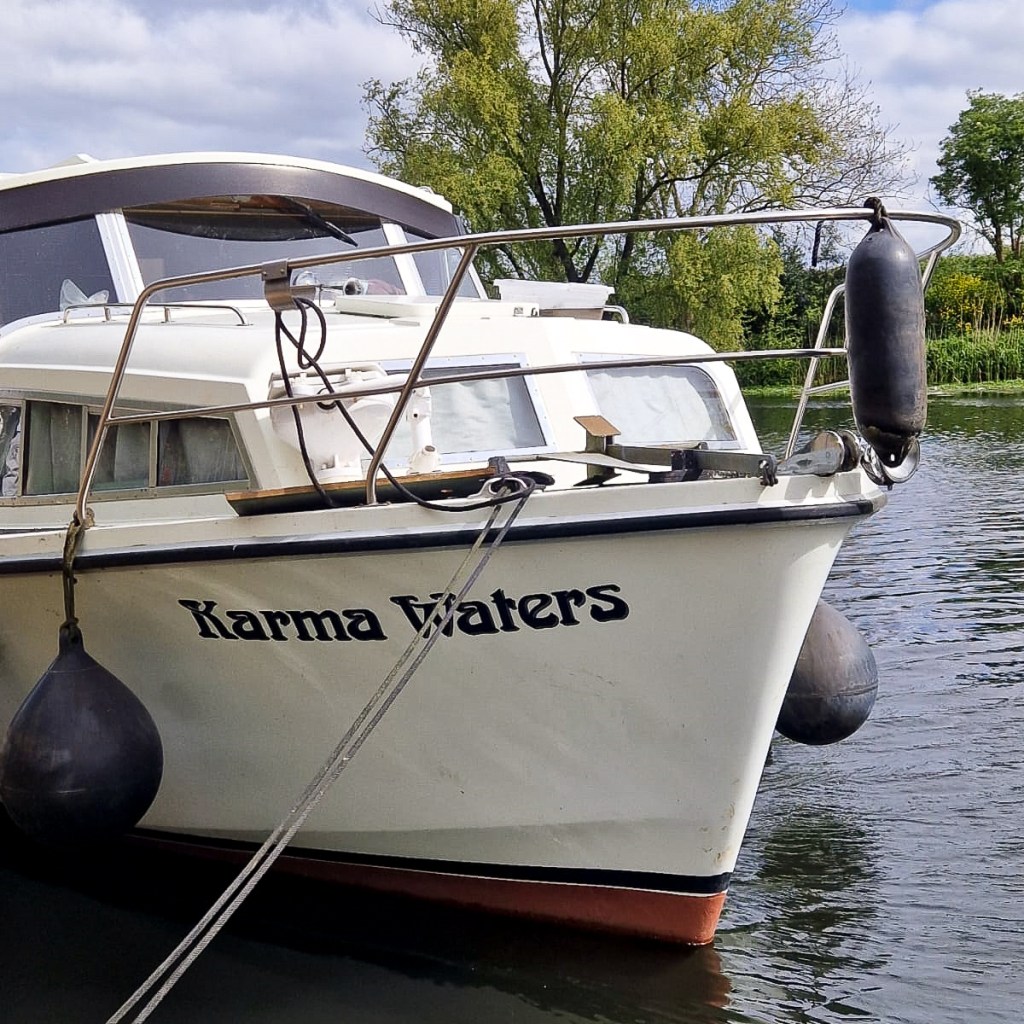
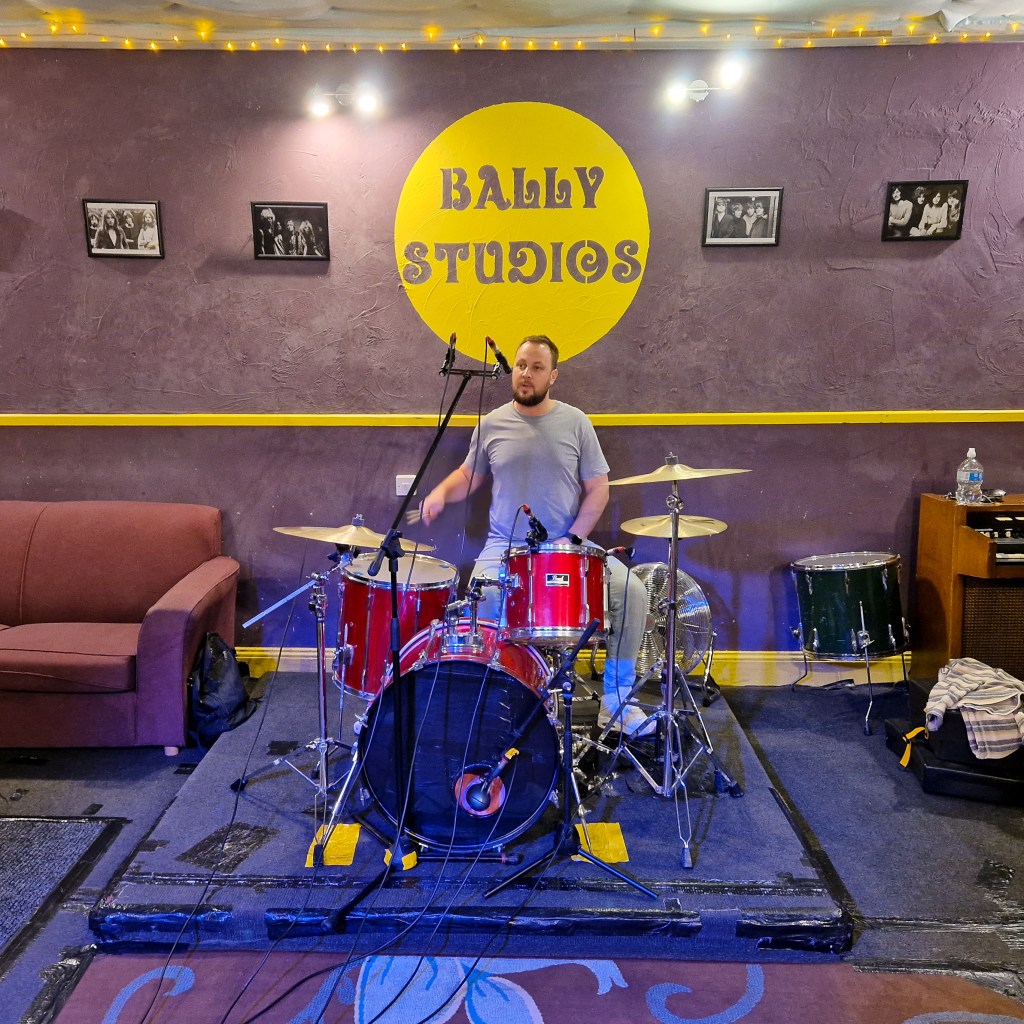
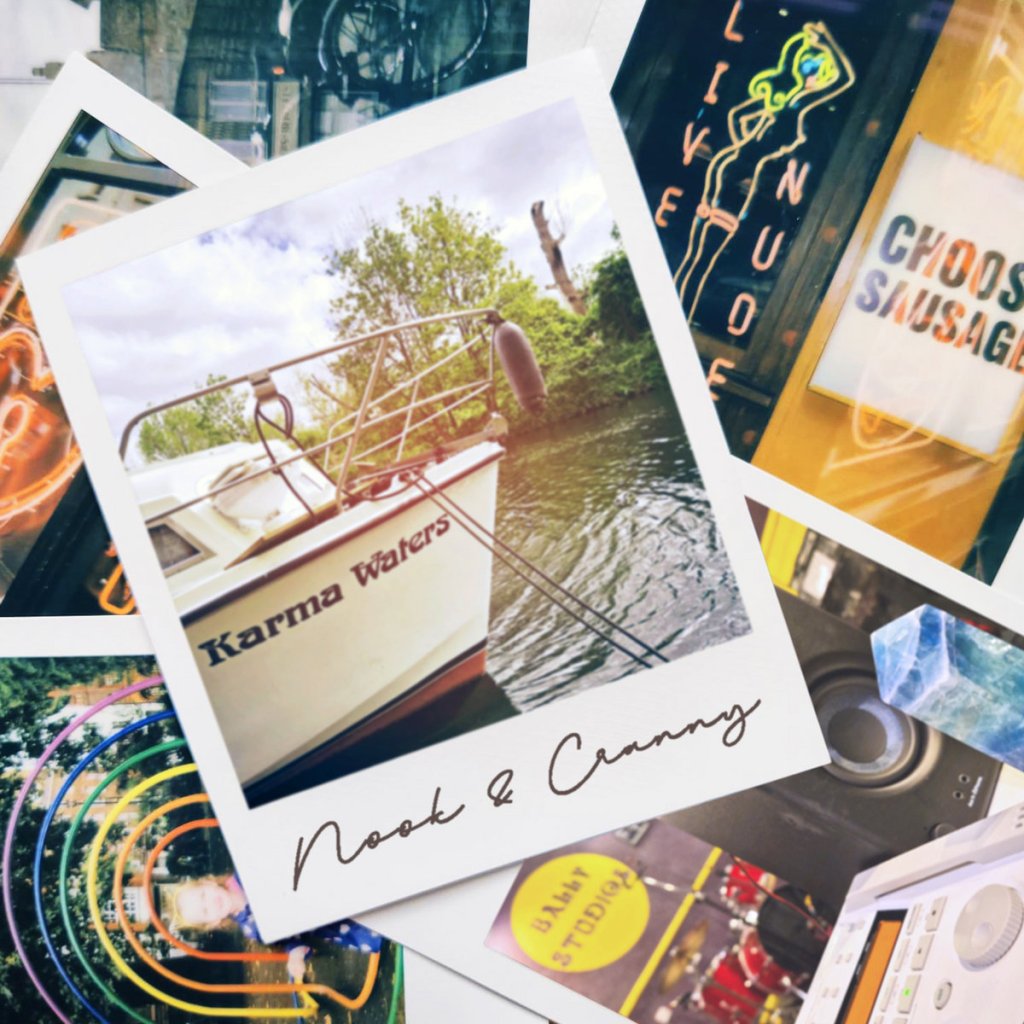
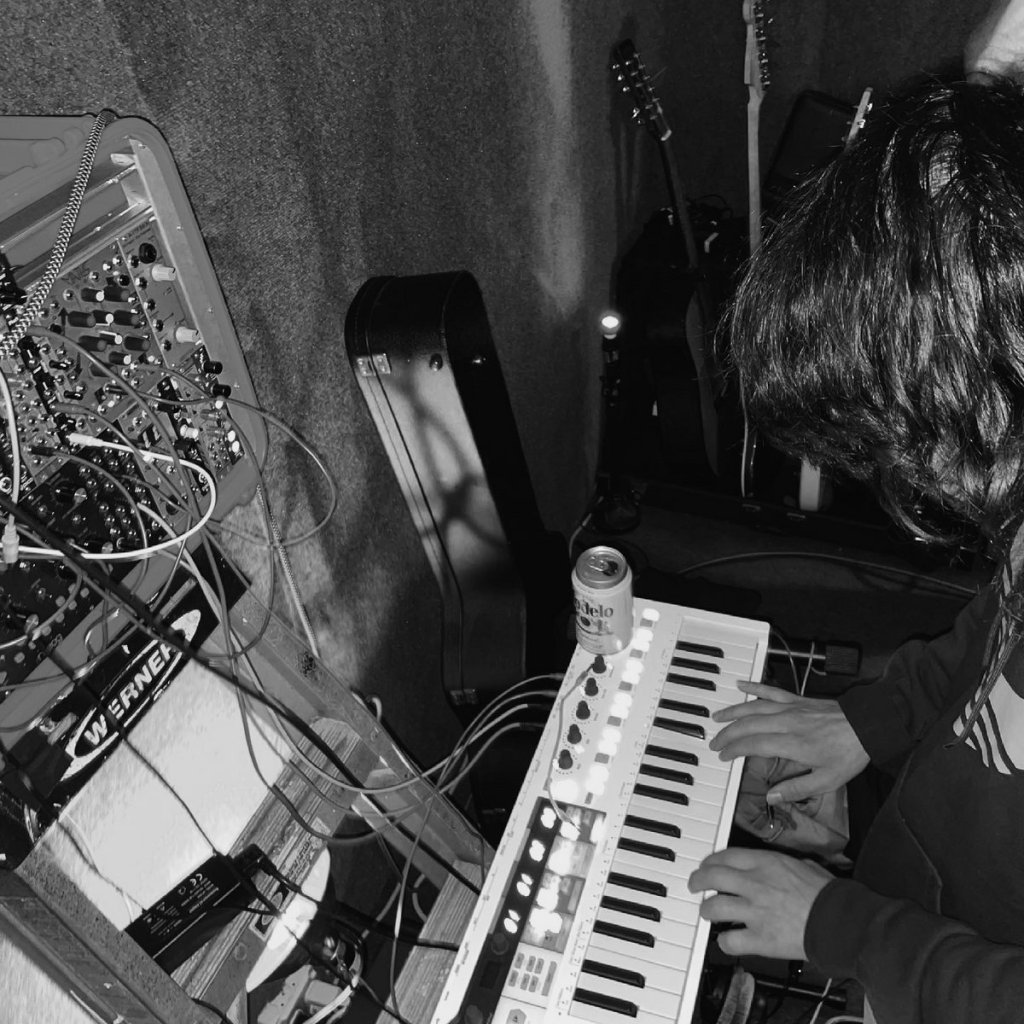
The pair first crossed paths back in 2009 in Fremantle, Australia, before both eventually settling in London and spending years together in projects like Silent Republic, Moon, and Astral Lynx. You can hear that shared past in how unforced everything feels. Nook & Cranny began as a side project, a chance to simply jam without expectation, but Karma Waters captures the moment when that freedom was allowed to stretch into something more intentional. Recorded across four improvised sessions at Bally Studios in early 2024, the album leans fully into instinct. Guitars and drums were tracked live with no rehearsal, later shaped and refined with minimal overdubs at Matt’s Flighthouse studio. Even the title comes from chance. Karma Waters was the name of a boat moored beside the studio canal, a small detail that somehow ends up feeling central to the record’s character. Here’s how the lads describe the album.
“Karma Waters is a sprawling cinematic & instrumental journey exploring themes of space & time, reminiscent of late 60’s/early 70’s era Pink Floyd. The intention of the album was to capture two musicians in the “flow state”.”
“The guitars & drums for all songs on the album were improvised & recorded live during jam sessions with no prior writing or rehearsing, with minimal overdubs (such as bass, synth and samples) added later.”
Let’s set sail on Karma Waters and see where the four winds take us.
‘We Choose To Go To The Moon’ opens the album and immediately sets the scale of what you are stepping into. It doesn’t rush to make a point. Instead, it slowly lifts off, Dean’s drumming settling into a steady, exploratory motion while Matt’s guitar lines circle and expand. There is a sense of anticipation here, like the moment before leaving solid ground. The JFK speech samples add to that. Themes emerge, recede, then return slightly altered. This is my first step into the world of Nook & Cranny and already I’m hooked.
The title track ‘Karma Waters’ deepens that feeling of movement. There’s a gentle ebb and flow to it, as if we have fallen from the sky and are now slowly twisting and turning in the open ocean. No fear, no panic just being. Guitar tones ripple outward, bass lines quietly anchoring everything beneath the surface. This feels like floating, not drifting aimlessly, but being carried by something you trust. The improvisational core is clear, yet nothing feels loose or unfocused. It is two people listening closely, responding in the moment.
‘Heir To The Throne’ introduces a slightly darker undercurrent. The rhythm tightens, the guitar takes on a more insistent voice, and there is a sense of tension in the narrative, though it never spills into aggression. If the earlier tracks felt like departure and travel, this one feels like arrival somewhere charged with expectation. There’s an irresistible ascending melody motif that appears near the end that just melted me. This is a massive album highlight for me.
By the time ‘Lucid Eye’ comes into view, the album feels fully awake. There is clarity here, a sharpening of focus. The interplay between drums and guitar feels almost conversational, each phrase answered with another that nudges the music forward. It brings a sense of awareness, like suddenly realising where you are in the journey. Small details become more noticeable. A shift in cymbal work. A subtle change in tone. It invites close listening, rewarding patience with moments that feel quietly revelatory.
‘Mercury’ leans back into motion, quicker on its feet, more fluid. There is something itchy and restless about it, a sense of changeability that suits its name. The guitar lines shimmer and bend, never settling for long, while the rhythm section keeps everything just grounded enough to stop it floating away completely. It feels like a turning point, the album acknowledging impermanence before moving on.
At a meagre (in comparison) three minutes, ‘Primitive Pistols’ is the shortest piece on the record, and it works almost like a palate cleanser. The drums feel like they are dying to rip loose but restrain themselves. The energy here is different. Less expansive, more physical. It arrives, makes its point, and steps aside, resetting our ears for what follows.
‘Found & Lost At Sea’ returns to long form exploration, becoming the emotional centre of the album. There is a searching quality to it, a sense of scanning the horizon. The music rises and falls, sometimes feeling assured, sometimes uncertain. It captures that strange duality of being both confident in your direction and aware of how easily you could lose it. The improvisation feels especially alive here, like the band are discovering the track alongside you.
‘Embryo’ feels like a moment of renewal. There is a gentleness to how it unfolds, themes forming slowly, as if being tested before they are allowed to grow. It carries a sense of possibility, the idea that something new is taking shape beneath the surface. The restraint shown here is striking. Nothing is overstated. Everything has its own space on the sound stage. Everything is allowed to breathe.
The album closes with ‘Distant Galaxy’, and it feels like a natural conclusion rather than a grand finale. Expansive without being overwhelming, it pulls together the record’s recurring ideas of travel, reflection, and space. The sounds stretch outward, creating a feeling of looking back at everything you have passed through from a great distance. When it finally fades, there is no sharp ending, just a sense of arrival and acceptance.
What makes Karma Waters so absorbing is not just its sound, but the way it invites you to create your own internal story. Because it is wholly instrumental, the narrative is yours to shape. One listen might feel cosmic, another grounded and earthly. That flexibility feels intentional, born from the way these pieces were first created in the moment, without a fixed destination. By the end, the album leaves you calm, attentive, and quietly changed. Like standing by still water and noticing how much has shifted beneath the surface while you were watching the reflections.
Karma Waters is out now via Flighthouse Records. You can check it out over on the Nook & Cranny Bandcamp page.
You can follow Nook & Cranny on social media here…
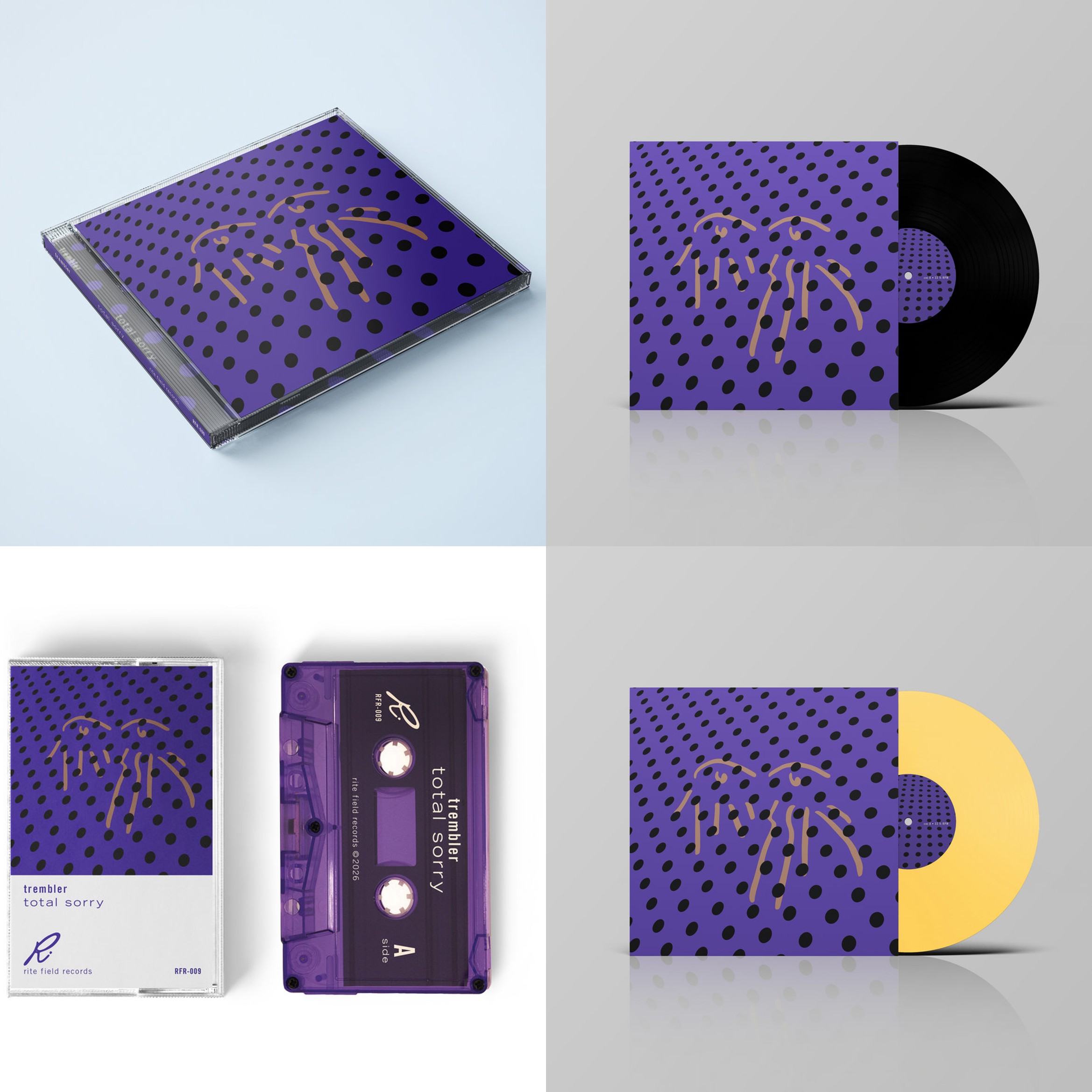
Houston, Texas four-piece Trembler have just signed to the tremendous Rite Field Records. The band consist of Luke Gonzales, CJ Anderson, Ceej Burton, Martin Long, and Nathan Dietrich and are set to release their Total Sorry EP to the world.
Trembler are a new name to me so I pressed play on this release with some intrigue. From what I understand this EP is a pivot in both the bands approach and sound overall. Their 2022 album Folding, produced by Corey Coffman of Gleemer fame, straddled the worlds of emo and the widescreen pomp of post-rock. On the topic of this release bandleader Gonzales explains.
“Losing my closest friends, having my view of something that consumed so much of my life splinter and leave, and wondering whether it was hollow all along. Generally, a good representation of the central feeling I was trying to capture on this EP. It’s sad, but in my opinion, sober in its acceptance that how things were are over now, in an attempt to move on.”
‘Like Sugar’ opens the EP like an amuse bouche. This is a spoken word piece and is backed with a melody that could soundtrack a French arthouse movie from the 90’s. The band are creating a mood here. Setting our expectations for the musical world we have entered. It’s a dark world this one, one of loss and coping, just and no more. This is a bold choice for an opener but it pays off.
The title track ‘Total Sorry’ deepens that mood. They take Midwest emo and strip it way back. Guitars pick out the sadness whilst atmospheric swells lift us when needed. Then when the drums come in you get it. The band have built this wall of noise that only becomes apparent when you get up close and personal. I’m such a fan of how this song is arranged.
The guitars have a definite metallic tone on ‘The Gonzales Shoulder’. The melody however reminds me of Death Cab for Cutie, high praise indeed. The band bring a heft of their very own to this sound. Trilling guitars crash into chugging riffs as heavy as lead and as the song progresses things just get dirtier and scuzzier. Love this one.
‘Wilt’ arrives as the emotional centre of the EP. Released ahead of the full record; it makes complete sense heard in context. Soft guitars and vocals reflect on loss with a steadiness that feels grounded in faith that this too shall pass. Gonzales has spoken about this song as an act of acceptance, and you can hear that clarity throughout. This is not a song about fighting grief. It is about acknowledging that something has ended and choosing to move forward anyway.
‘Love Leave The Body’ closes the EP with a flourish. We are now in a heavy shoegazey kinda place and I’m loving it. This song really comes to life when you crank the volume. The band pull it all back mid song to really let us feel those vocals. When it kicks back in its like diving headfirst into sound. What a way to finish out.
Listening back, what stays with you is not just individual moments, but the way this EP hangs together as a whole. Each track feeds into the next, building a clear emotional through line without spelling everything out. It feels personal without being insular, heavy without being overwhelming. For a band new to my ears, Trembler have made a strong case for attention here, delivering a record that understands restraint as a strength. Whatever comes next, Total Sorry proves there is nothing apologetic about where Trembler are right now.
I first came across Selkie when she reached out about ‘Hours’. That song struck me straight away. It held this gentle confidence as if she had finally settled into a musical space that felt completely hers. It still sticks with me. The restraint. The careful layering. The sense that she had taken the long route to reach something simple and true.
Since then she has kept moving. Pianos in Glasgow. Bedroom studios in Berlin. A run of shows across Japan. Every city adding something new without ever pushing her away from that calm core she seems to write from. Her music has always felt like the product of someone tuning back into themselves after years of holding their breath.
Her new single ‘Heartspeak’ arrives as a companion to that world but takes things in a quieter direction. It leans into stillness and connection. The kind of song that feels like a private moment that somehow found its way onto tape.
‘Heartspeak’ opens with a voice so close you feel like she is about to whisper a secret just for you. A soft synth pad sits underneath Everything is pared back to the essentials. Nothing crowds the vocal. Nothing interrupts the softness. When she sings “We swam in the night, we swam in stars” the whole scene forms instantly in your head. That line comes from a real moment she carried with her. Floating out at sea in total darkness surrounded by bioluminescent plankton. A moment that should have been frightening yet somehow wasn’t. That surreal beauty makes perfect sense once you hear the song. There is no fear in her voice. Only awe. The chorus pulls everything into one clear thought. “This is how our hearts speak.” The line lands with a warm weight. It sums up the whole song without trying to explain anything. You hear two experiences that changed her. You feel both the wonder and the fear she carried through them. And in the middle of all that, the connection she wanted to hold onto.
‘Heartspeak’ was released back in November but the video has just been released and you can check it out below.
What I love most is how natural it all feels. Nothing is pushed. Nothing reaches for a grand moment. The impact comes from the quiet. From the closeness. From the way she shows trust through small details. It’s Selkie at her most open.
‘Heartspeak’ feels like the clear next step for her. A reminder that she doesn’t need scale or volume to create something moving. She just needs space and a story worth returning to. This one has both.
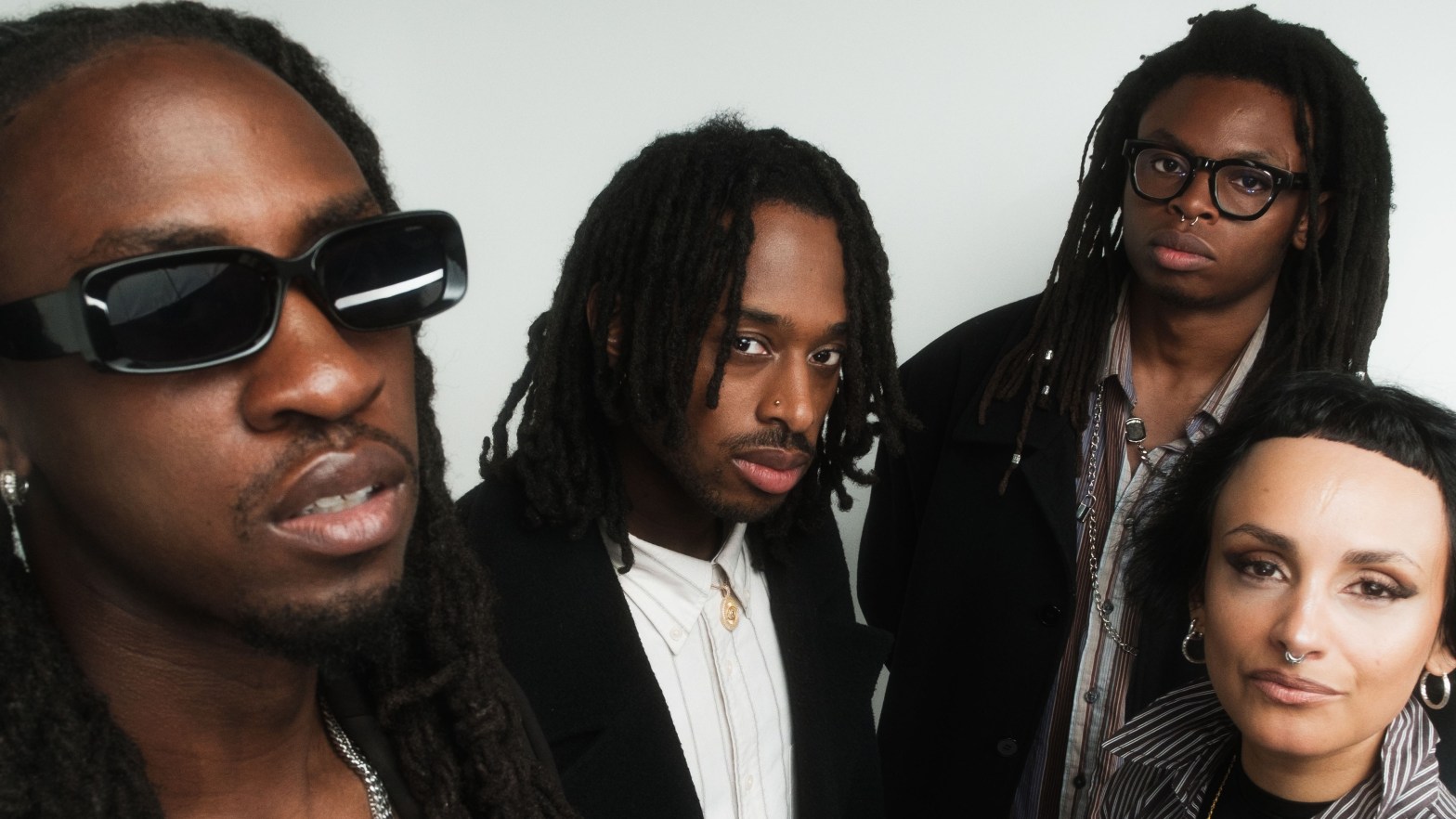
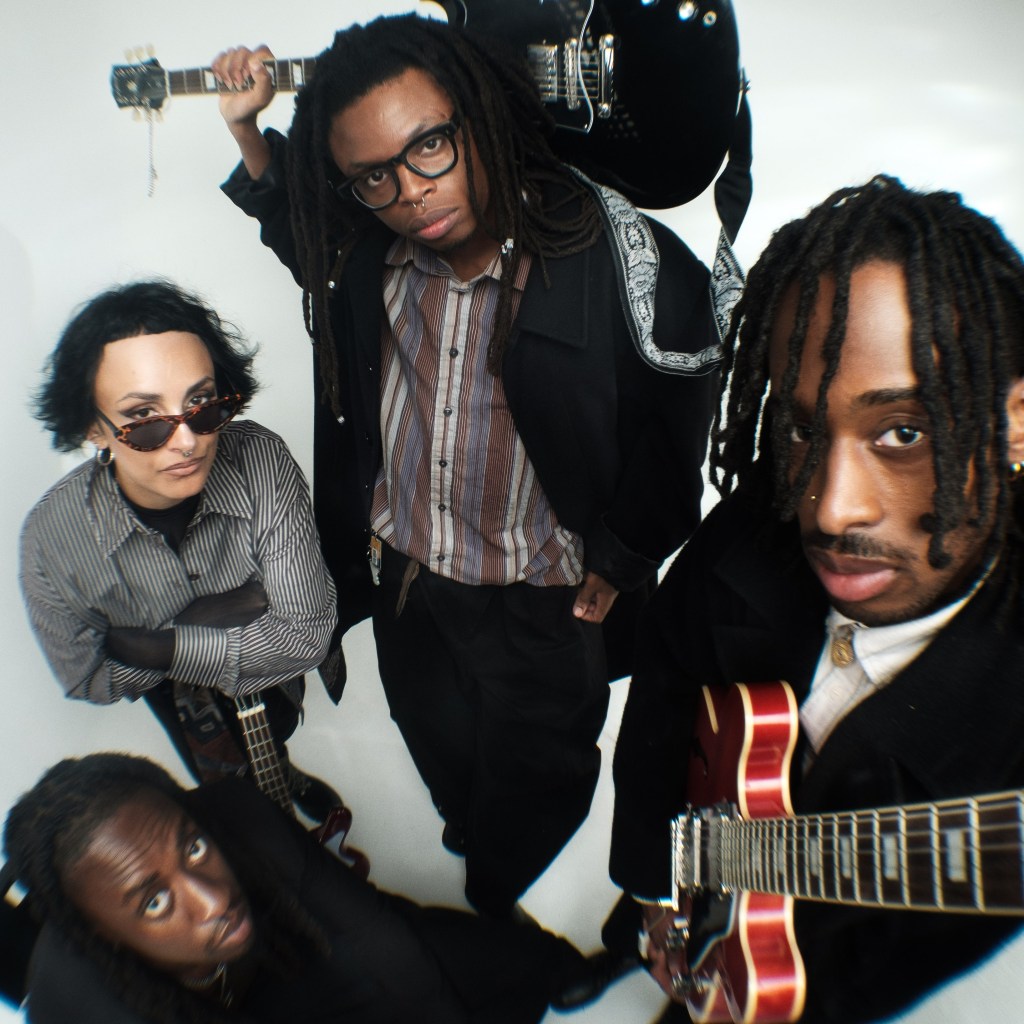
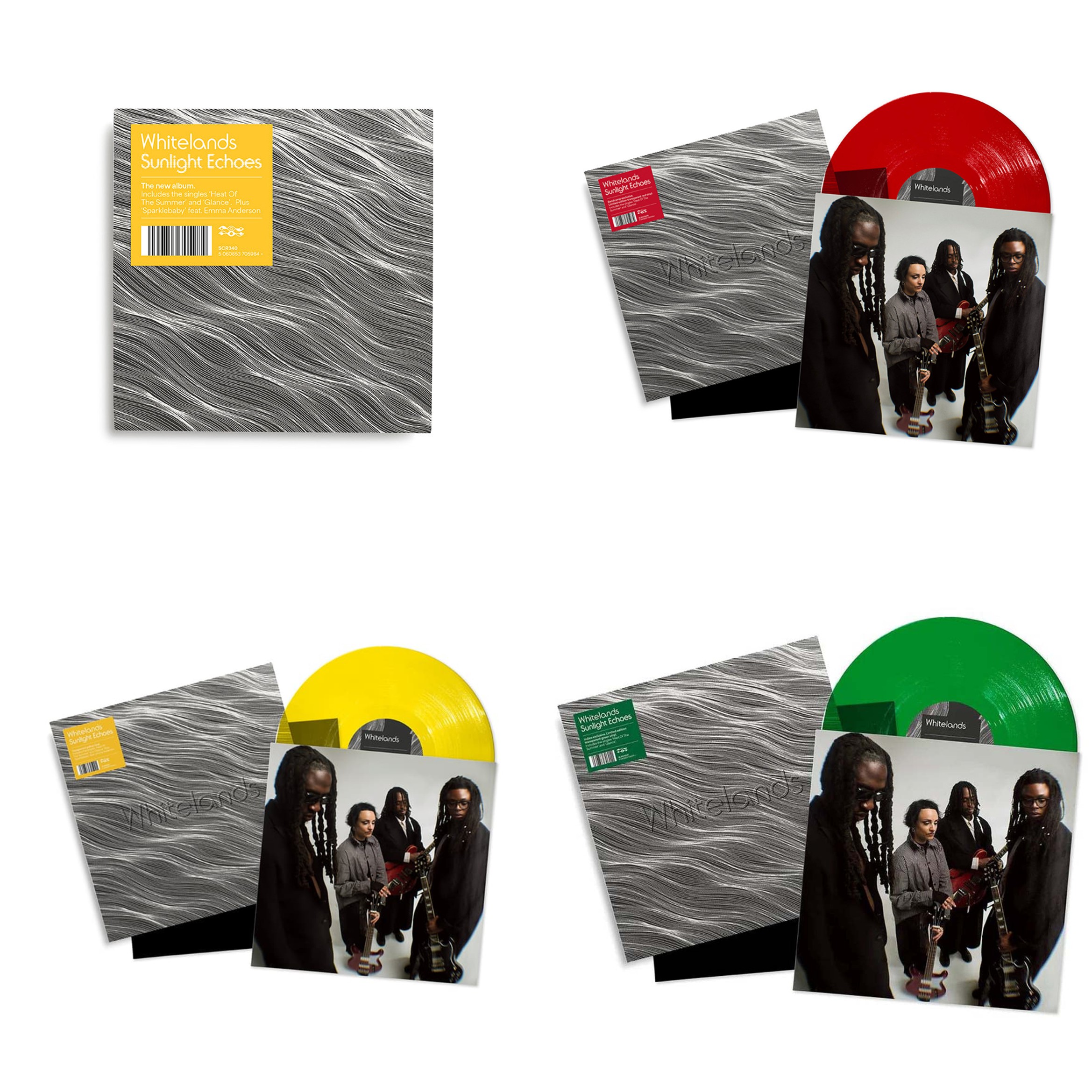
Whitelands are back with their second album carrying a sense of assurance that only comes from time spent learning who you are as a band. The London based four-piece are made up of Etienne Quartey Papafio on guitar and vocals, Jagun Meseorisa on drums and backing vocals, Vanessa Govinden on bass, and Michael Adelaja on guitar. From the outset, Whitelands have operated in a space that values emotion and atmosphere as much as volume, drawing from shoegaze while never allowing themselves to be boxed in by it. There has always been a thoughtful quality to how they present their music, one rooted in social awareness and empathy.
Before their debut album arrived on the ever-amazing Sonic Cathedral label, Whitelands built steady momentum through a run of singles that showcased different sides of their sound, each one adding a little more weight and intention. That groundwork paid off in 2024 with Night bound Eyes are Blind to the Day, a record that leaned heavily into nocturnal moods and inward reflection. It was an album that trusted stillness, layering dreamy guitars with literary lyrics and a sense of quiet confidence. You could hear a band finding their voice in real time, unafraid to sit with difficult emotions or subject matter.
The shift began soon after. The single ‘Heat Of The Summer’ arrived not as a rupture, but as a change in posture. The haze lifted, the melodies stepped forward, and Etienne’s vocals moved from a gentle murmur to something more direct and brimming with confidence. It felt like Whitelands turning outward, embracing movement, warmth, and immediacy without losing their emotional core. That moment now makes complete sense in hindsight, because Sunlight Echoes grows directly from it, capturing a band in motion, expanding their palette while holding onto the intent and sincerity that first drew people in. The band recognise this in themselves with Etienne himself saying,
“We’re coming back with a lot more maturity and realness, it shows how much more emotional our music has become.”
Let’s drop the needle on this one and see where it takes us.
‘Heat Of The Summer’ opens the album with a sense of forward motion that feels deliberate and confident. You already know this track, but placed here it does important work. It sets the tone for what follows, not just sonically but emotionally. Etienne’s vocal sits higher in the mix, clearer and more assured, and that decision alone signals a shift. This feels like Whitelands stepping out into daylight, not abandoning introspection but carrying it with them as they move.
‘Songbird (Forever)’ deepens that feeling rather than softening it. There is a tenderness to this track that hits quickly, helped by the string arrangements which lift the song without ever overwhelming it. It feels devotional in the broadest sense, focused on connection, gratitude, and the people who hold you up when things start to slip. It is one of those songs that feels personal even when you know it’s not about you.
The short and sweet ‘Shibuya Crossing’ acts as a brief pause next. This one is all atmosphere and texture. It feels like we’re listening through a fog and capturing this early morning moment in the city, before the world arises and we are unsure of our place in it.
That unsettled feeling now finds its voice on ‘Glance’. This is where Whitelands lean into restraint, letting suggestion do the heavy lifting. The song circles around missed chances and imagined outcomes, capturing that familiar ache of something that almost happened. The guitars are gentle but persistent, and the rhythm never rushes the emotion. Etienne’s delivery here feels particularly powerful, as if he has been holding something back too long and is no spilling it all at once.
A shoegaze legend pops up on ‘Sparklebaby’ next. Emma Anderson of Lush fame, brings a new dynamic into the album. Her presence adds a soft counterweight to Etienne’s vocal, and the two voices complement each other in a way that feels natural rather than symbolic. This track has a warmth, both musically and emotionally. It plays as a celebration of togetherness, of shared effort and shared survival, and there is a real sense of ease in how the band let the song unfold.
‘Blankspace’ marks a turn inward. The brightness that carried the opening half of the album comes into sharp focus here, growing into something heavier and more contemplative. The song deals with mortality head on, but it does so without melodrama. The arrangement is so upbeat throughout and the song just gallops along. What is becoming obvious at this point in the album is the sheer quality of the choruses. There are more hooks on here than on Captain Hooks coatrack.
‘I Am No God, An Effigy’ is one of the emotional centres of the record. There is a rawness here. The song grapples with loneliness, self-perception, and the difficulty of sitting with yourself when distractions fall away. Musically, it balances the sonic build and release beautifully, with moments that feel close and claustrophobic opening out into something more expansive. Again, the chorus here is incredible with the guitars sounding like synths and soaring to the heavens. I’m breathless.
As we enter the closing stretch of the album ‘Dark Horse’ carries the weight of the outside world with it. The subject matter here is heavy dealing directly with the genocide in Gaza, and the band treat it with the seriousness it deserves. There is grit in the guitars here, a sharper edge that cuts through the warmth of earlier tracks. The song doesn’t offer easy answers, nor should it. What it does though is demand attention, grounding the album firmly in the reality it was created in rather than letting it float away on abstraction.
‘Mirrors’ pulls influence from emo and hardcore without losing the band’s core identity. There is a physicality to this track that feels new, especially in the way the rhythm section drives it forward. I would also say there’s a distinct eighties feel to some of the melodies, especially in the verses. The chant of the chorus sounds like it’s being ripped from Etienne’s very soul. For me his finest vocal performance on the album.
‘Golden Daze’ closes the album with a sense of quiet optimism. It settles into a feeling of endurance, of choosing hope even when certainty is out of reach. The arrangement feels open and unforced, allowing the album to exhale rather than announce its ending. It is a fitting close to a record that has spent its time moving from shadow into light without pretending the shadows ever fully disappear.
What makes Sunlight Echoes so compelling is how human it feels. This is a band unafraid to show growth, doubt, joy, and discomfort in the same breath. The songs hit quickly, but they also reward time, revealing new details with every listen. Whitelands have taken everything they learned from their debut and pushed it outward, sharpening their melodies while deepening their emotional reach. It is music made with conviction and heart, the kind that quietly embeds itself into your days. Even when the album ends, the warmth remains, proof that some echoes are brightest when they come from the sun.
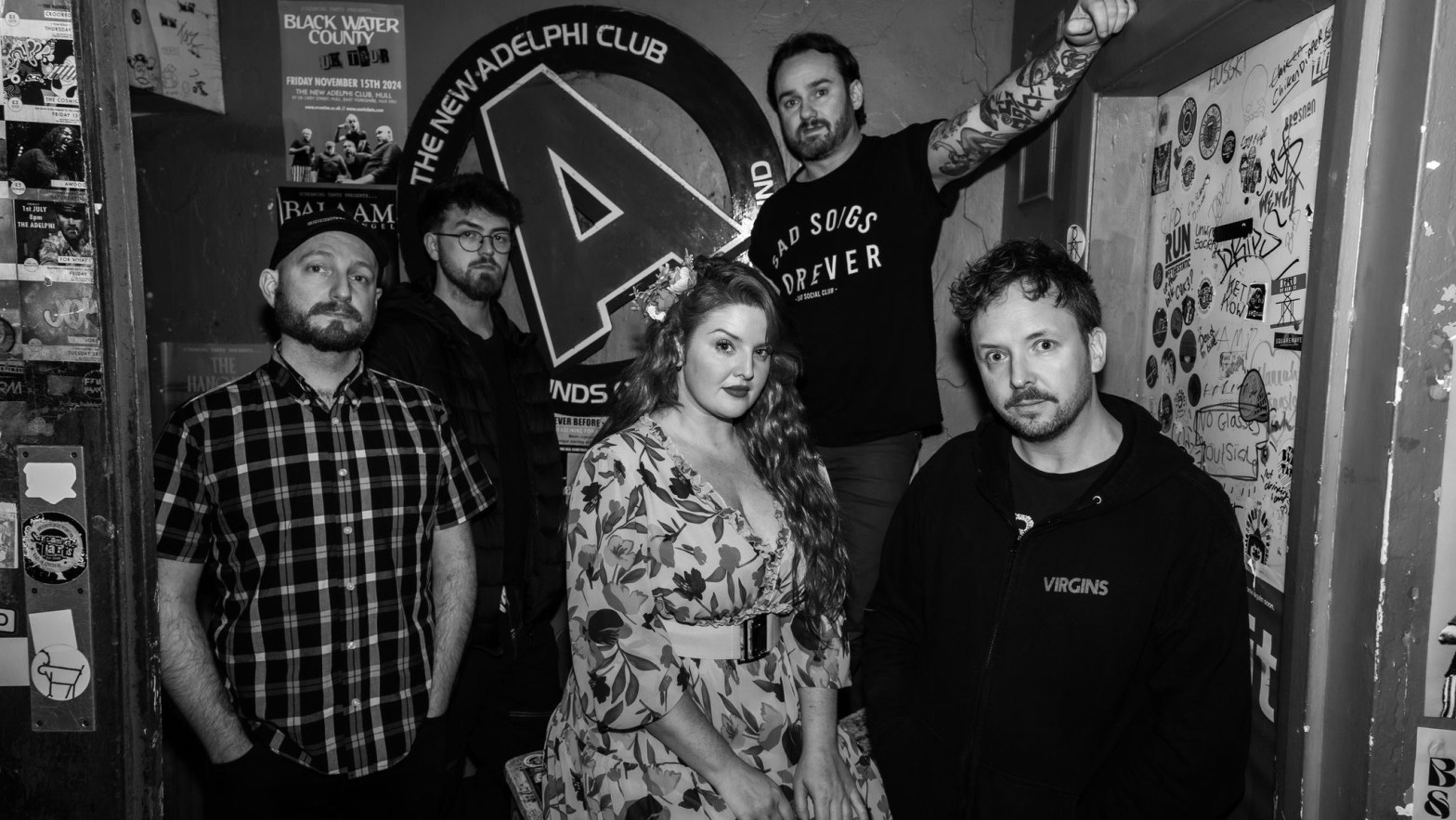
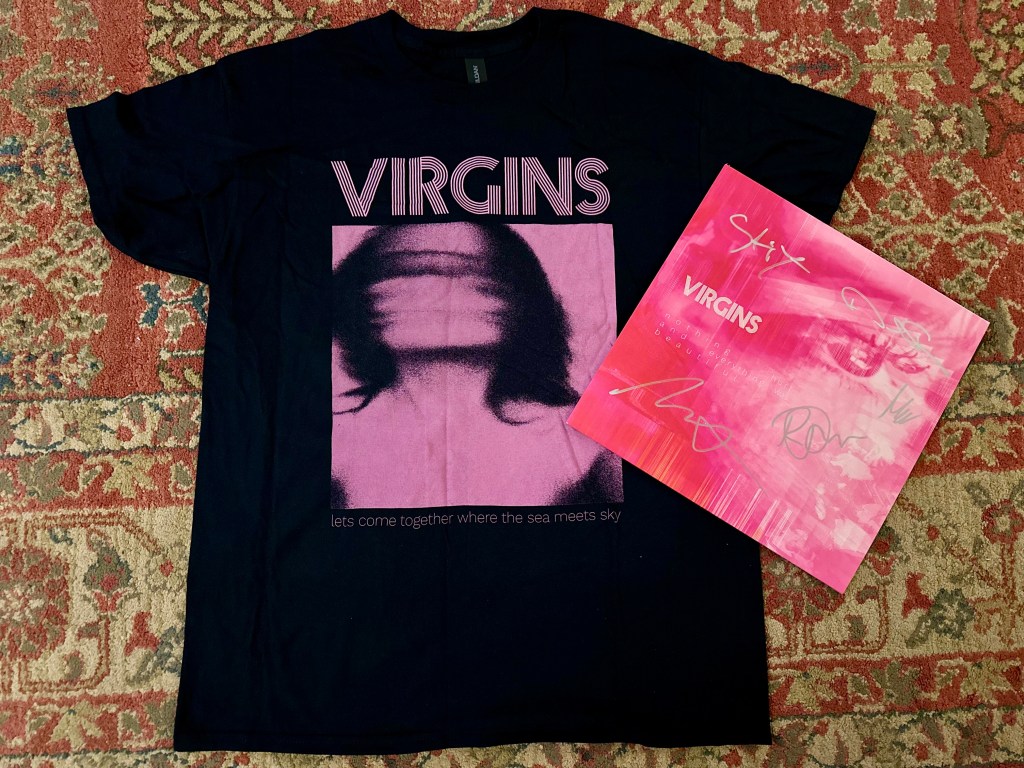
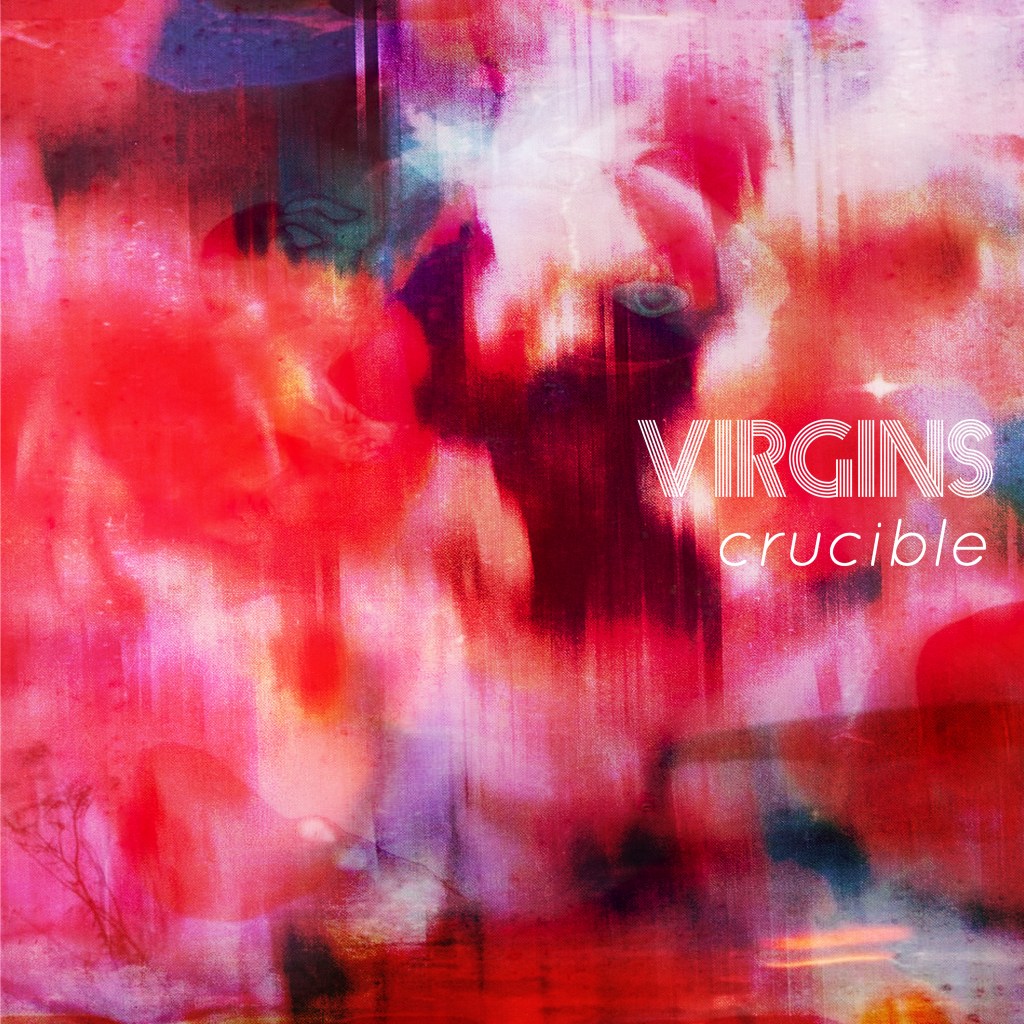
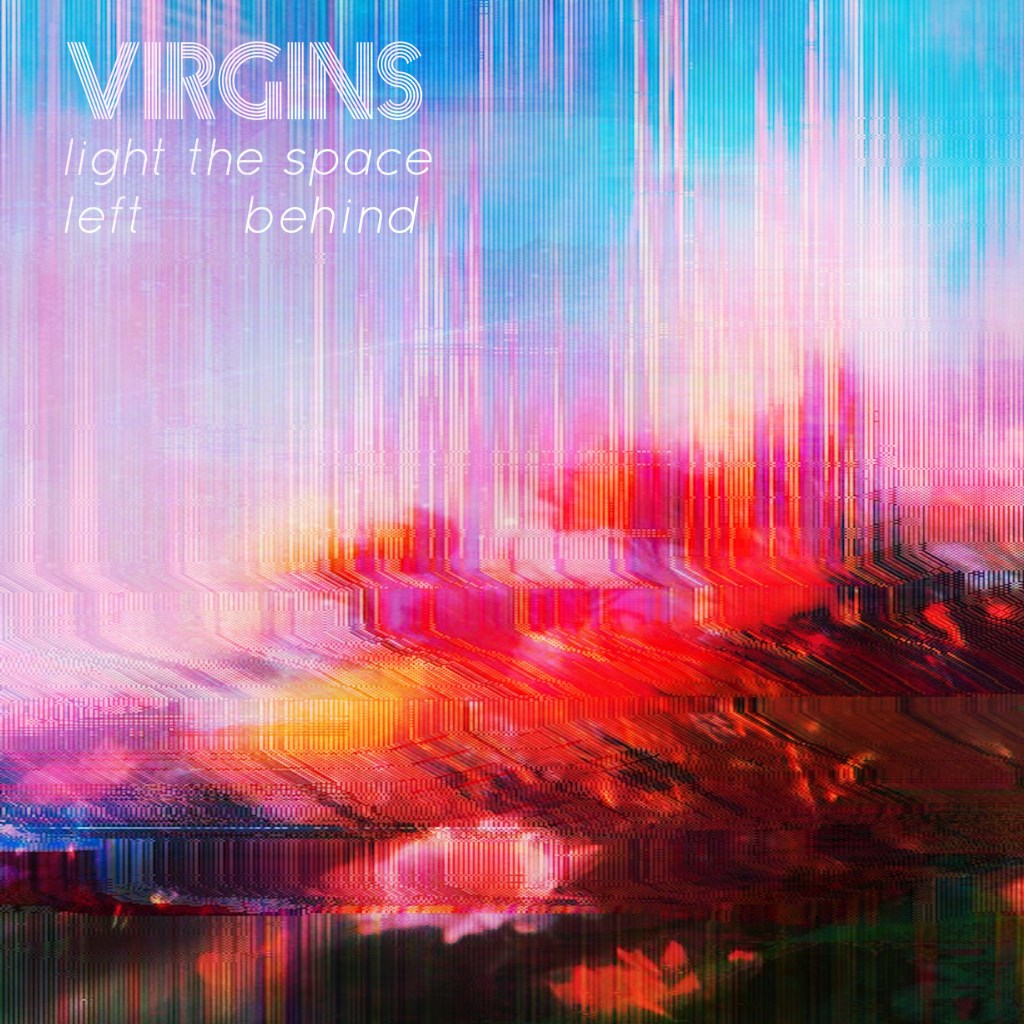
Anyone who has spent time on Static Sounds Club will know this band are woven deep into the fabric of the site. Virgins aren’t just any group to me. They are a band whose music I connected to instantly. It was obvious from the get go our record collections had a shared DNA. Right from the outset I was hooked. Transmit a Little Heaven gave us our intro to the band back in 2022 featuring that killer single ‘Vows’. Then in 2024 they dropped their debut album; nothing hurt and everything was beautiful. The singles had warmed us up but I don’t think anyone was ready for how magnificent it would be. So good in fact that it topped my 2024 albums of the year list.
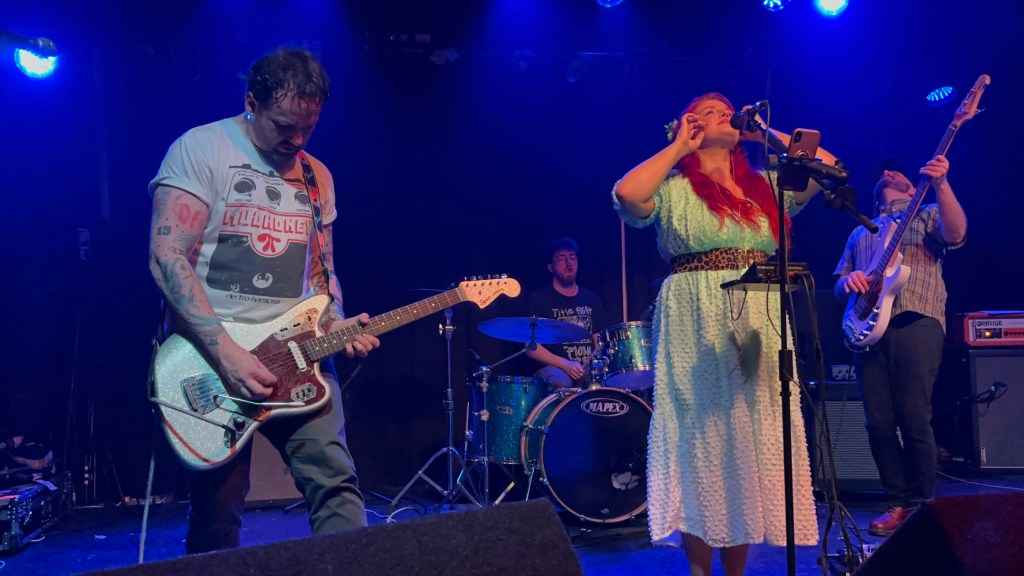
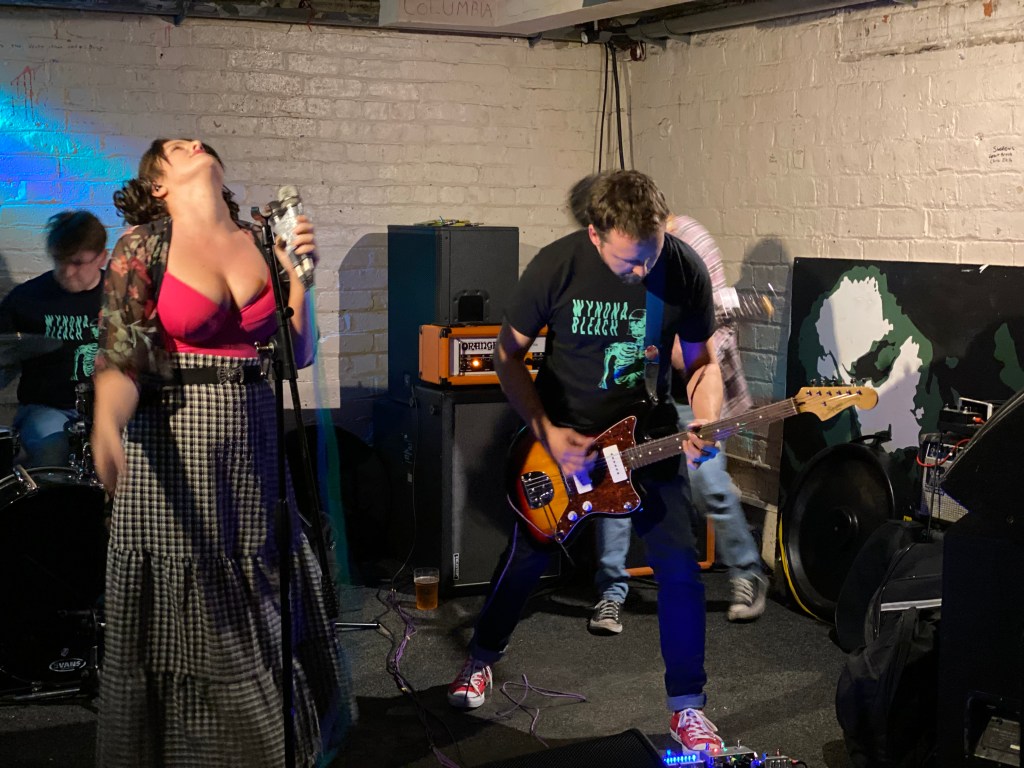
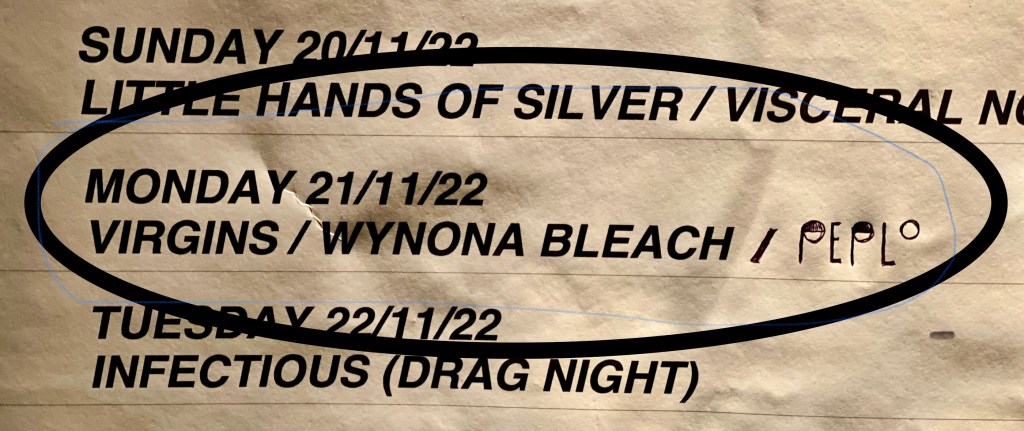
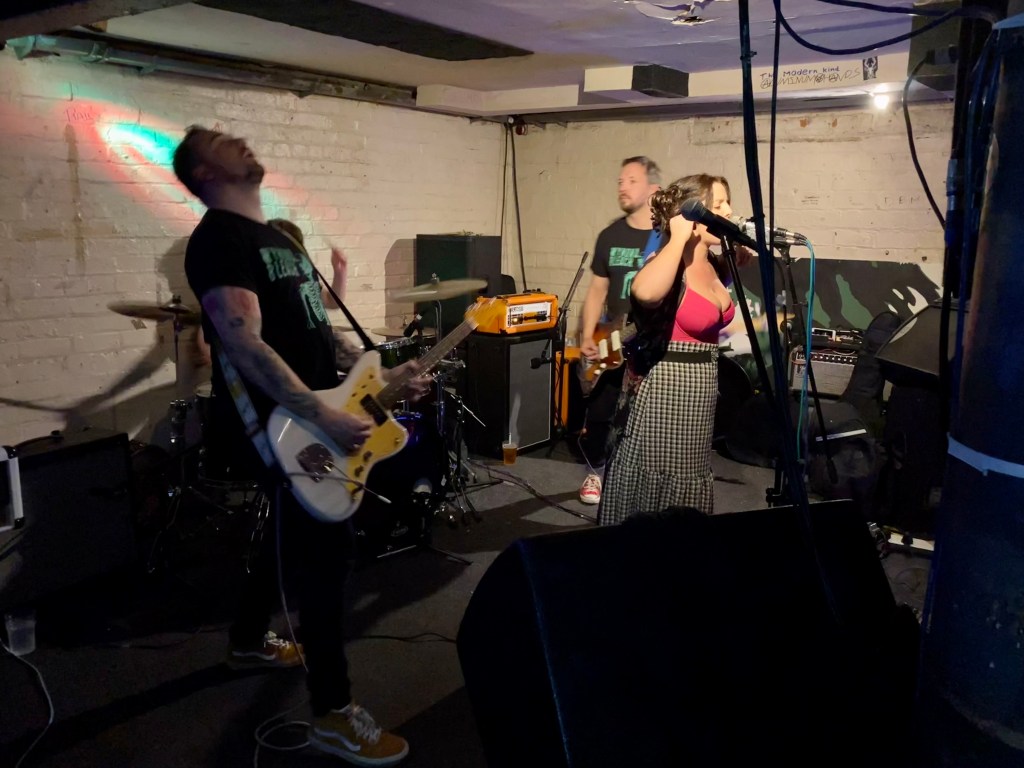
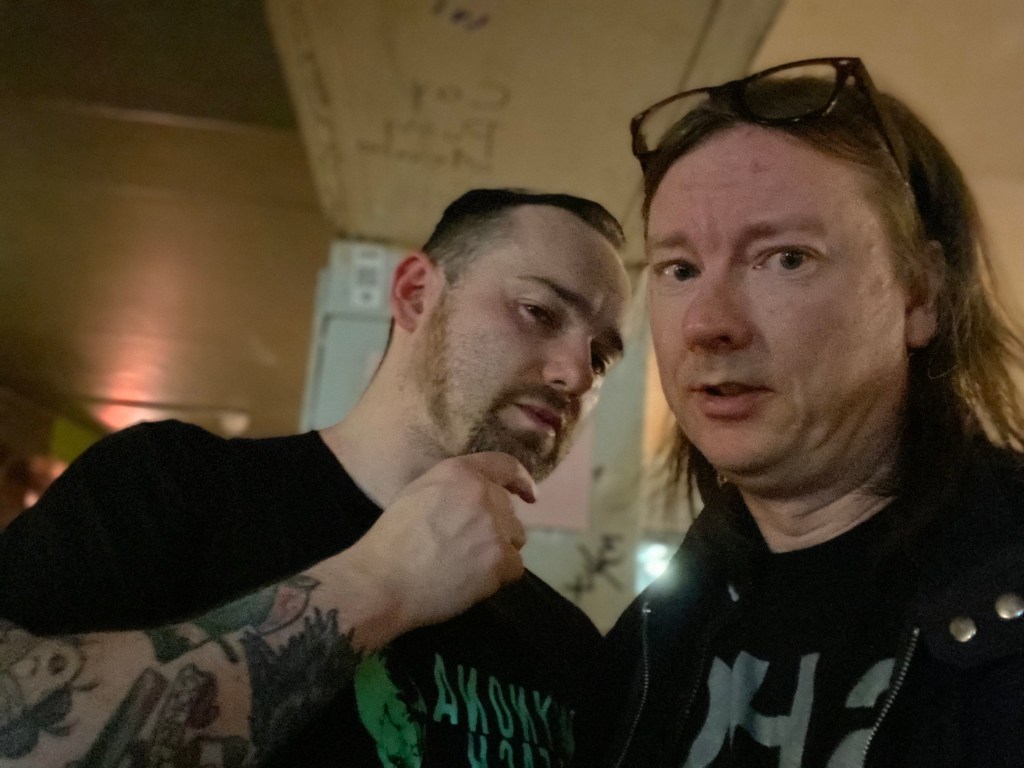
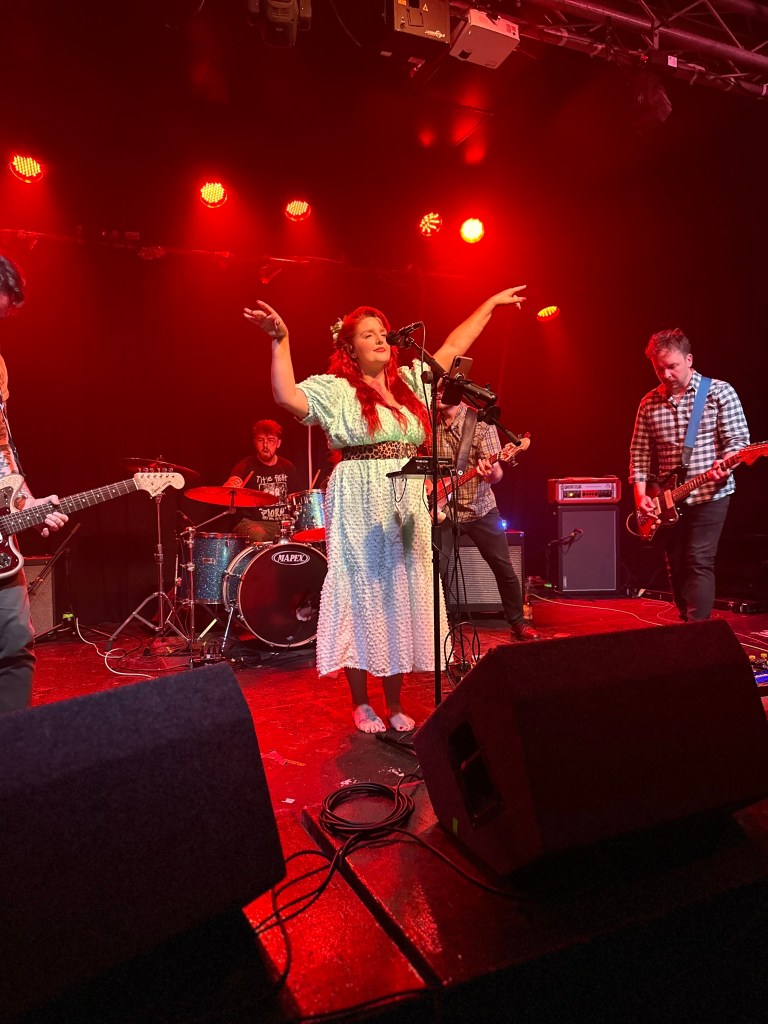
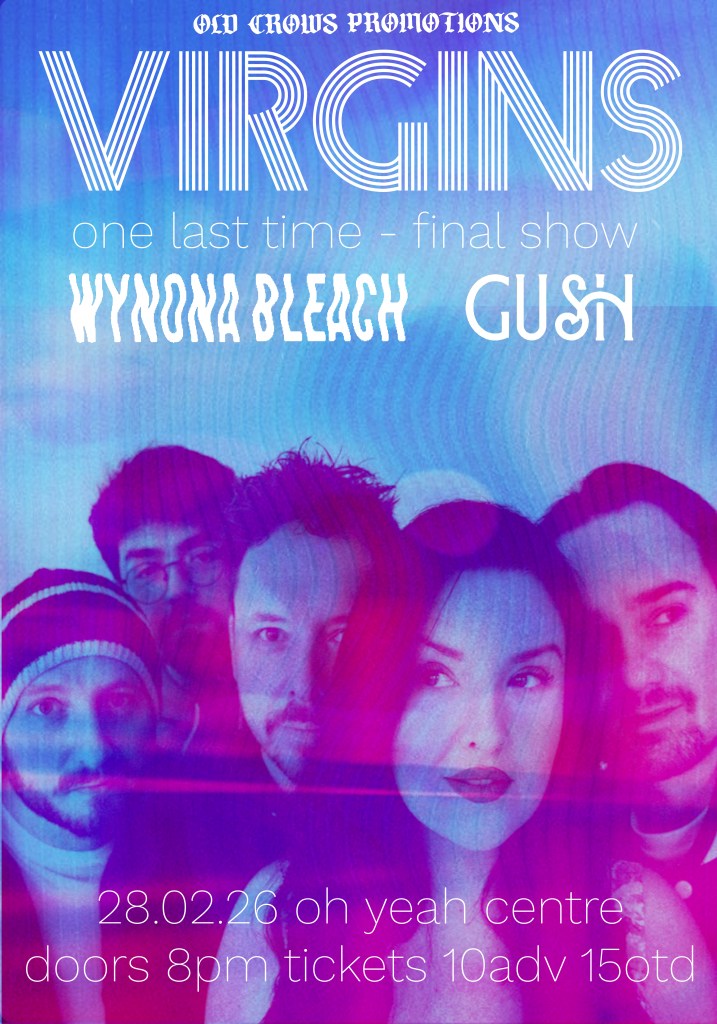
First time I met Michael from the band was at a now legendary Nothing show in Glasgow. That was quite a night. It was also an absolute joy to catch Virgins themselves live twice in Glasgow (also getting to meet the amazing Wynona Bleach at one show). I have returned again and again to their music because each release felt like it was written just for me. I’m certainly not alone in that as the band have an incredible number of live dates under their belts across the UK and Ireland. They’re a band who understand dynamics both on record and on stage, something proven time and again through shows, tours, festival slots, and well-earned critical support.
Like all good things though Virgins have now come to their natural end but not before furnishing us with one last sonic memento. A closing chapter to their much-loved story. Knowing that Light The Space Left Behind is the bands final release has made writing this harder than usual. This isn’t a band I want to say good bye to.
The circumstances around the recording of the EP were slightly different this time. Instead of heading into a formal studio environment, the band chose to record in their practice space, keeping everything close and instinctive. Michael took on engineering and production duties while Rebecca recorded her vocals at home. The sessions were brief and focused, captured over two days in September, just before the band headed out to support Slow Crush on their Irish dates. I think that tells you how in sync this band had become being able to achieve so much in such a short space of time.
So dear reader let’s dive in, one last time, and see what Virgins have for us.
‘Crucible’ opens the EP and immediately sounds like the band have refined their sound. The familiar Virgins elements are all present sure. Dense layers of fuzz, cascading guitar lines and Rebecca’s voice hovering just above the noise. What stands out is the confidence in the arrangement. Dave’s guitar takes on a heavier role here, pushing thick sheets of fuzz forward while Michael’s lead lines glide and echo around the edges. The drumming feels more assertive too, guiding the track through its shifts like an Exocet missile. It feels like a band testing their own boundaries one last time and finding new space inside a sound they know intimately.
Up next ‘Passing’ brings a subtle change in tone. Described by the band as arriving almost fully formed, it carries a clarity that sets it apart. There is a looseness to the way it moves, less about sheer impact and more about flow if you get what I mean. The guitars shimmer and swell, but they leave more room for the melody to breathe. Rebecca’s vocal performance feels especially assured here, guiding the song with a lightness that contrasts beautifully with the sonic weight beneath it. For me it’s that vocal performance that steals then show here. It is a song about movement and transition, which given the context of this release, just gives it even more emotional heft.
We close out the EP with ‘Reveries’. Born from a jam and shaped slowly through collective effort, it carries an almost suspended quality. The track has a strong Russian gaze feel to it. That lead guitar and Rebeccas falsetto carry us off to Saint Petersburg! I don’t know if it’s just me but there is a sense of the band listening closely to one another here, lots of eye contact in the room. Everyone sure of their part and each other’s. Dynamics are on point and we are left breathless wanting more. Knowing the band as I do, I can imagine they’ve picked this as the last track as a last shared breath before the lights go down. And then it’s over.
Michael’s statement announcing the end of the band was honest, self-aware, and touched with humour, but it also underlines just how much has been achieved. Five years of writing, recording, touring, and building a community around the music is no small thing. Support from radio, press, playlists, and peers came because the songs deserved it. Appearances at festivals, tours across Ireland and the UK, and moments like supporting Slow Crush, Som, BDRMM, and Bleach Lab all speak to a band who earned their place through graft and vision rather than hype.
Listening to Light The Space Left Behind, it’s hard not to think about this band’s legacy. This EP doesn’t try to summarise everything Virgins were or attempt to tie their story up neatly. Instead, it offers three songs that reflect where they were at the end. Confident, collaborative, emotionally open, and still curious about their sound. For those of us who have followed the band from early singles through to EP’s, the album and live shows, it feels like a respectful and honest goodbye.
Since I found out the news I’ll not lie, I’ve been feeling surreal for days. Personally, I’d just like to say a massive thank you. I have absolutely loved writing about Virgins music over the last few years. Having met them a few times I can honestly say they are just the best people. Good good folk. I hope I’ll get to see them again in future ventures. So, until then I’ll just raise a glass to Virgins. Cheers folks, nothing but love!
Light The Space Left Behind is out February 19th 2026. You can check out the first track over on the Virgins Bandcamp page now.
I’ve written a lot of blogs over the years. Sometimes I wonder who’s out there reading them. There’s a fair few of you that’s for sure but I received some nice confirmation when Stevyn Halsted reached out to me last month.
Halsted is a songwriter who has spent decades moving through different bands and musical projects before settling into this one. There is a deep musical history here. You can hear it in the confidence of the arrangements and his delivery of the songs. This is not someone learning how to write or record. This is someone choosing exactly how they want things to sound and giving them to us to enjoy.
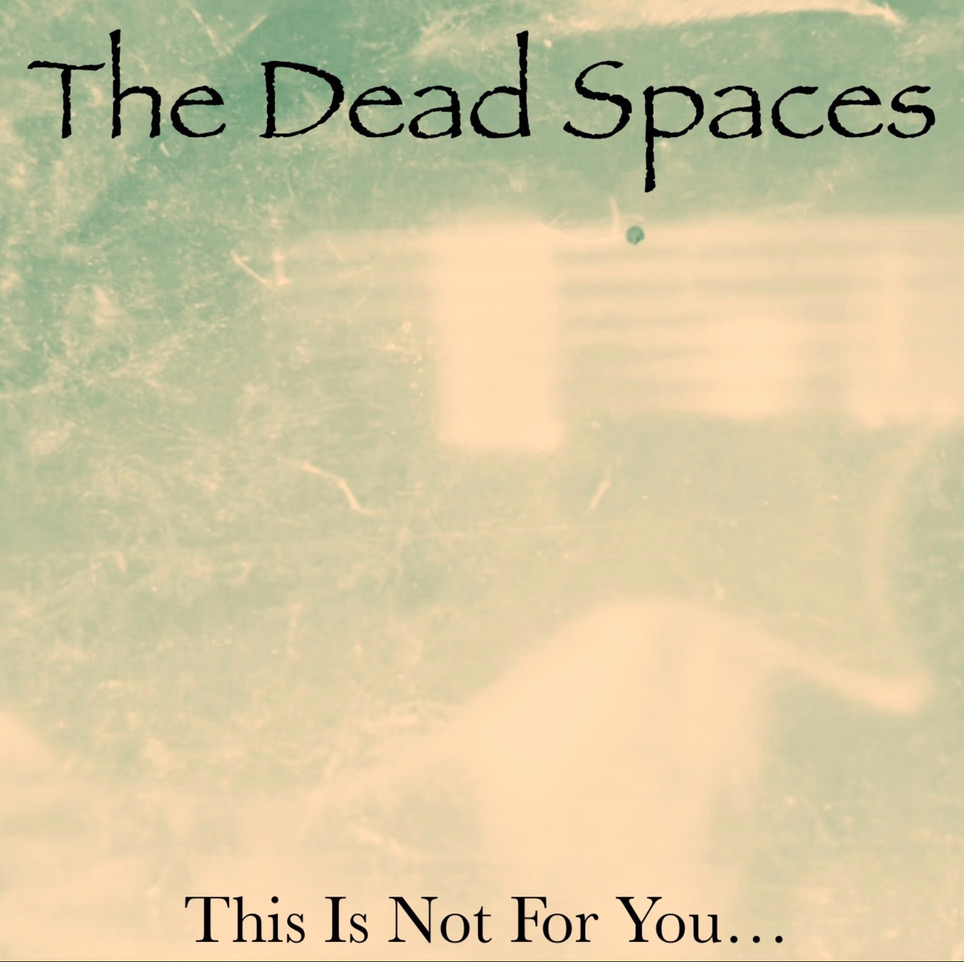
I went into this with a strange mix of excitement and calm. Excitement because his song ‘Seeking Darkness’ includes a line of my own writing, which is still a surreal thing to process. Calm because I had no expectations placed on the record itself. No sense of where it needed to land or what box it should sit in. That felt like the right headspace to meet This Is Not For You.
Sonically, I hear the album sits at a junction of genres without leaning too hard on any single reference point. Halsted has this to say on his sound.
“The Dead Spaces is a delicious blend of shoegaze, grunge and goth served to you on a bed of distortion with a garnish of fuzz and topped with delicious, buttery vocals all adorned with generous slices of reverb and delay.”
All that said, I say bring on the main course! Let’s dive in and see what’s on the menu!
‘Yer Tiz’ opens the album by setting that tone immediately. It unfolds slowly, letting the guitars establish weight and texture before the song fully reveals itself. I love the slacker kinda vibe to the guitars. The vocals come as a surprise. Thery are very much front and centre delivered with rock and roll gusto. It gives the album a defined aesthetic right out the gate and intrigues us for what’s to come.
Up next we’re waving the ‘White Flag’. It stretches out over seven minutes but never feels indulgent. The groove locks in early and carries the song forward with quiet confidence. Layers build gradually, distortion thickens, and the guitars feel like they are coming at you in wave or pulses from outer space. The vocal performance is impassioned and delivered with intent. Another solid track.
Feedback squalls usher in ‘Shimmer’ but soon even out into a grungy riff. The pace is slightly slower here but none of the intensity is lost. Not least in those stop-start moments in the chorus. This is a warm sounding track from the vocal to the lush and static filled guitar tone. Just check out that guitar solo section to see what I mean.
The bass guitar leads us in to ‘It Never Remains Parts I&II’. Sitting at the centre of the album with this grand title your expectations go up. Part I feels measured and reflective, laying emotional groundwork all couched around that bass riff. The second half takes a noisier more experimental take on that riff. Guitars swirl and reverberate reminding a bit of Spirit of the Beehive or Feeble Little Horse in places. It’s an adventurous track and Halsted pulls it off in style.
‘Tame’ arrives as a brief recalibration. Shorter and more direct, like its namesake, operates in that quiet-loud-quiet structure. The vocals enter that guttural growl we expect from our grunge tracks and that melodic payoff in the choruses is so satisfying!
‘Behind Closed Doors’ moves into darker territory. This is as close to a ballad as you’ll get on here. The first half is a duet between Halsted and his muted guitar part. Then at the halfway point it’s like the doors burst open and the song erupts into this jubilant choral attack. I know that’s one voice I’m hearing but it sounds massive. I found myself coming back to this one a few times so it has to be my album stand out track.
Halsted’s metal past surfaces briefly on ‘Lisanumera’. It’s foot to the floor, all jangling cymbals and racing guitars lines. The title being snarled through gritted teeth sounding menacing and powerful. The brief drop out mid song really ups the ante for that closing section which delivers with pinpoint accuracy the Royal Mail would envy.
‘Coolathane’ takes the foot off the gas a bit but is no less affecting for it. I don’t know why but this track gives me rural vibes, like it’s soundtracking part of Lord of the Rings or something. The guitar has this ominous, creeping tone that really sets it apart from the rest of the tracks on show here.
Bringing the album to an end is ‘Seeking Darkness’, the track that Halsted has rehomed a couple of phrases I’ve used in previous blogs. It’s incredibly flattering to have your words used at all, never mind in a song of this calibre. It’s a brooding slow burner based around that loop of three chords that slowly hypnotise you and gets you nodding along like a charmed cobra. The guitar solo is particularly class here too. A sure-footed end to a tremendous listen.
Across its runtime, This Is Not For You feels remarkably assured. Each song knows exactly what it needs to say and how long it needs to say it. The influences are clear but never overwhelming, and the record holds together as a complete listening experience rather than a collection of ideas. There is also a sense of solitude running through the album that feels honest rather than performative. This is not an album chasing attention. It is one that trusts you to meet it on its own terms and while the title might suggest otherwise, those who take the time to listen will quickly realise this is very much their kind of record.
This Is Not For You is out February 14th 2026 in digital and CD formats. You can keep an eye out for it via The Dead Spaces Bandcamp page.
You can follow The Dead Spaces on social media here…
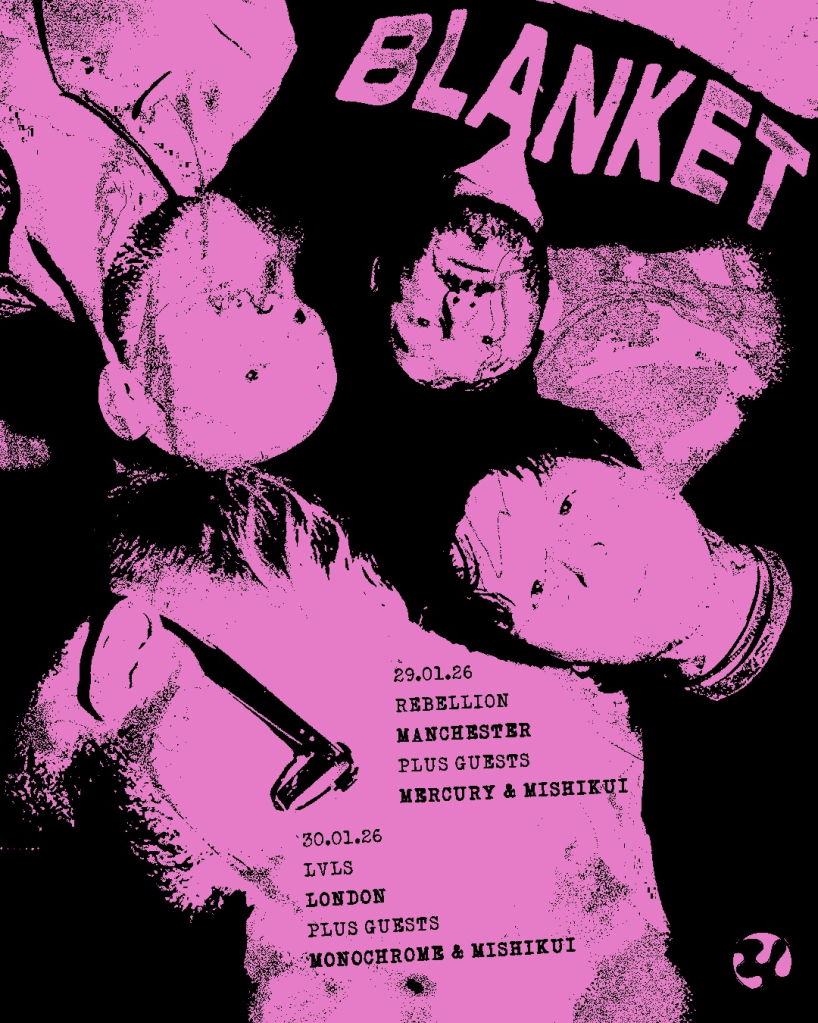
Adventure Cat Records are off to a flying start this year. Last week we heard the new Blanket album and this week we have an EP from The Jewelry. Formerly known as Killgurls, this Sacramento trio formed in 2024 and have spent the last couple of years shaping a sound that pulls from punk, noise and melody without ever settling into one lane. There is a restlessness at the heart of what they do, tied closely to a wider refusal to be boxed in, whether musically or personally.
The Jewelry are Aidan Jacques (Guitar/Vocals), Vanna Rose (Bass/Vocals), and Sal Stinson (Drums). After releasing a steady run of singles, most recently ‘Please Kill Me’ back in November, the Powder EP feels like the moment where everything clicks into place. The EP balances aggression and control beautifully, never tipping into chaos, but never sanding off its rough edges either.
Let’s get in amongst it and see what we have.
The EP opens with ‘Cake’, and straight away there is a sense of a band drawing influence from that 90’s alternative sound. The guitars grind and scrape, but they do so with restraint, allowing the tension to build rather than explode immediately. The rhythm section holds everything firmly in place, giving the track a brooding confidence that draws you in. The vocals are incredible; they are the glue that binds their sound together.
‘Kim’ follows and shifts the energy completely. Short, sharp and direct, this track wastes no time in making its point. This is immediate, sounding lean, focused and utterly convincing. If you’re looking for an “in” to who The Jewelry are then this is perfect. The guitar riff on here is excellent and is sure to win them an army of fans.
‘Julie’s Lunch’ stretches things back out again and introduces a more uneasy emotional space. The band is definitely tipping their cap to Sonic Youth or maybe Babes in Toyland here while bringing their spin to the party. I love the dynamics where the song dips the vocals go low and slow and then when it the song ignites, we get the full fury. This song is going to go off when played live.
Keeping that art rock vibe going ‘Spoonfeed’ leans into repetition and pressure, building its impact gradually rather than all at once. The bass plays a central role here, anchoring the track while the guitars scrape and snarl around it. There is confidence in how long the band allow ideas to sit and develop, trusting the song to do its work without rushing toward a payoff.
Closing track ‘Please Kill Me’ feels like a natural conclusion. As a recent single, it already carries a sense of assurance, and here it sounds perfectly placed. The songwriting feels focused and direct, the dynamics clear, and the band sound fully aware of their own strength. It pulls together the EP’s core elements without softening any of its edges, leaving you with a clear sense of who The Jewelry are right now.
The Powder EP feels like the sound of a band arriving with clarity and confidence. There is real intent running through these five tracks, a sense that The Jewelry know exactly how hard to push and when to hold back. The balance between aggression and melody never feels accidental, and the EP flows as a cohesive statement rather than a collection of singles. What stands out most is how assured they already sound this early on. If this EP marks the point where everything clicks into place, then The Jewelry are clearly just getting started, and it feels like Adventure Cat Records have another vital band on their hands.
The Powder EP is out now via Adventure Cat Records.
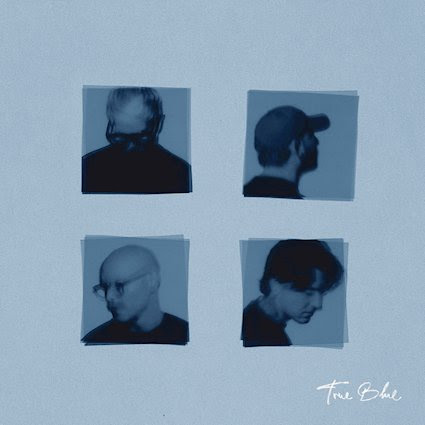
Heavy gaze. That’s my thing. Proper heavy guitars that obliterate your eardrums. I’ve always had a soft spot for bands who can balance that with melody and deliver songs that proper hook you in. That’s where Blanket find themselves as their new album, True Blue (noooo not THAT one) arrives. My experience with their previous albums is limited but from what I’ve been told, this should be my kinda thing.
Going in, I tried to keep my head clear. I had heard the talk about the band leaning further into gaze territory, but I didn’t want to frame the record before it had a chance to settle in. I’m getting ahead of myself here. If, like me, you’re giving Blanket a first listen here the let me introduce them. They’re four lads from the North West of England. Bobby Pook is on guitar and vocals, Simon Morgan also on guitar, Bass is handled by Ash Betton with Lucas Fletcher banging the drums. This will be the bands follow up to 2024’s Ceremonia album. On the subject of how they approached this new album here’s what they had to say.
“When we wrote True Blue, it felt like the whole thing finally fell into place, the vibe, the lyrics, the meaning, everything started to make sense. The track, and really the whole record, is about brighter days, a bit of nostalgia, and finding beauty in the small, quiet moments. We used samples from films like Nomadland, which felt right and added to the atmosphere we were trying to build.”
This sounds like it’s going to be an optimistic listen, lets dive in and find out.
The very short instrumental and textural piece ‘The Swallows Reflecting In The Water’ opens the album. Like an orchestra tuning up it just prepares us with a flavour of the sonic palate we’re about to enjoy.
‘Hole In My Head’ pulls the curtain back and we’re smacked square about the face with Blankets take on that Philly gaze sound. Everything is dialled up to ten. The riffs are sharp and on point, vocal melodies are hooky but don’t dominate the mix, drums are apocalyptically loud and in yer face. This is a potent way to kick off the album and a real statement of intent. Blanket are taking no prisoners.
There’s no let up on ‘Levitate’ next. If anything, it deepens their resolve. There’s a great use of melody here. Check out how the vocals melodies seamlessly hand off to the guitars after the soaring choruses. Also, when the volume drops ever so slightly in the instrumental break we hear another. It’s an intricate web of a song this one.
‘Bind’ introduces a new shade with the addition of Wayside, but it never feels like a guest moment for the sake of it. The songs lulls into thinking this is going to be a quieter ballad type affair before bursting to full fuzzy glory when the vocals come in. The intensity is certainly amped up here with the guitars riding that wave of feedback throughout. All that said, the melodies remain and shine through in spades.
‘Leaning On You’ acts as a subtle pivot point. Here the band moves from intensity into atmospherics. The band paint the air with soft textures punctuated with the blunt force of fuzz where required. It’s a tender vocal melody and is couched in this opulent opus making us feel very spoiled indeed as listeners,
Up next ‘Summer Skin’ builds on that tender mood. Lynsey Ward’s vocal adds a soft glow that lifts the track without ever taking over or overwhelming it. The way the song swells and then pulls back again shows just how controlled this record is, even at its most emotive. The band have put so much thought and care into planning the dynamics of these songs.
Speaking of dynamic ‘Wallflower’ brings the velocity and movement back into focus. There are moments hear that feel like they should sit on a 4AD album from the nineties such is their sheen. Then the song turns on a penny and smacks you about the face again. Hats off to Fletcher for a stellar drum performance here!
All too soon we are at the end with the title track. ‘True Blue’ finishes things off with a fitting flourish. That contrast between the crescendo post rock sound and that gentle acoustic guitar passage at the end is superb. Whilst the ending comes all too soon it is the perfect full stop to this collection.
Now bear in mind my knowledge of their previous work is limited but that said, True Blue feels like Blanket locking into something that really suits them. The heaviness is absolutely there, loud and physical when it needs to be, but it’s the way they temper it with melody and dynamics really makes this a special listen. Every song feels considered. Nothing is thrown in for impact alone. You can almost hear them thinking carefully about how long to hold tension and when to let it spill over. Even when the record ends quicker than you might want to, it never feels unfinished. It feels deliberate.
This is Blanket sounding comfortable in their own skin, confident enough to lean into the gaze without losing their punch. If True Blue is about honesty and commitment, then this album lives up to its name. Blanket sound absolutely true blue to themselves here.
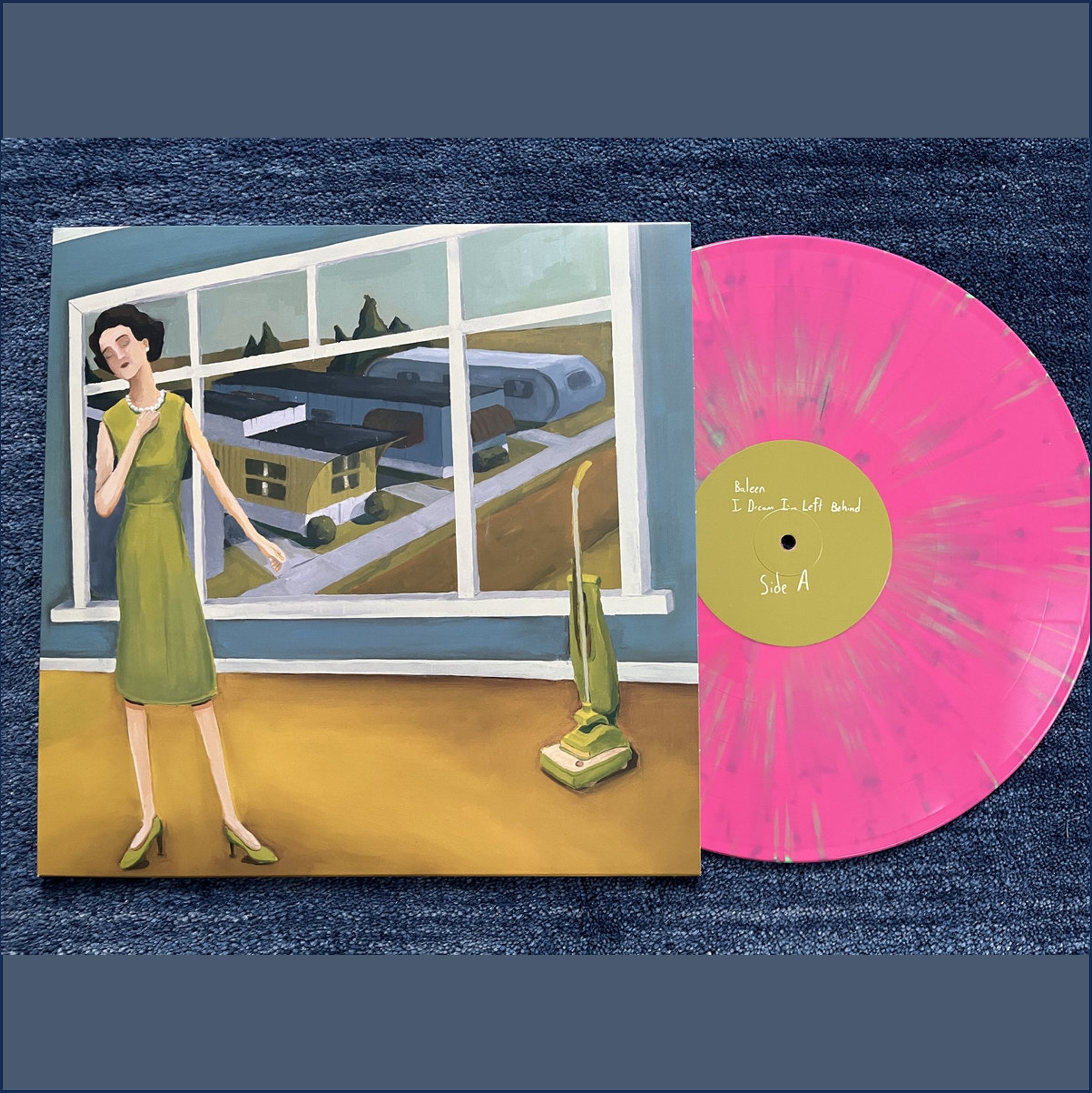
I first stepped into Baleen’s world through their self-titled EP. That record arrived with a quiet confidence and a sense of curiosity that floored me and had me skipping the needle back to the start again and again. It felt like a band thinking beyond the immediate moment, already shaping a sound with space, patience and emotional intent. There was depth there, even in its brevity. So, when I Dream I’m Left Behind landed, I came to it genuinely excited. Whilst my expectations were high, somehow, they still undersold what this album achieves.
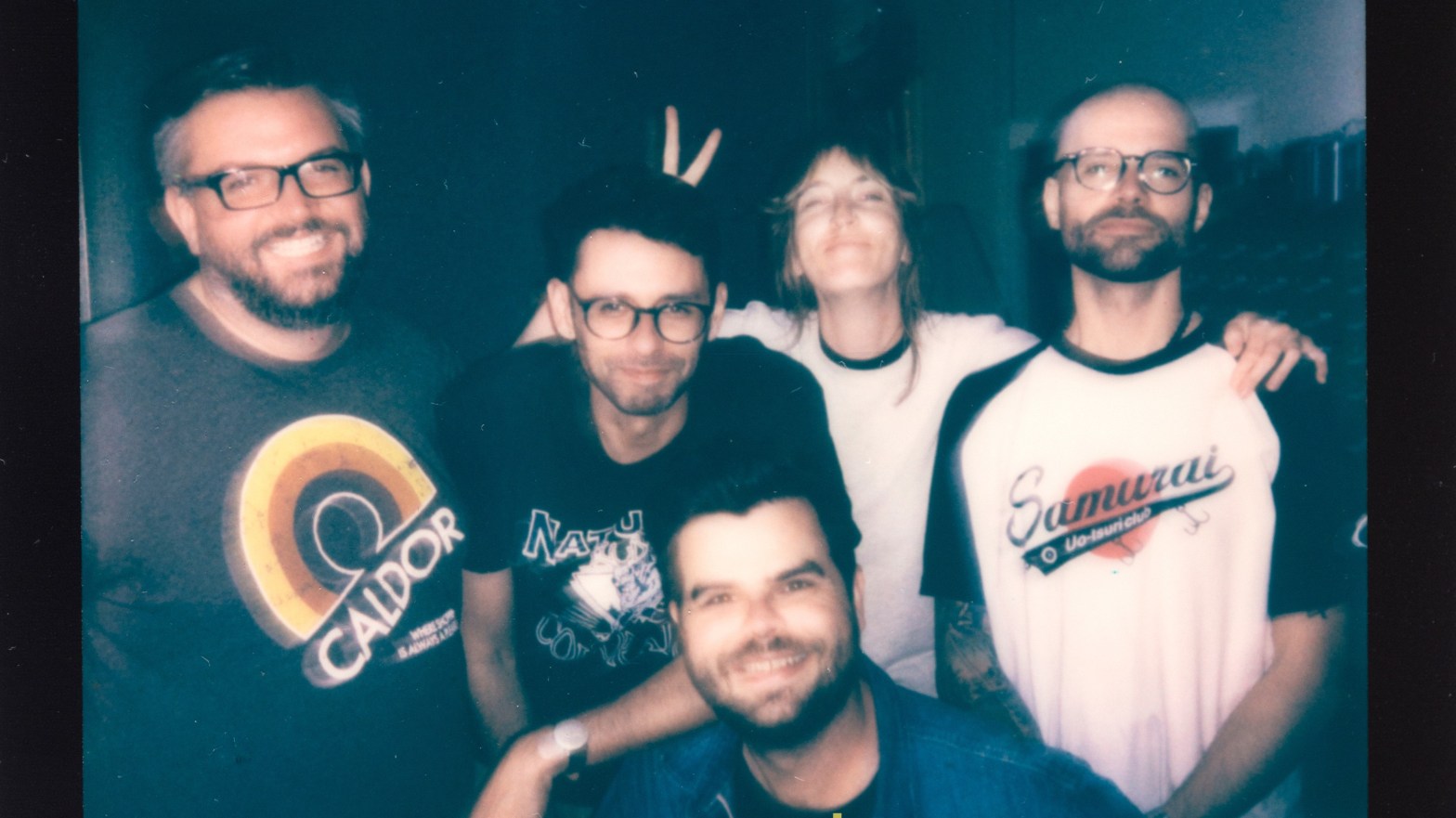
But I’m getting ahead of myself. So, for those who missed my EP review Baleen are based in Northampton, Massachusetts and are Mike Anctil handles drums, Katy Beyer vocals, Gregg Bothwell guitars, vocals and synth, with Austin Hatch on bass. Bothwell writes the songs and takes on production duties alongside Andrew Oedel. That sense of continuity matters. You can hear a band comfortable with each other and confident enough to let songs find their own way.
The band have this to say on what to expect from the album.
“I Dream I’m Left Behind is an album about the grey areas between extremes: between medicine and poison; between joy and sadness; between human connection and the desire to be alone. It’s an album that explores the delirious joys and complex challenges of domestic life, and all the ways that human beings cope with the difficulties of being alive.”
Let’s drop the needle and explore those grey areas.
‘Moonlight on the Clock’ opens the album with a sense of restraint that immediately signals growth. The guitars are sumptuous and beckon us in with their warmth with a counter melody that’s as catchy as the vocal. The gentle tones are periodically punctuated by heavy fuzz passages that explode across the song like fireworks. This is quite the opener. This is accomplished songwriting and has us hooked immediately.
Moving forward with momentum next is ‘Floating Just a Little Bit’. The balance between quiet reflection and soaring intensity is beautifully judged here, with the chorus landing hard because of how carefully the angular verses are shaped. The solitary voice of the verse turns into full group singing for the choruses. And boy do they hit you right in the feels.
‘Champagne Sugar’ introduces a more rhythmic guitar approach that immediately stands out. The playing here feels deliberate and precise, almost conversational. Lyrically it carries a sense of reflection and closeness, capturing those fleeting moments at the edge of change when friendships feel both permanent and fragile. It’s another high-quality song; man, this is exceptional stuff.
‘In the Morning’ next focuses right on our heartstrings. They seem to have found a way to make us feel with a chord change, a change in dynamic. It’s uncanny. See the entry point into the choruses here and the slow build over its length that absolutely floors you. The guitar solo midway through bringing to mind American Football is simply stunning.
There’s a brief but effective shift in pace next with ‘Burnt Hills’. An instrumental tone poem it serves as a palette cleanser as we move into the second half of the album.
‘Spirit Divides’ leans into darker territory. The guitars grow heavier, the atmosphere thicker, and the song slowly escalates toward a powerful release. The tension feels internal rather than dramatic, rooted in anxiety and dissociation rather than societal reasons. There’s a definite nod to the Philly sound of Nothing or Whirr for sure but with a little more definition and drive.
‘Anatomy of a Fall’ brings a sense of reflection back into focus. The interplay between guitars and vocals feels especially strong here, with melodies that linger without overstating themselves. They once again lean into the epic with a massive wall of sound being employed to great effect. The guitar swell after the choruses is just incredible.
Baleen go all out with a ‘Endless Blue Sky’ which is all velocity and vibes. Everyone is heads down and thrashing their instruments, fully immersed in their performances. The sheer energy is incredible, charged with excitement. I can imagine this one being a live favourite.
‘Winedark’ is the album’s emotional centrepiece. At over eight minutes, it unfolds slowly and confidently, drawing from post rock patience and shoegaze density in equal measure. The repetition becomes hypnotic, the guitars washing over you as the song gradually deepens. It’s immersive without losing focus and as the song reveals its many facets it both excites and surprises you throughout its runtime. This is a real masterclass.
‘Madmen and Addicts’ closes the album with a sense of quiet resolve. Rather than reaching for a grand finale, Baleen choose reflection and restraint. It feels like a farewell rather than the finality of a goodbye. A slow exhale after the emotional journey has come to an end.
Where the EP hinted at what Baleen could become, I Dream I’m Left Behind commits fully. The sound is more nuanced and the compositions more layered. Shoegaze, indie rock, post rock, Midwest emo and ambient textures sit side by side without friction. Nothing feels forced together. Instead, these songs live in the grey spaces between extremes, emotionally and sonically. It is an album about domestic life, anxiety, connection and retreat, about learning how to sit with contradictions rather than resolve them.
I Dream I’m Left Behind feels like a band fully stepping into their own. It takes the promise of the EP and expands it with confidence, patience and emotional clarity. These songs do not rush you. They sit with you. They trust you to listen, to feel, and to return. When I Dream I’m Left Behind closes, it feels like waking from a dream you were not ready to leave, carrying its weight quietly with you into the day.



 Static Sounds Club